
Guernica: Never Forget
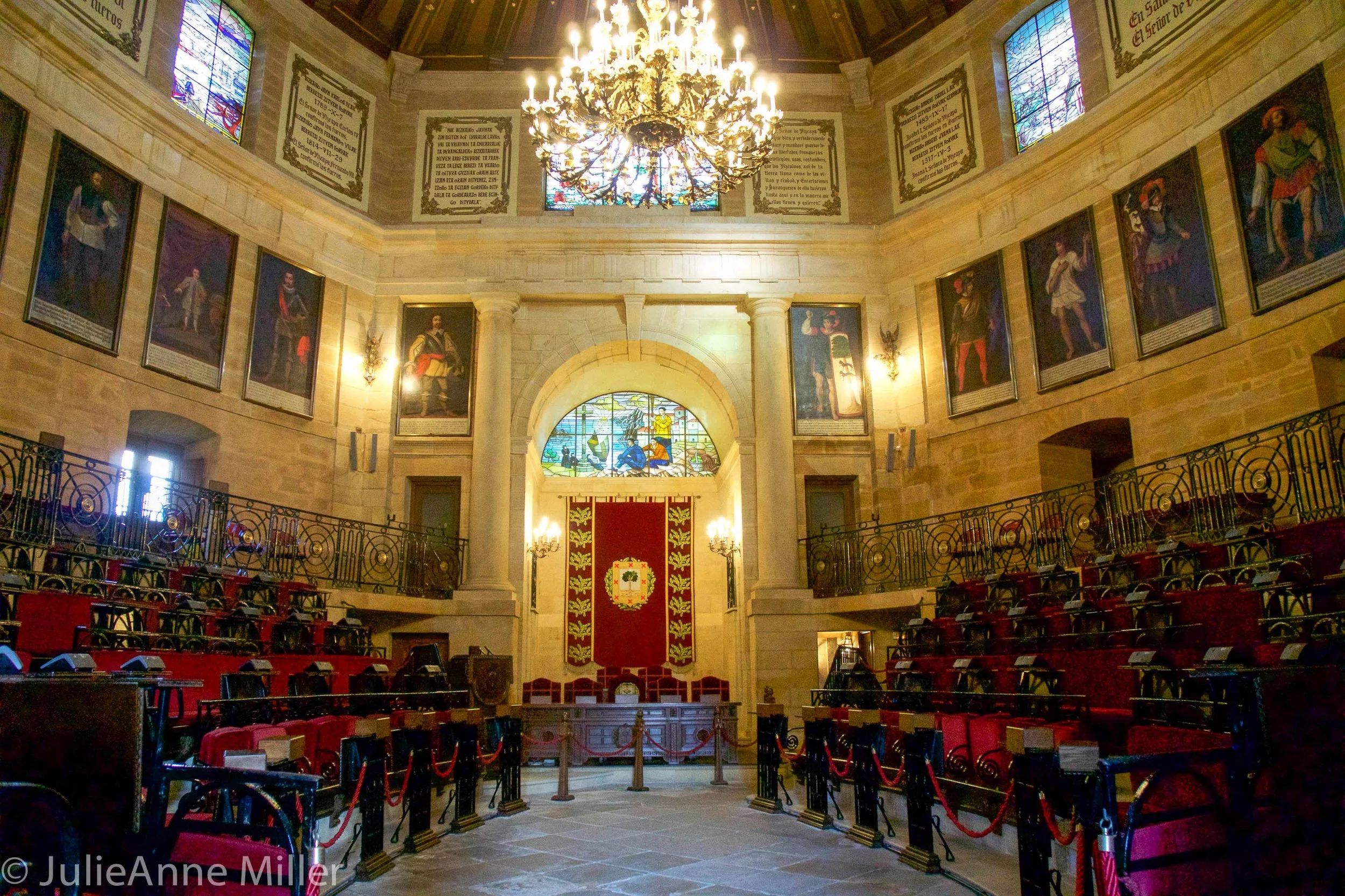
In Guernica, there’s the precious remnant of an oak tree that marks the spot of early civic engagement (a.k.a. democracy). Since the 14th century, two representatives from each tribe across the Biscay region would gather at this oak tree to discuss important civic matters and develop laws on behalf of constituents.
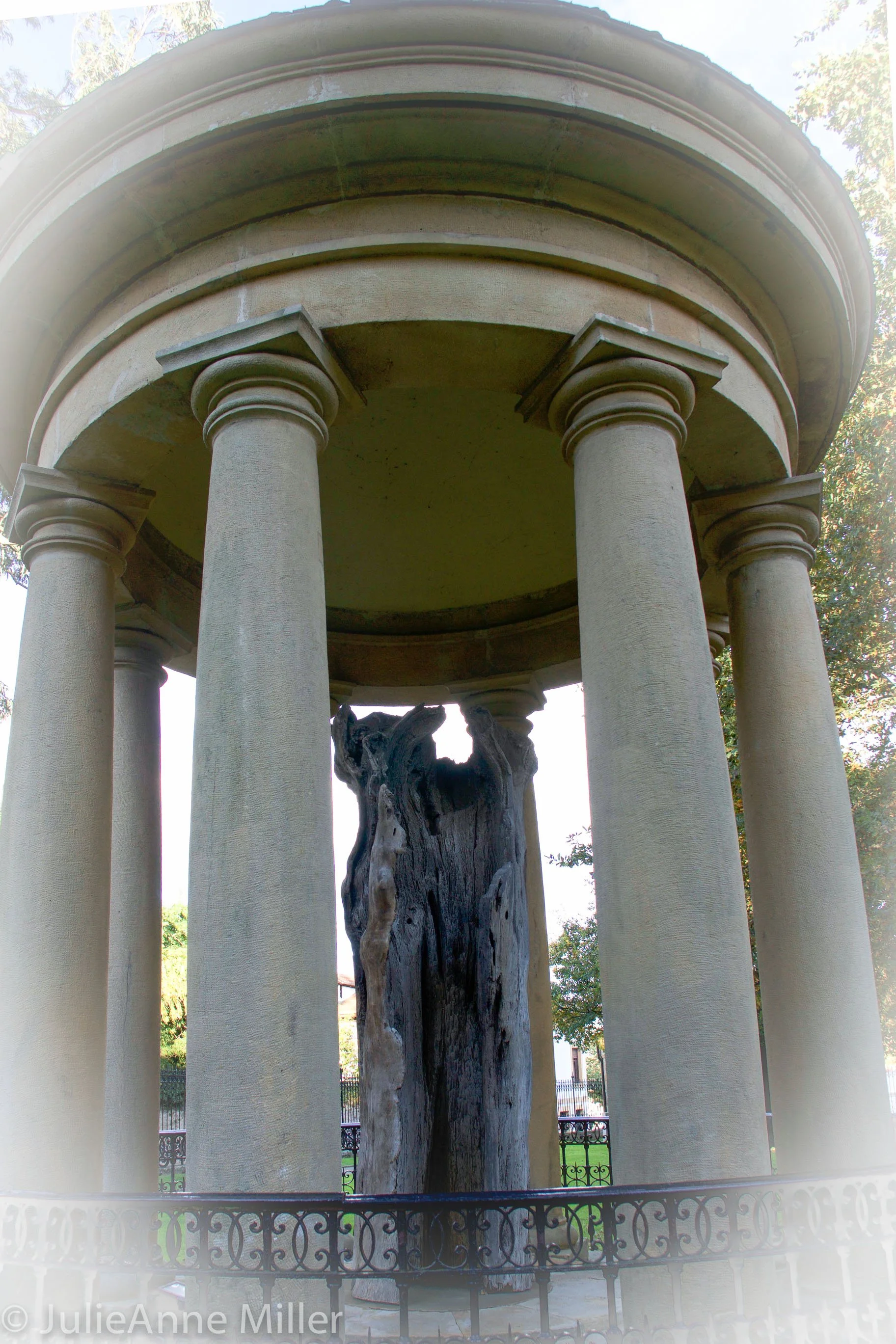
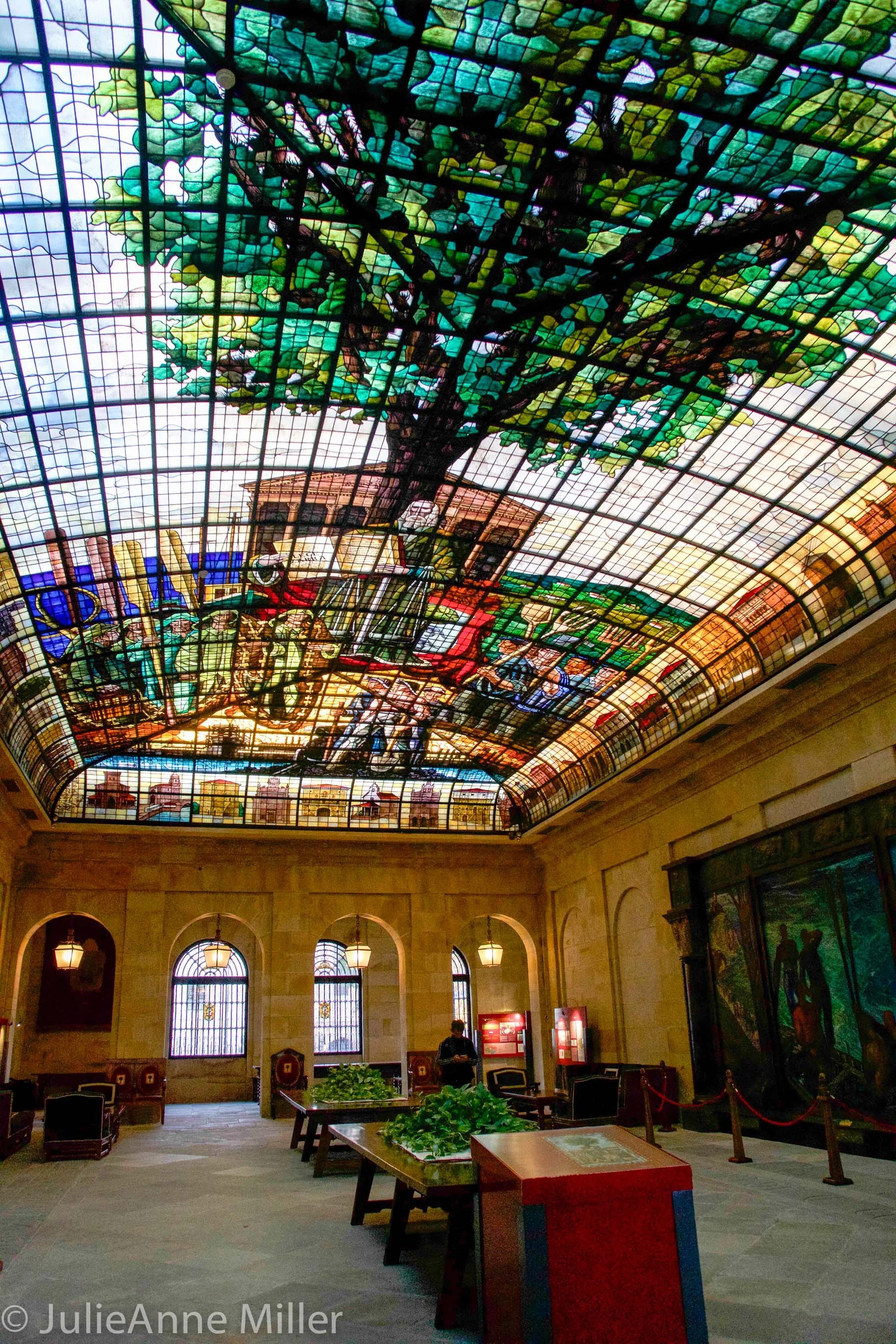
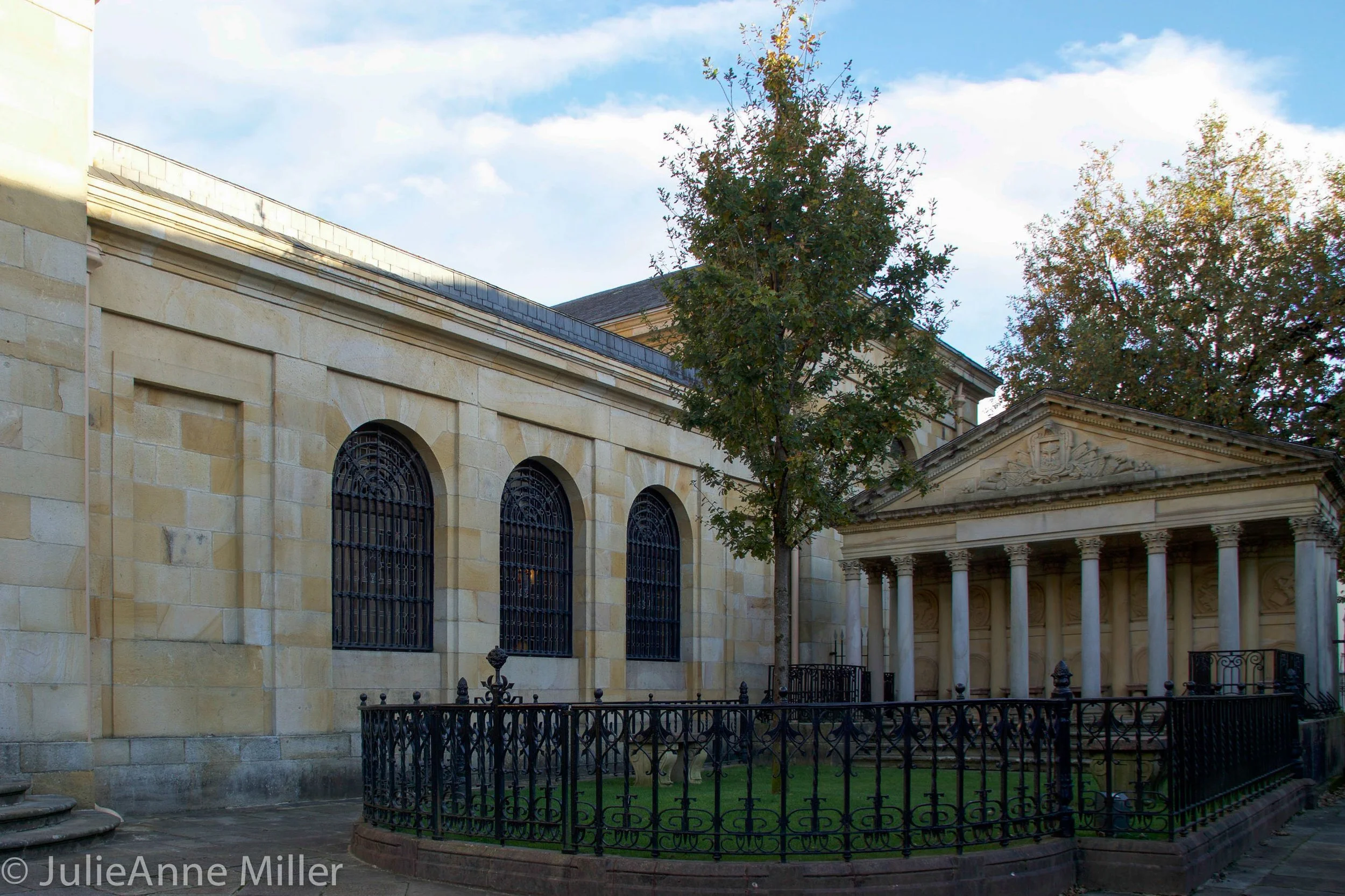
The current oak tree, planted in 2015, is the latest in a long line of successors dating back to the "Father Tree" and is an important symbol of autonomy and democratic rights for the Basque people. Even today, the President (or Lehendakari) of Basque takes the oath of office beside the tree. Surrounding the oak tree, Guernica's Assembly House was built as a more formal gathering place. Today, it’s a meeting point for Euskal Herria (Basque Country) territories. Its colorful stained glass ceiling is a powerful reminder that self-governance here is lived, practiced, and deeply valued… even though they technically lost their independence after unification into a “unified” Spain following the Carlist Wars in the 1830’s.
A darker shadow lingers: the bombing of Guernica in 1937 during the Spanish Civil War. Gazing at a replica of Picasso’s Guernica on a city wall, the painting transmits the anguish, confusion, and the distortion of ordinary life that occurred here.
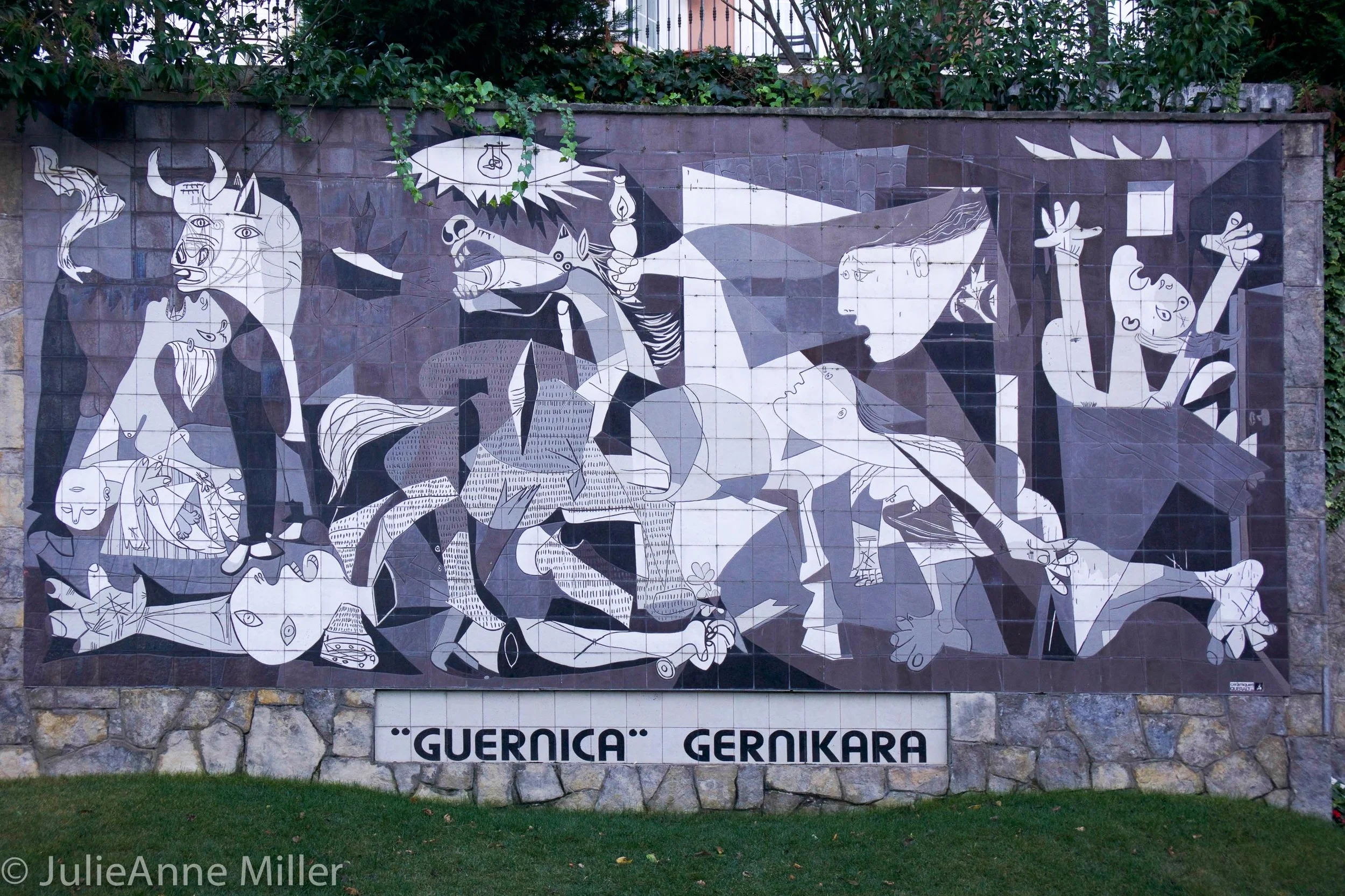
Replica of Picasso’s Guernica
The bombing was just one act within a broader system of terror and violence throughout Spain that enabled Francisco Franco — supported by Hitler and Mussolini — to consolidate power and establish an authoritarian state in the 1930’s. Nazi German Luftwaffe and Fascist Italian air forces actually carried out the bombing of Guernica, but it was at the request of Franco’s Nationalist forces in the fight against rival Republicans. The attack lasted about three hours and left hundreds dead. This was no ordinary military strike; it was one of the first deliberate bombings of civilians in modern warfare. The attack shocked the world and became a symbol of the horrors of modern warfare. After the bombing and lasting until Franco’s death in 1975, Basque autonomy and language were heavily suppressed. It wasn’t until 1978 that the Basque Country — an area historically rooted in democracy — regained some degree of autonomy.
Standing in the town today, it is difficult to reconcile the quiet streets with the knowledge that they were once reduced to rubble… the lives and culture of ordinary civilians erased in a matter of hours.
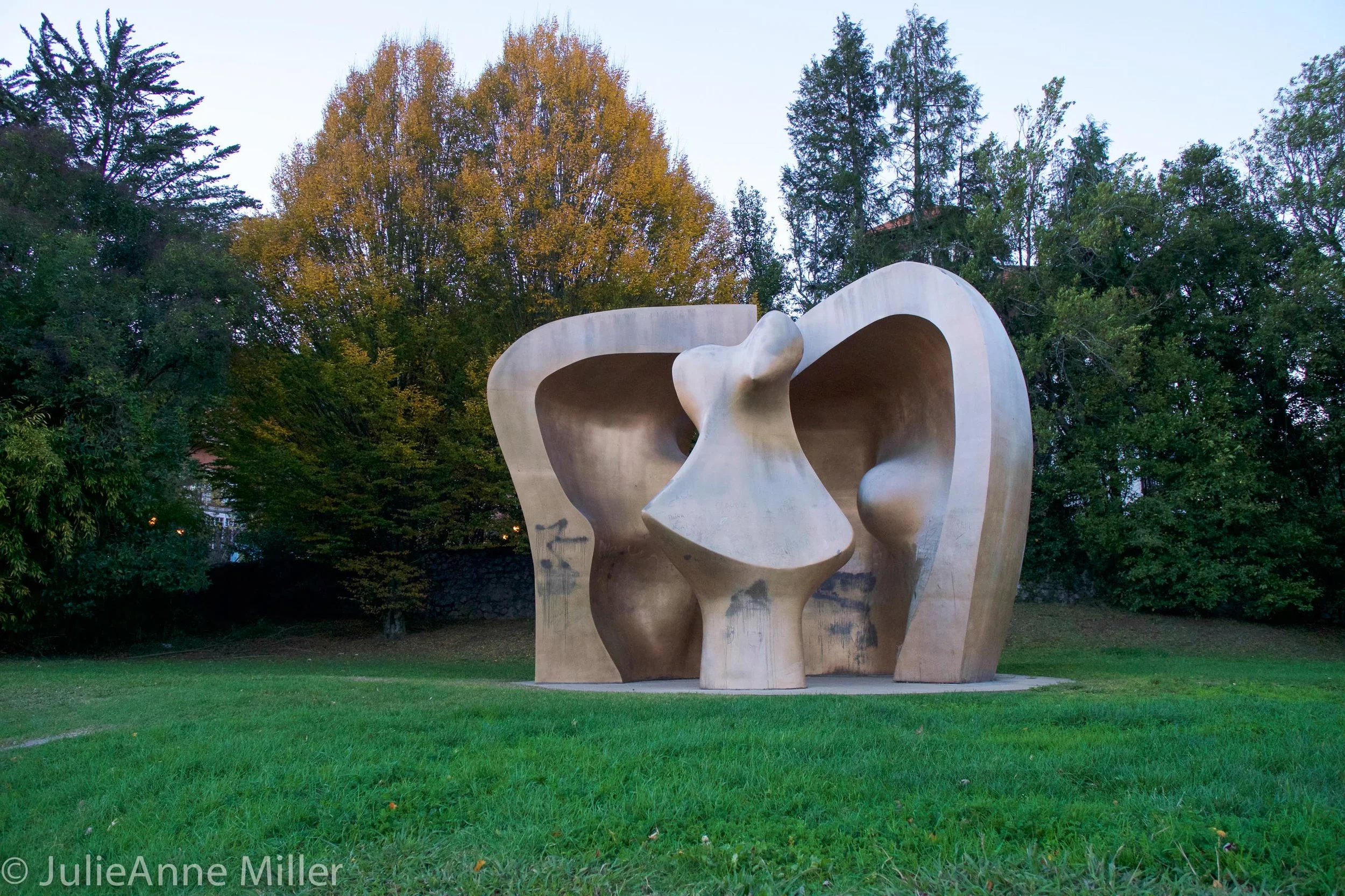
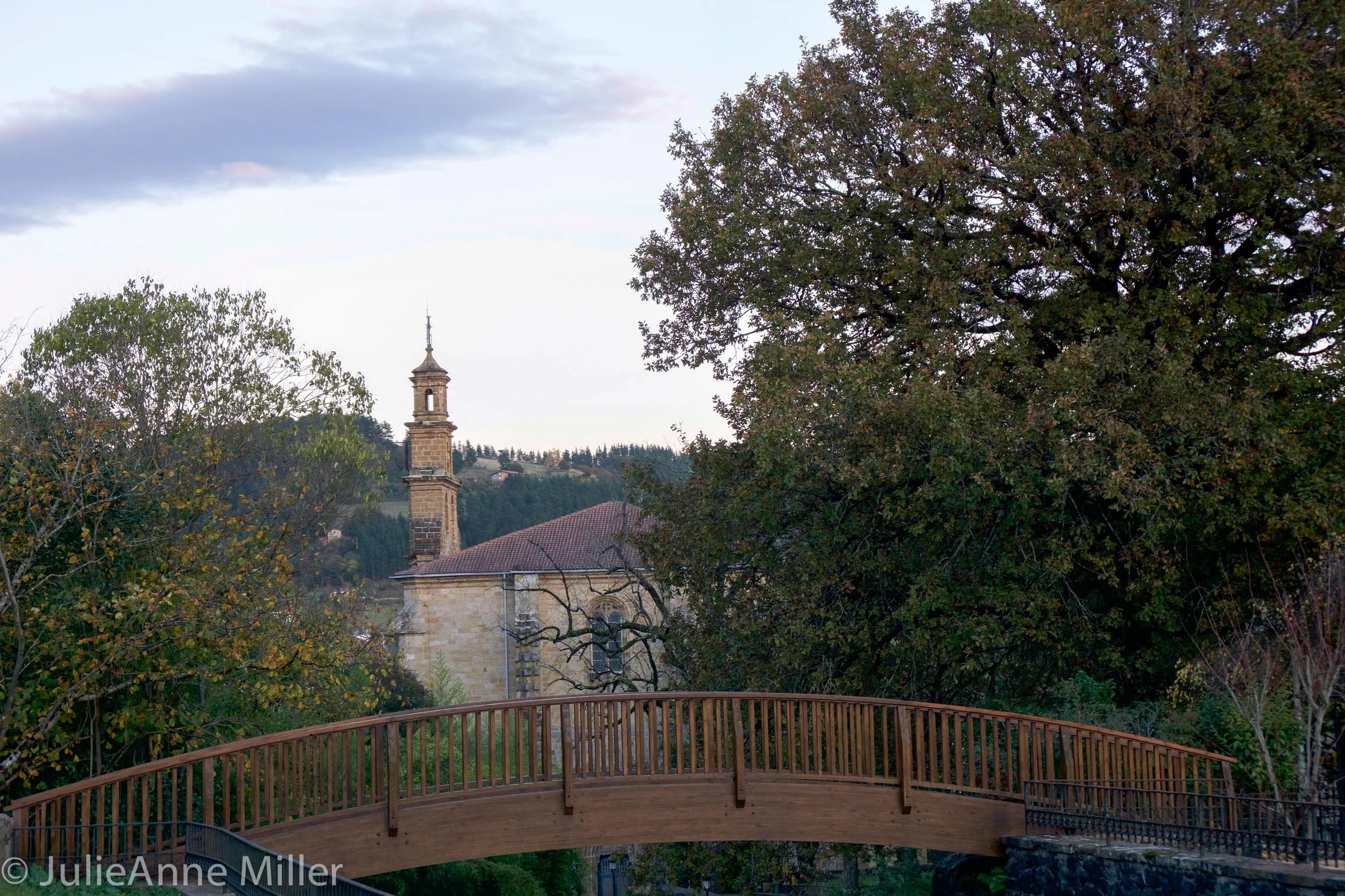
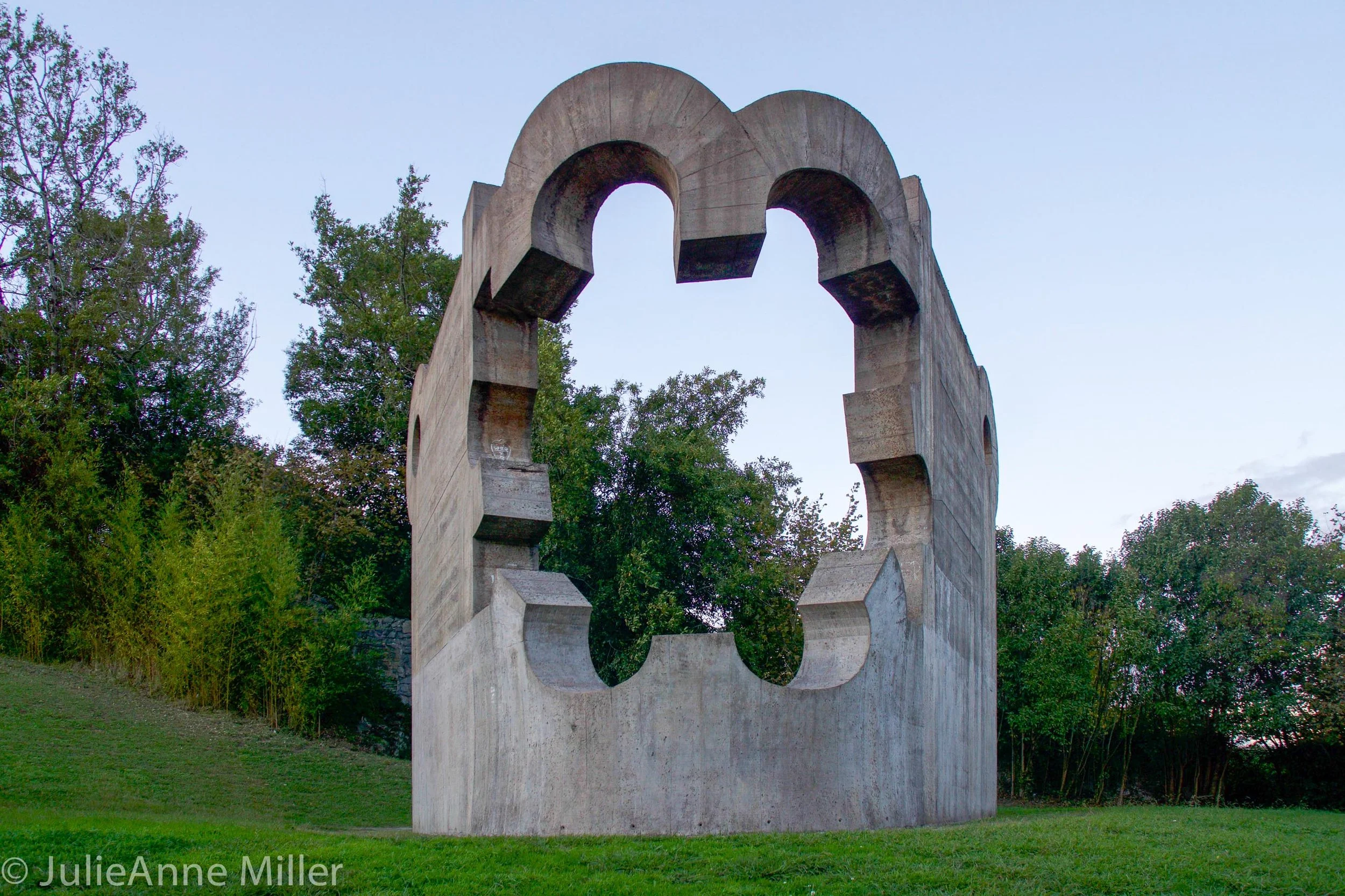
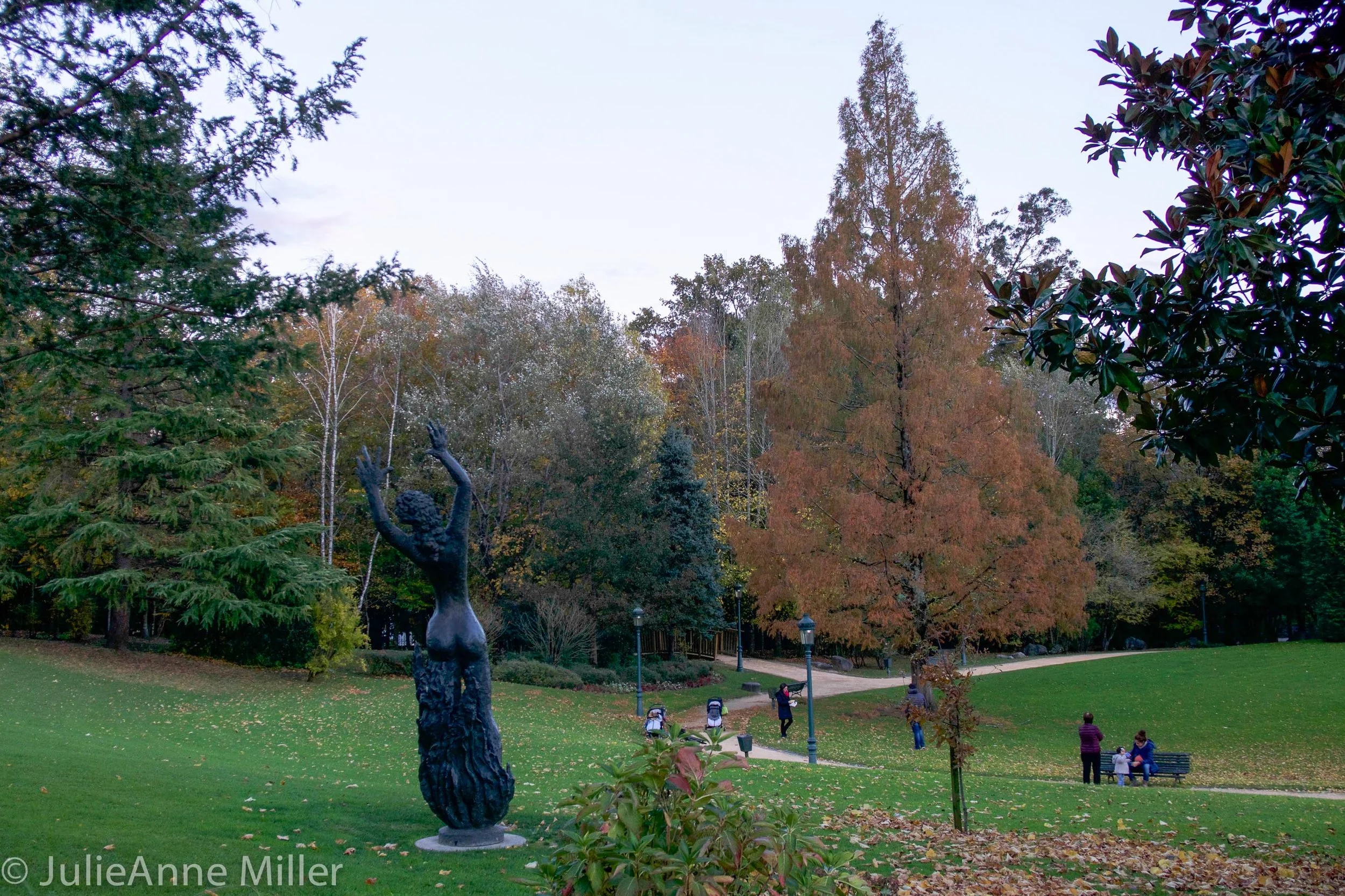
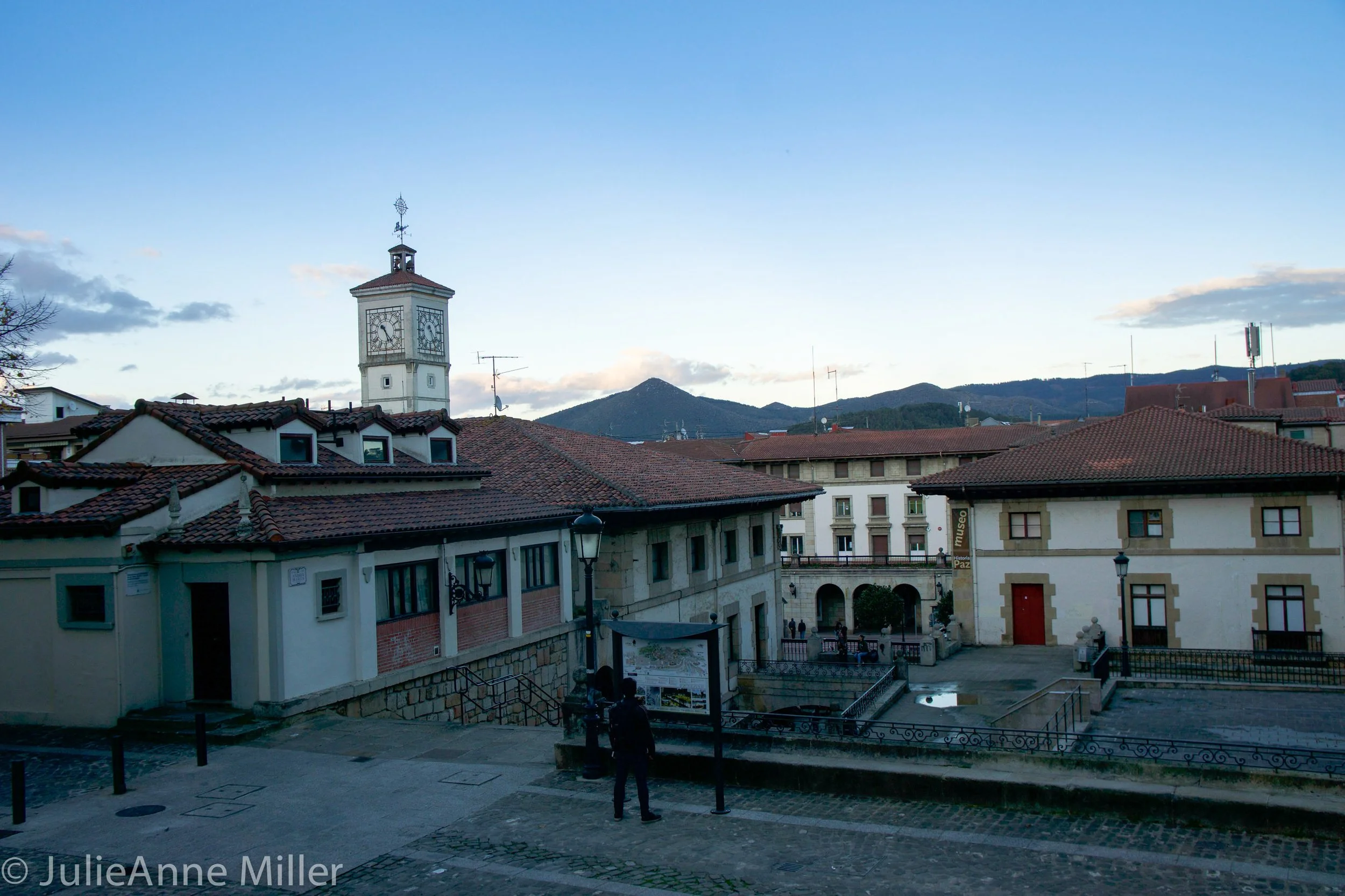
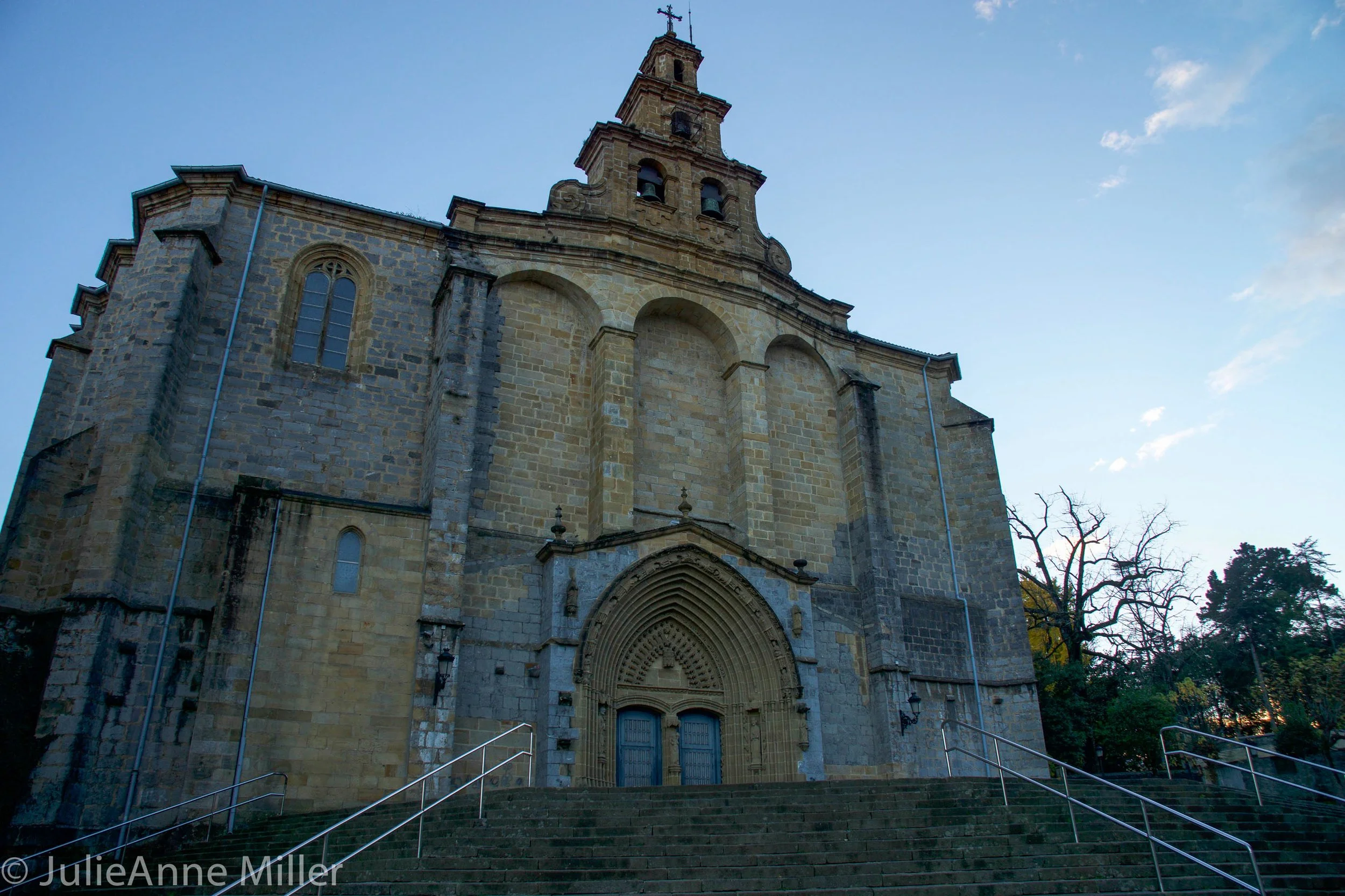
We wandered the town a bit, as travelers do—through the People’s Park, past memorial and artistic sculptures, even encountering a stretch of El Camino. But with a new understanding of what happened across time here in Guernica, the experience was no longer casual. We became introspective and a bit somber. Travel, I’ve learned, is not just about delighting in delicacies and dancing through dandelions. For me, the value of travel is that it teaches about the past… so that we can better understand the present… in order to strive for a better future. We, the people, must stay informed and never forget…