Ronda, Spain: Hemingway's Famous Cliff Scene from "For Whom the Bell Tolls"
To get a sense of place and history in preparation for our trip to southern Spain, I read For Whom the Bell Tolls by Ernest Hemingway. The background of the story is the Spanish Civil War (1936-1939), which pitted the Nationalists, who were aligned with Francisco Franco, against the Republicans, an ideologically diverse coalition primarily unified by opposition to fascism. Within the broader story of For Whom the Bell Tolls, a woman named Pilaf, fighting on the Republican side, recounts a chilling mass execution in a local village.
In Pilaf’s retelling, townspeople aligned with the Republican cause round up their neighbors accused of supporting Fascism. One by one, these prisoners are forced to walk between two lines of drunk and angry villagers, who jab them with pitchforks or beat them, jeering as they pass. At the end of the gauntlet, individuals are pushed off a cliff to their deaths. It’s a chilling tale of neighbor against neighbor, with spiteful violence fueled by fear, anger, and pent-up grievances.
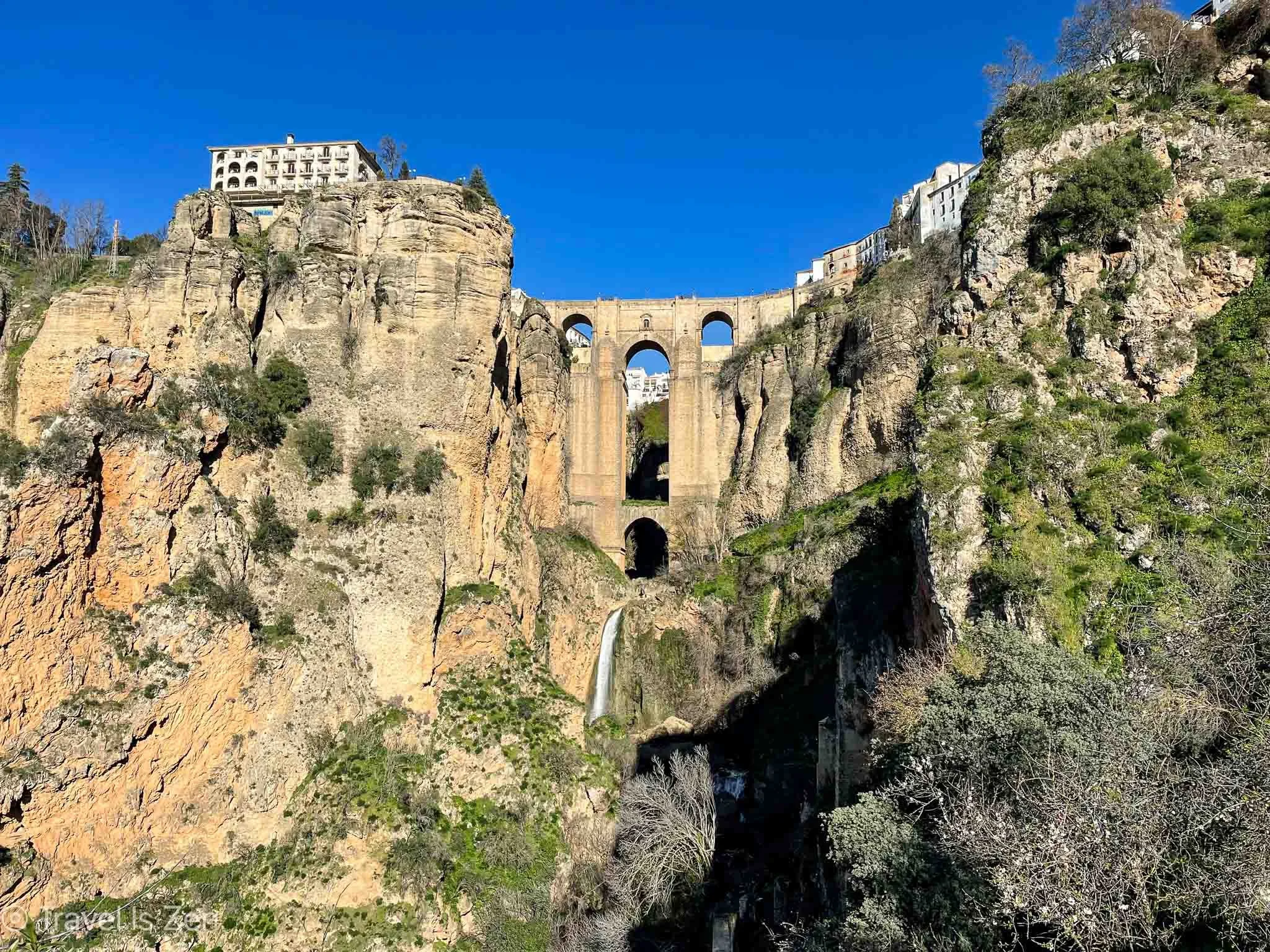
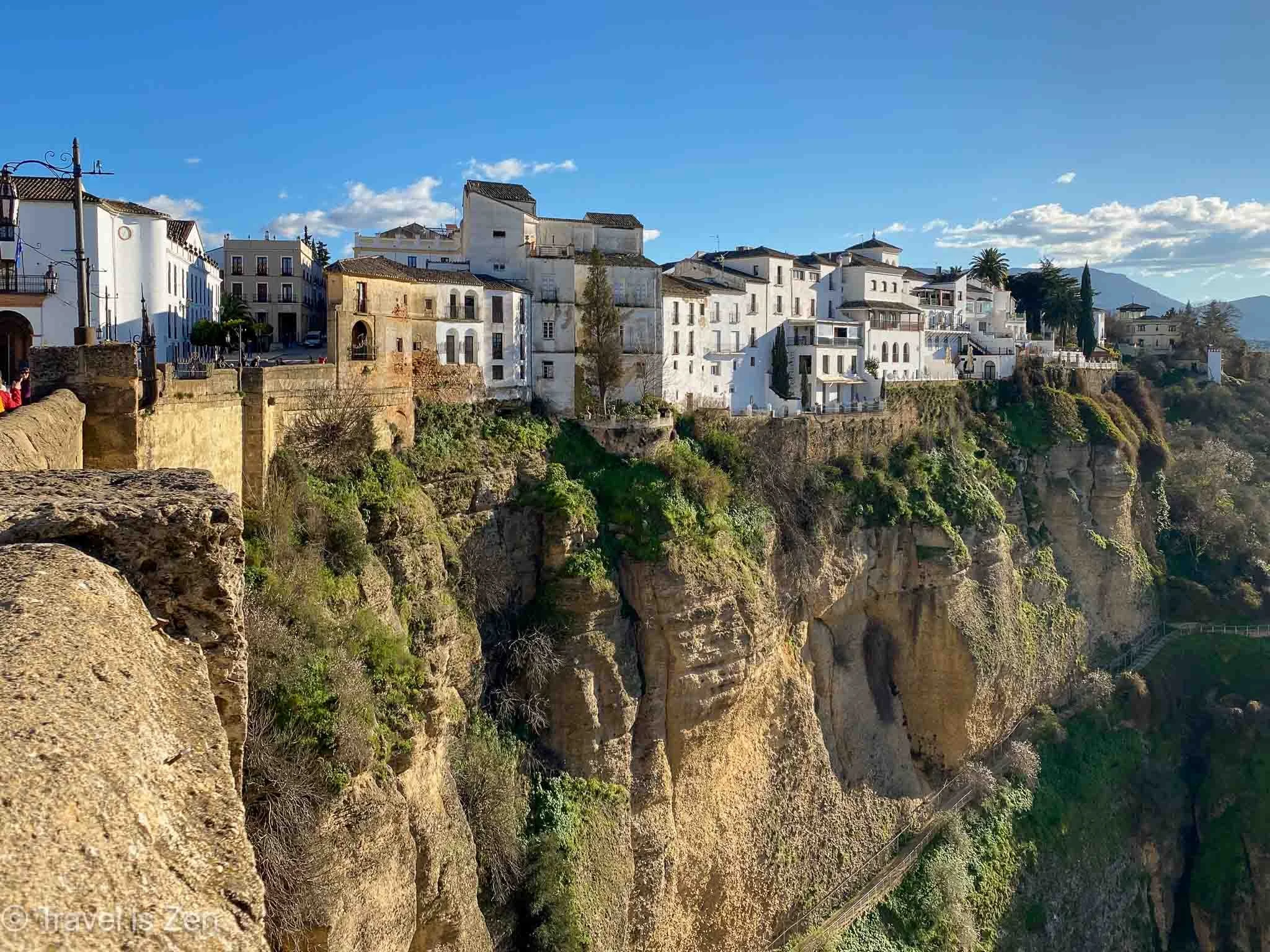
What makes the scene so powerful is not just its brutality, but its moral tension. Hemingway does not present the victims or the mob as faceless enemies; these are people who know each other and thus have moments of hesitation, tenderness, dignity and doubt. Neither the victims nor the mob are awarded the moral high ground; in fact, Pilaf’s point in telling the story is her acknowledgment of the moral reckoning that is to come when the dust clears. The inclusion of this “story within a story” is Hemingway deliberately making the anti-fascist reader feel uncomfortable that “the good side” is also committing horrific acts of violence. While the story itself is fictional, Hemingway likely drew inspiration for the scene during a visit to Ronda. And the depiction of townspeople turning on each other is drawn from real accounts of civil violence that occurred throughout Spain during the Spanish Civil War. Hemingway’s aim is to make the point that brutality unleashed by fear and anger during war morally corrupts both sides.
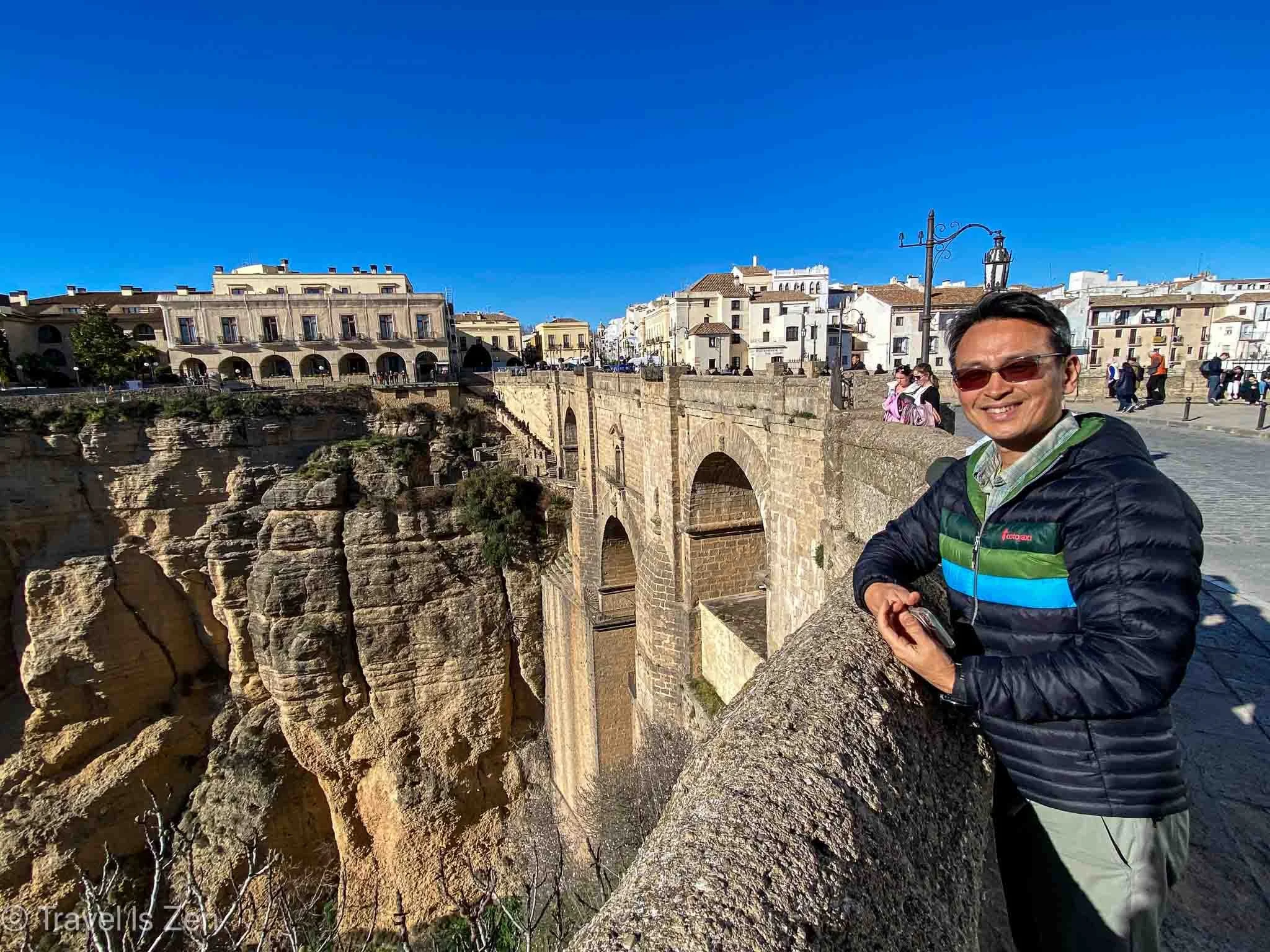
Puente Nueve
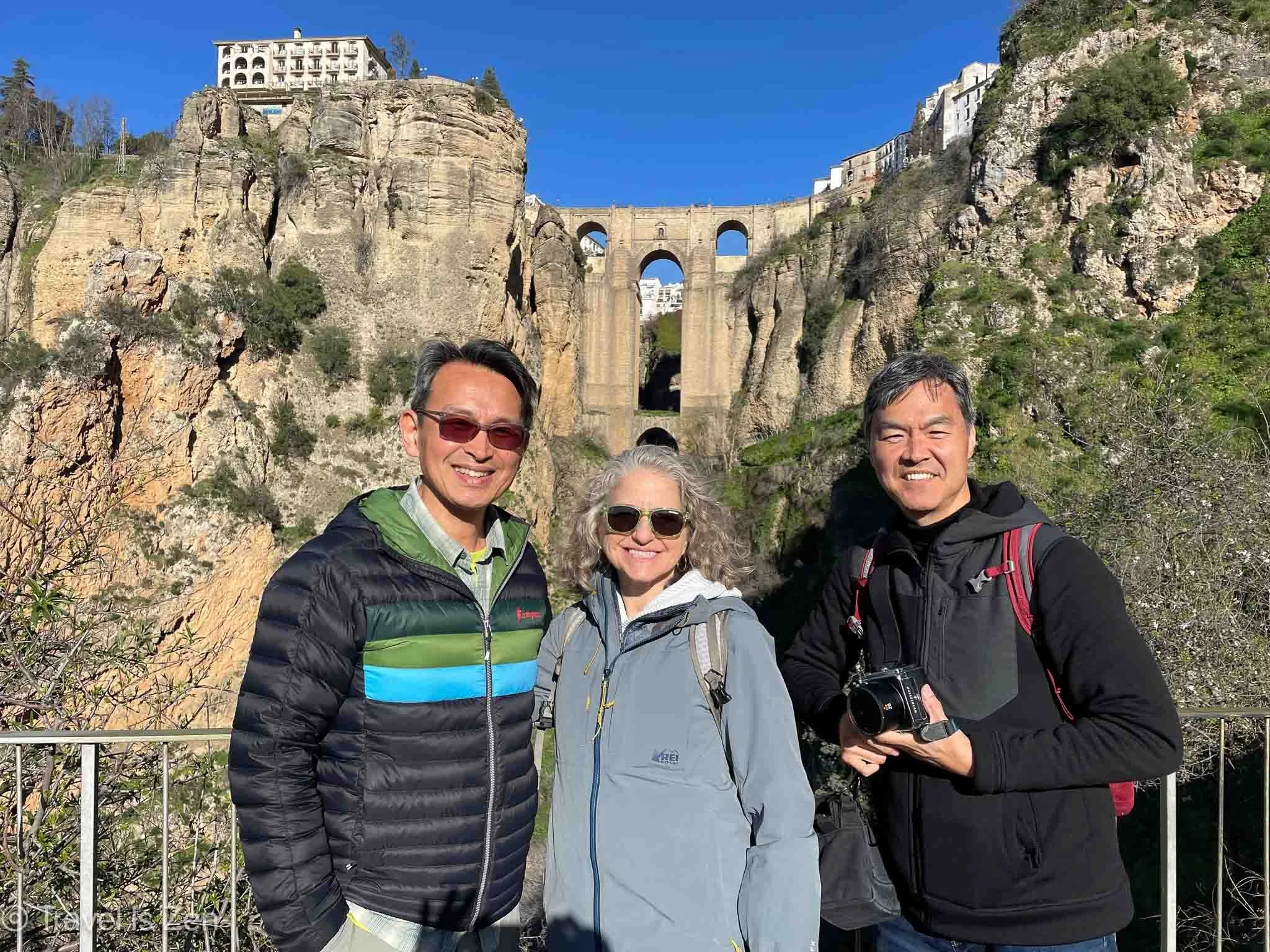
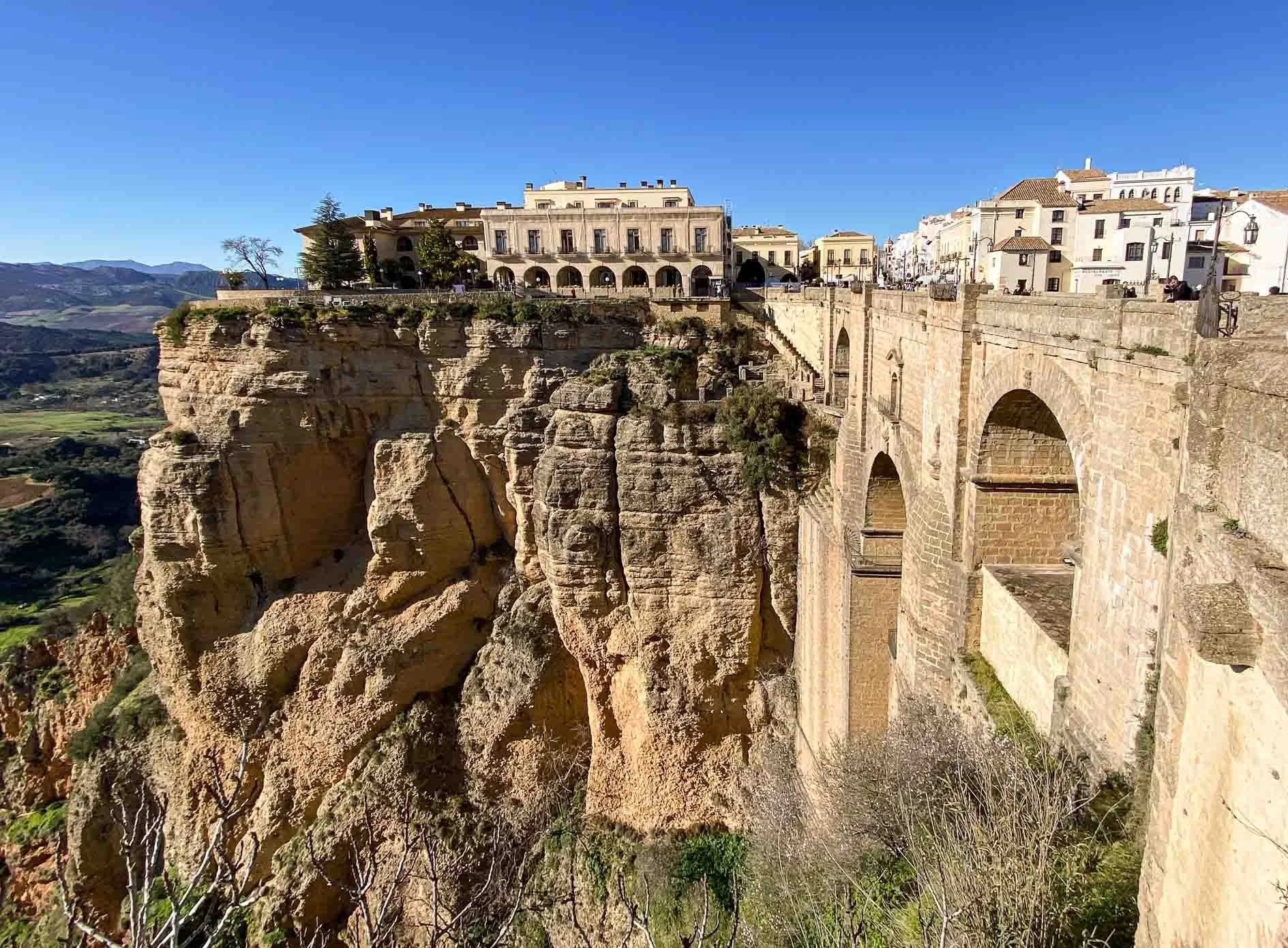
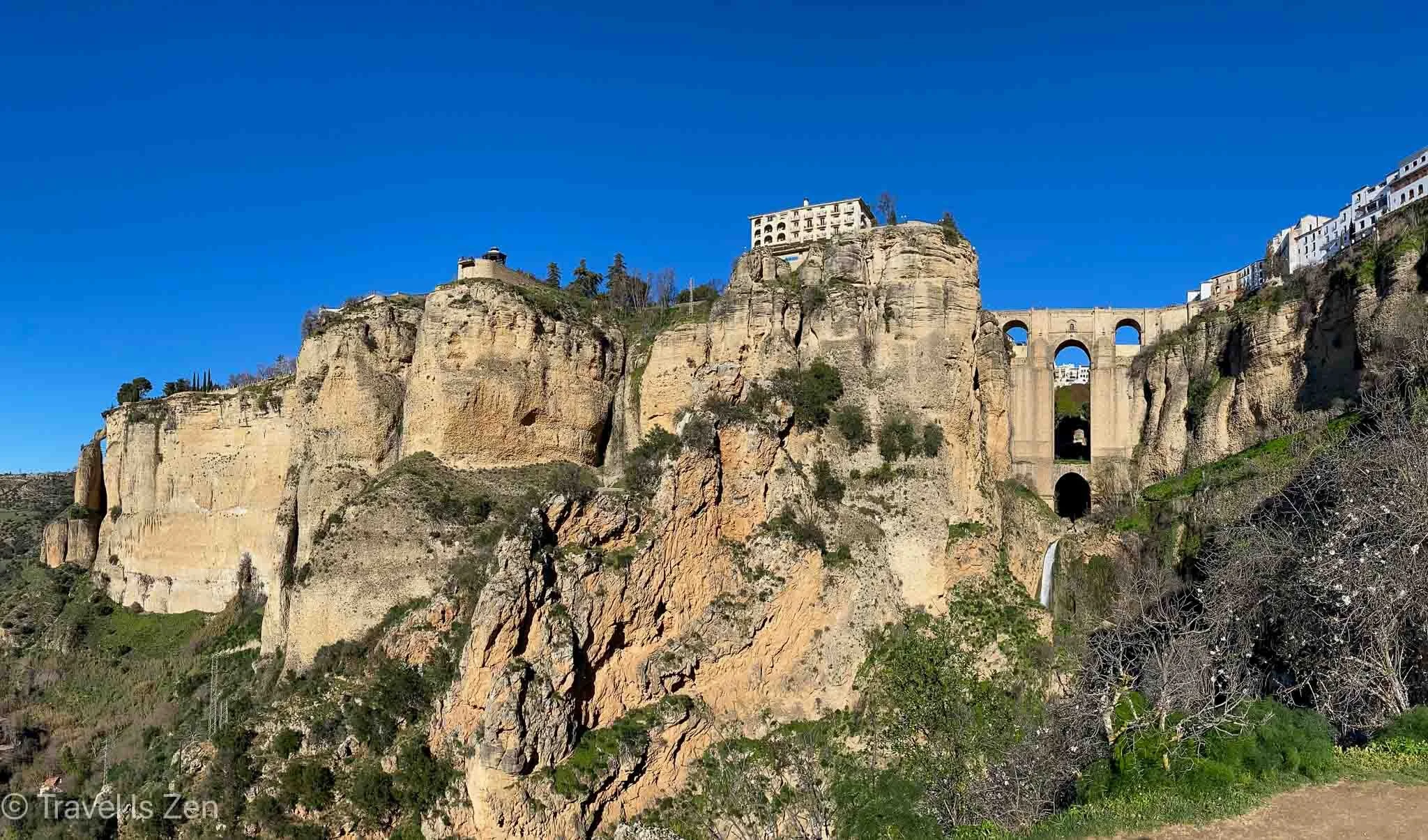
Besides the Hemingway connection, Ronda is worth a day trip from Seville just to see the massive Puente Nueve bridge spanning the El Tajo Gorge. Its current form was finished in 1793. To appreciate its full stature, we followed a wide concrete path down to a viewpoint several hundred feet below. From this vantage, we could see the Guadalevín River cascade over a steep drop in the canyon. We could also spy a small chamber above the middle arch that was once used (by both sides!) as a prison and torture chamber for captured opponents, with some unfortunate souls tossed into the chasm below.
Puente Nuevo, Ronda, Spain
Zahara de la Sierra
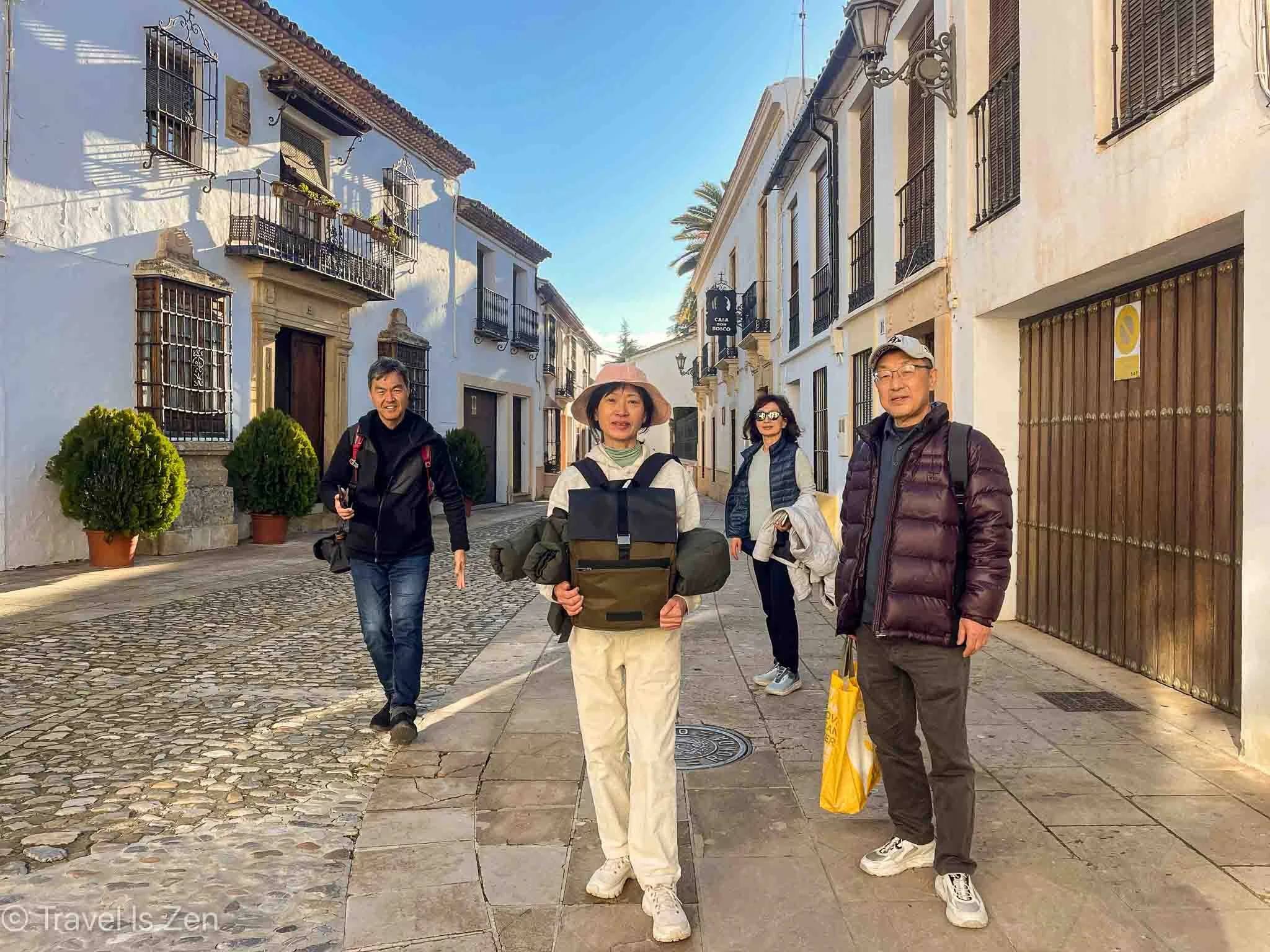
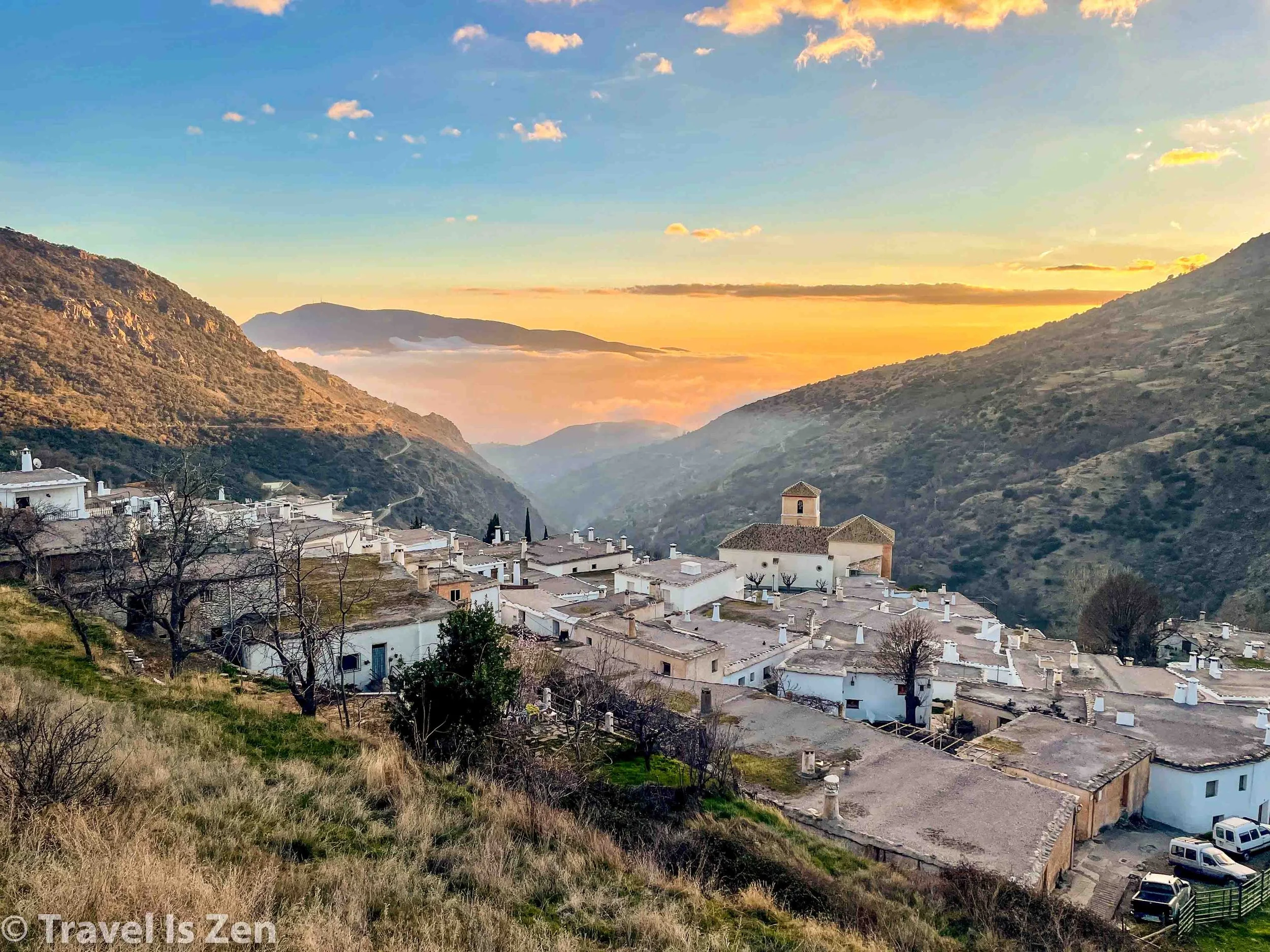
Our driving route to Ronda took us through the countryside, where we detoured for a leg stretch in Zahara de la Sierra. The stark-white village sits high above the valley, its road ascending in slow turns through the quiet landscape. We parked in a visitors garage at the top of an uncomfortably narrow cobble stone road and followed the arrows to a scenic overlook. The secret to the town’s longevity was obvious: everything could be seen in the vast skirt of territory below the town. A sneak attack would be impossible!
Click any photo for a larger slideshow…
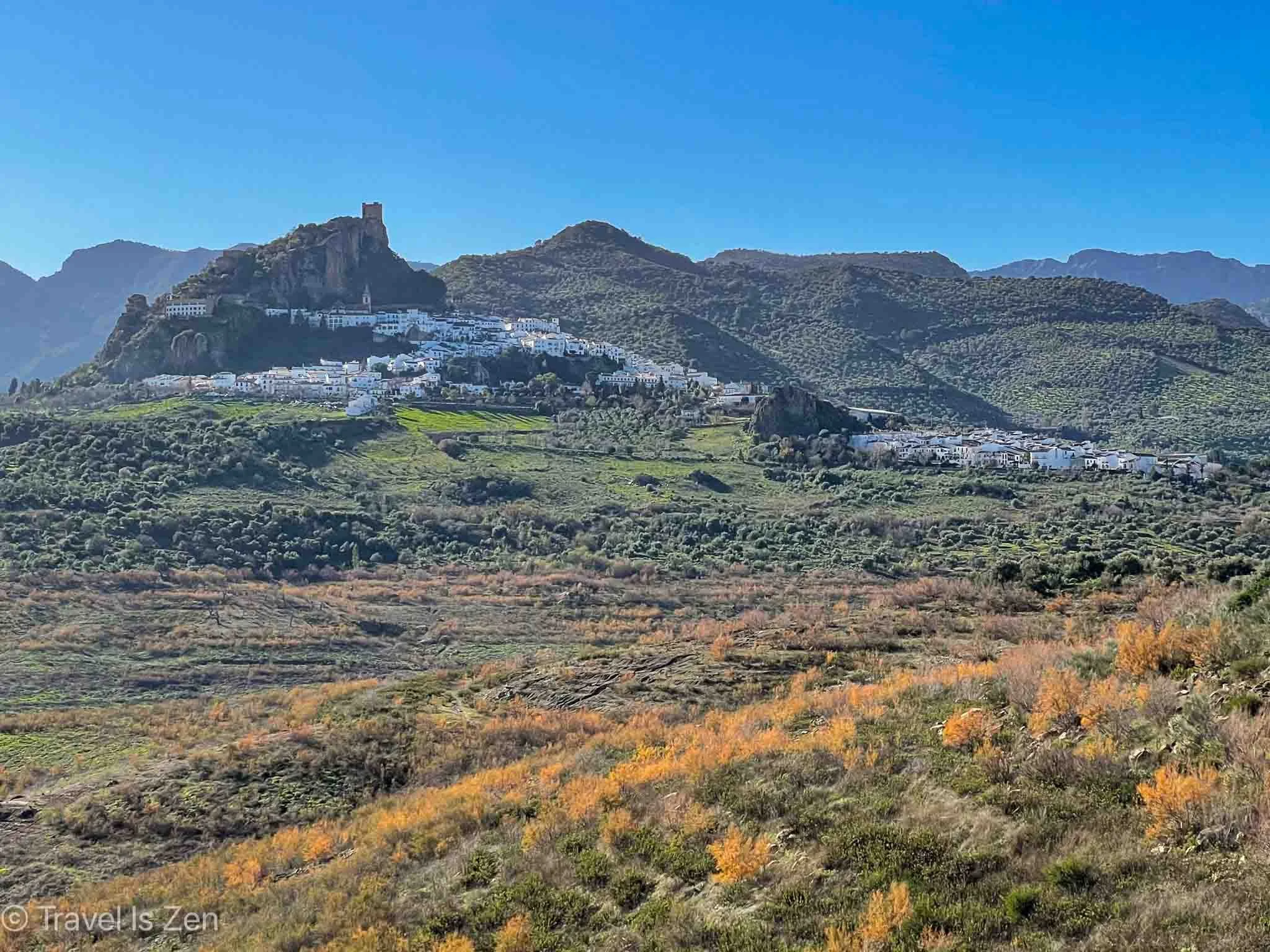
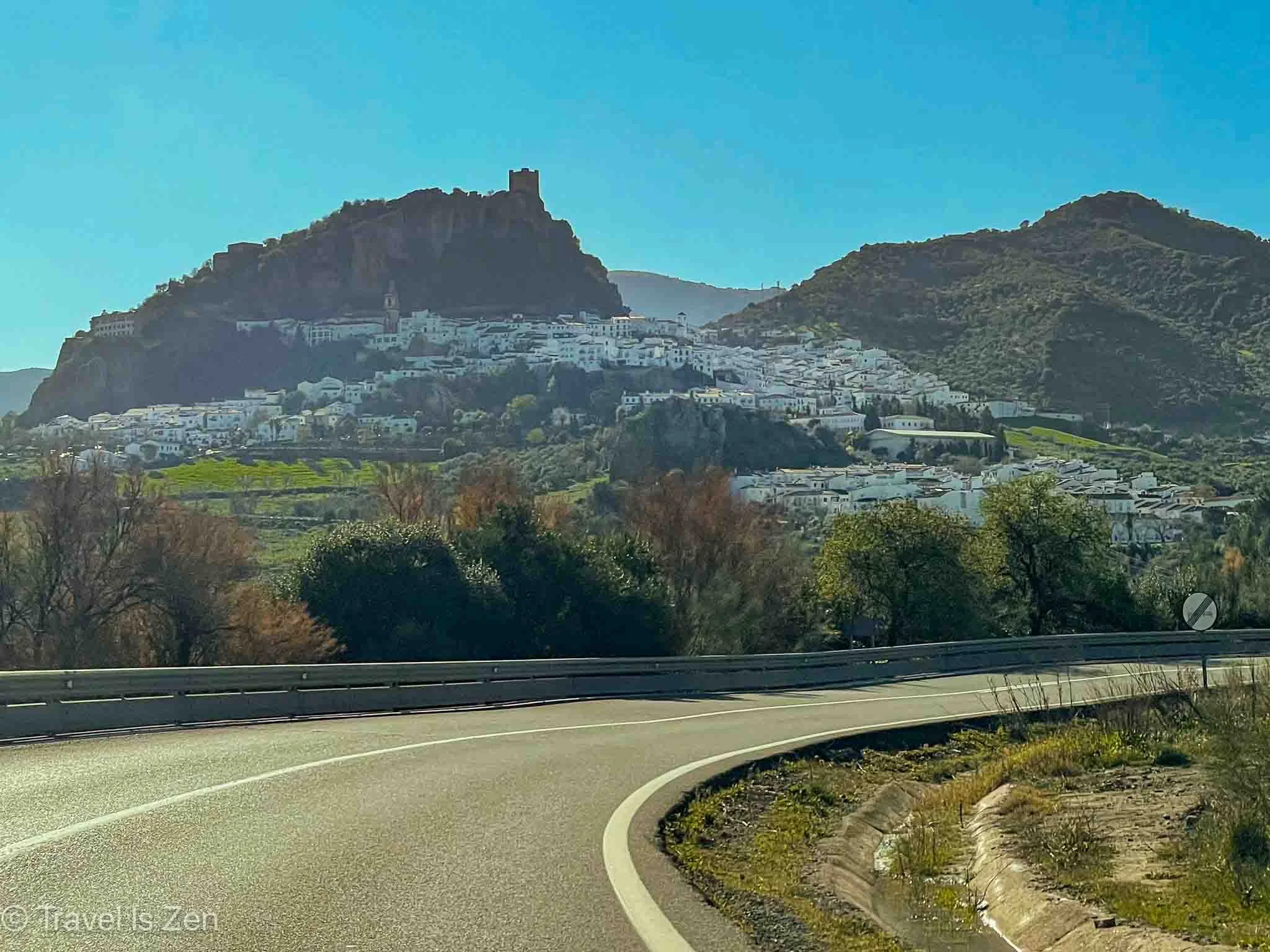
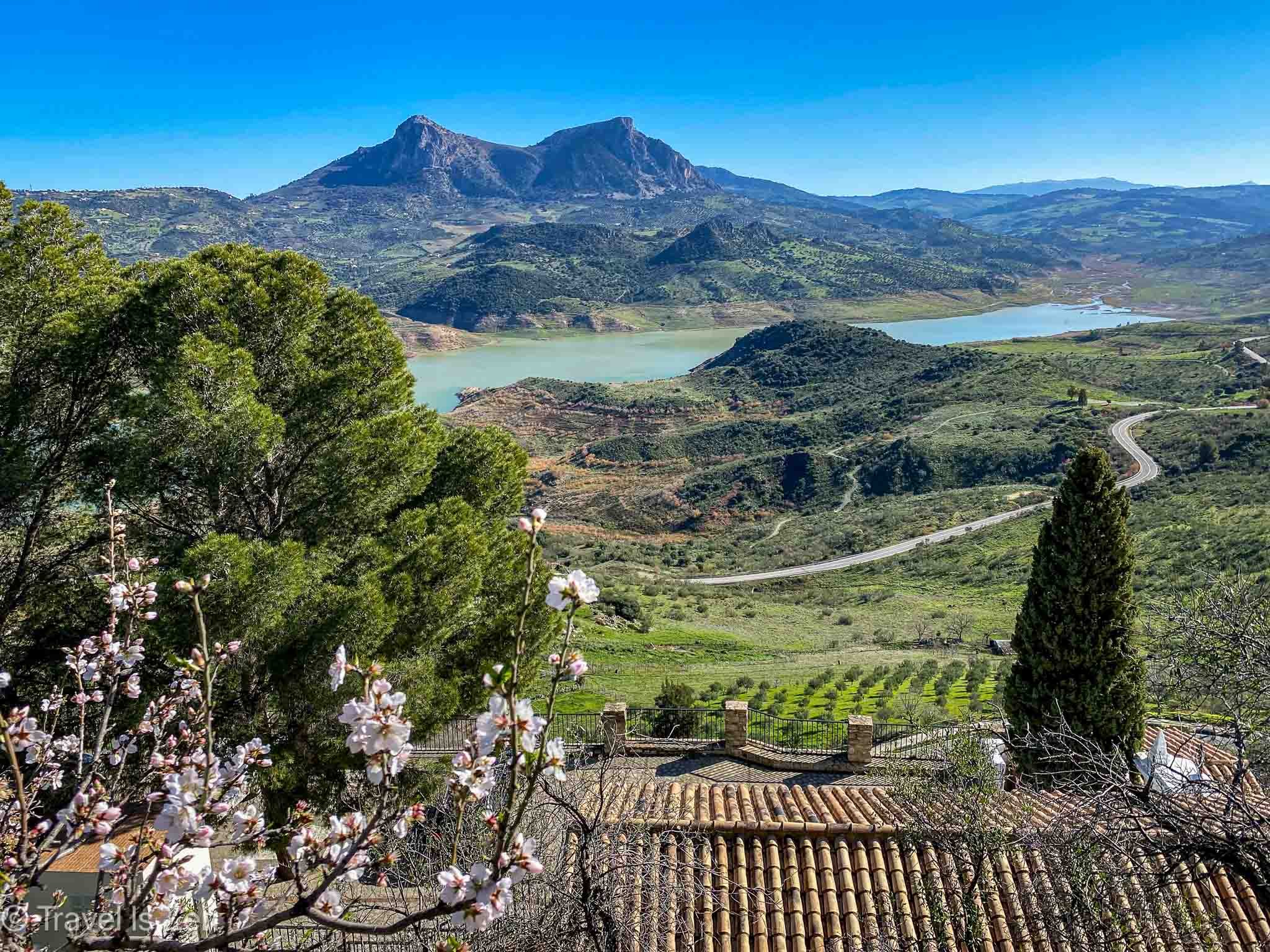
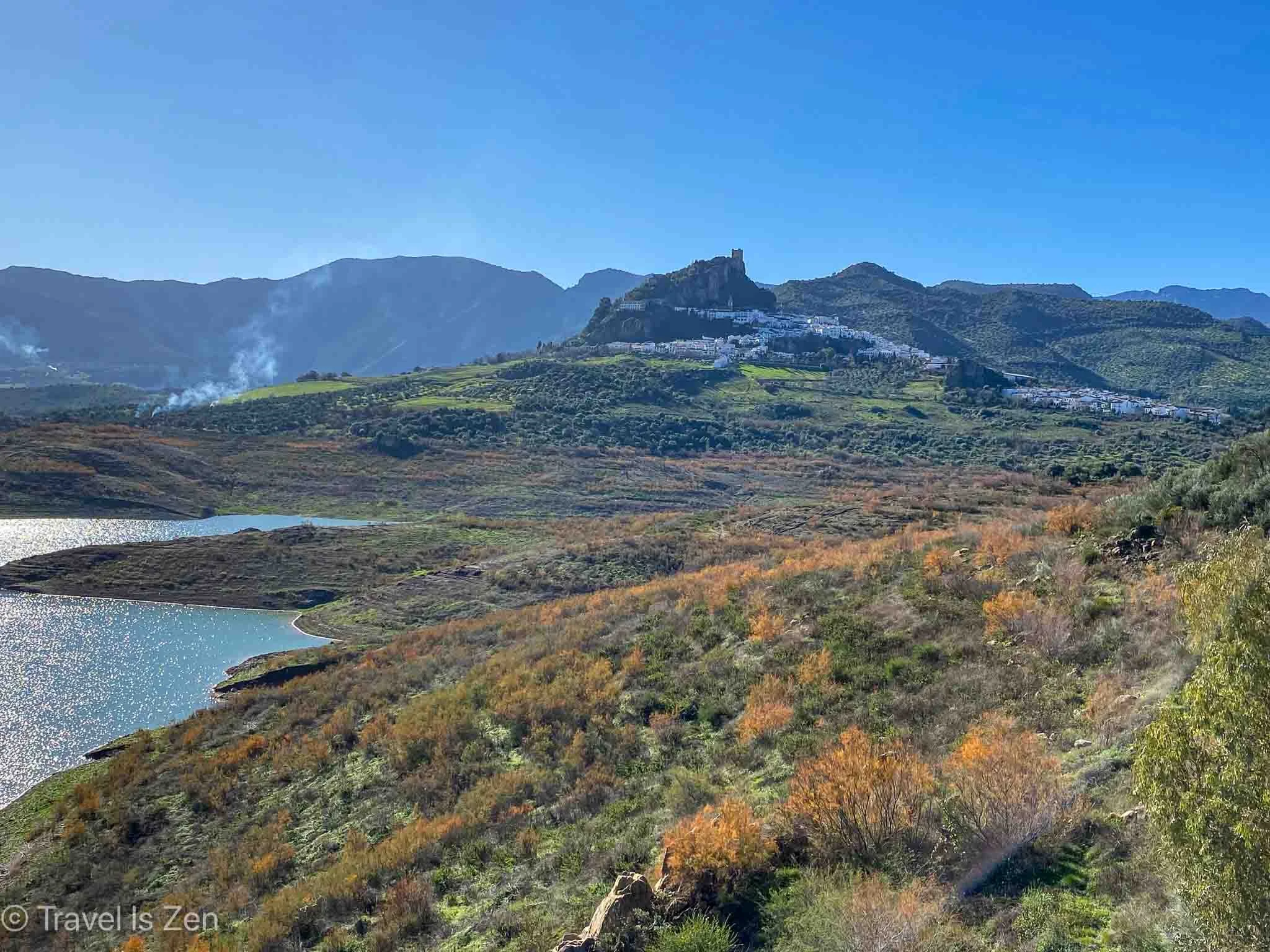
The main point of interest in Zahara de la Sierra is the castle perched at the summit of the city, which we approached on foot after passing through the main square and its tidy little church. Pay the small entrance fee to see the castle up close, as it’s worth a few coins to step back into a medieval era. Inside the tower are displays showing what life would have been like circa 1300 A.D. Originally built by the Nasrid Kingdom in the 1200s, the castle was conquered and changed hands a few times throughout the 1400s, ultimately falling into Christian hands. The museum is excellent, providing lots of signage in English.
Click any photo for a larger slideshow…
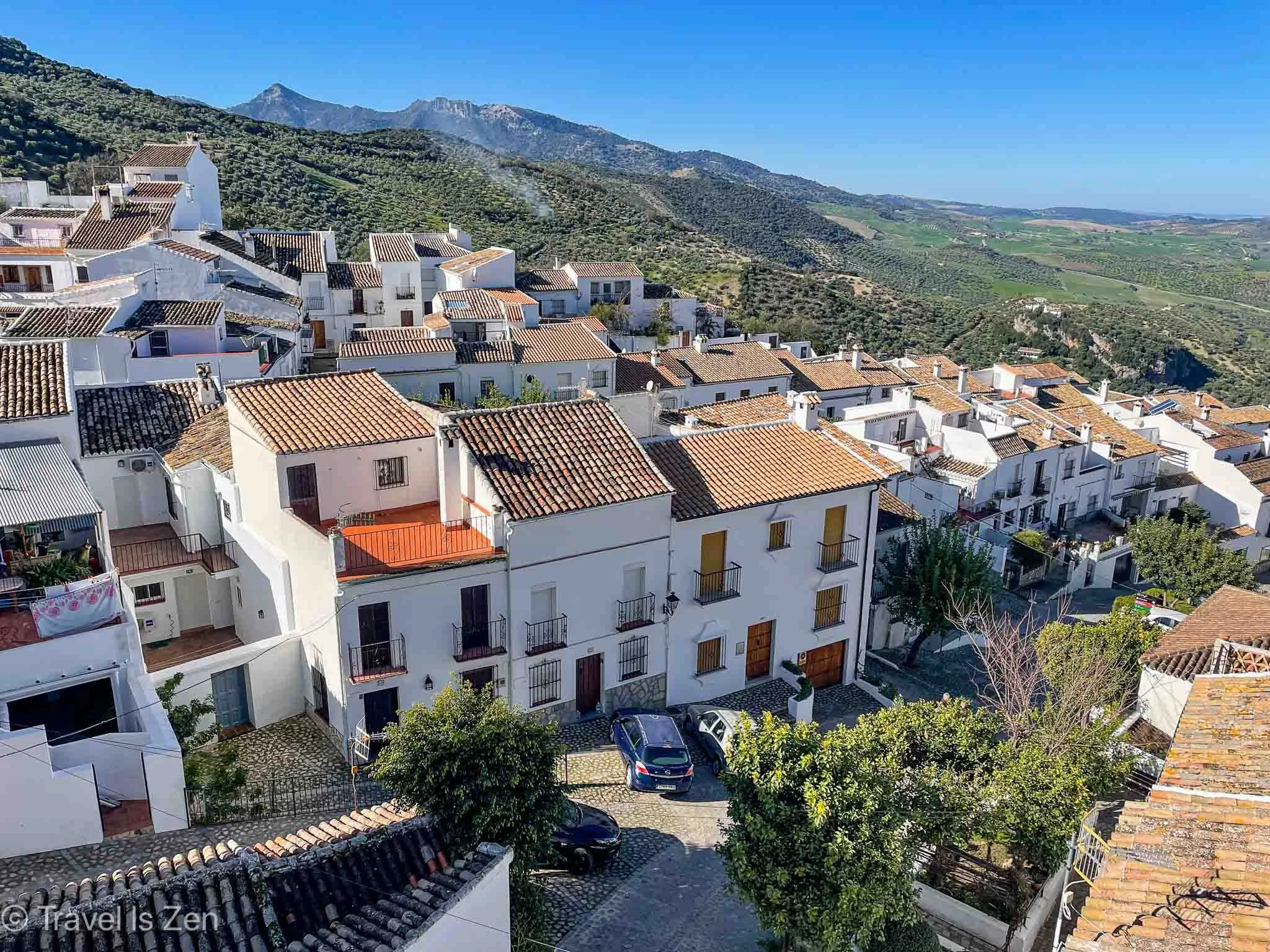
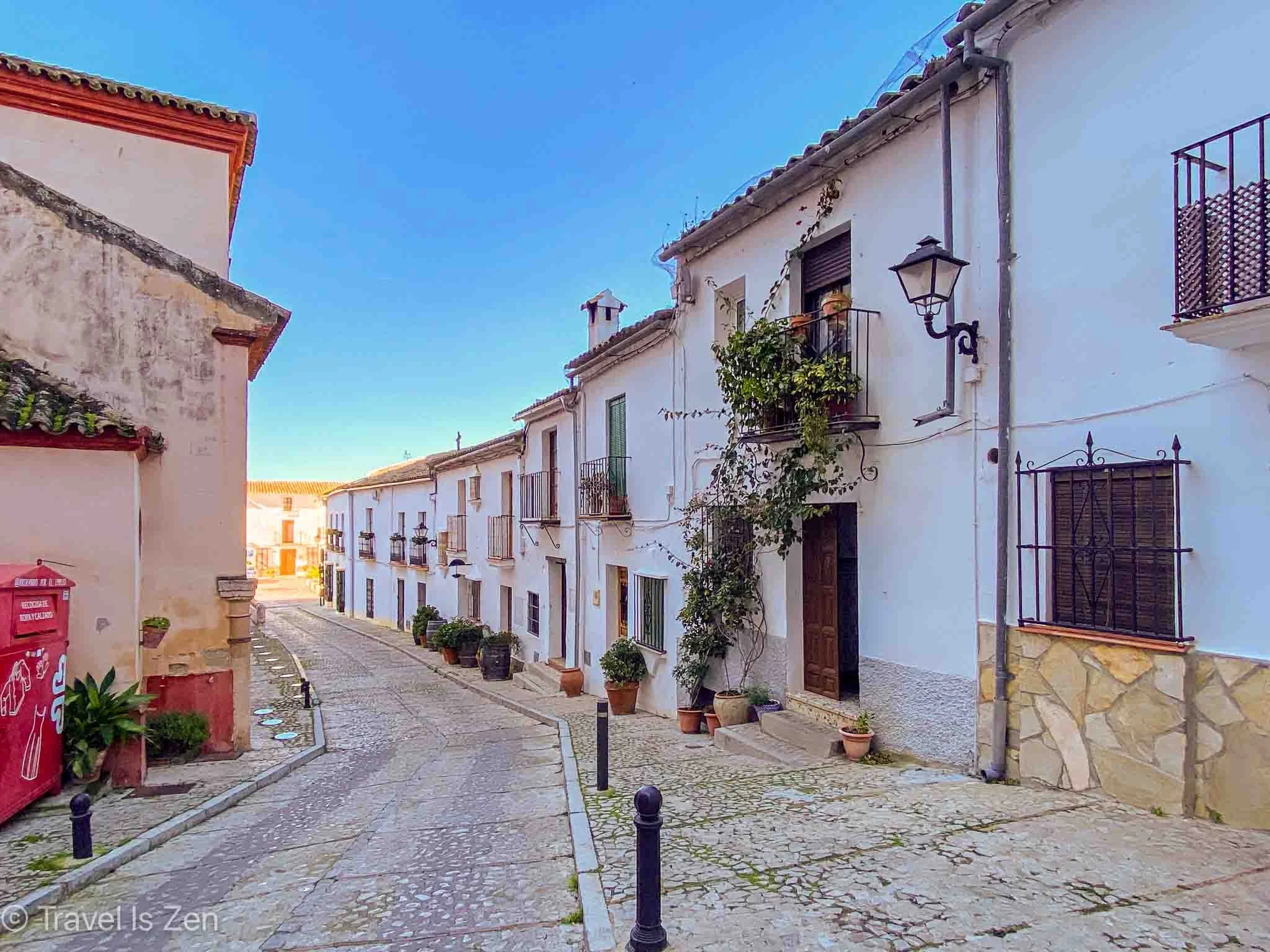
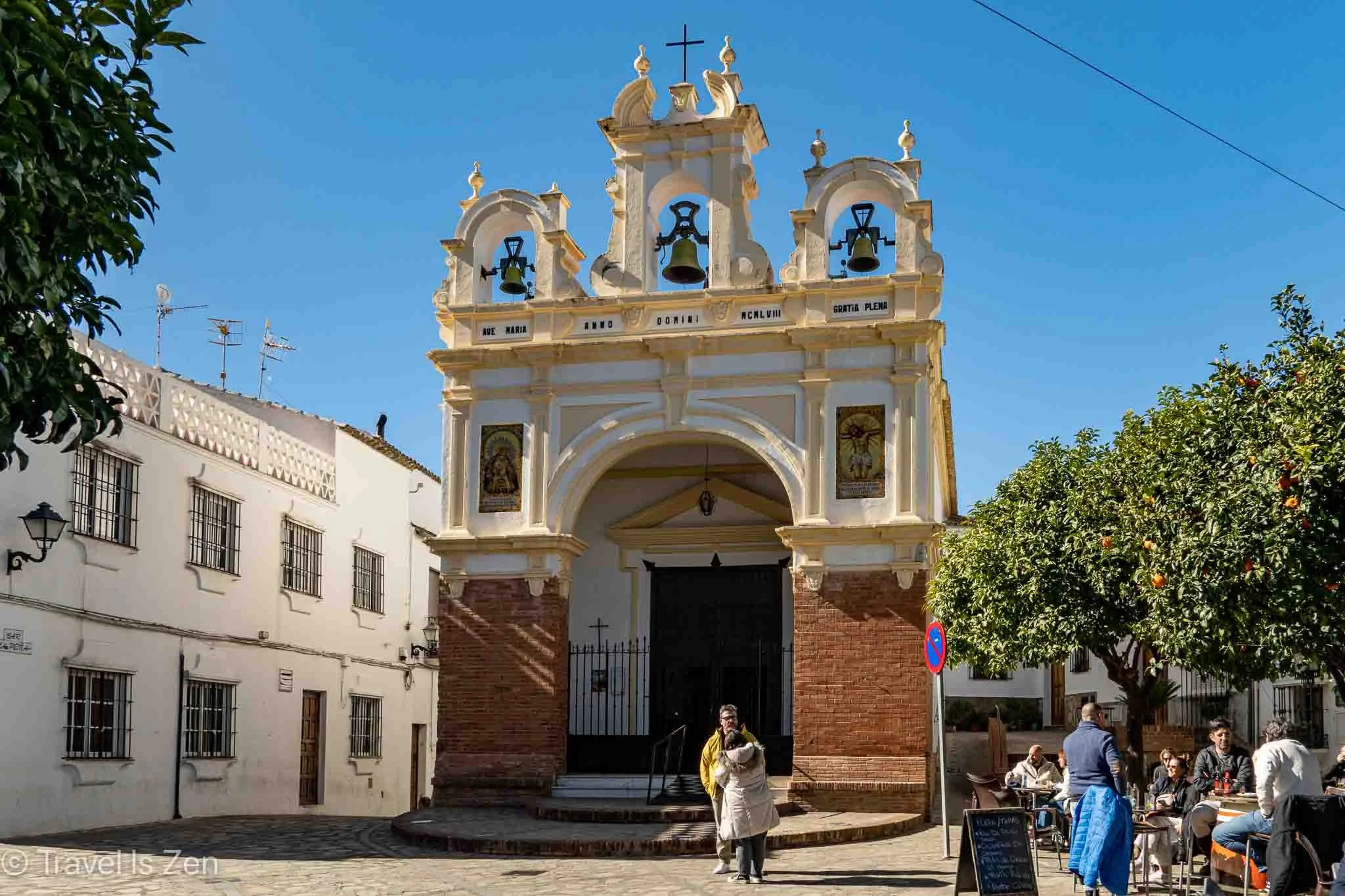
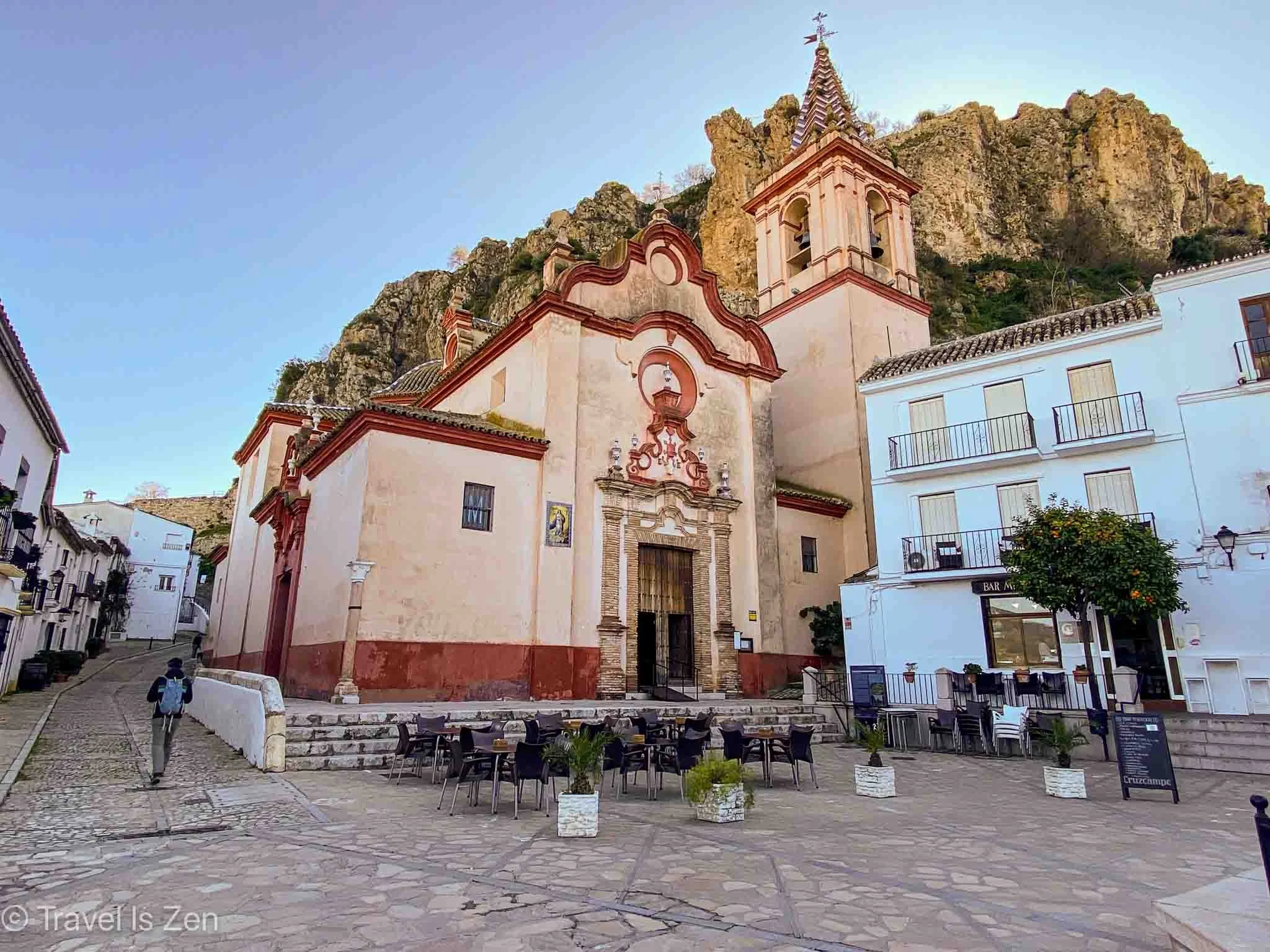
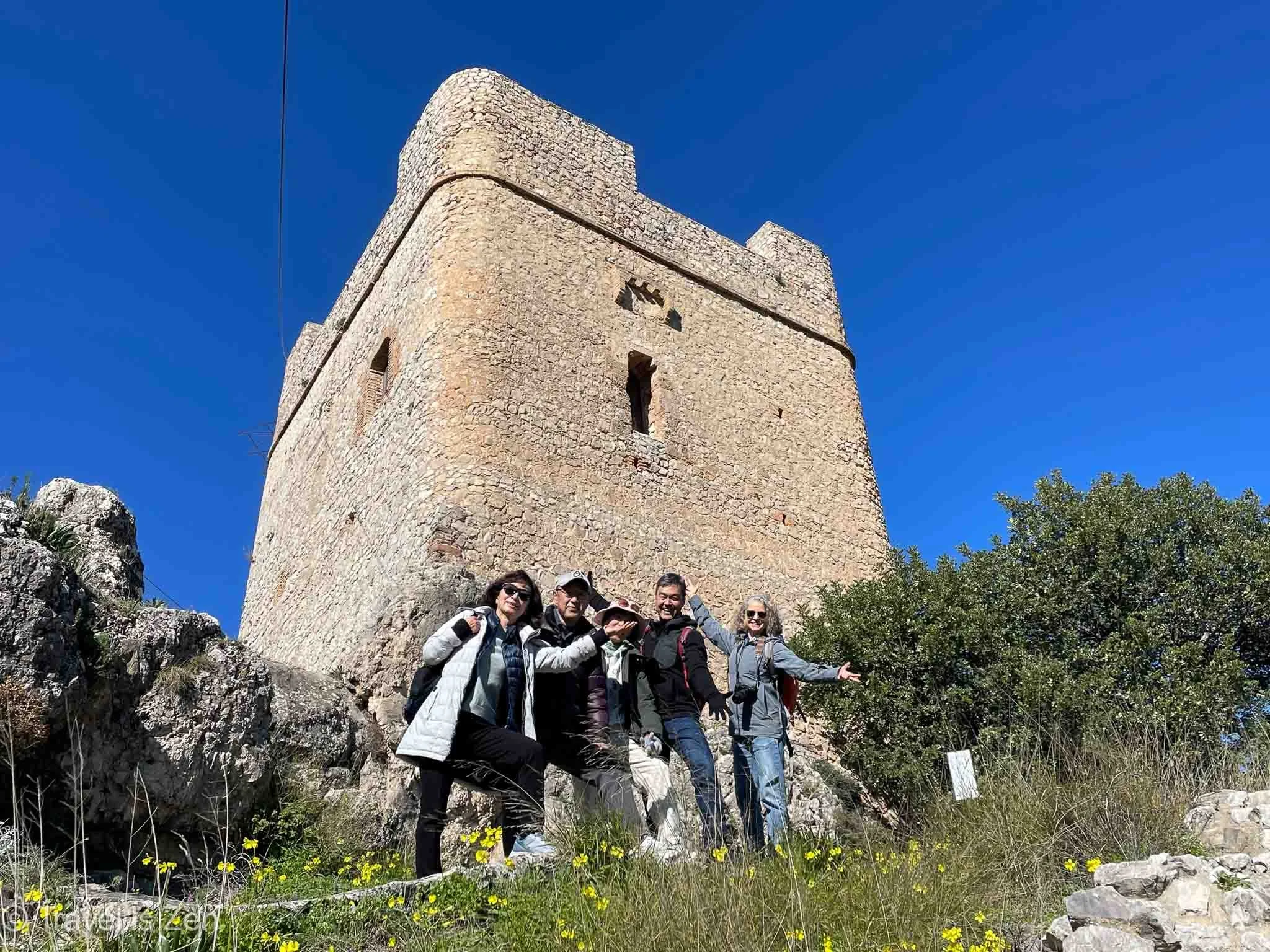
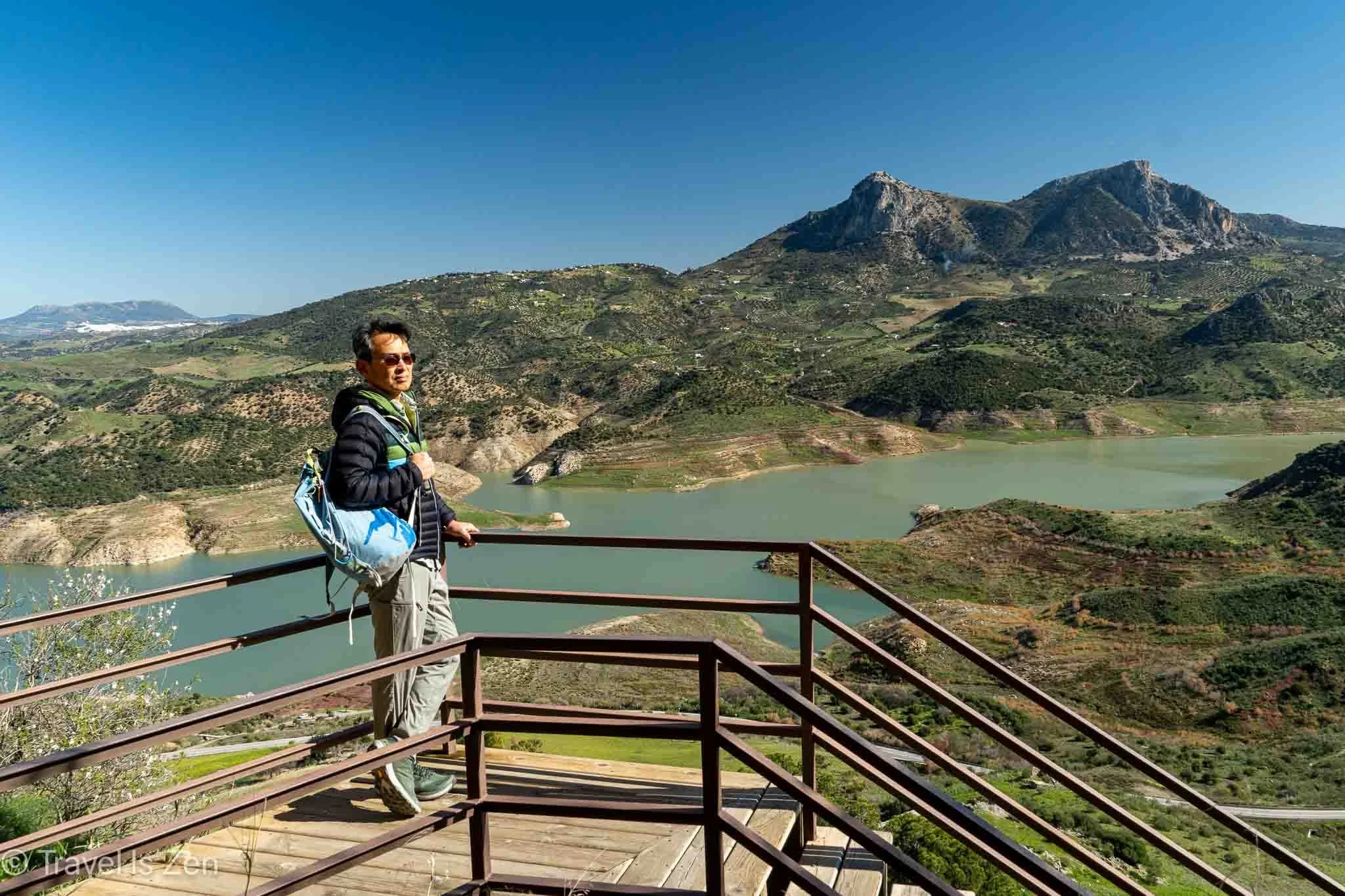
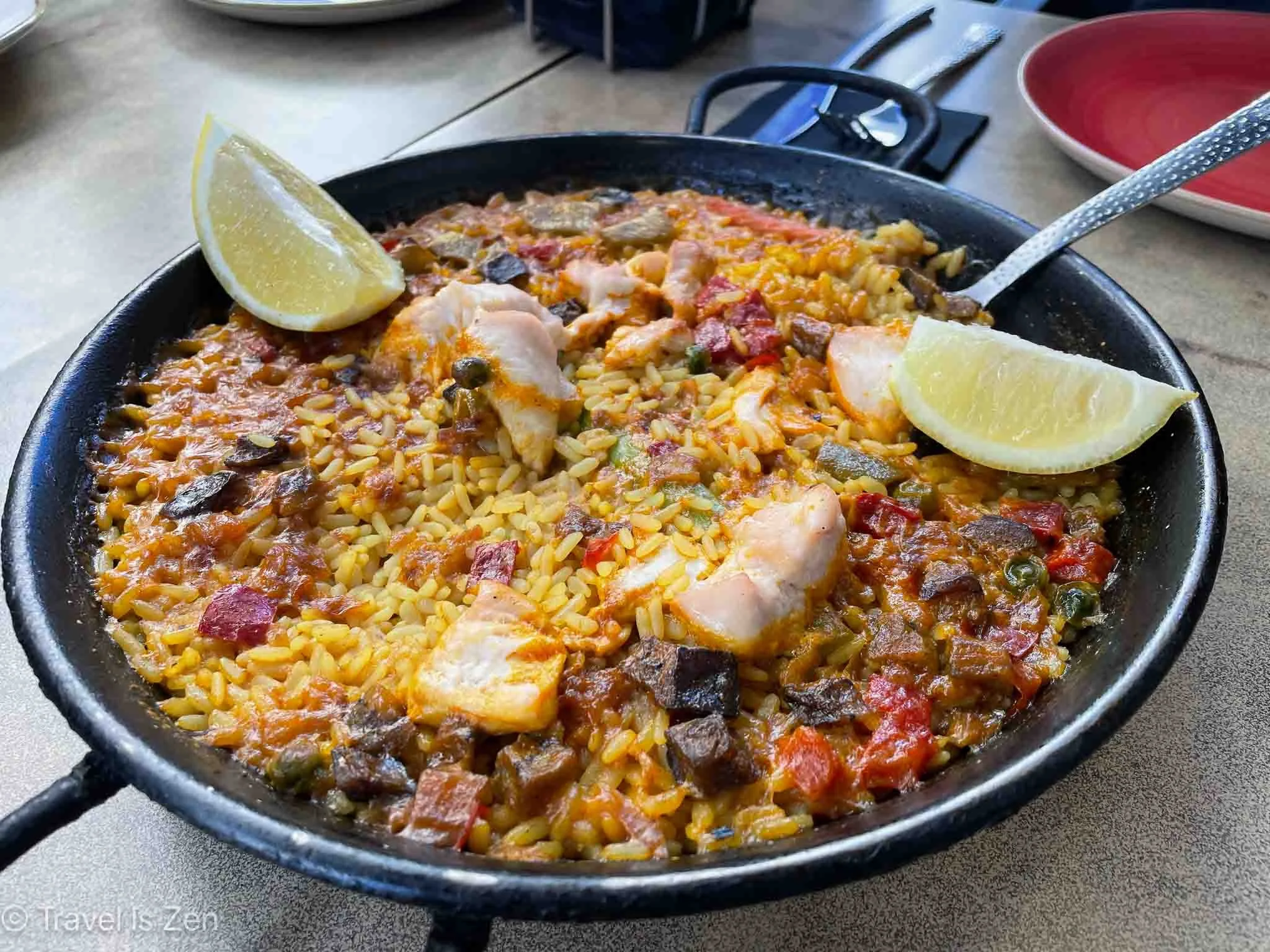
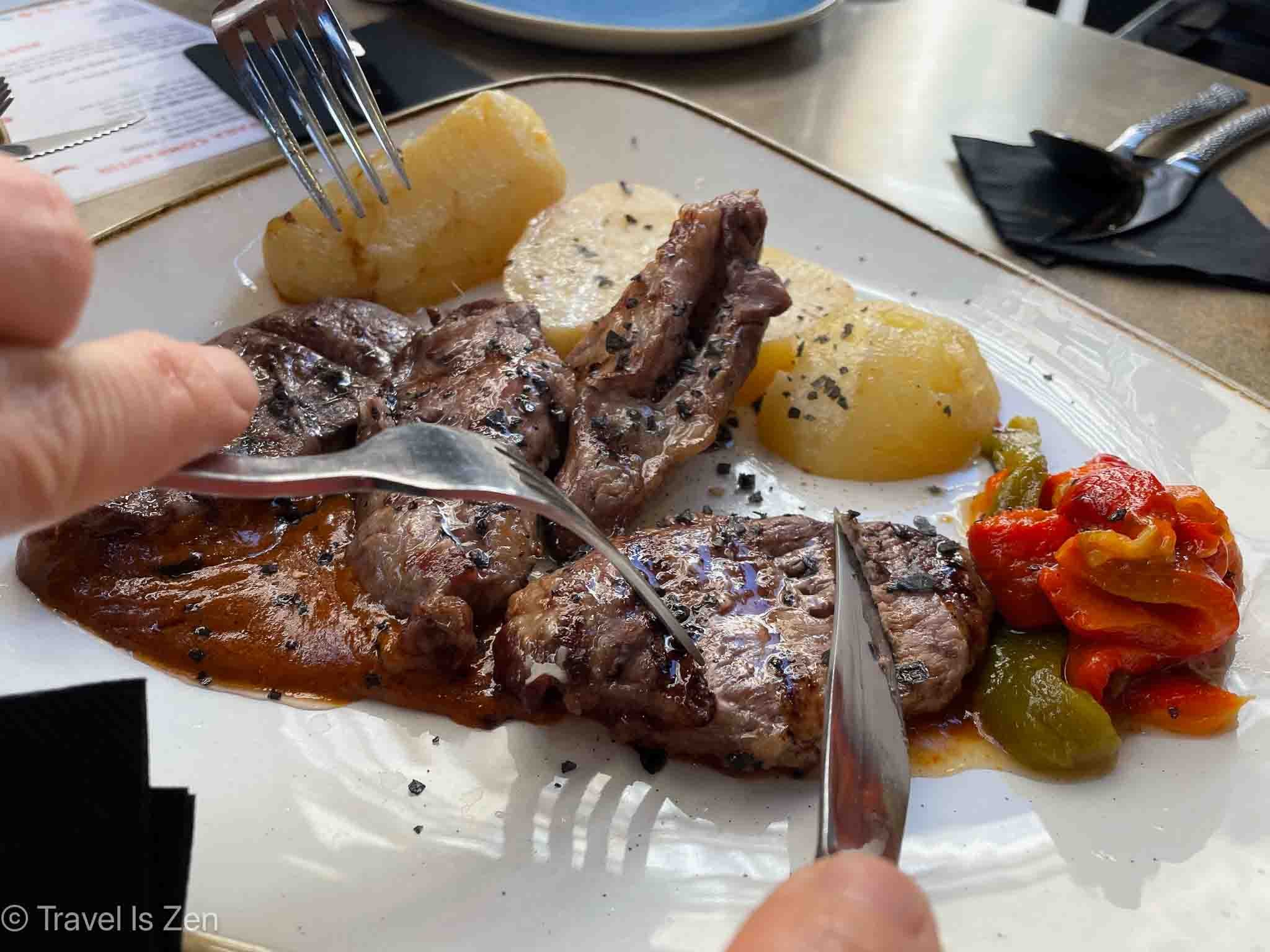
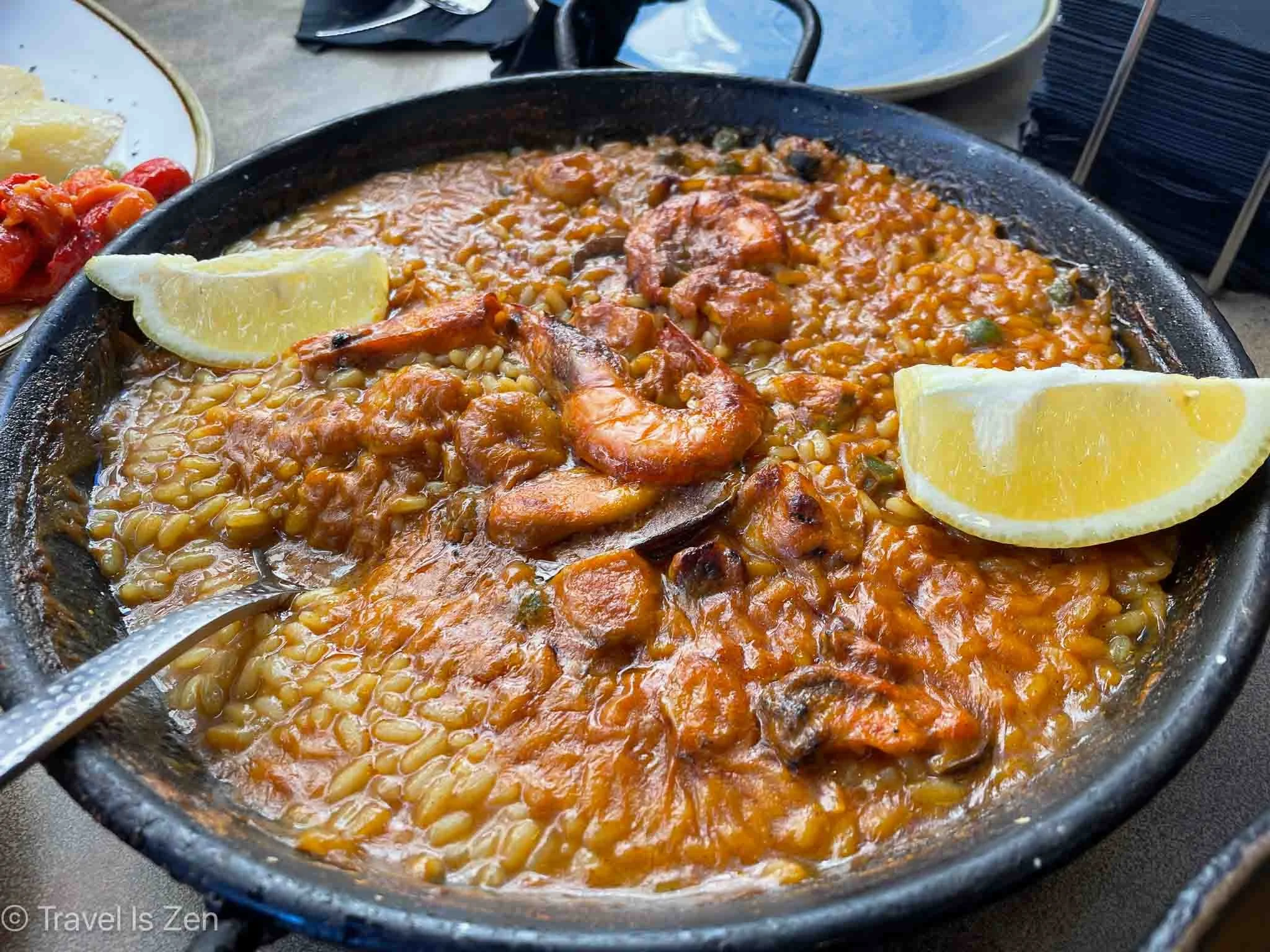
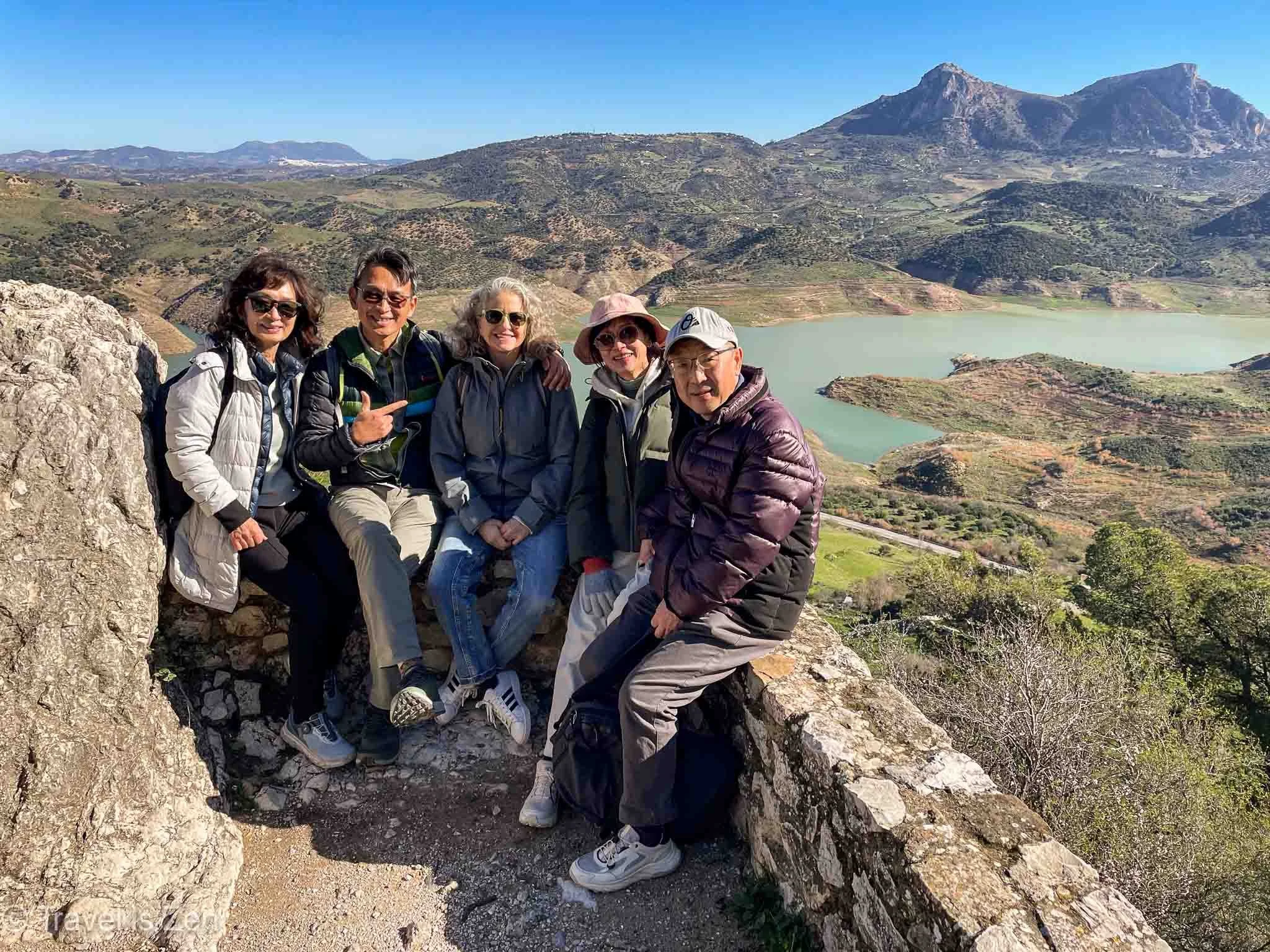
The views from the top of the tower encompass the man-made Zahara reservoir and the Sierra de Grazalema Natural Park. This area is one of the rainiest in the Iberian Peninsula, which explains all the lush green! Our family roadtrip from Seville to Ronda, with a stop in Zahara de la Sierra, was an all day affair, but well worth it to see some of the countryside outside of the Andalusian cities. The day brought to life the setting of Hemingway’s story. And, of course, sampling the regional cuisine made it all the more “tangible”.