Hiking in the White Towns of Spain's Southern Sierra Nevada
Beyond the impressive walls of the Alhambra in Granada lies something grander, wilder, and more enduring: the Sierra Nevada mountains. Strolling along the winding, stone-tiled pathways and grand plazas of Granada, the snow-capped peaks of Mt. Mulhacén beckoned.
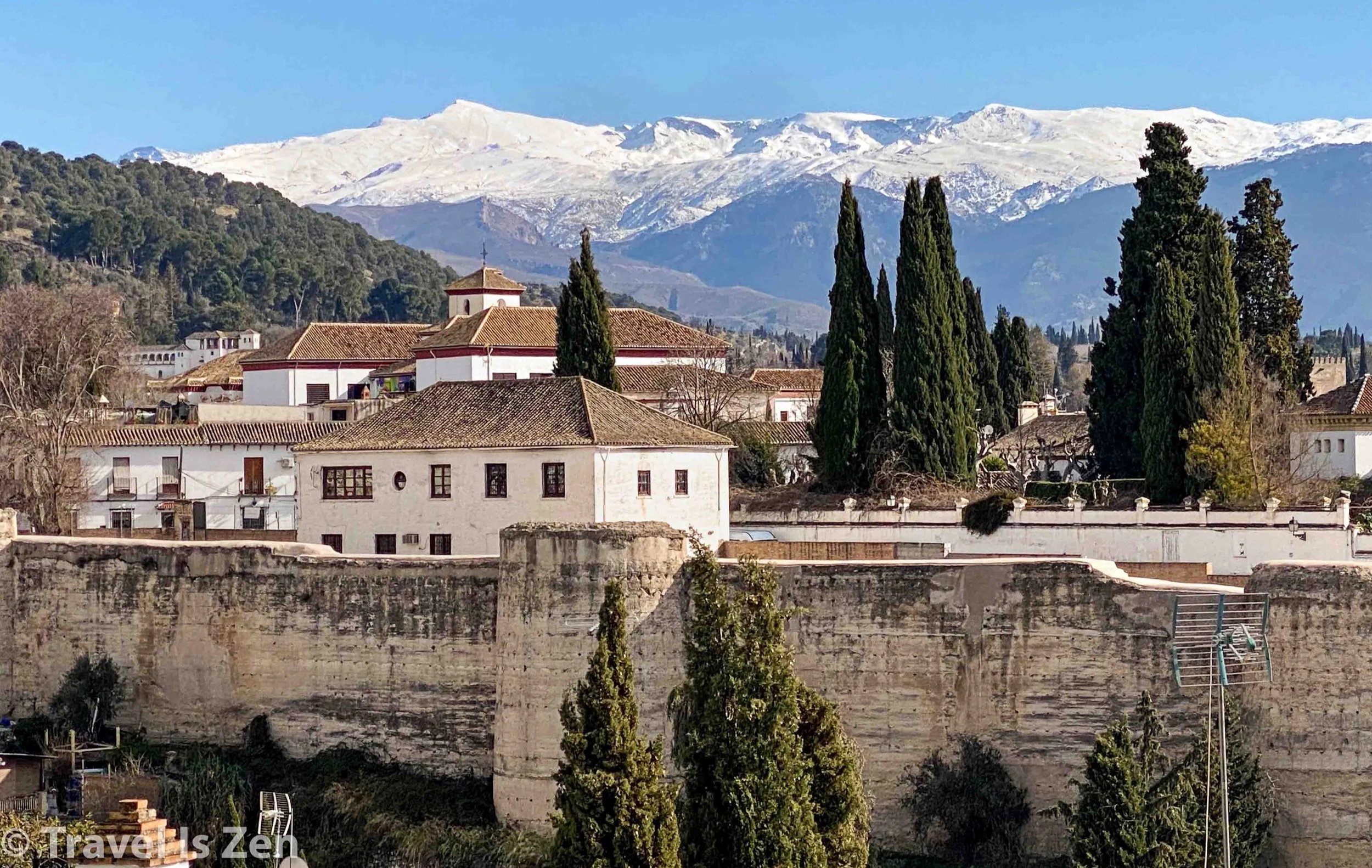
Mt. Mulhacén, Andalucia, Sierra Nevada, Spain
It was February, so the snow-covered peaks were not our focus. Instead, we headed to the Alpujarras, a series of “white town” mountain communities clustered on the southern Sierras slopes around 5,000 feet above sea level… below the snow line, but high enough for some fresh mountain air and blood-pumping day hikes.
Monachil
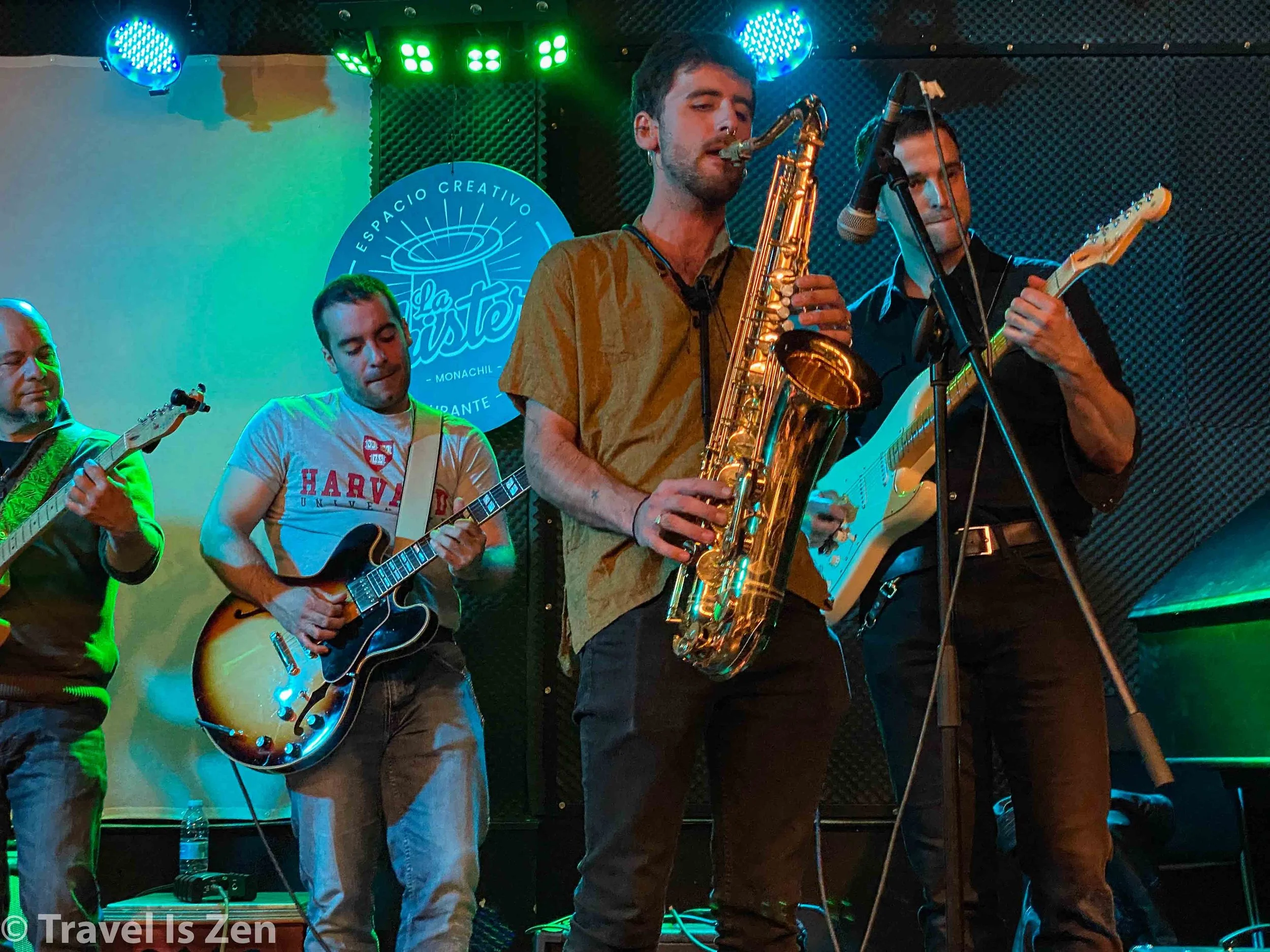
We hailed a taxi to Monachil, a tiny base town at the foot of the Sierras, about 30 minutes south east of Granada. The town straddles the Monachil River, a turbulent cascade of Sierra snowmelt funneled through the Los Cahorros gorge. It was late in the day when we arrived. Our guest house host recommended dinner and a show at La Chistera, advising us that it was the only restaurant open for dinner in the off-season. We unpacked and ambled down a steep paved road to the center of town, eerily empty and quiet.
Click any photo for a larger slideshow…
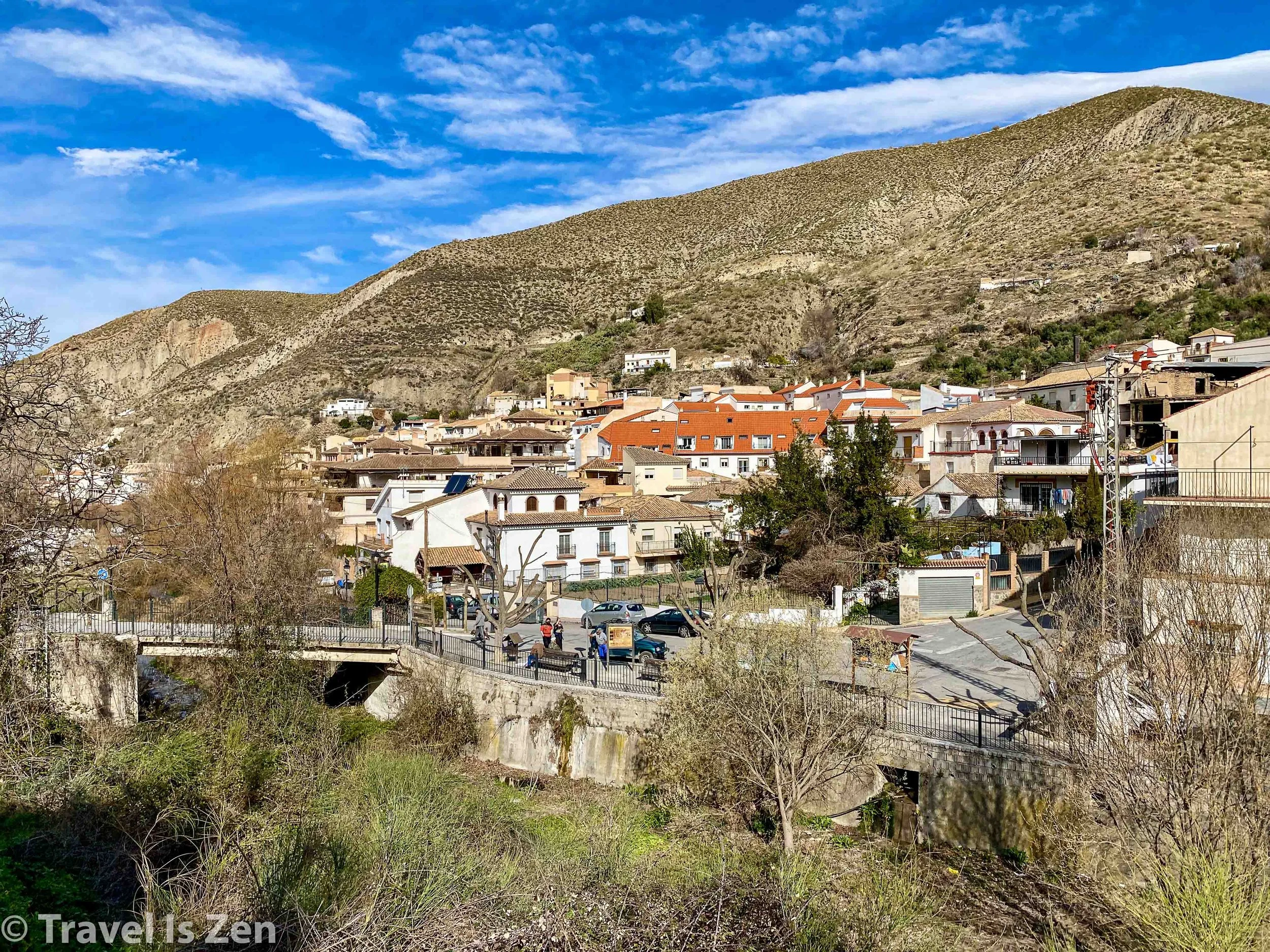
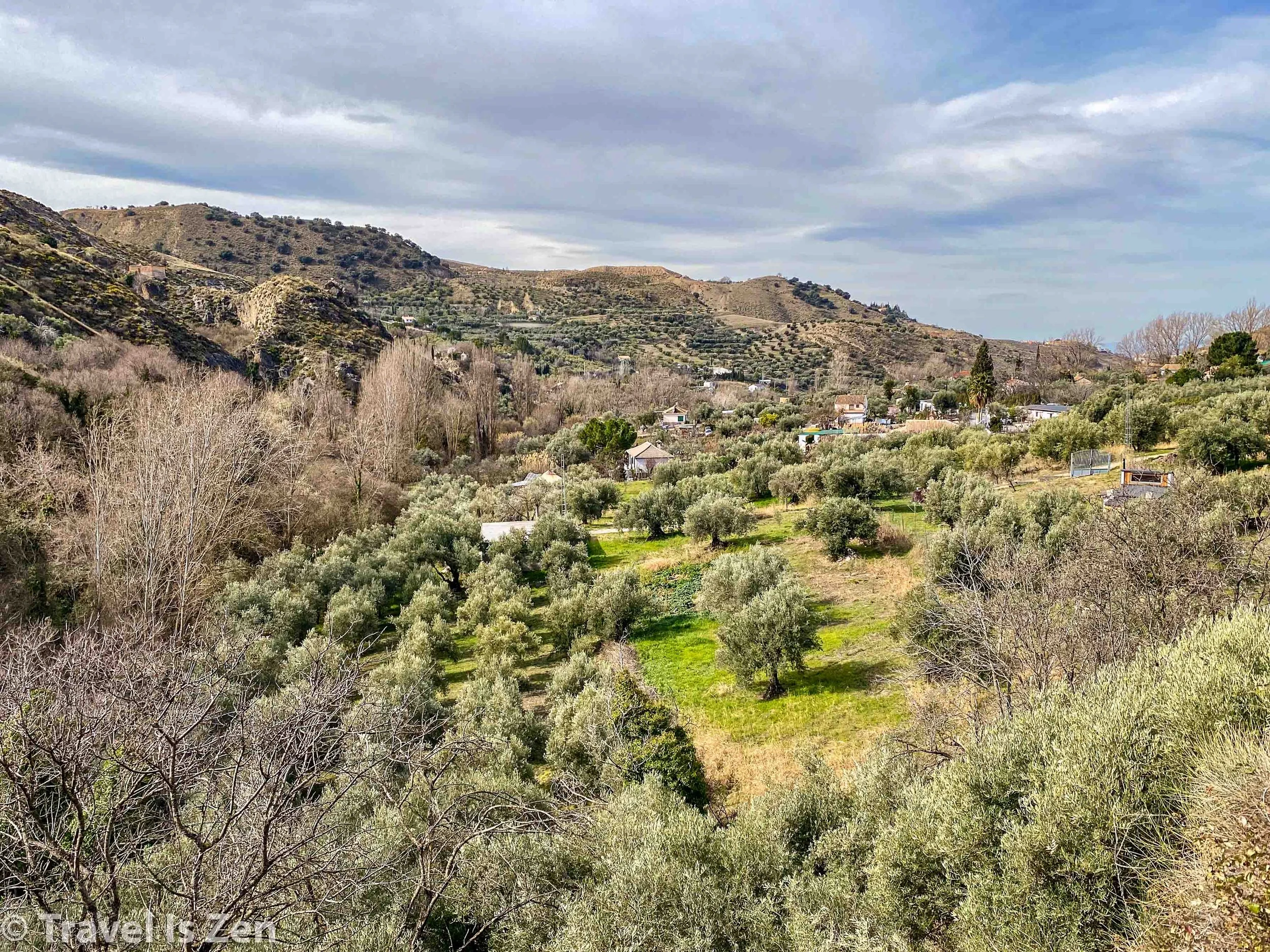
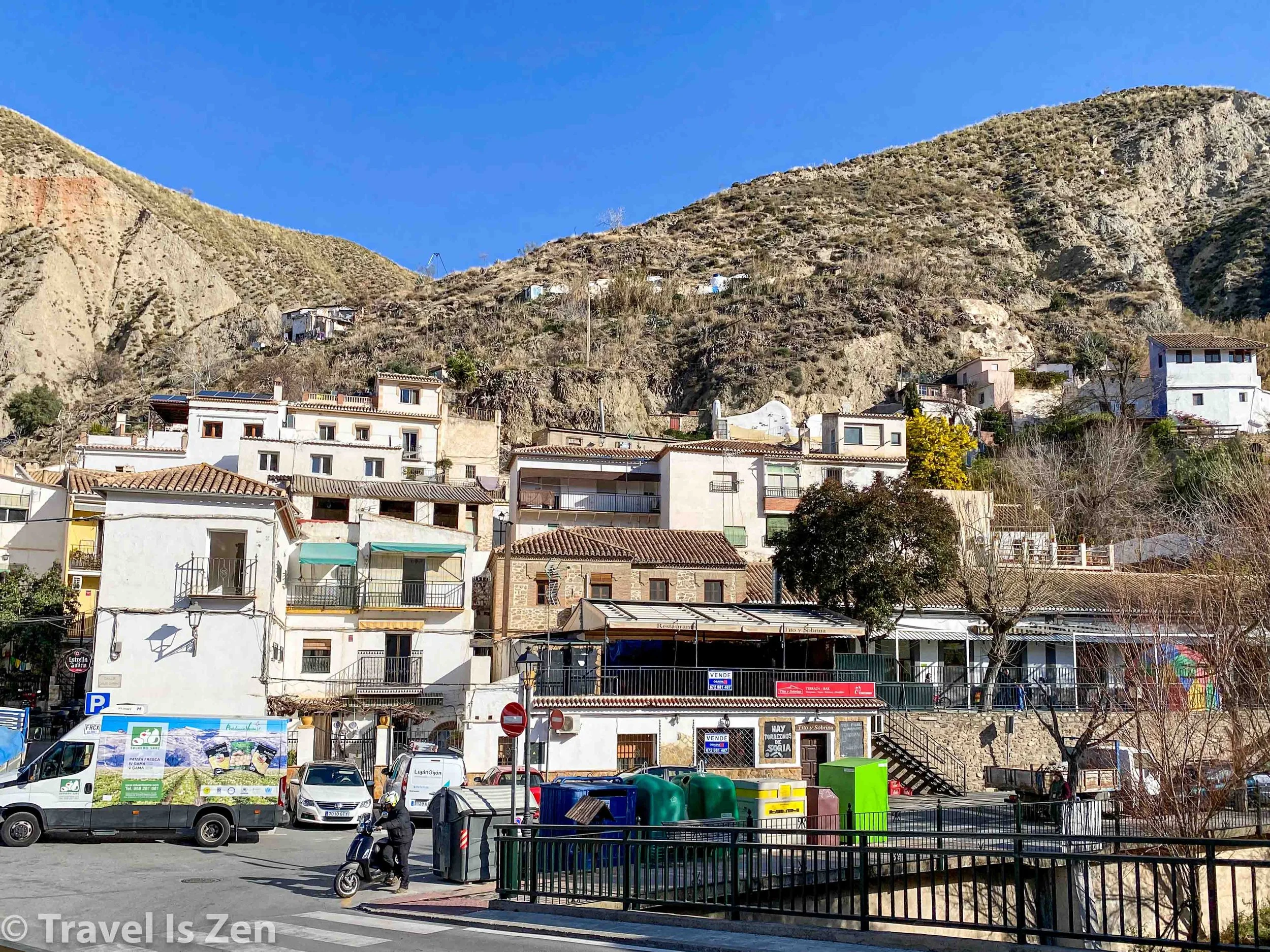
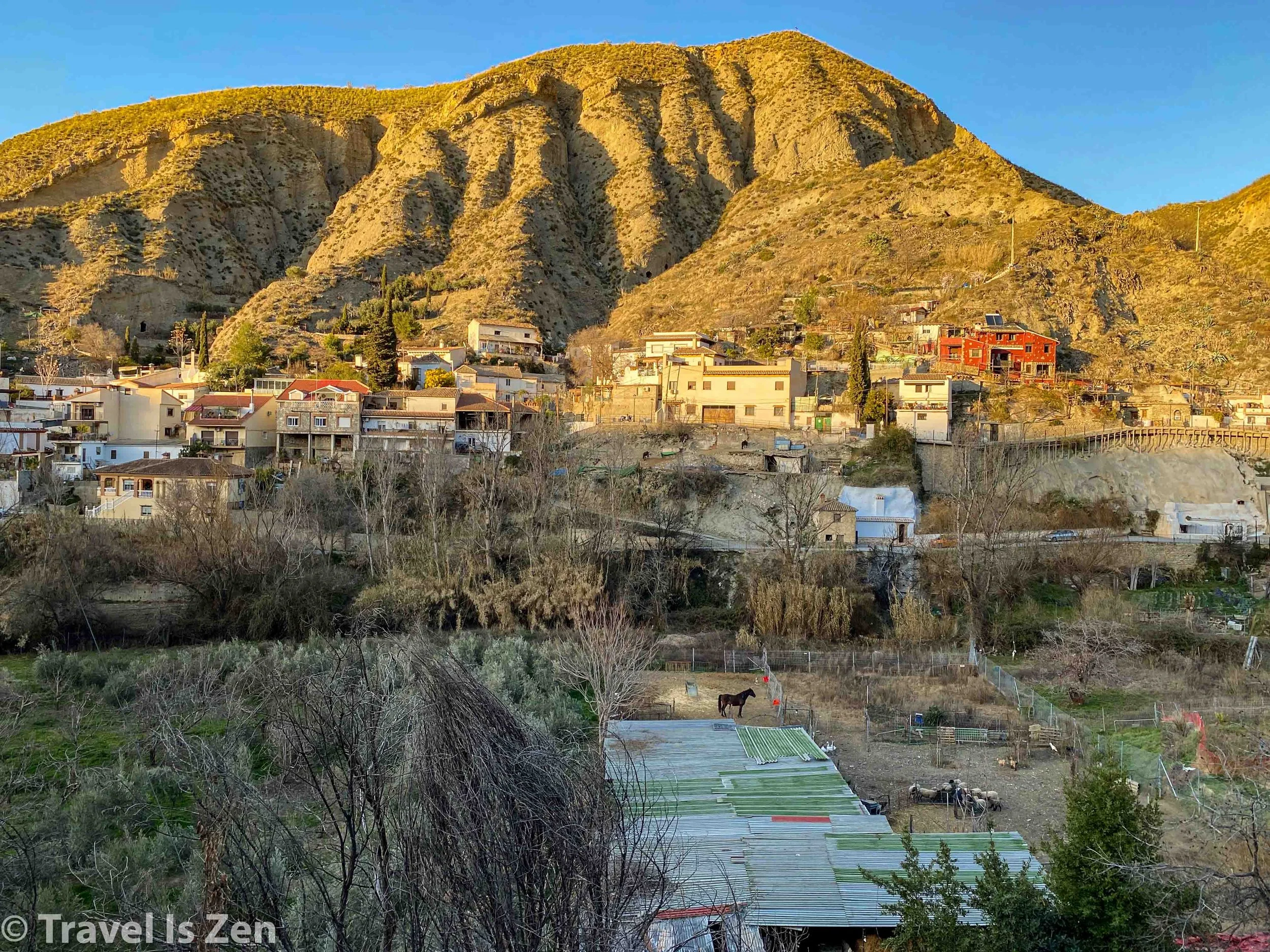
We found the crowd in a packed basement, where friends, families and pets streamed in, greeting each other with hugs, cheek kisses, and boisterous laughs. It was definitely the place to be - hand-tossed brick oven pizza, local wine, and a legit ad-hoc European live-jam!

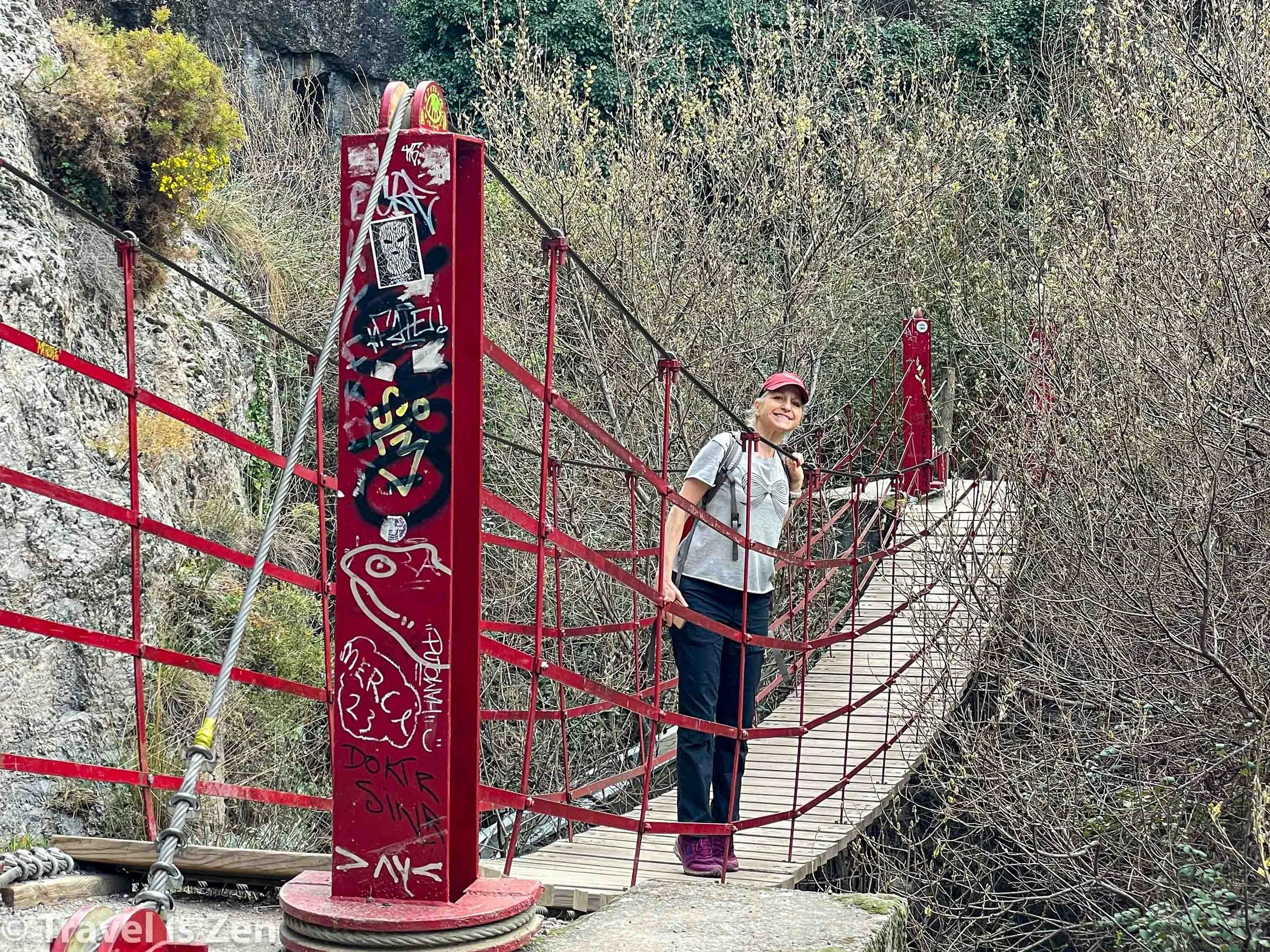
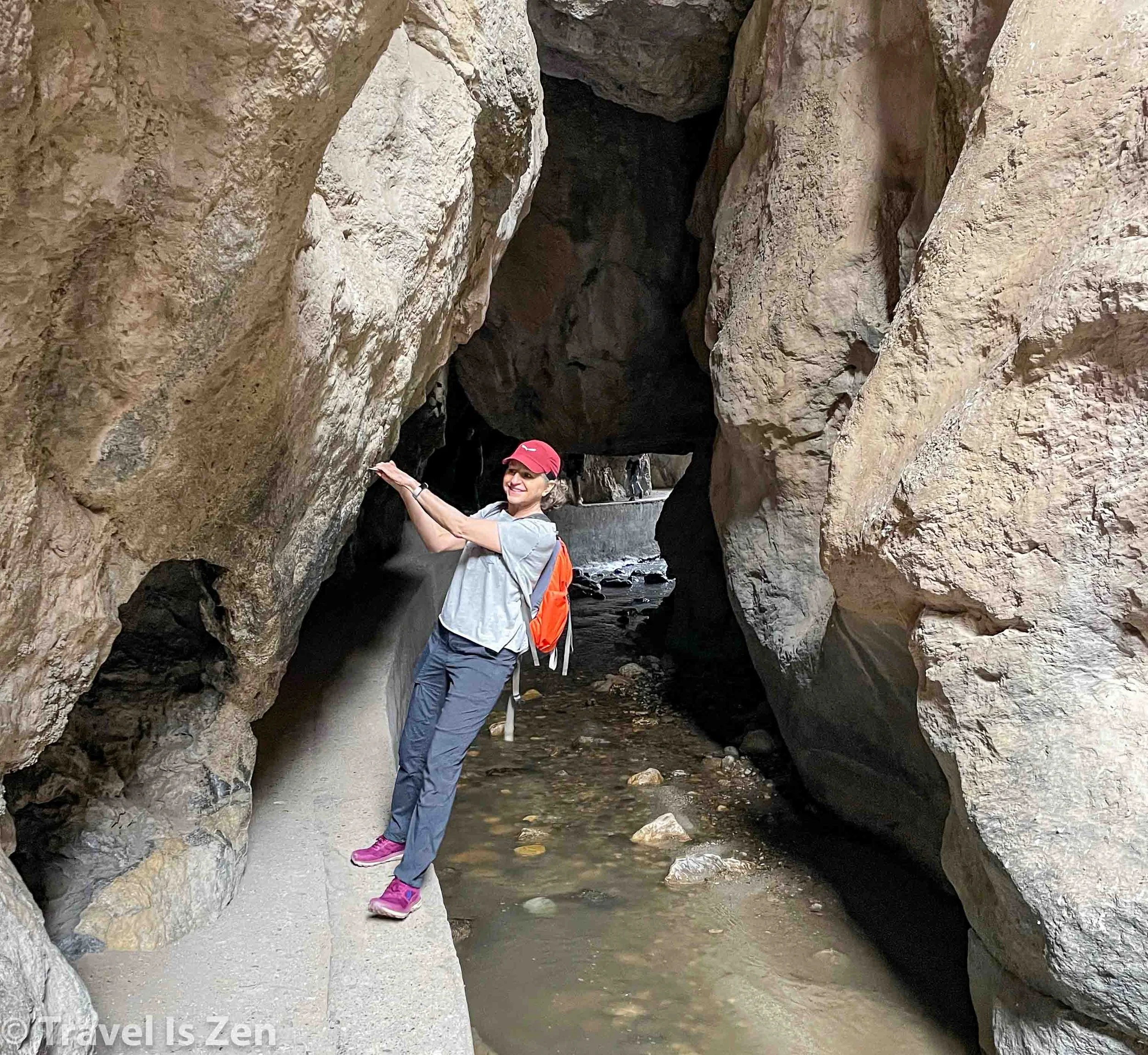
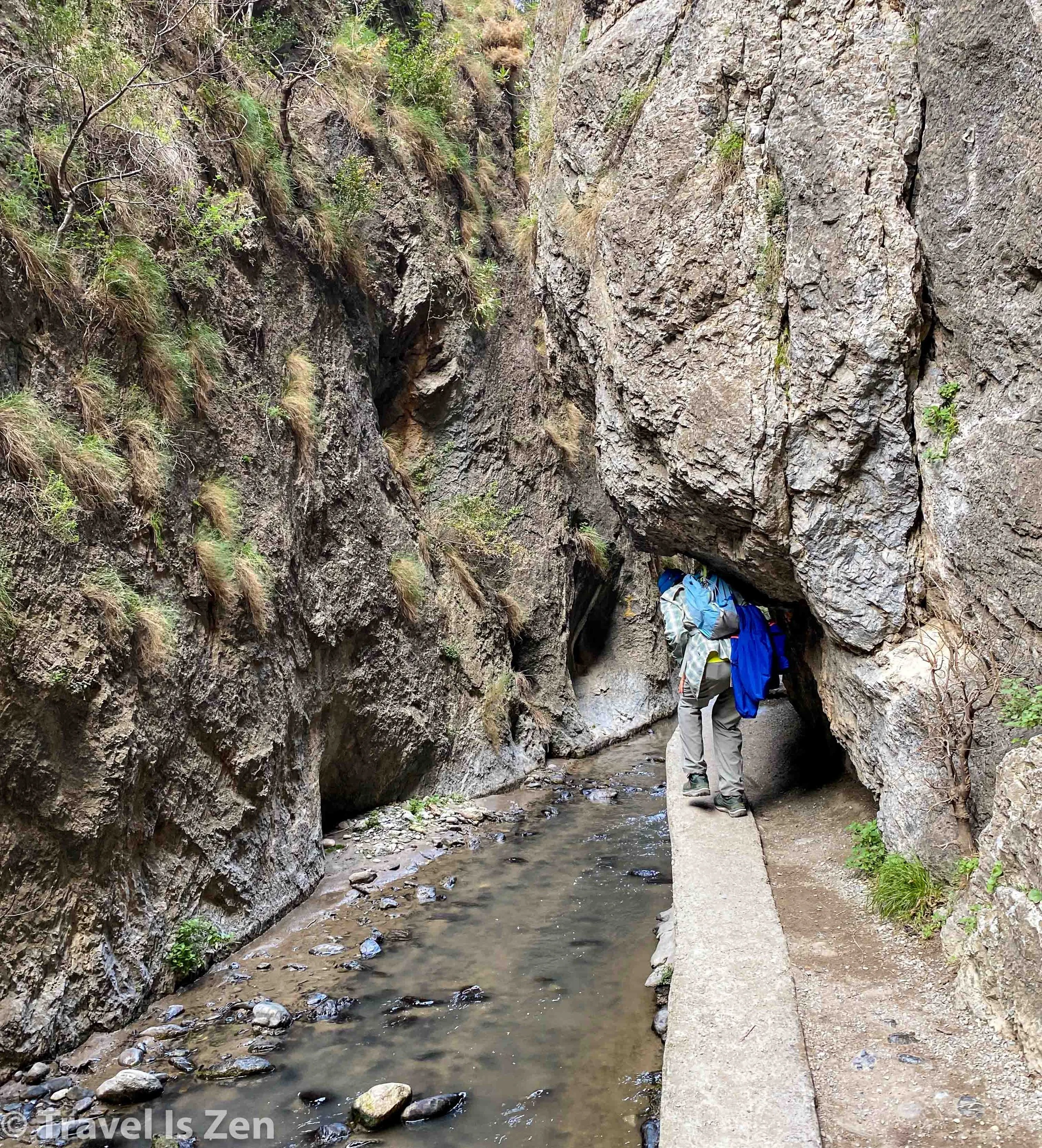
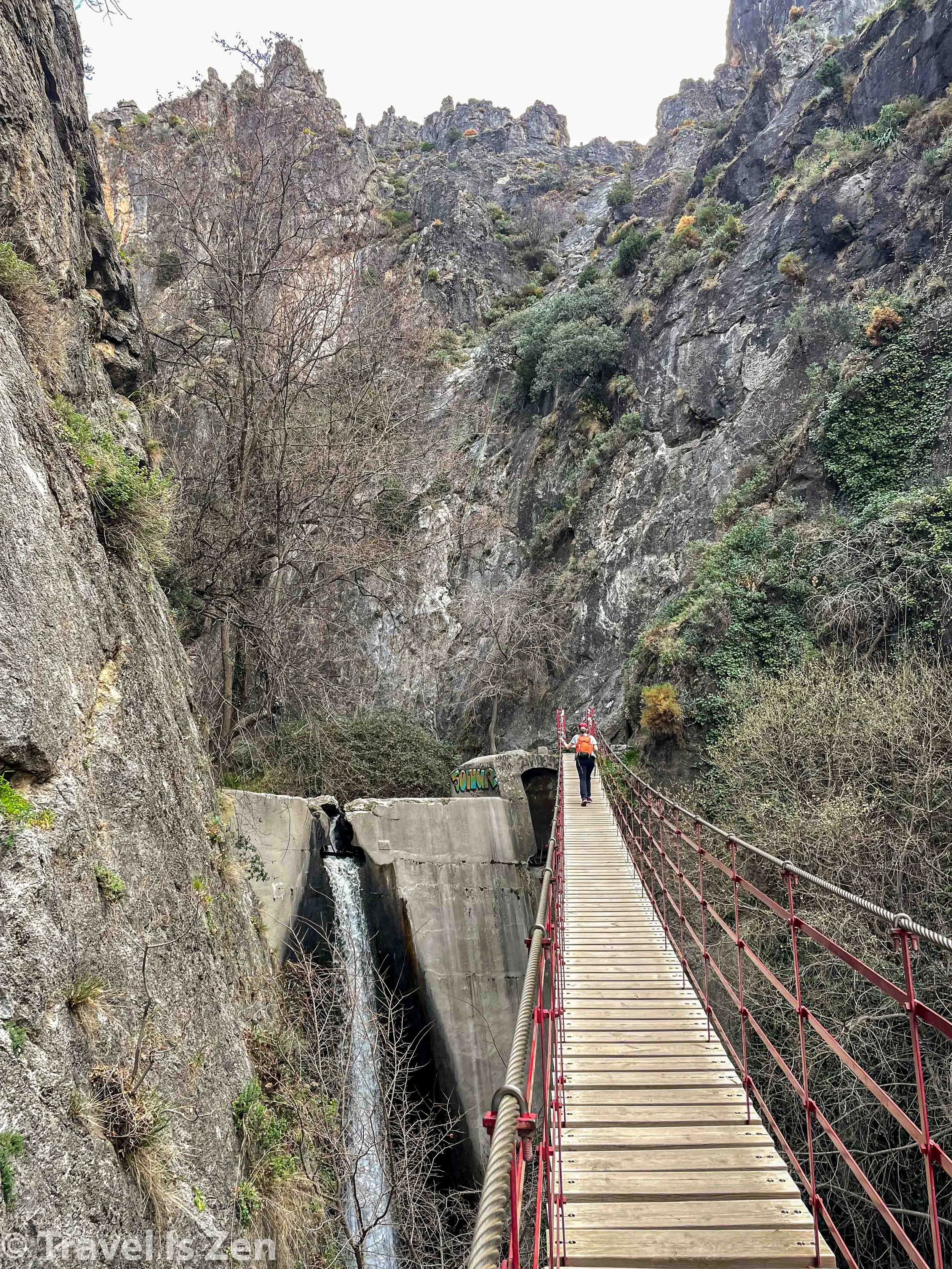
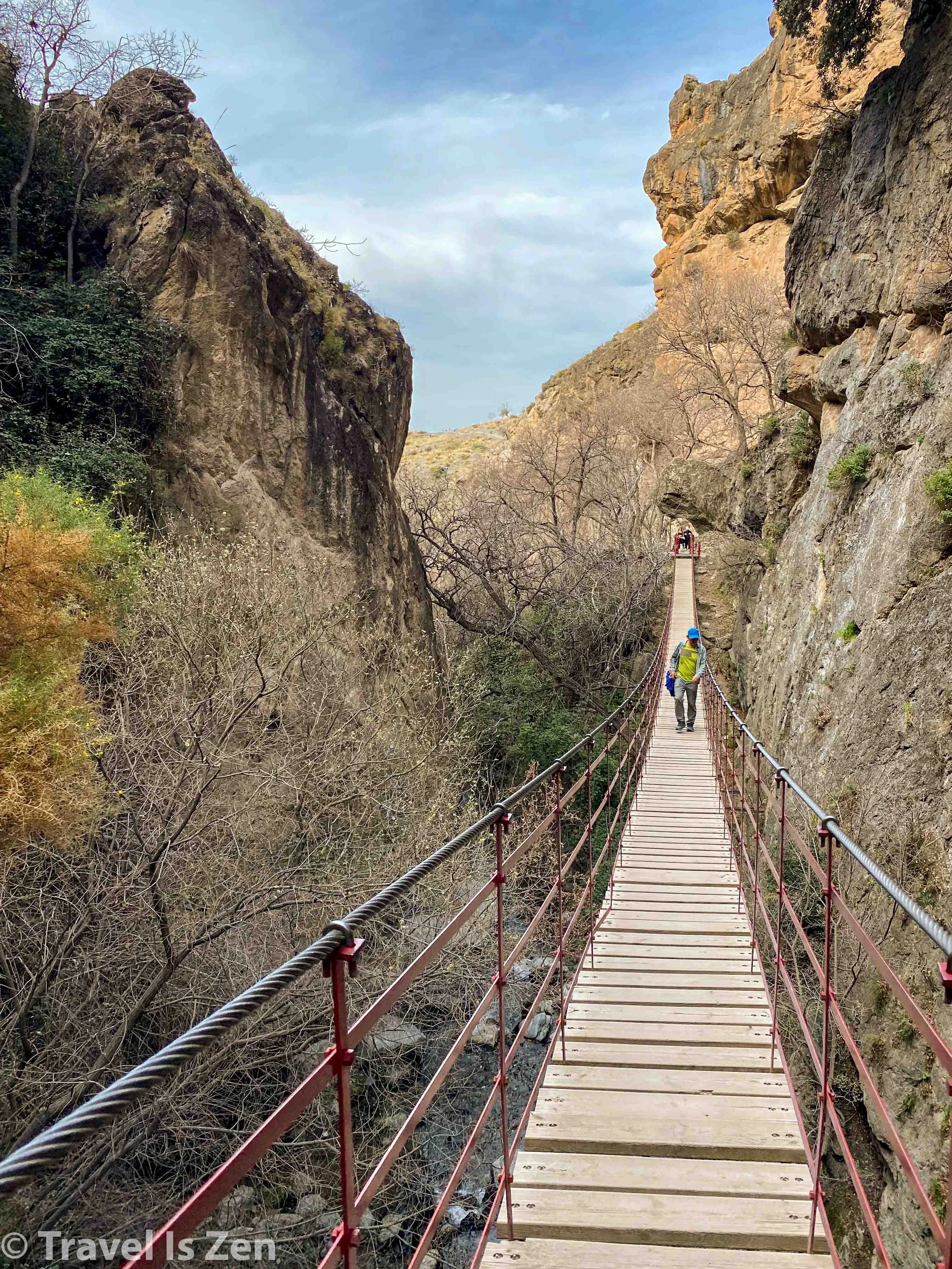
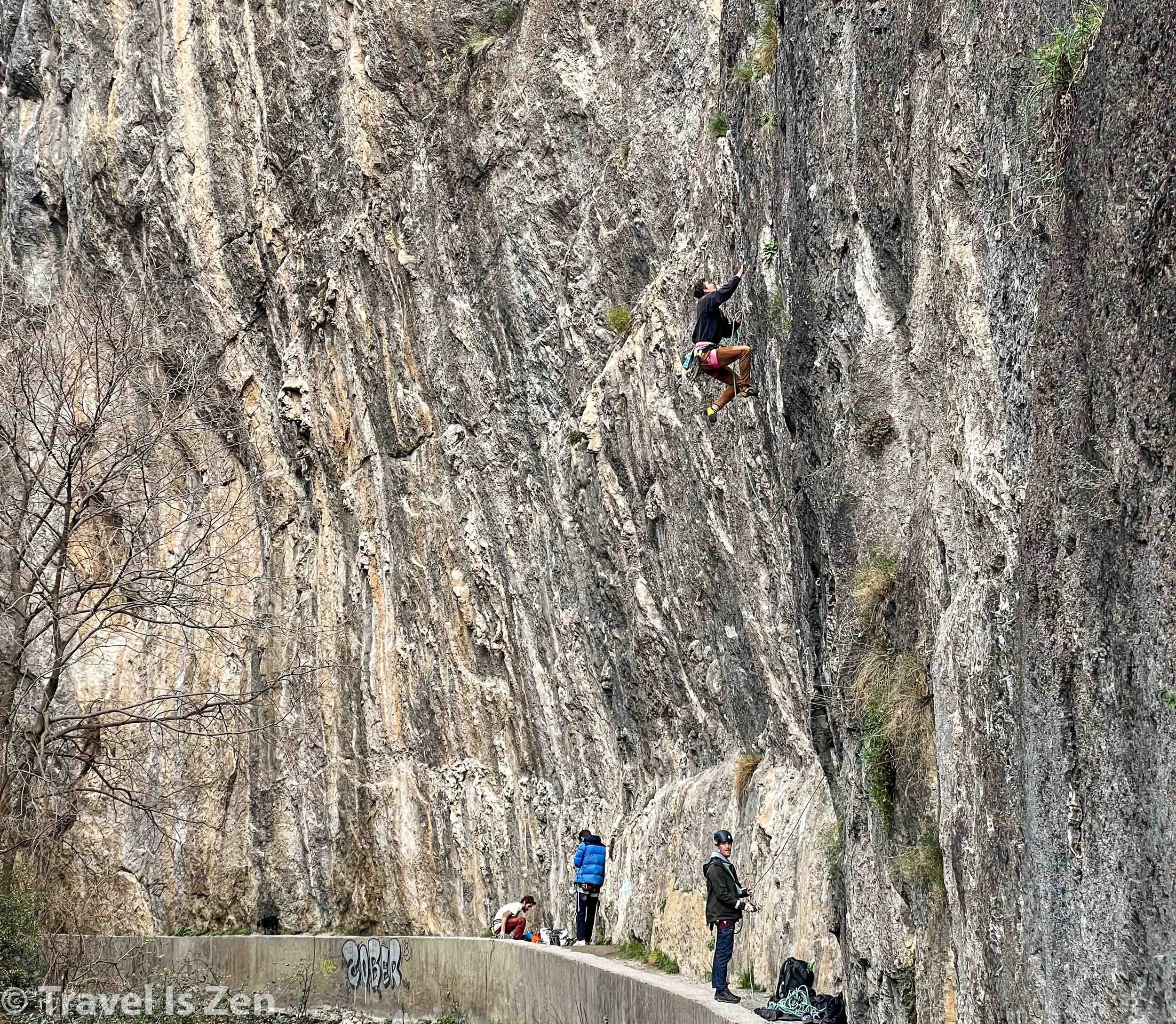
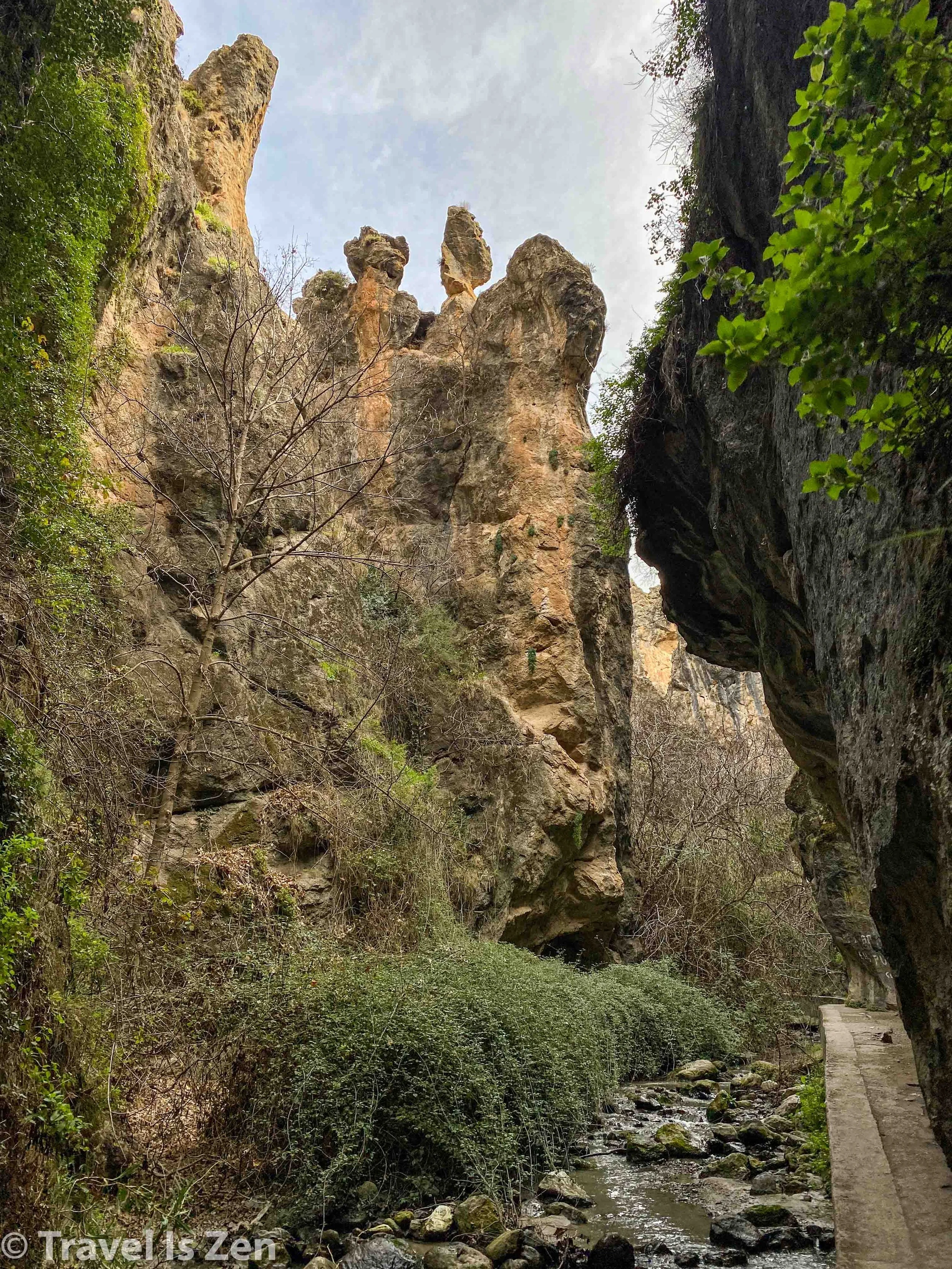
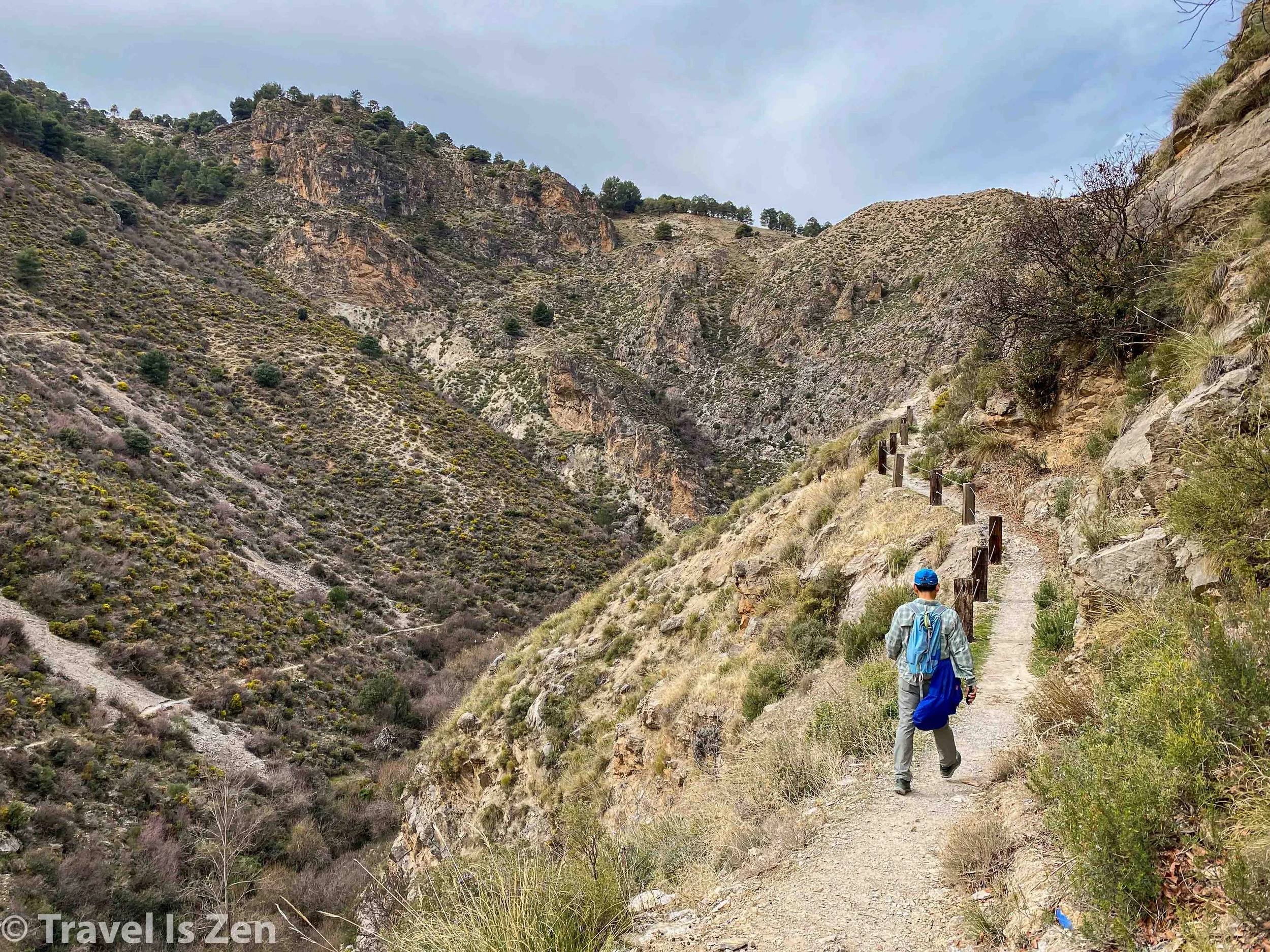
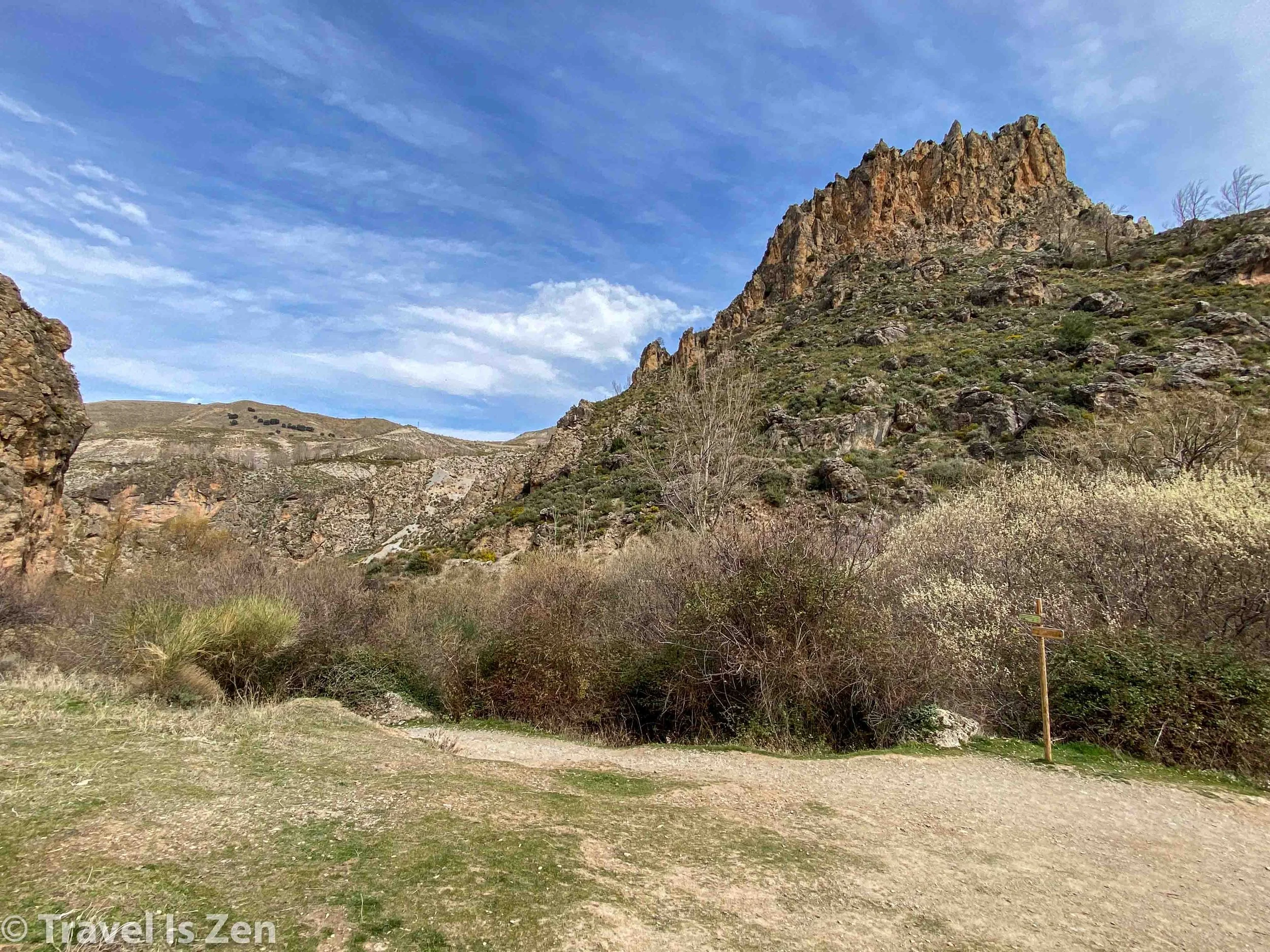
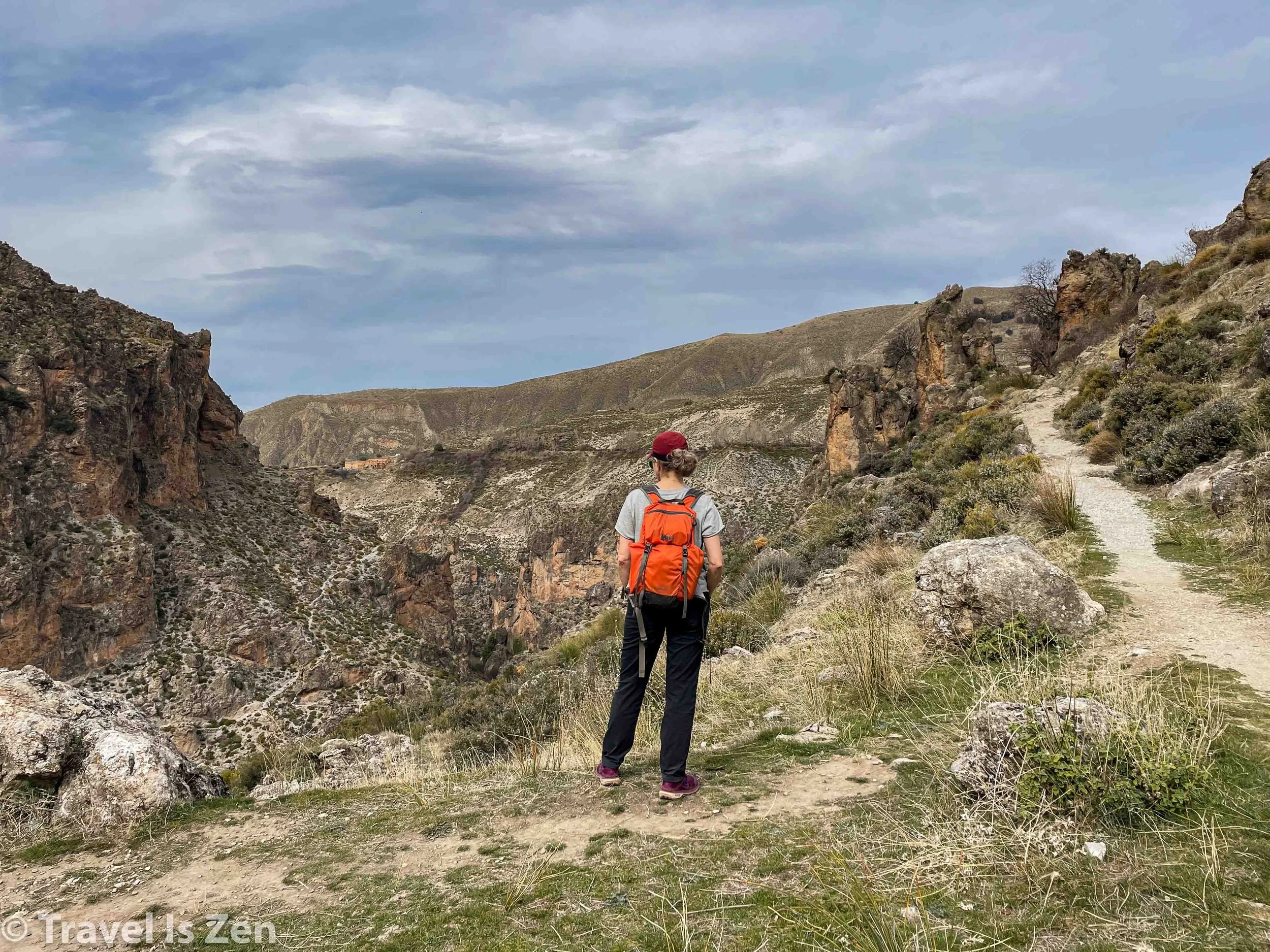
The next morning, we headed uphill and upstream to hike the trails in and around Los Cahorros gorge in Sierra Nevada National Park. The loop trail ambles along the limestone canyon up into the dusty foothills, criss-crossing the river over swinging bridges and dipping down riverside below sheer granite and limestone cliff walls popular with climbers.
Click any photo for a larger slideshow…
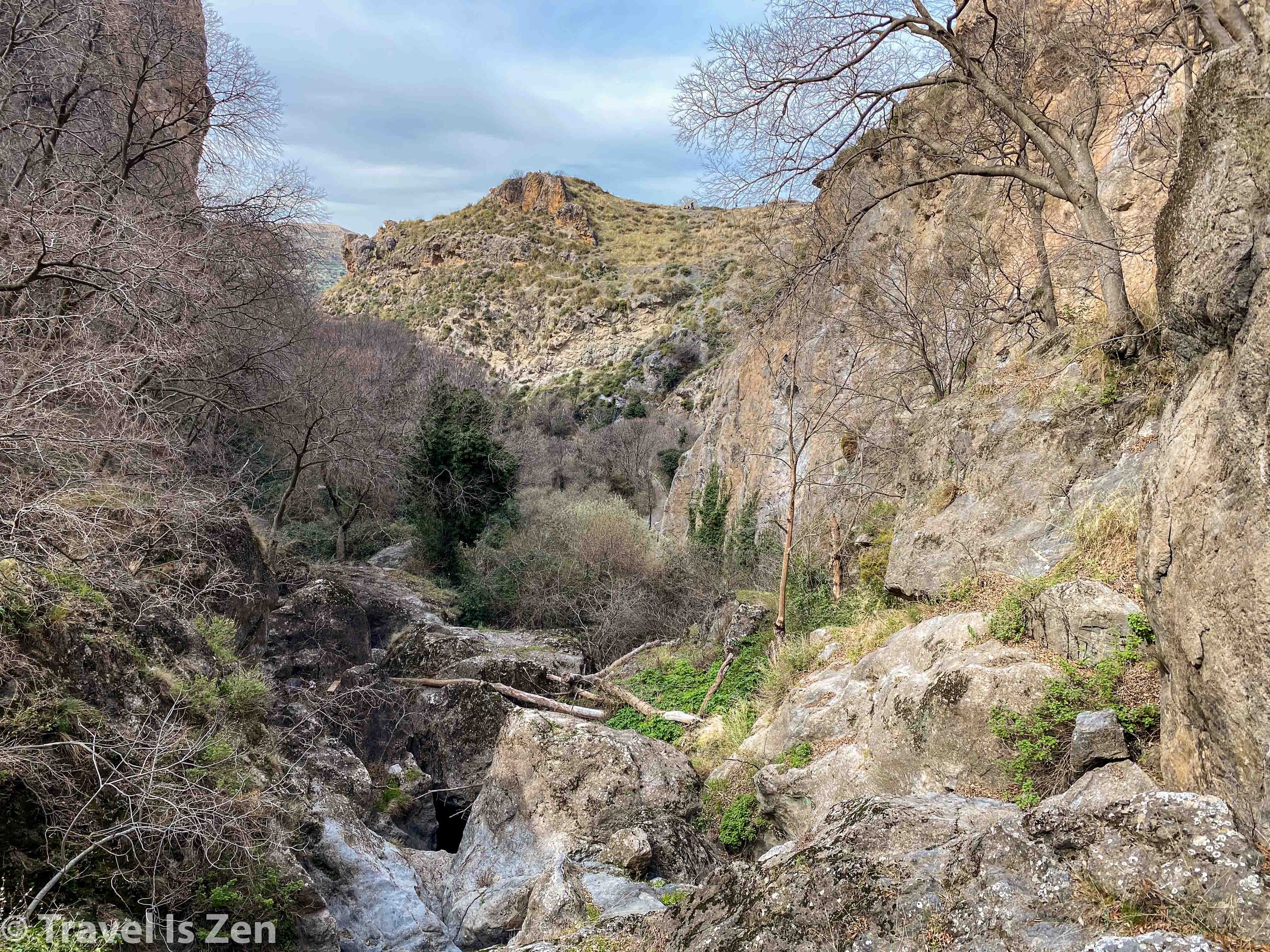
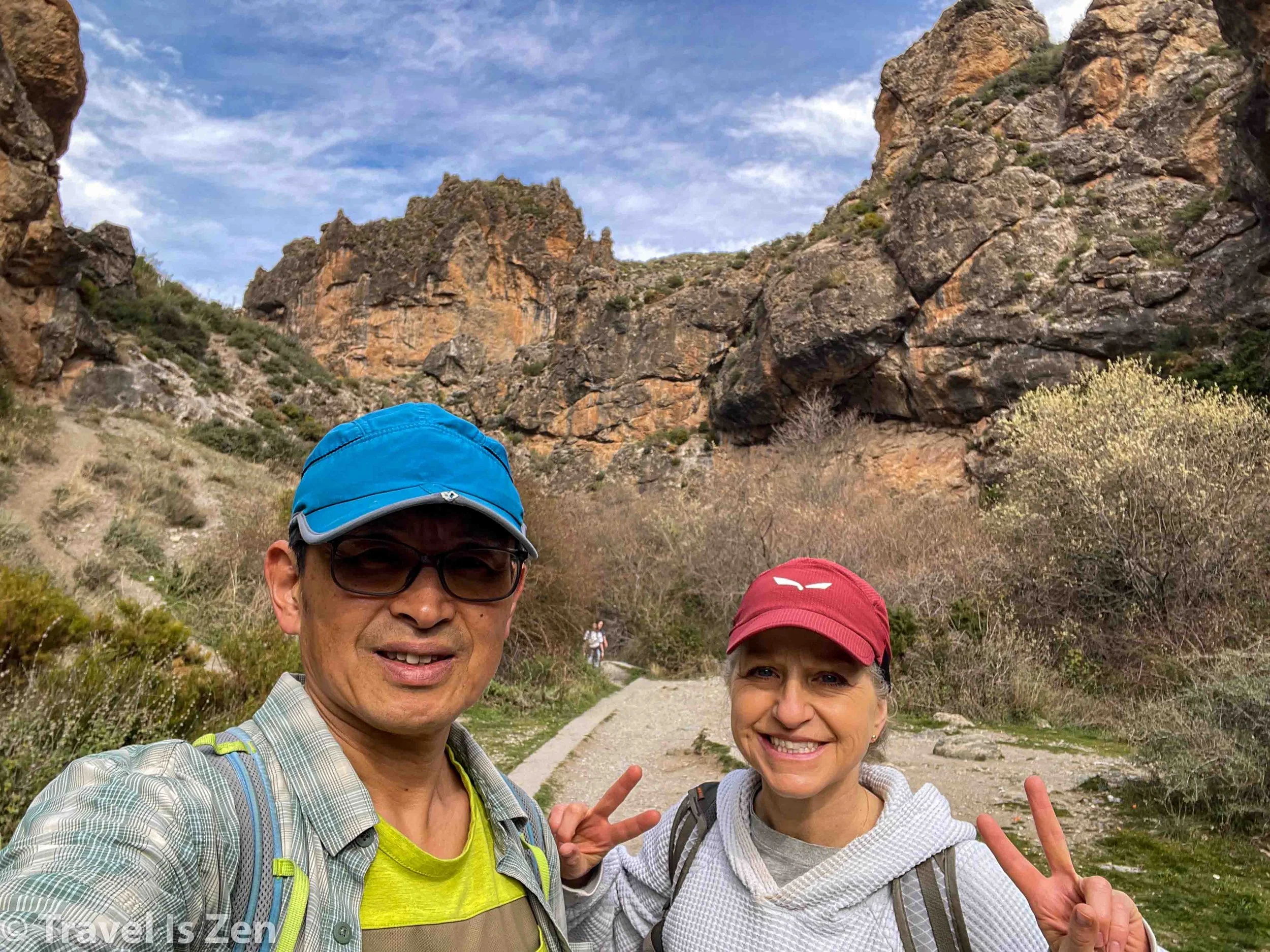
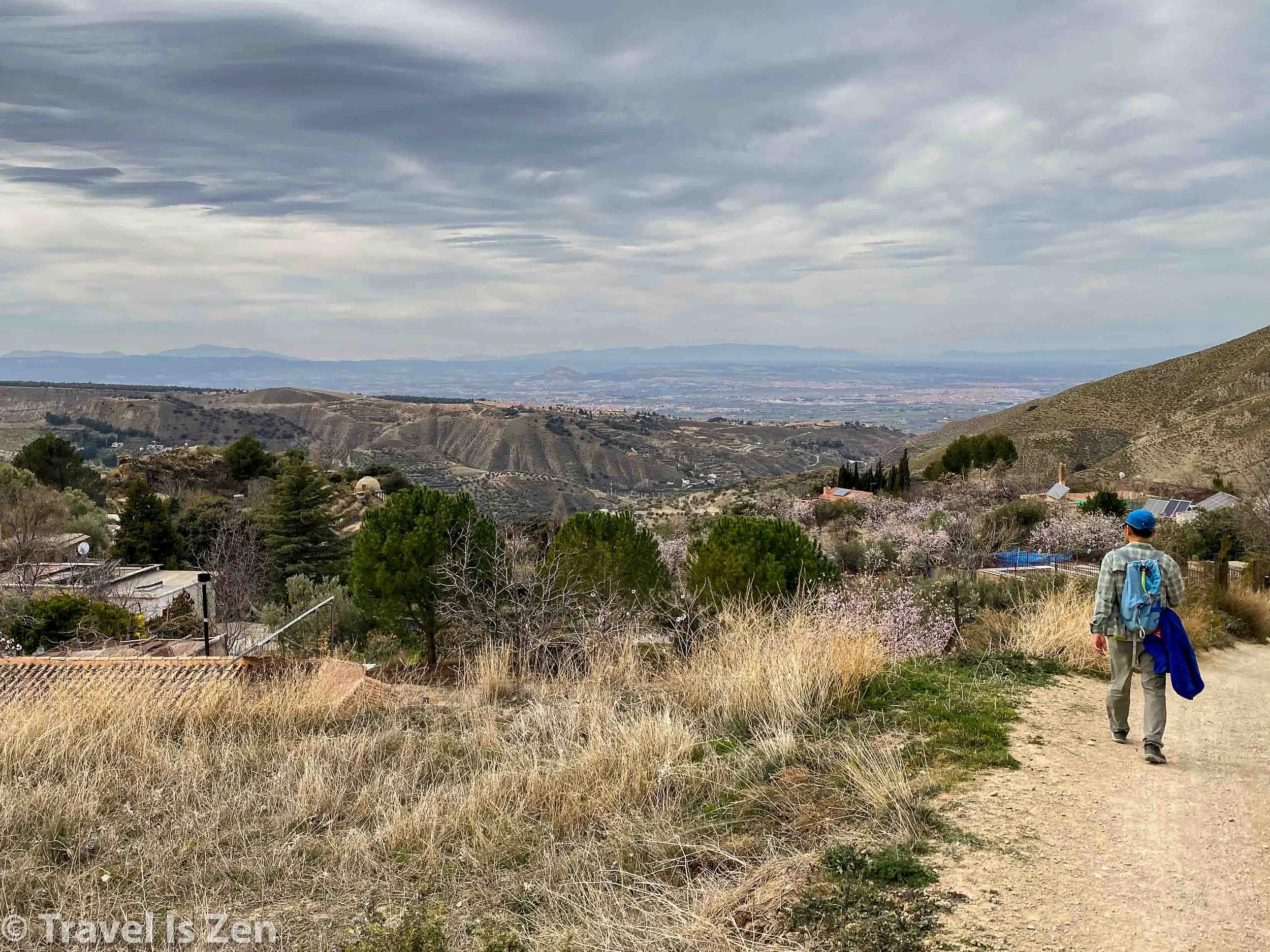
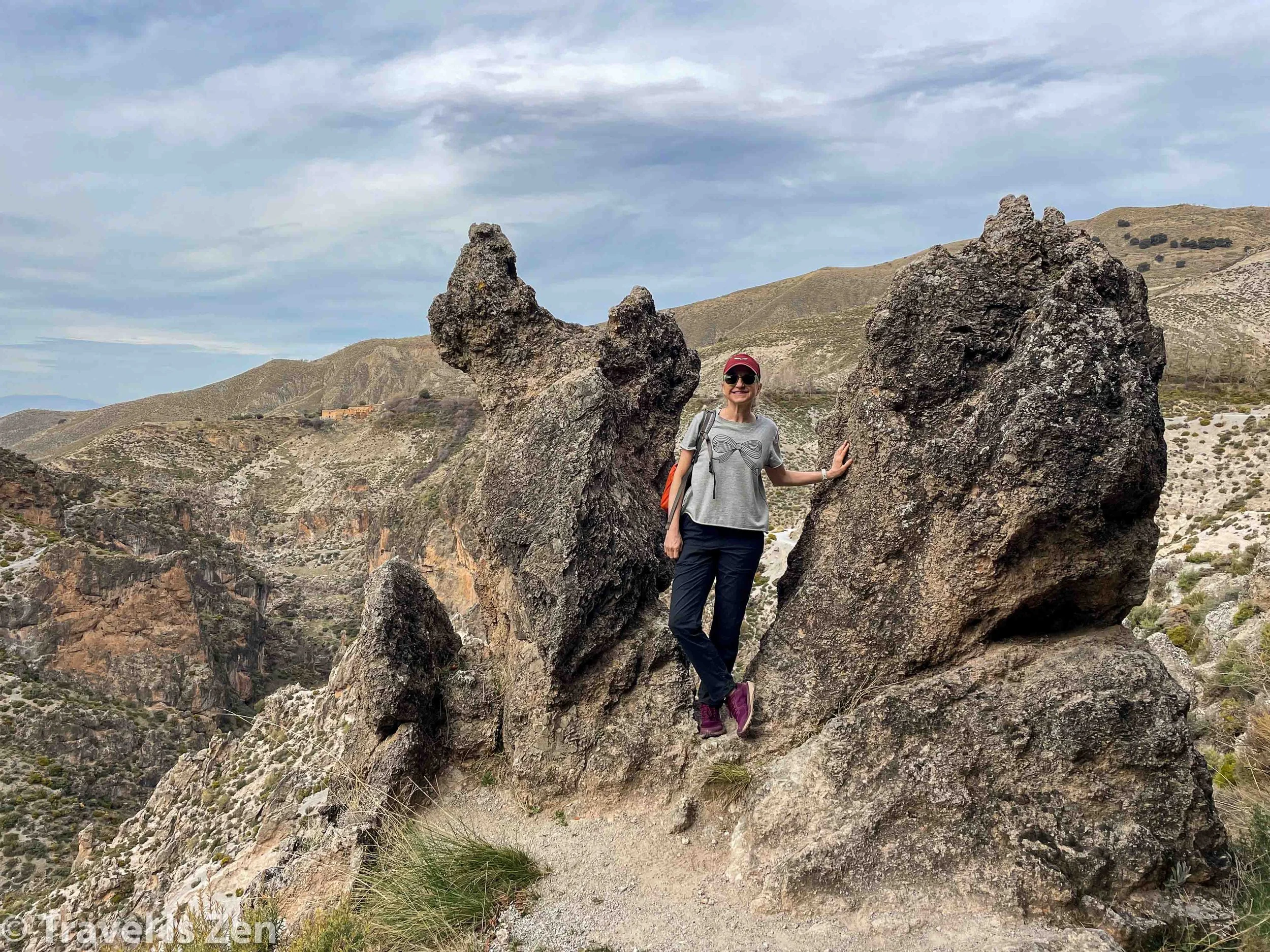
The next day, we followed the Sendero de las Palomas up into the dry, scrubby hills dotted with hearty juniper, wild rosemary, and broom bushes. This trail had an “Arizona” feel, with red sandstone, golden hued grasses, and sage greens vibrant against a blue sky. The Sendero de las Palomas was a steeper, longer and more aggressive hike, which climbed into the olive groves and stockyards above Monachil for a fantastic birds-eye view. Granada was just a few kilometers away, sprawled across the distant horizon. Our route was about 6 miles and took us 2 hours; there are lots of interconnecting trails, though, to make longer (or shorter) hikes.
Bubión
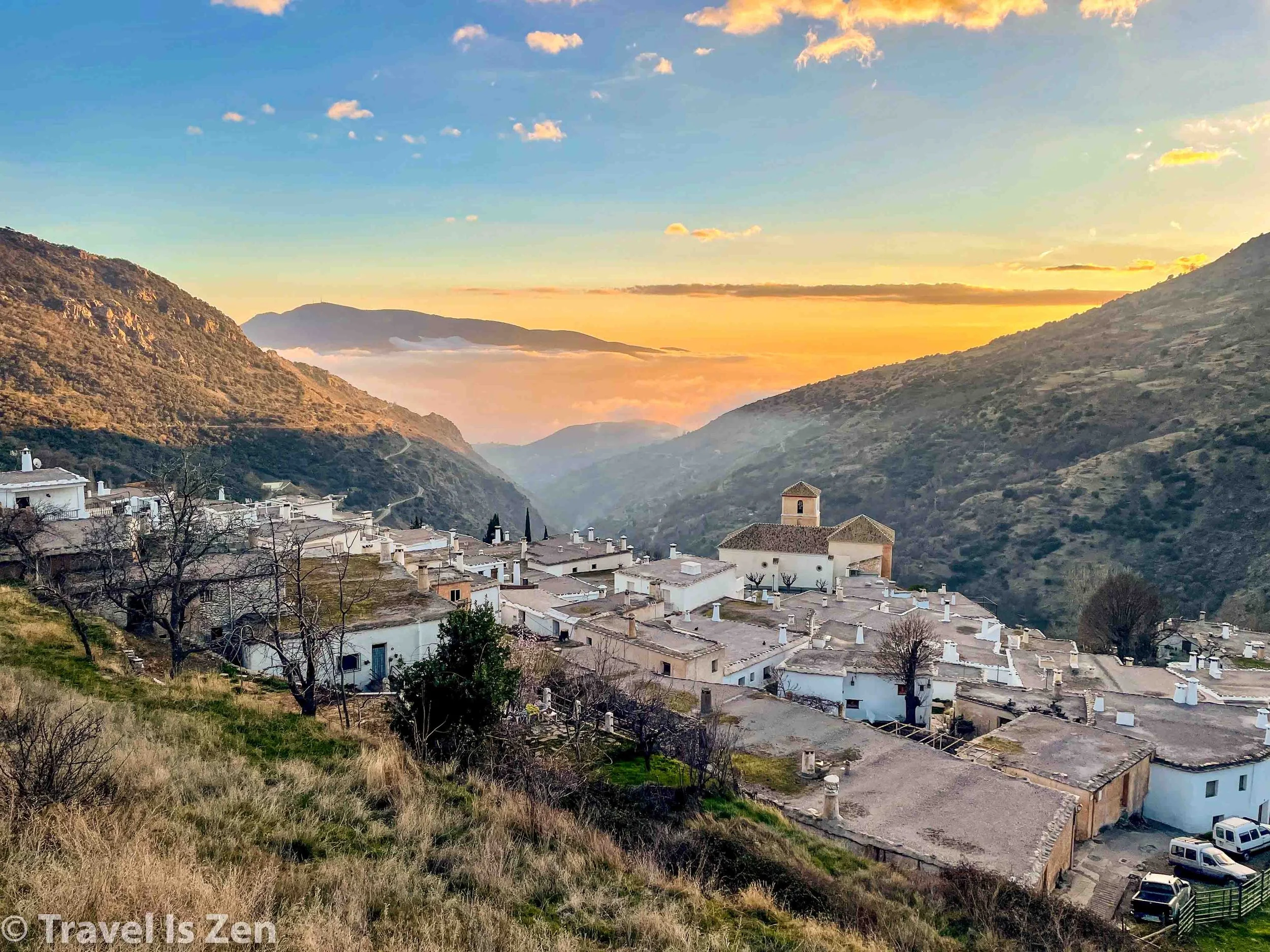
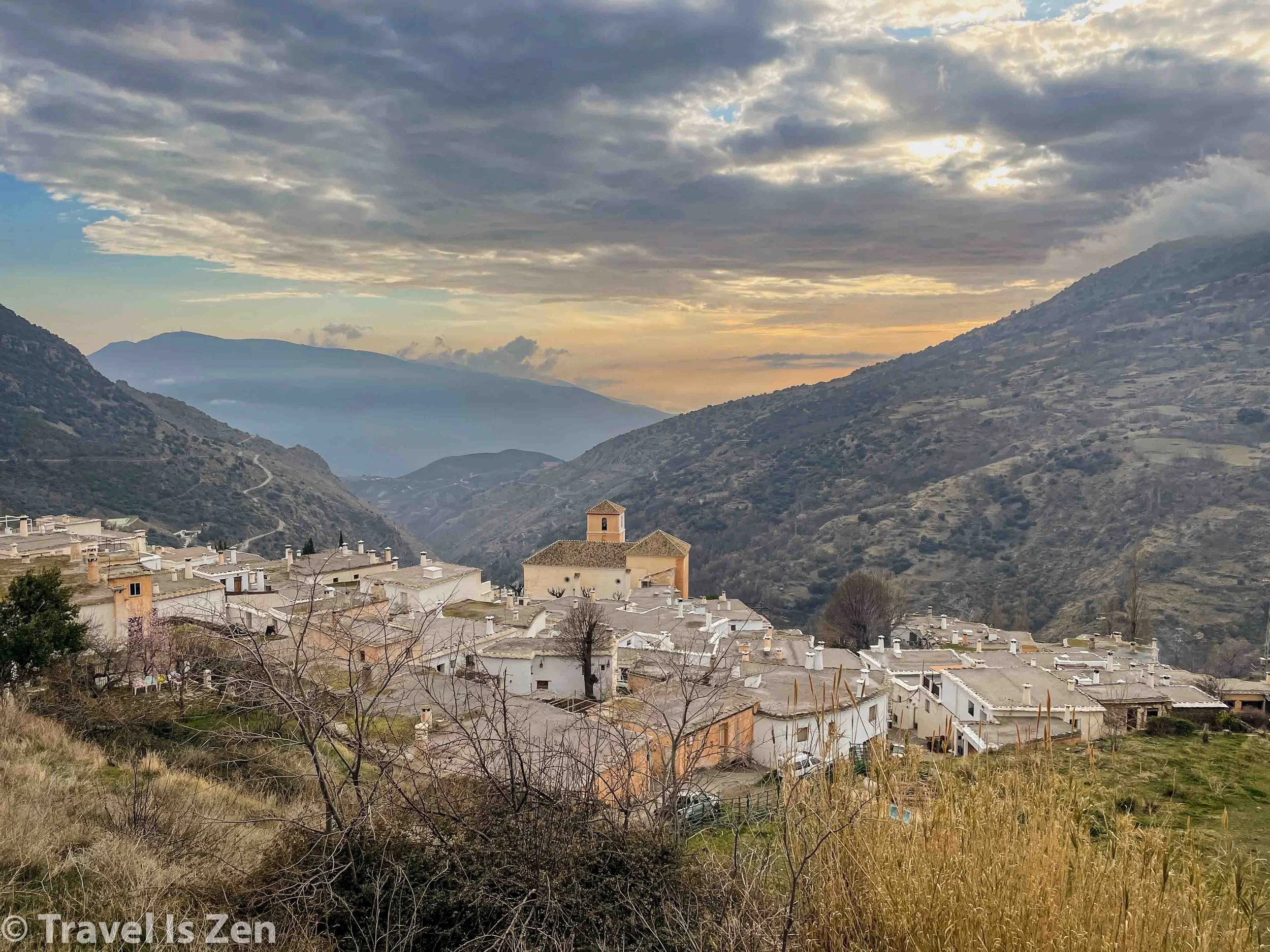
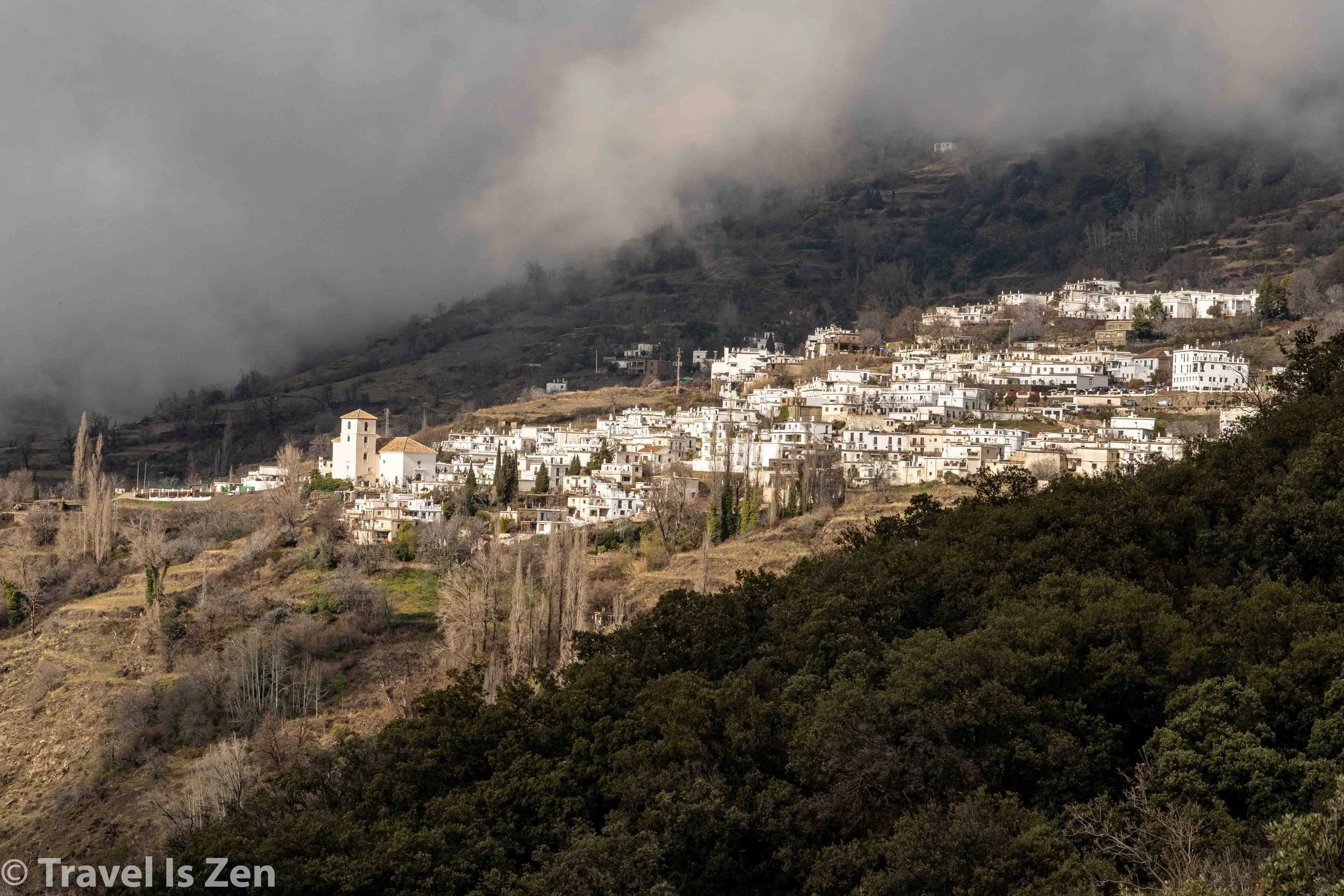
After our warm-up in Monachil, we were ready for some higher elevation. A local bus departed Monachil and switch-backed upwards through the Alpujarras, a string of white-washed villages stacked ever-higher and more-remotely up the southern Sierra slopes. The Alpujarras were built and populated by the Berbers of Northern Africa during Spain’s Islamic Al-Andalus era (AD 711 to 1492). Medieval-era water channels, or “acequias", still carry snowmelt from surrounding peaks down into terraced orchards first plowed under Islamic rule.
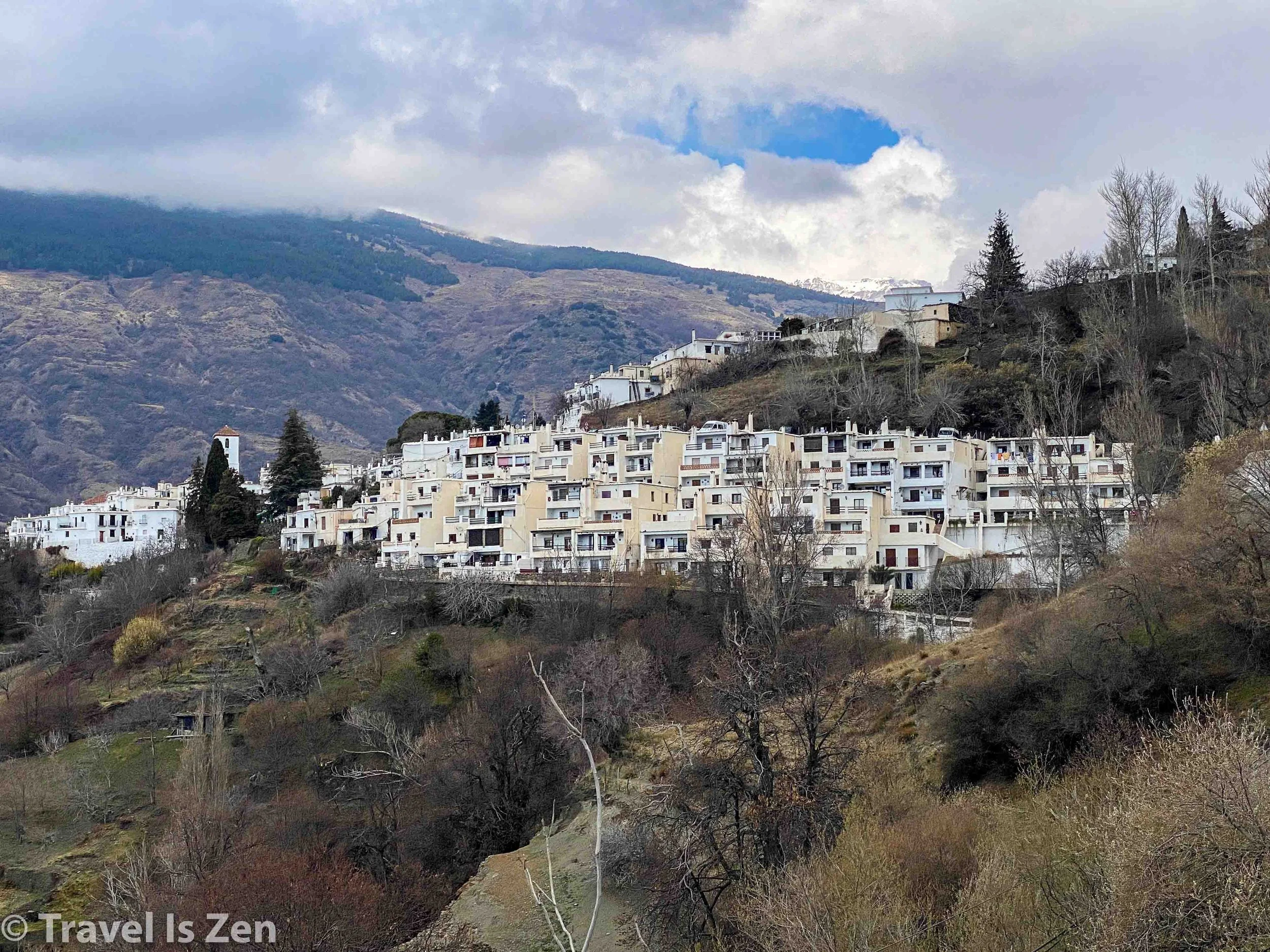
View of Pampaneira from Bubion, White Town, Alpujarras, Spain
After the Reconquista, when Nasrid King Boabdil surrendered to Ferdinand and Isabella in 1492, Muslims in Granada were forced to convert to Christianity. These “Moriscos” fled to the Alpujarras in an attempt to resist and revolt, but were eventually driven out of the villages and dispersed throughout Spain by the 17th century. Later, Christians from Northern Spain repopulated the mountain communities, tilling fields, raising goats, tending ancient olive trees, and gathering chestnuts. Today, the Alpujarras serve as a cool summer retreat and base camp for hiking and other outdoor activities.
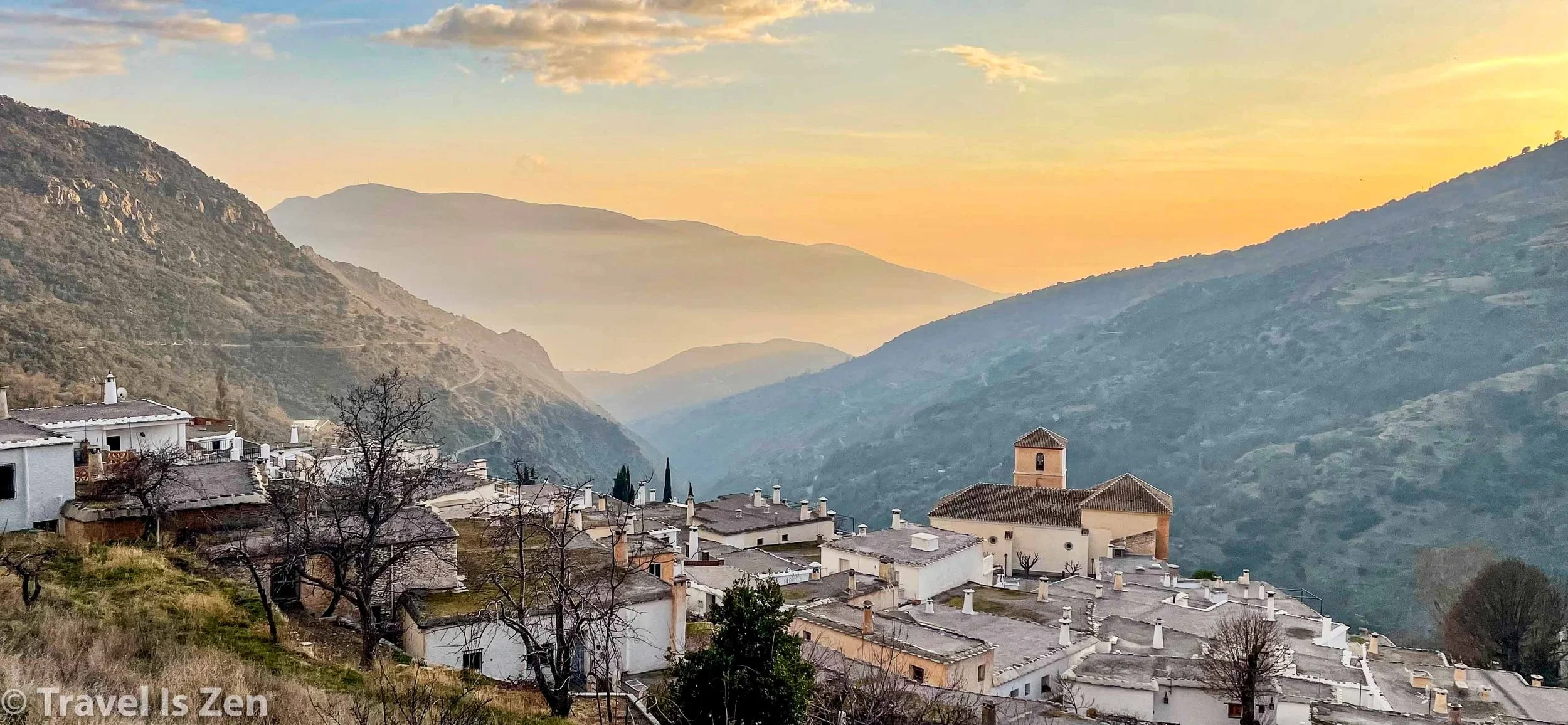
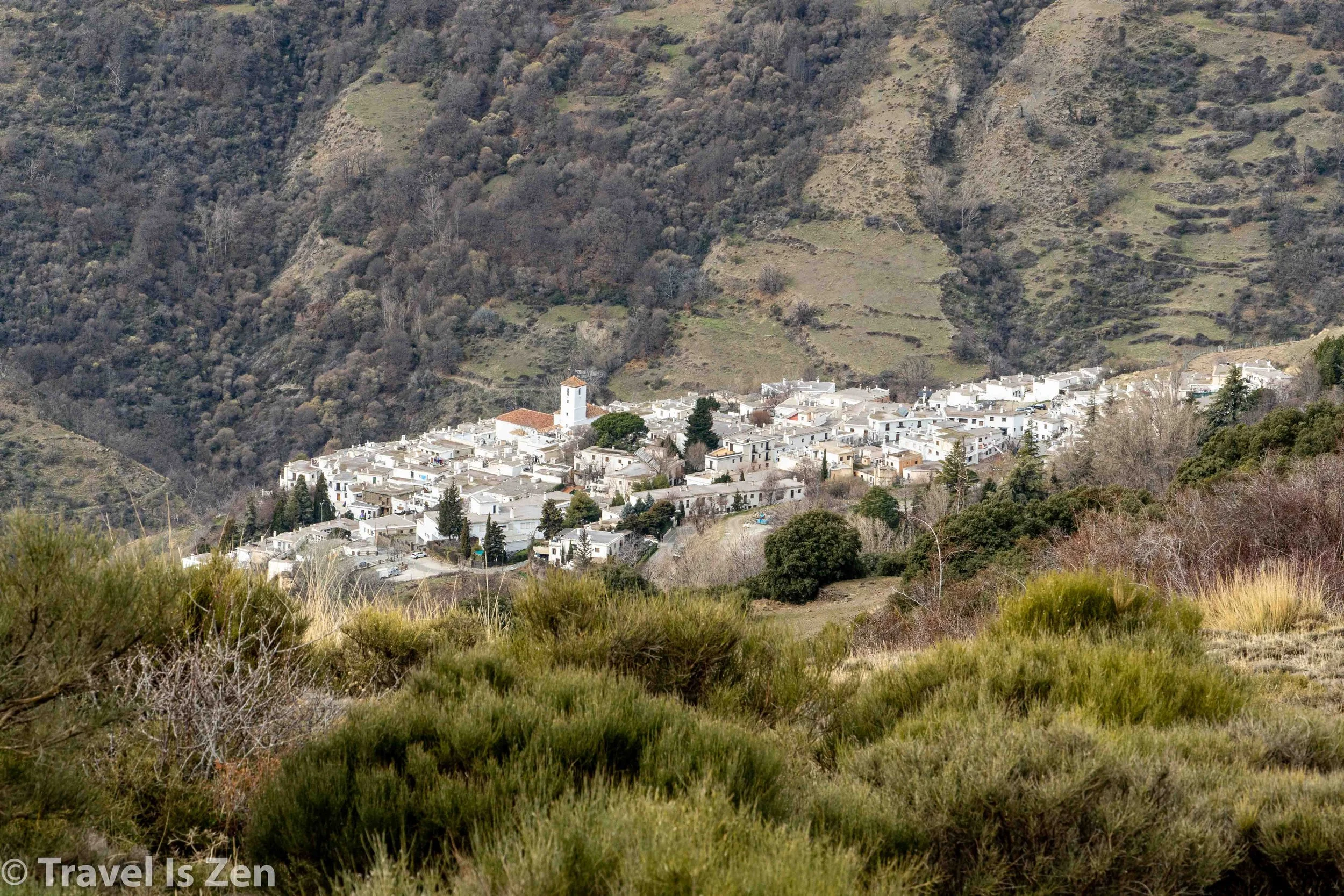
The bus lurched, gears grinding, up a final stretch of lonely road and came to a stop. The bus driver told us - his final two passengers - that Bubion was the end of his line. We hopped off at 4,500 feet above sea level, mid-center in a cluster of three White Towns sprawled like spilled paint across the terraced hills of the Poqueira Valley: Capiliera, Bubion, and Pampaneira.
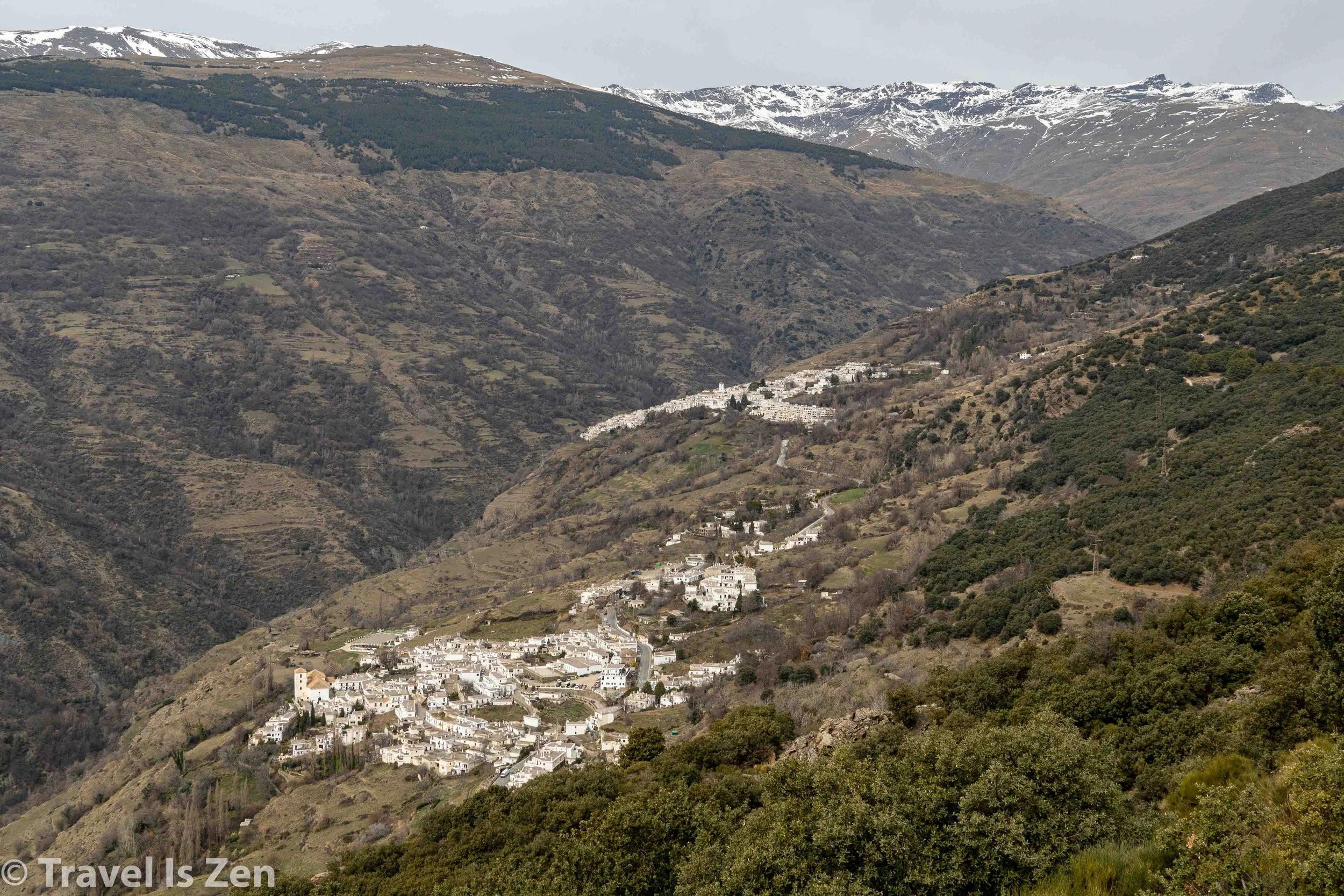
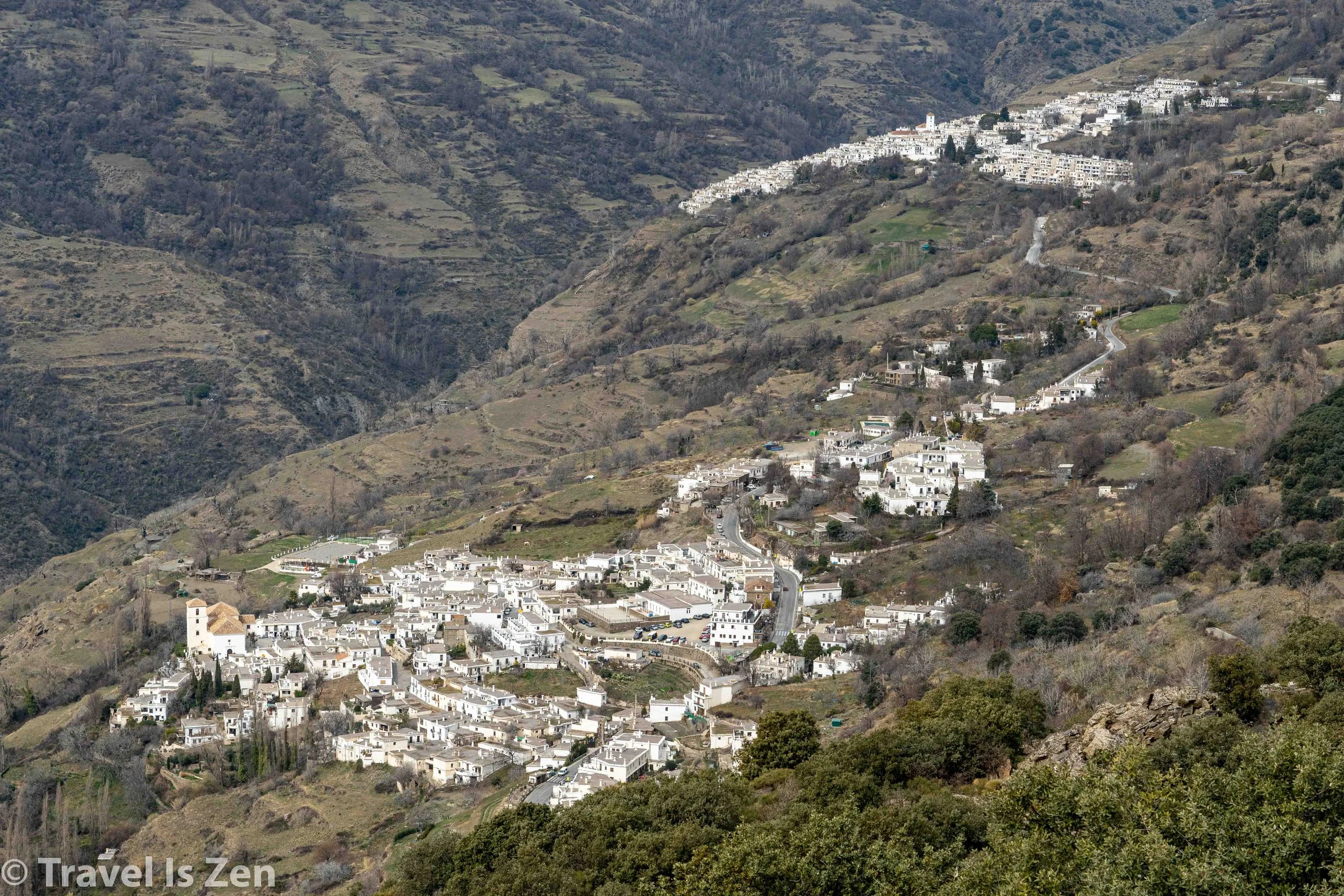
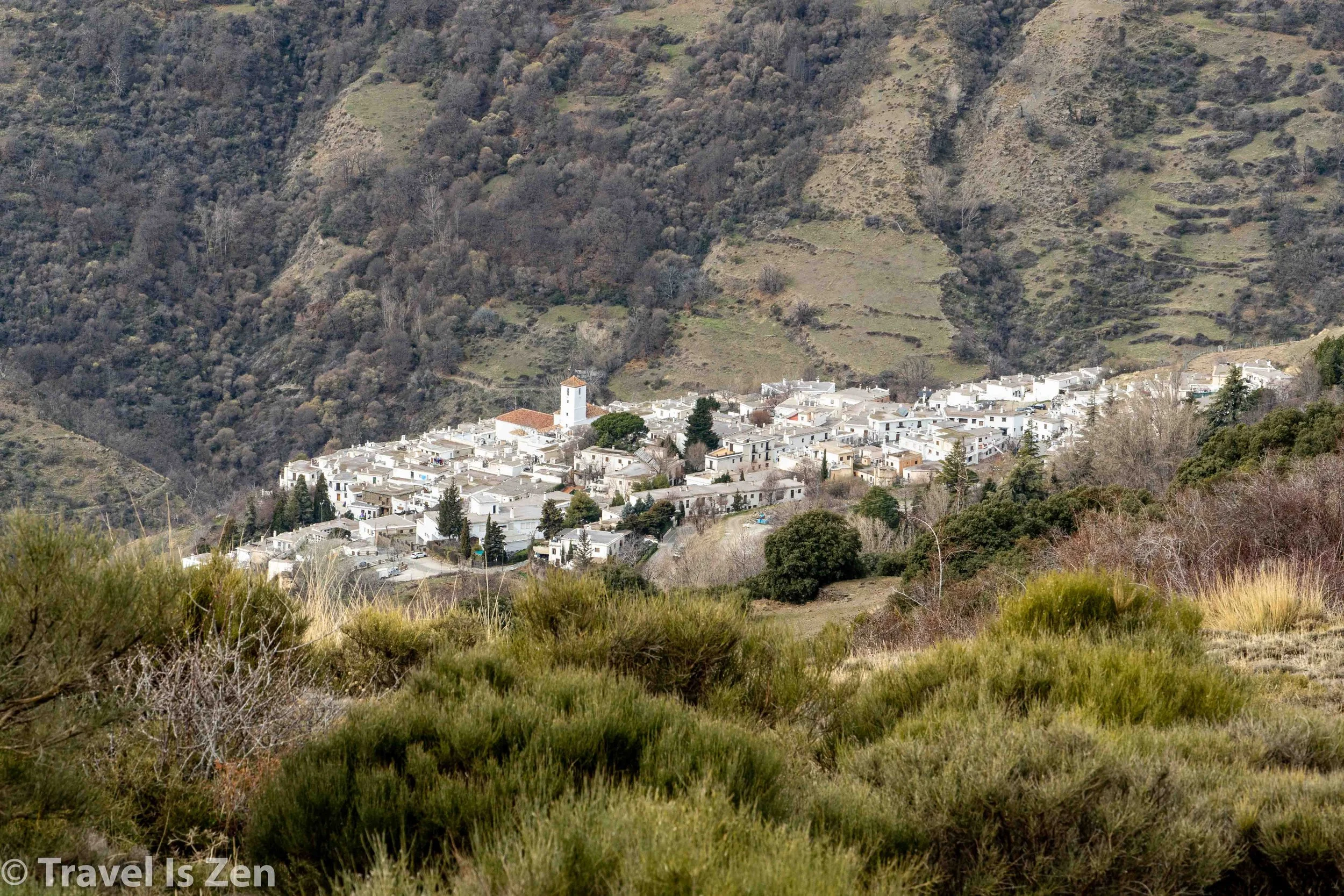
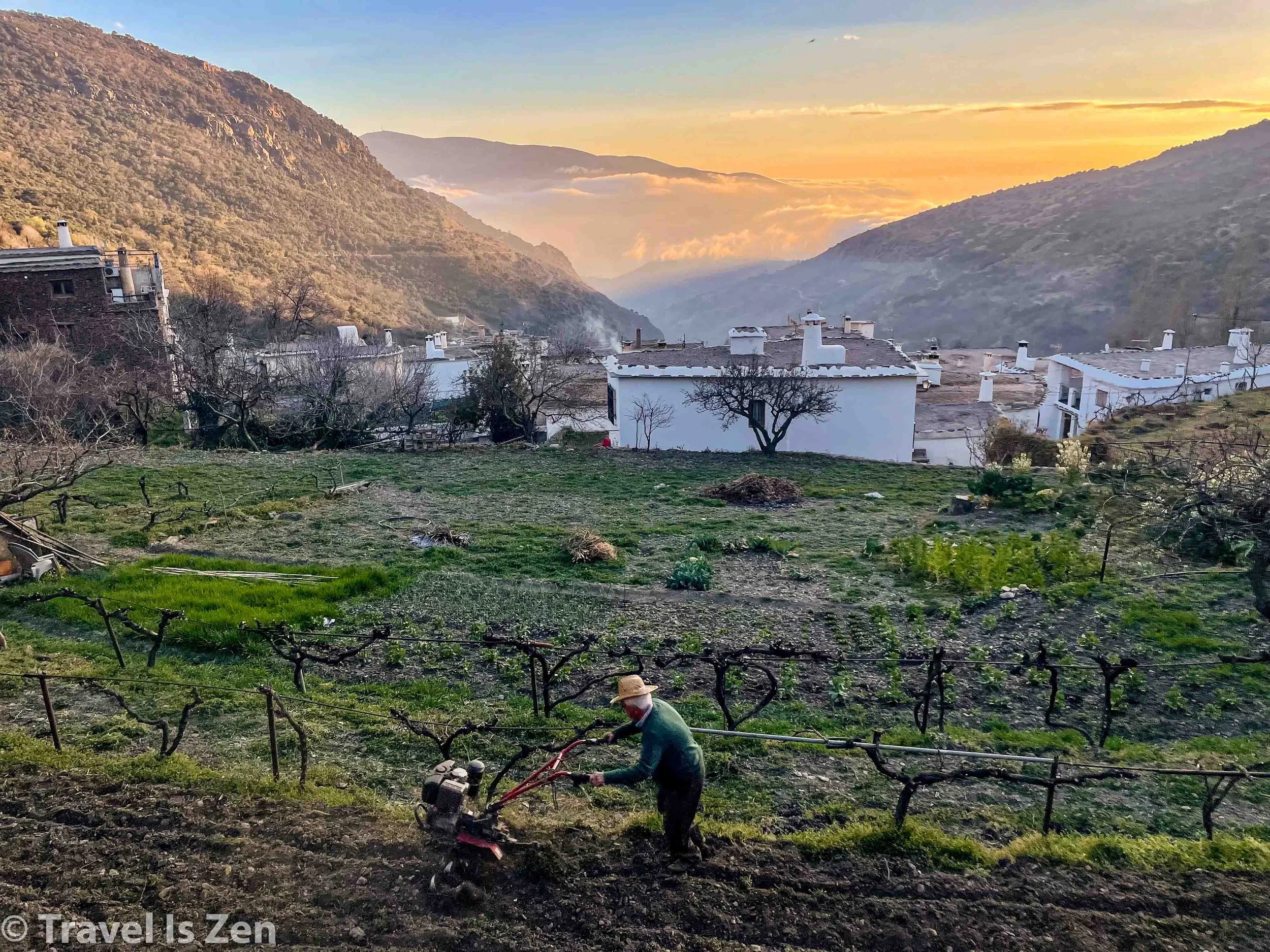
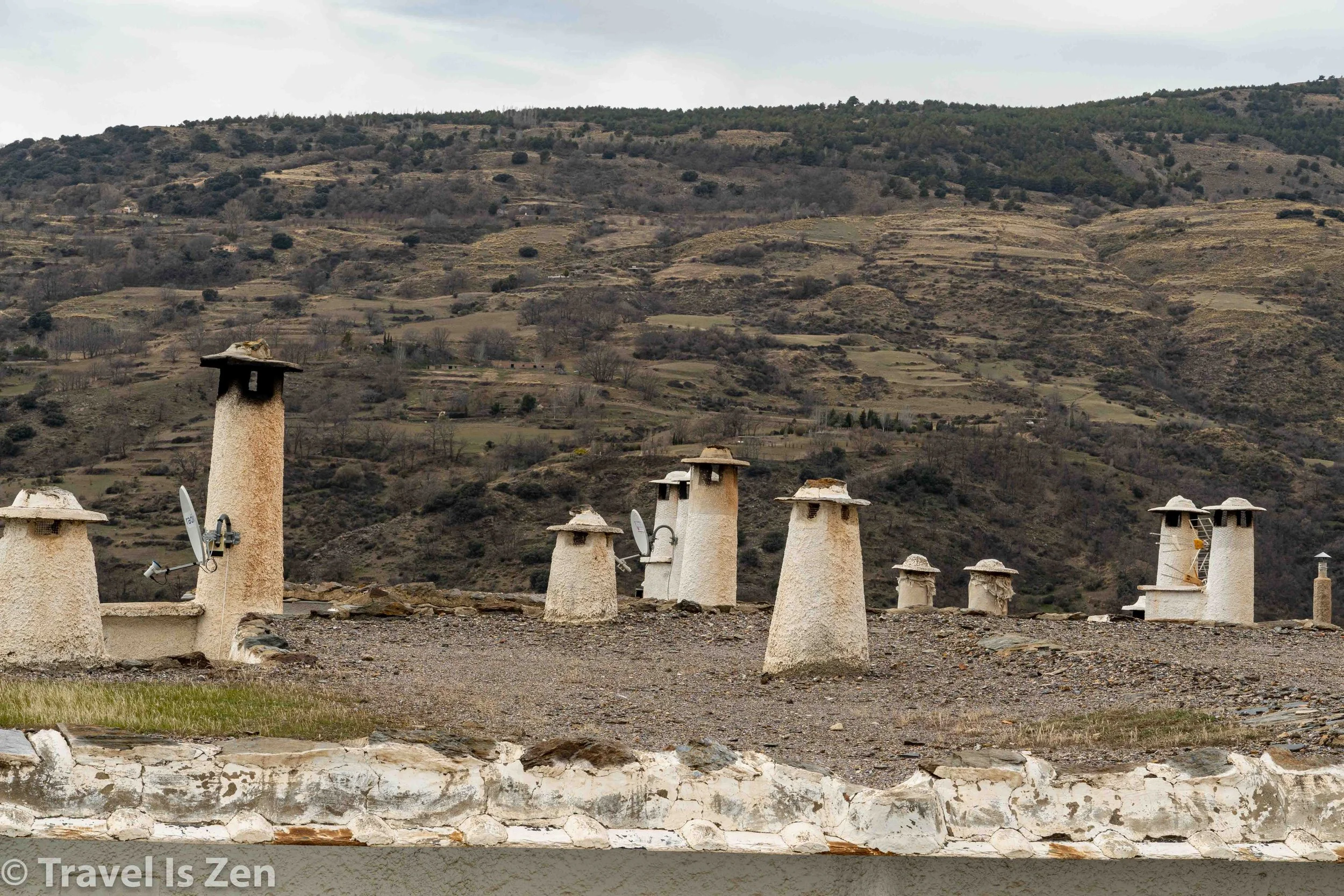
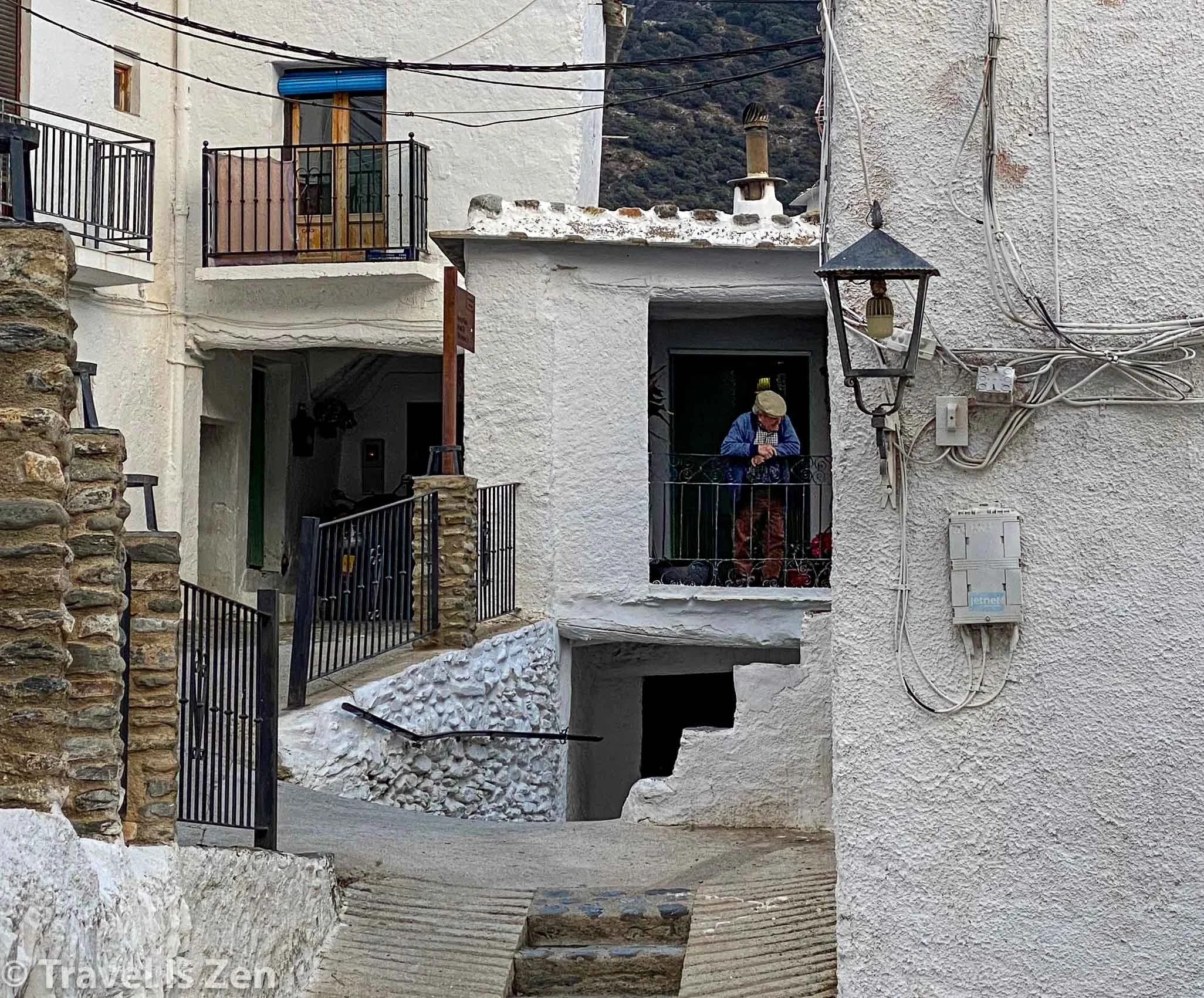
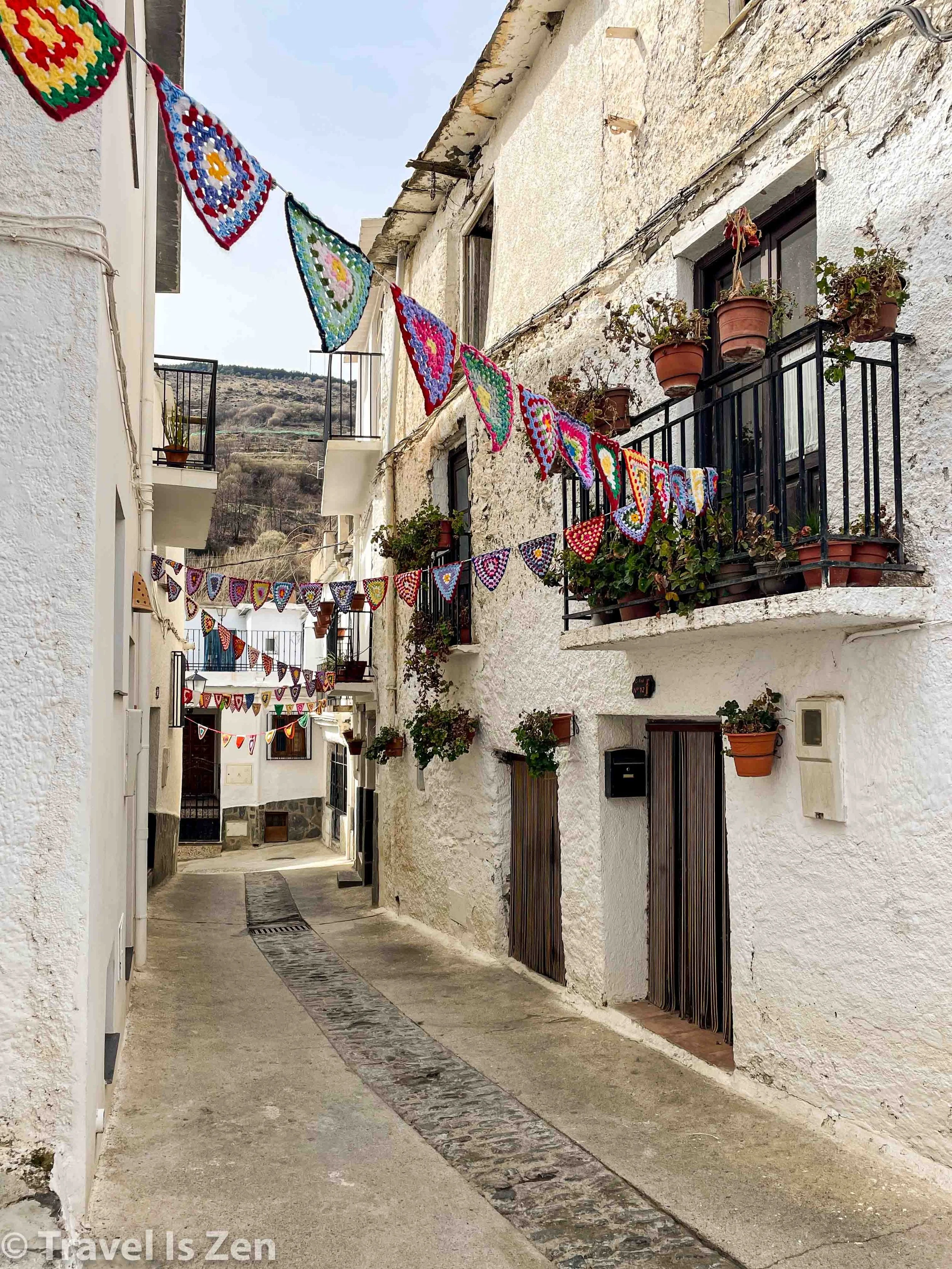
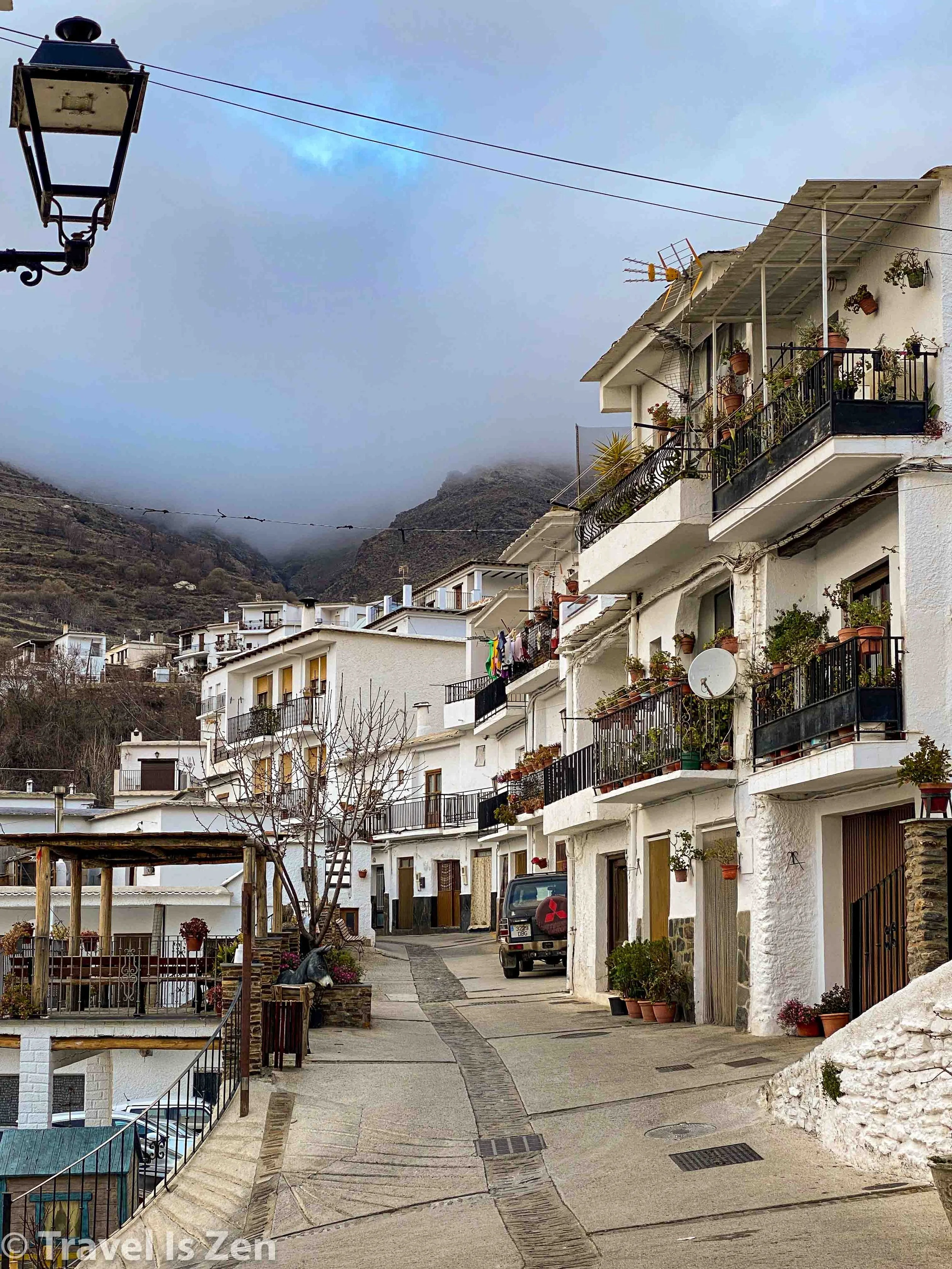
As the sound of the lumbering bus faded, we were left in blissful silence. We encountered not a soul as we walked down a single-lane (at best!) cobble stone street in the direction of our accommodation. Smoke wafted from conical chimneys atop flat-roofed, stacked-stone and white plastered abodes; pink geraniums dangled from iron-wrought windowsills. The occasional satellite dish and power lines were the only external clues of modernity. Inside our rented AirBnB, however, we had all the creature comforts: high-speed wifi, heating and air conditioning, hot faucets and a functional kitchen. Rustic on the outside; comfy on the inside.
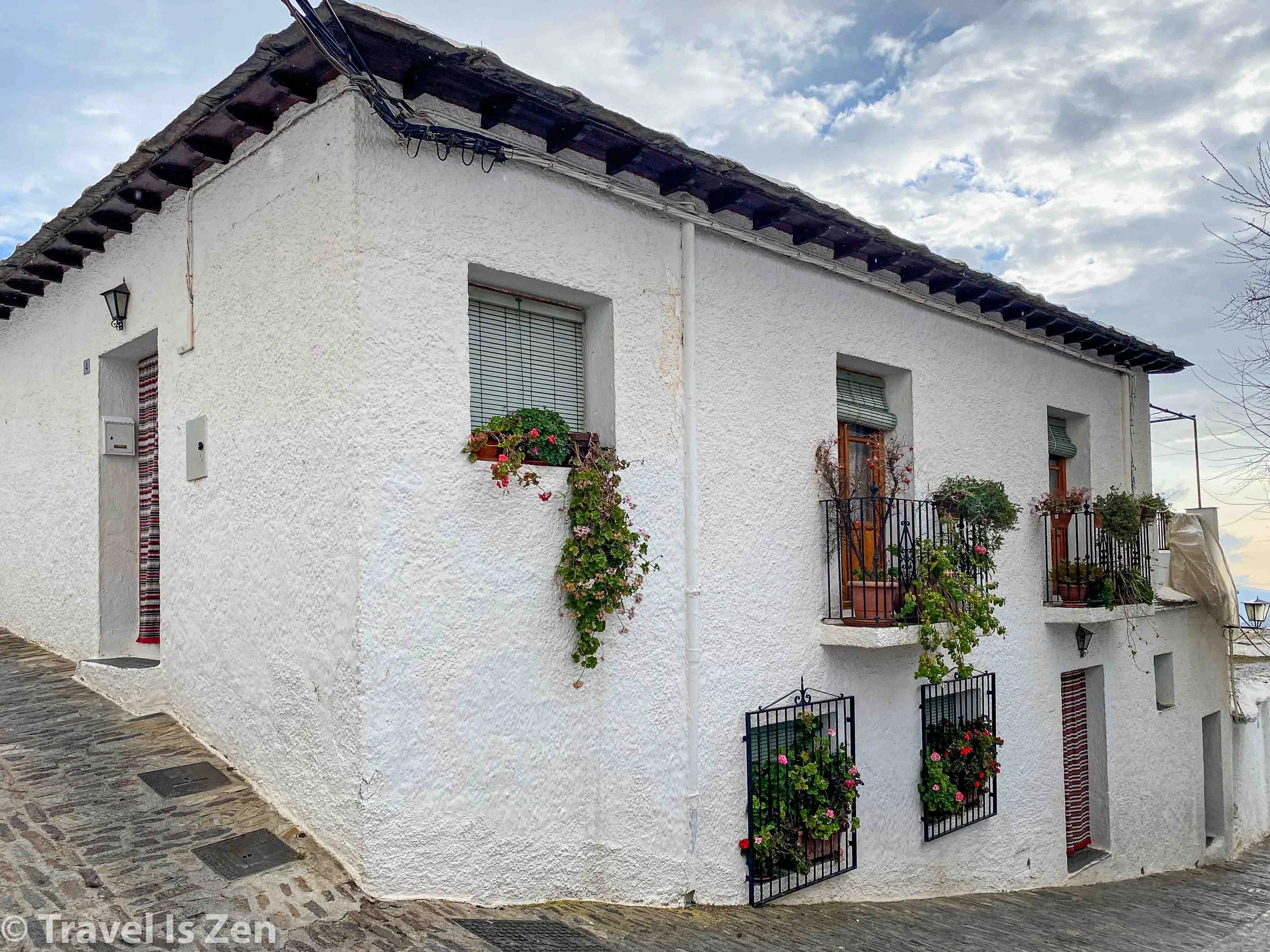
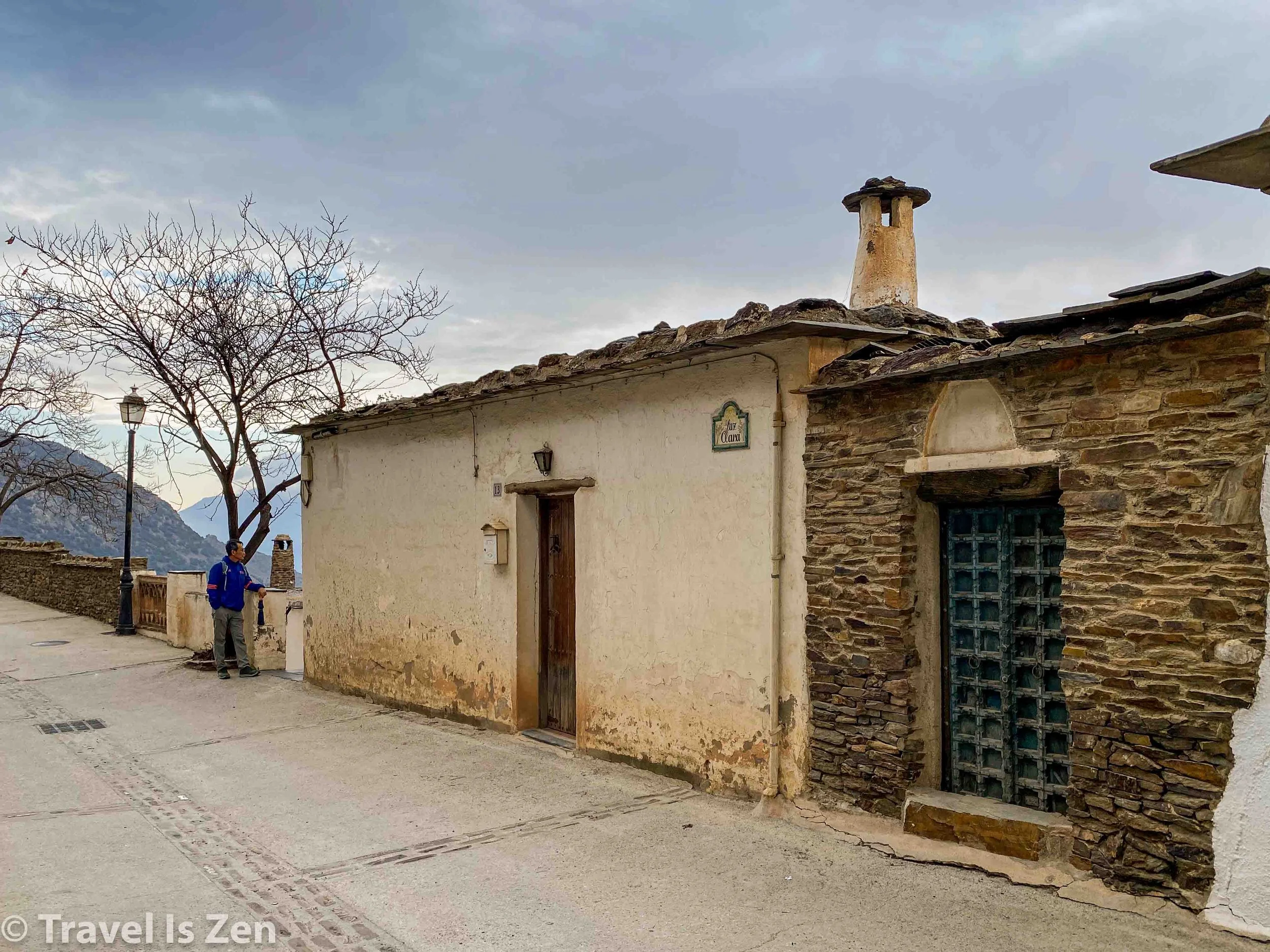
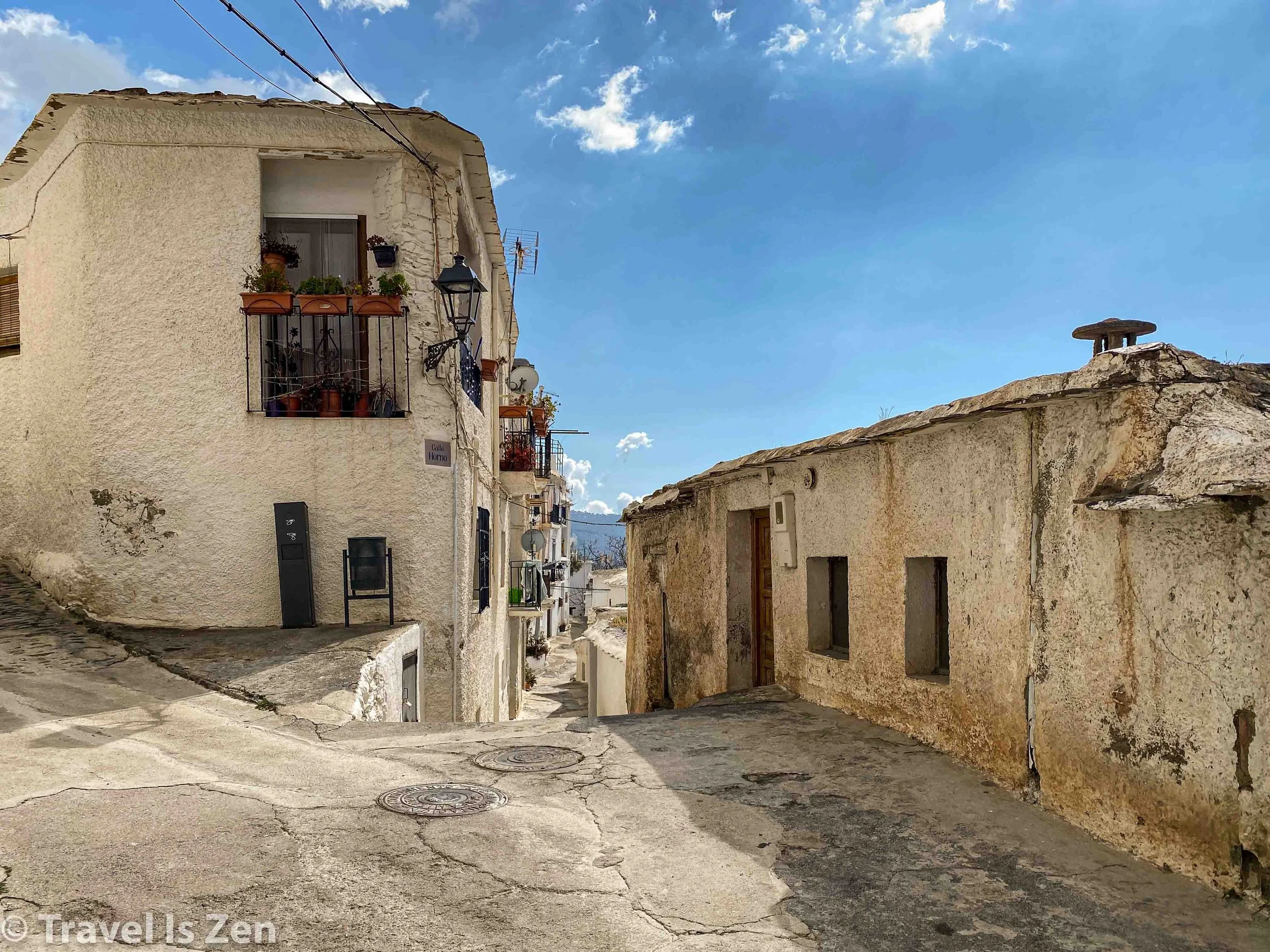
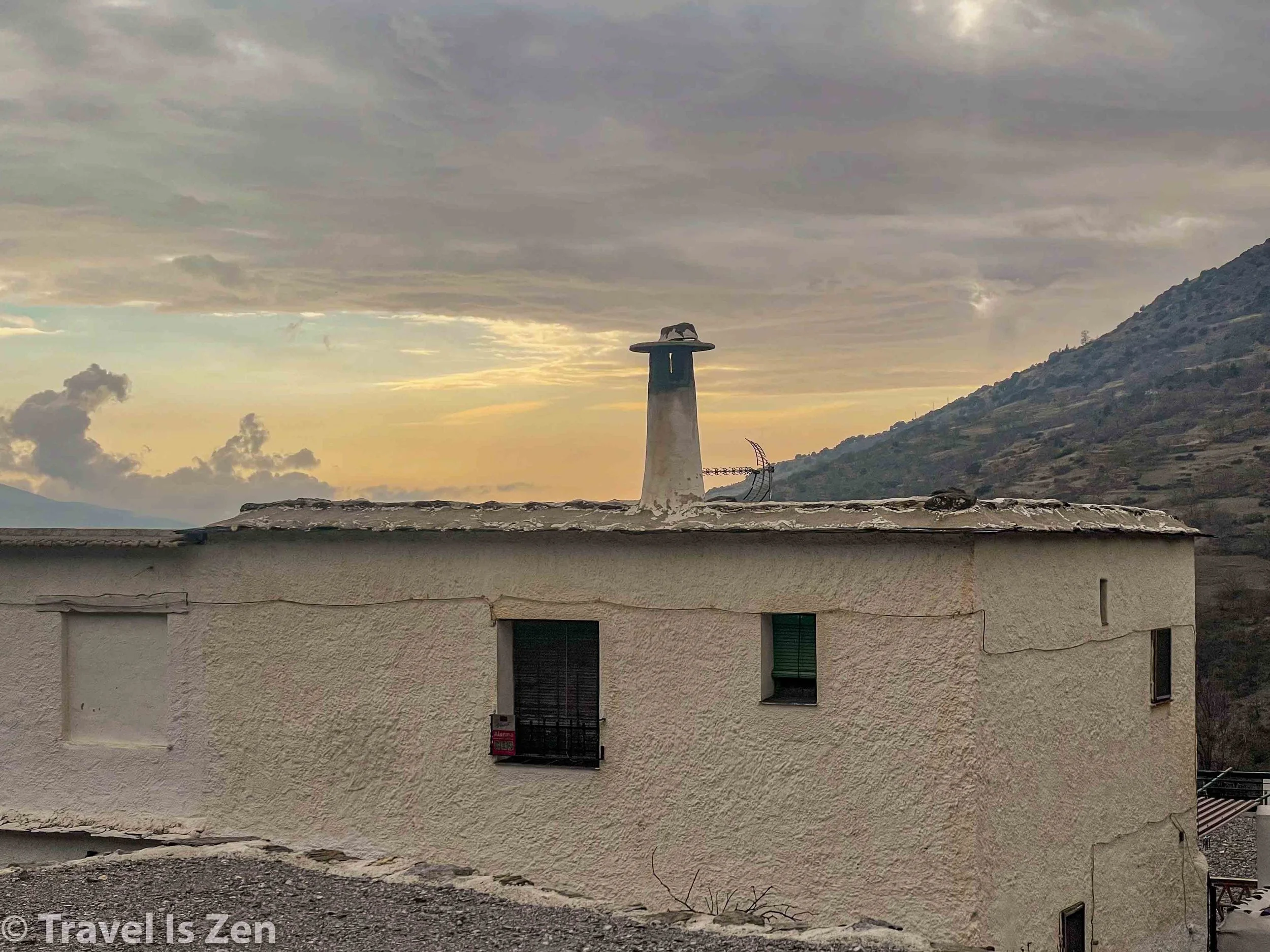
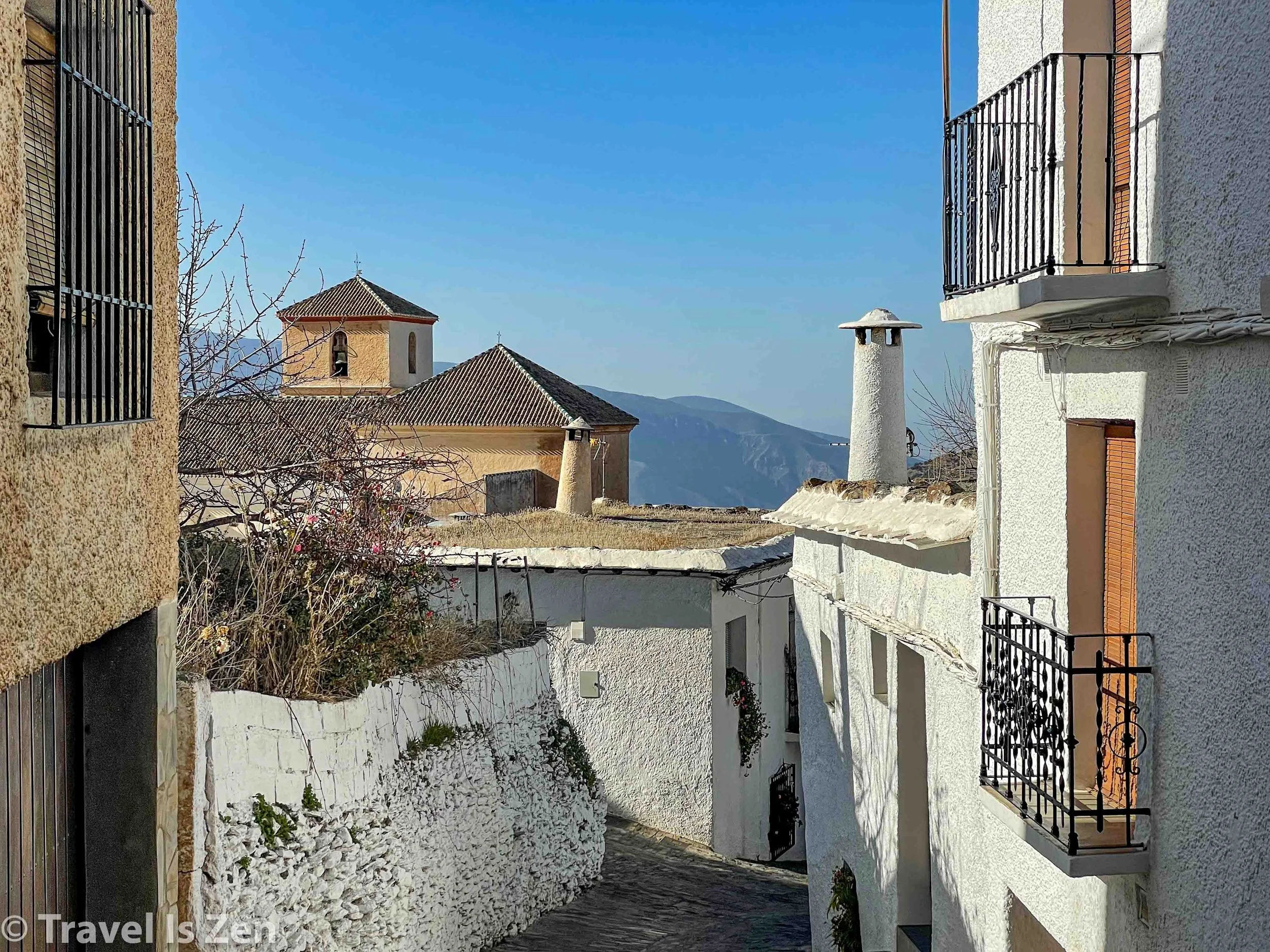
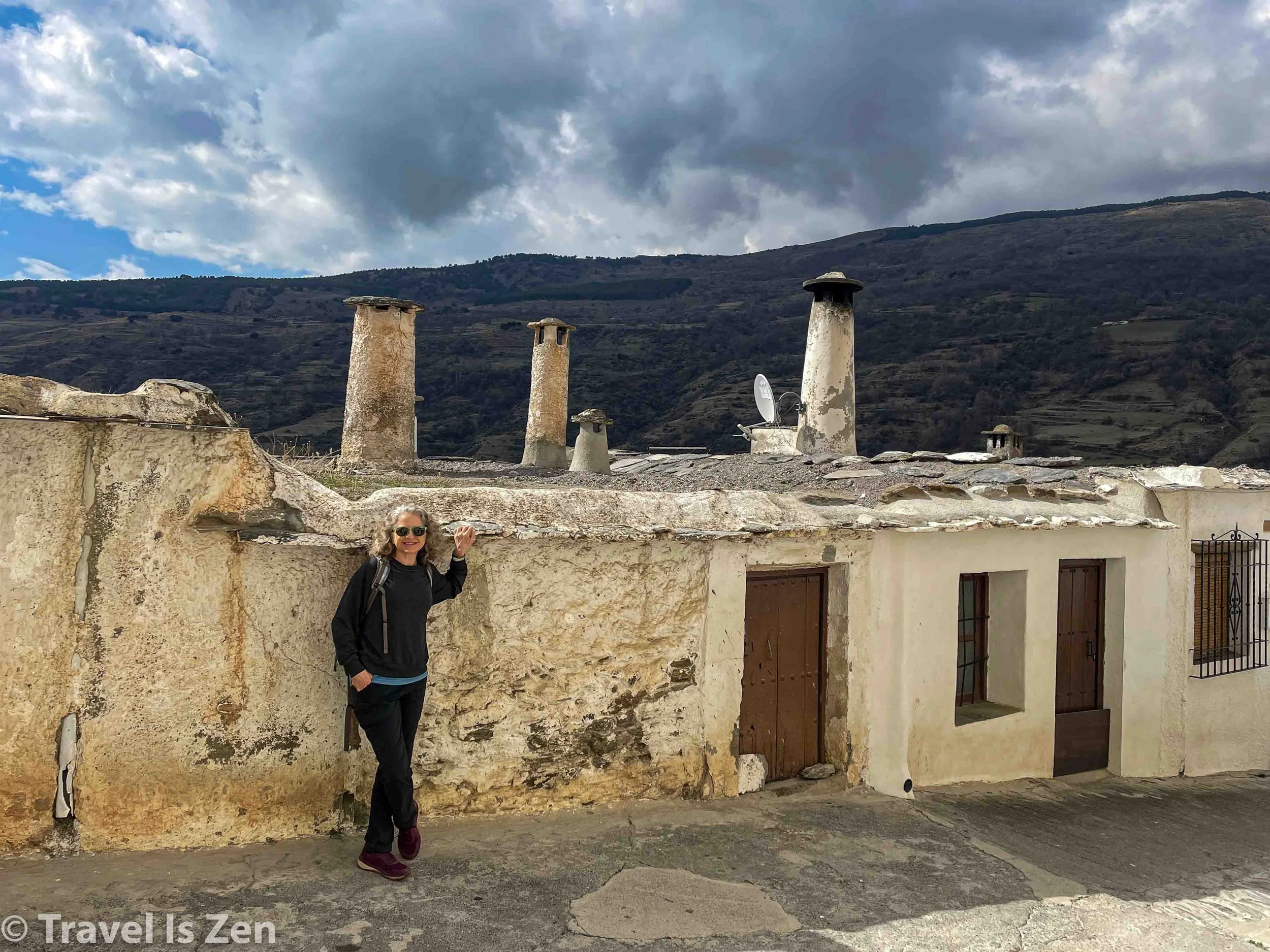
It was late afternoon and the town of Bubion was cast in an inviting golden hue. We decided to stretch our legs with an exploratory stroll to Pampaneira, about a half mile up the mountain. The main road has several miradors with sweeping views of the valley, the cascading White Towns, and — far off in the distance, eyes squinting — a few sparkles suggesting the bounce of light off the Mediterranean.
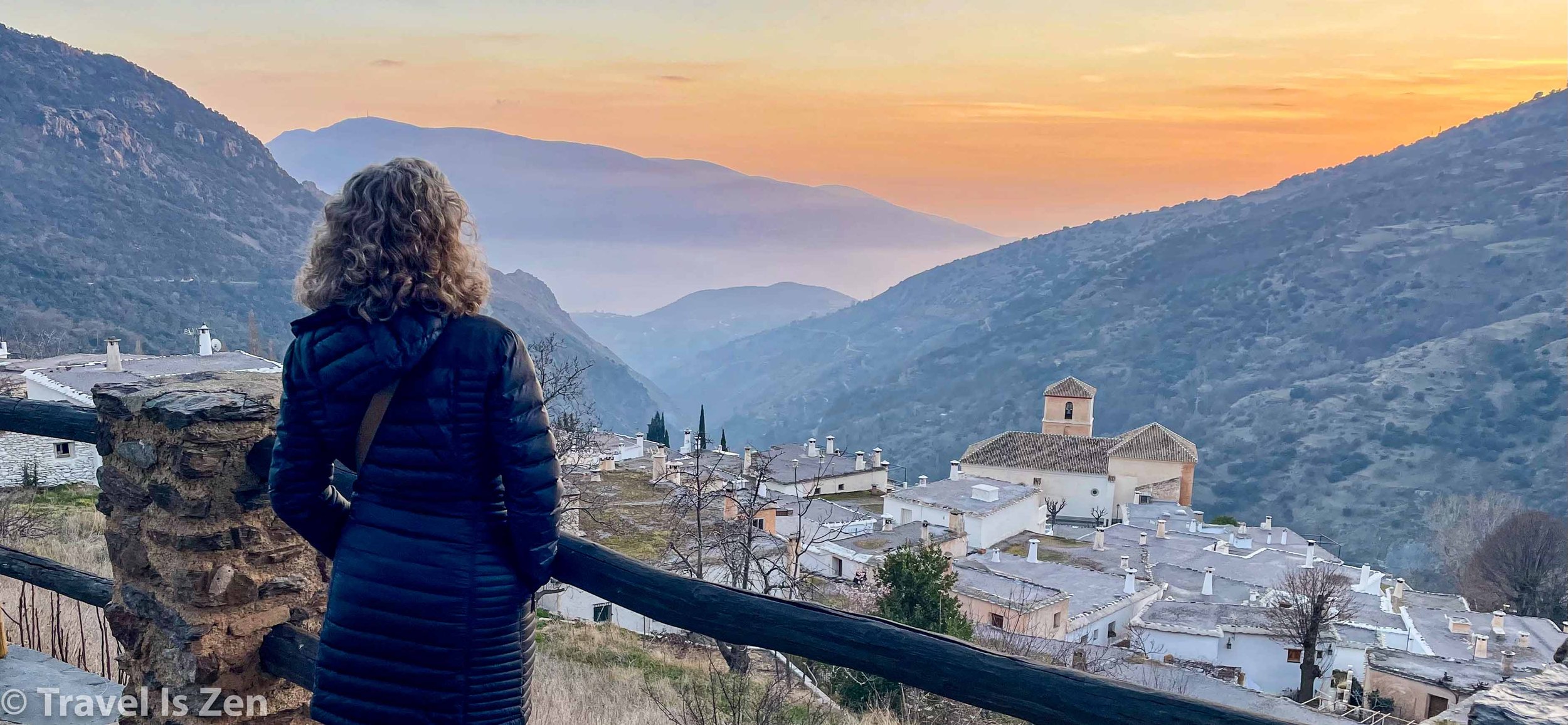
Miradow above Bubion, Andalucia, Alpujarras, Spain
We were, of course, here to hike. After a restful evening, we headed out early to explore the trails. We chose a loop trail from Bubion that gradually proceeded down into the valley, crossed a small stream over a solid foot bridge, and ascended the opposite side of the ravine. Although still technically winter, the smell of chives, freshly-tilled earth, and early apple blossoms were signs of an emerging Spring. The sun was high, the air was silent, and we paused to enjoy a short nap on a sunny patio of a long abandoned residence; directly across the ravine perched Bubion.
Click any photo for a larger slideshow…
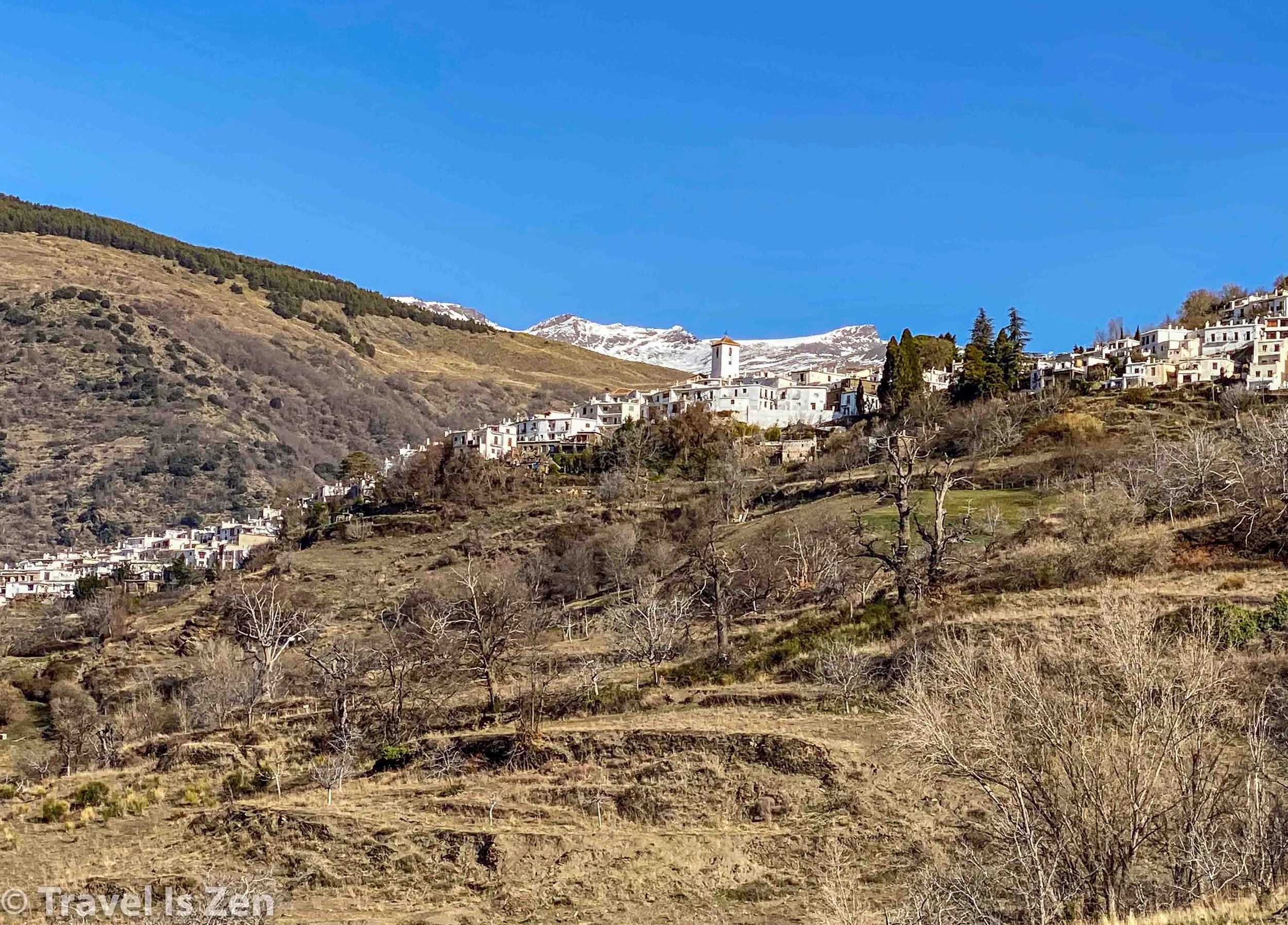
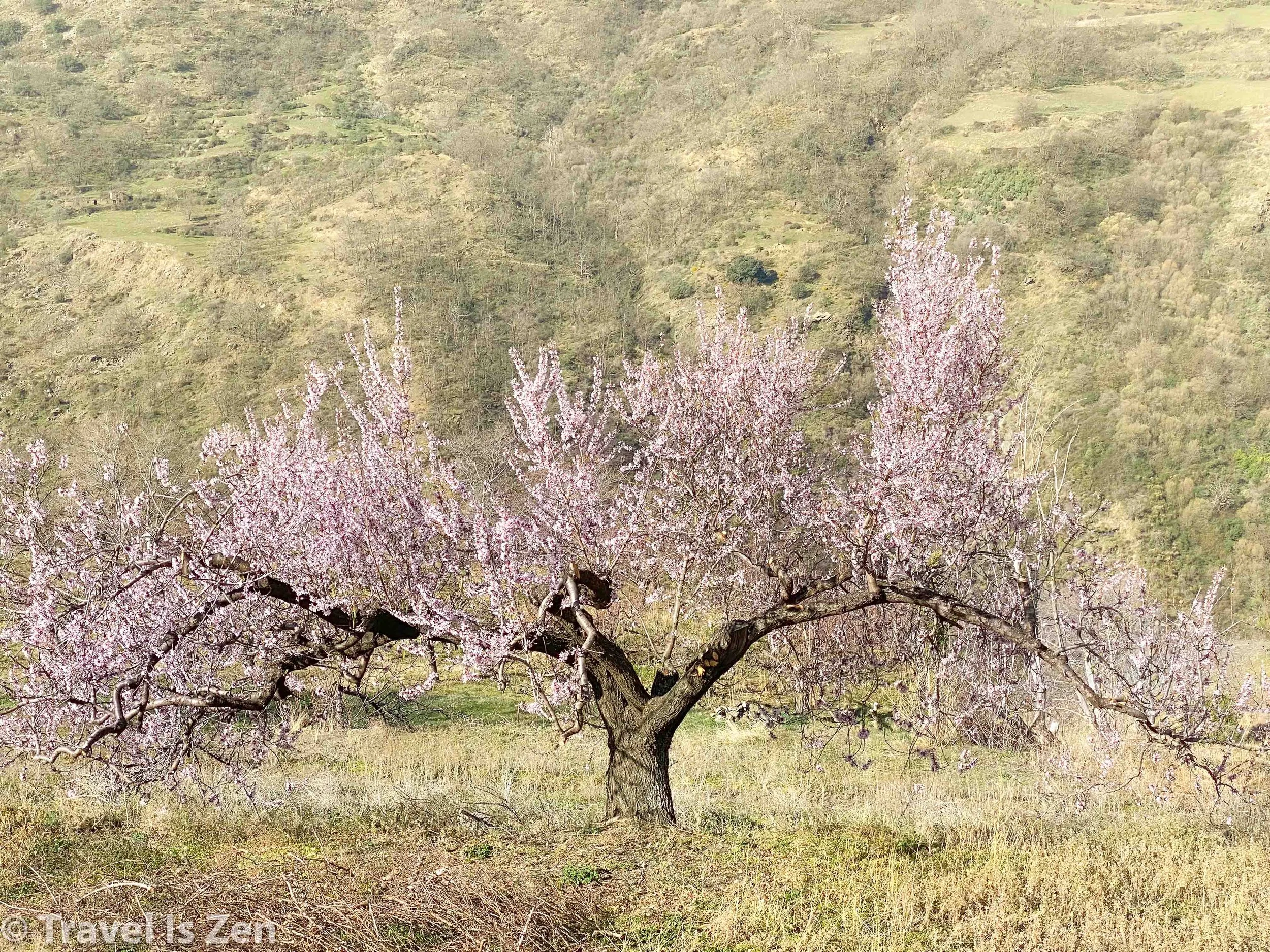
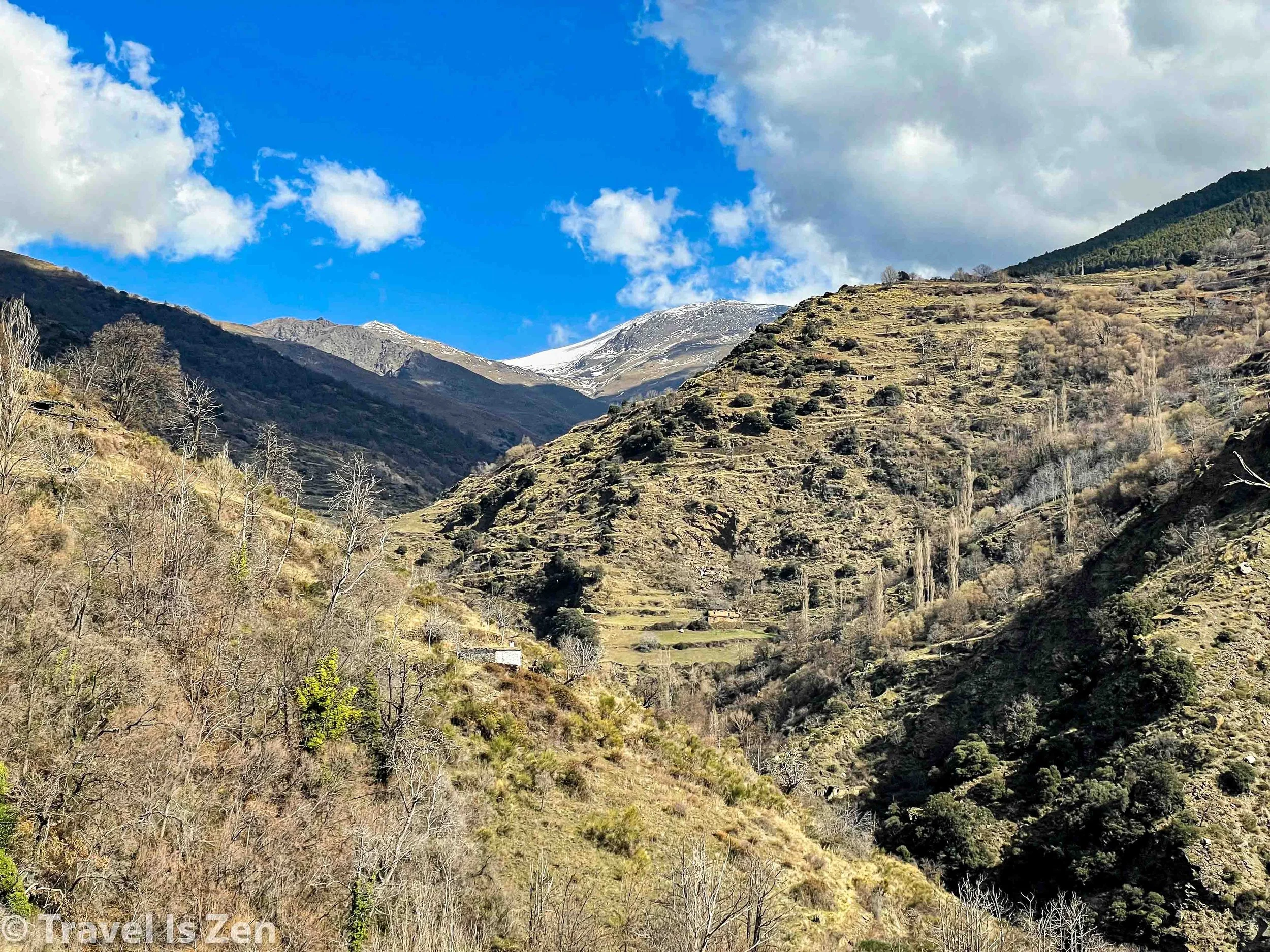
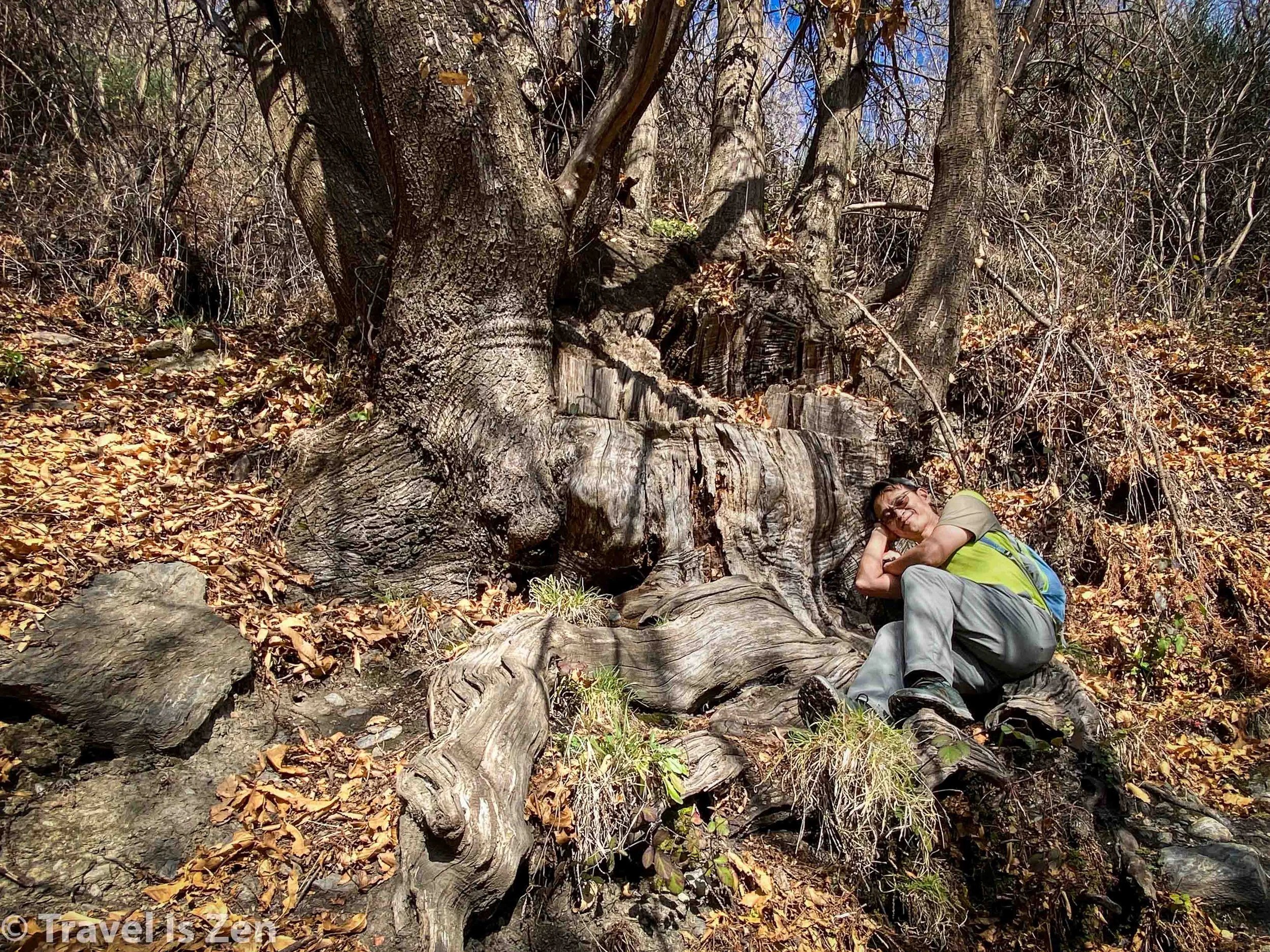
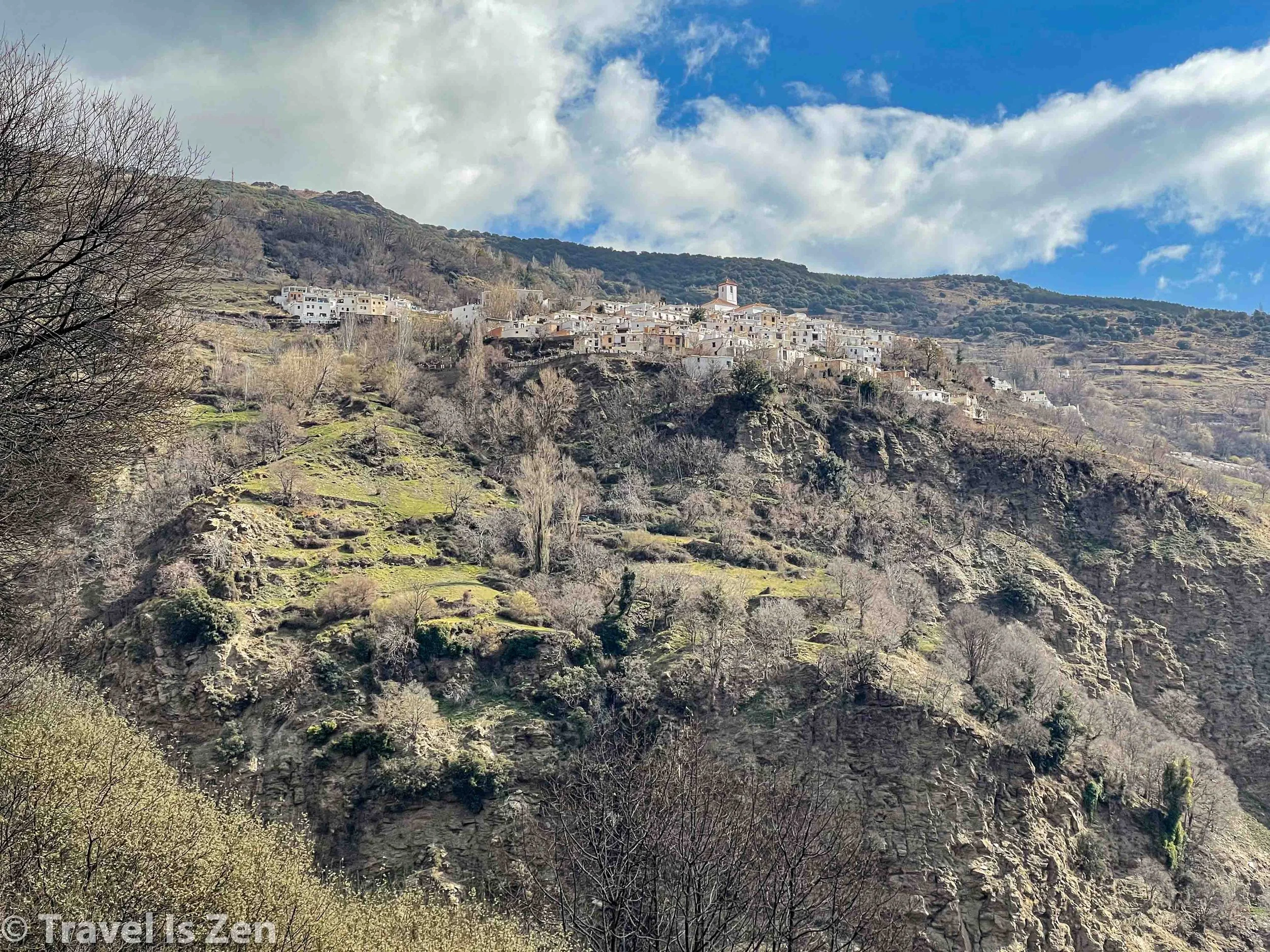
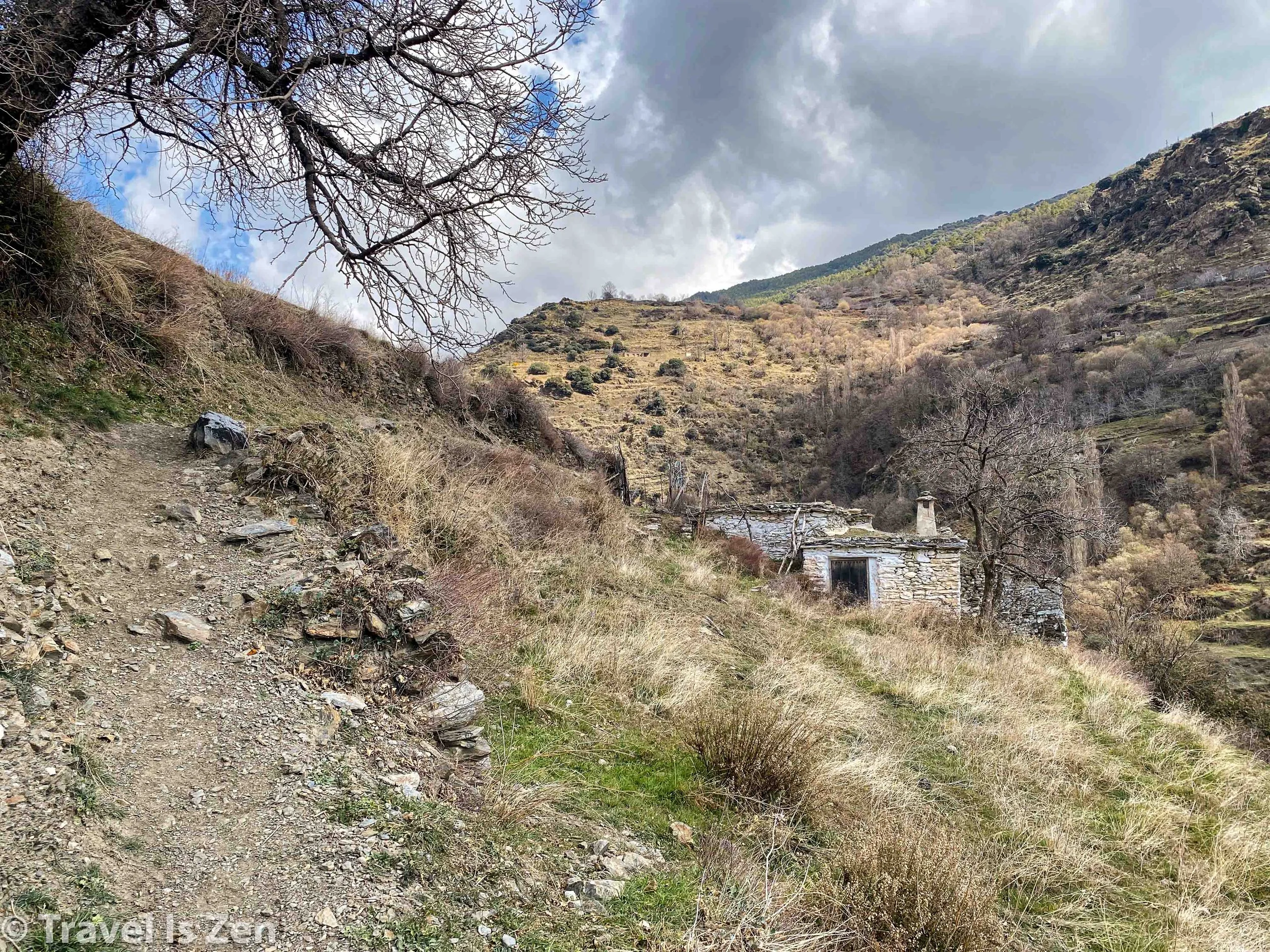
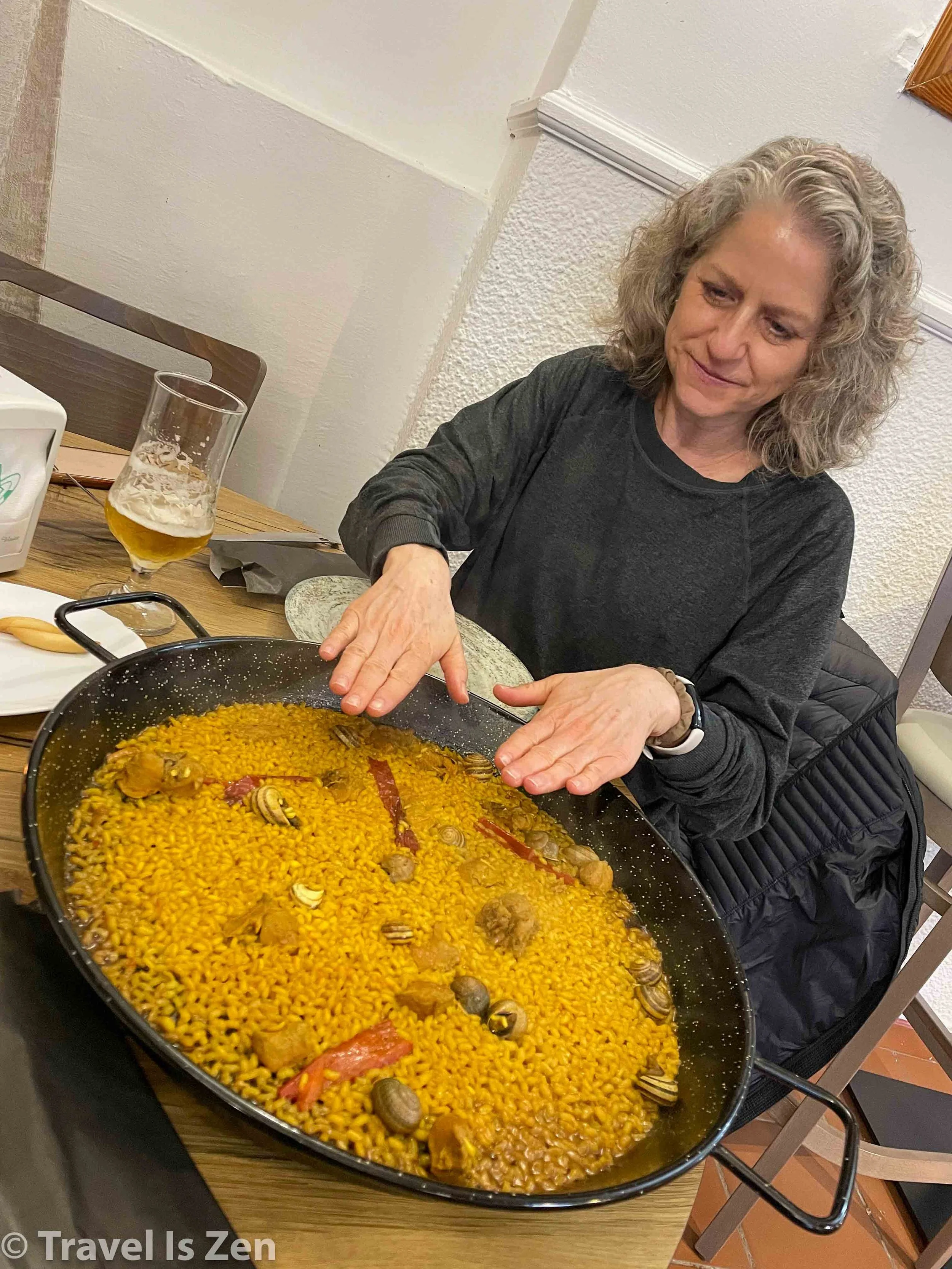
From there, the trail looped back across the stream to exit the trail higher up the mountain in Pampaneira. It was about a 5 mile loop. We had an excellent post-hike pan of paella at the only restaurant open during the week in the off-season.
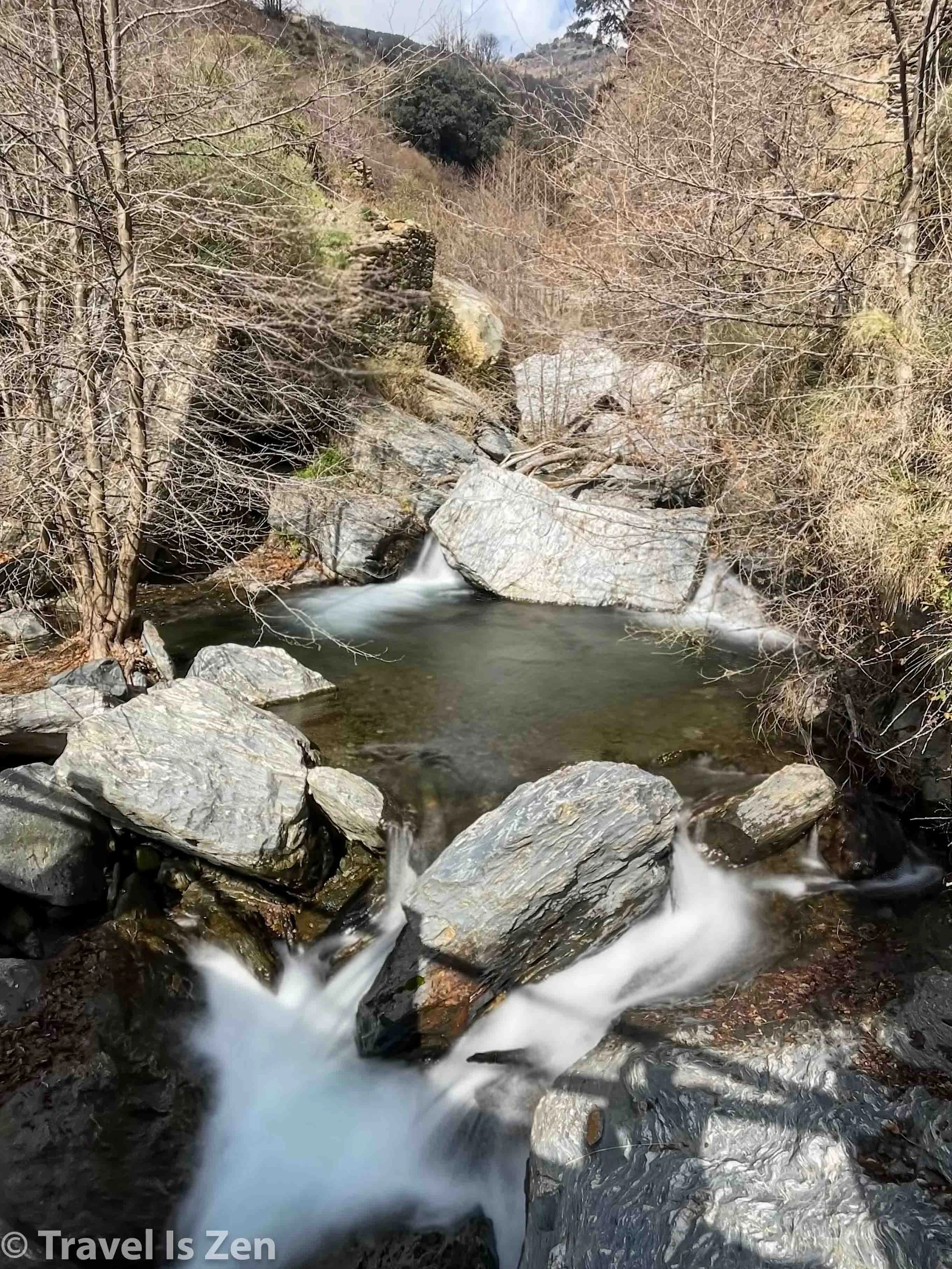
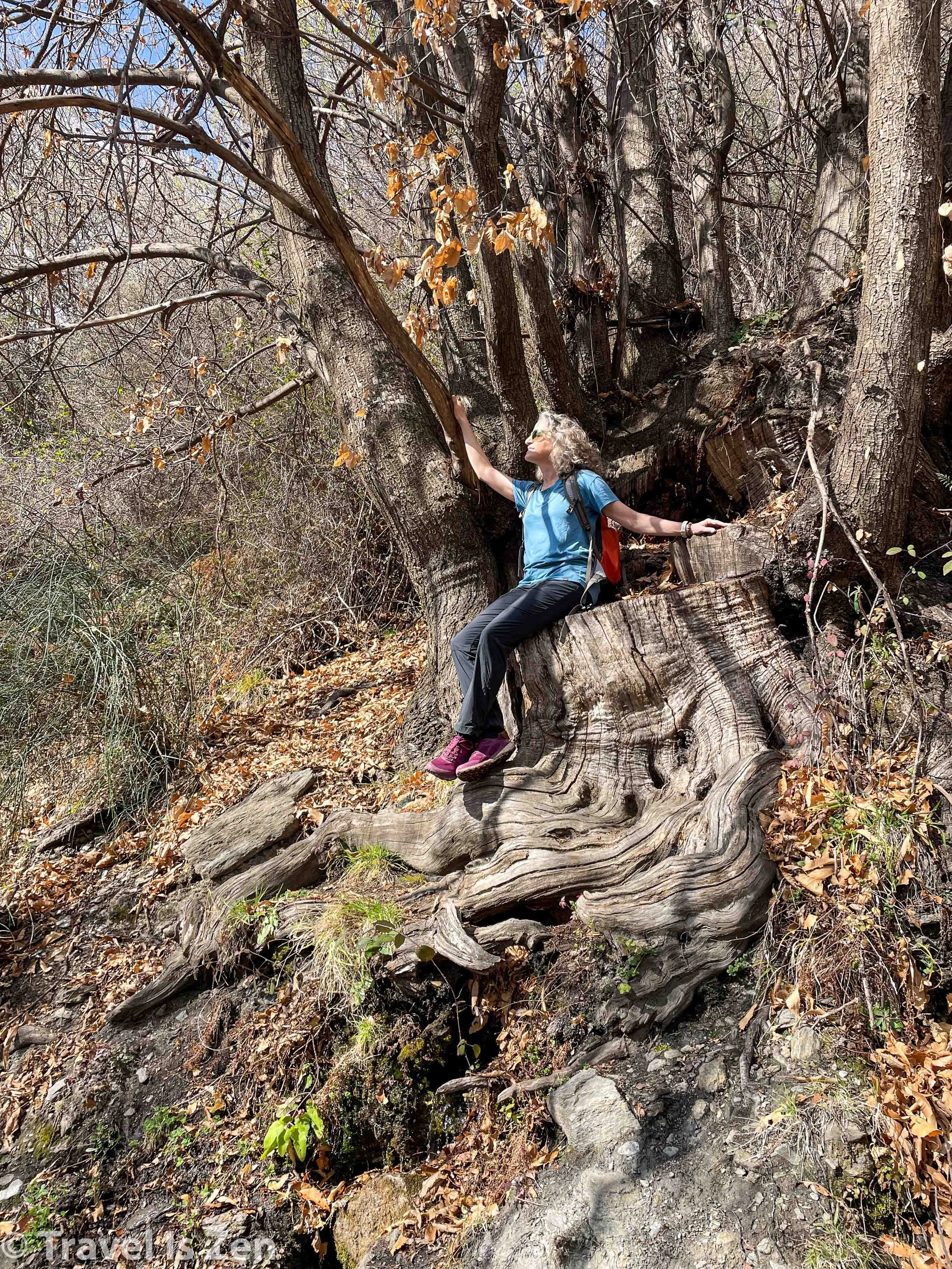
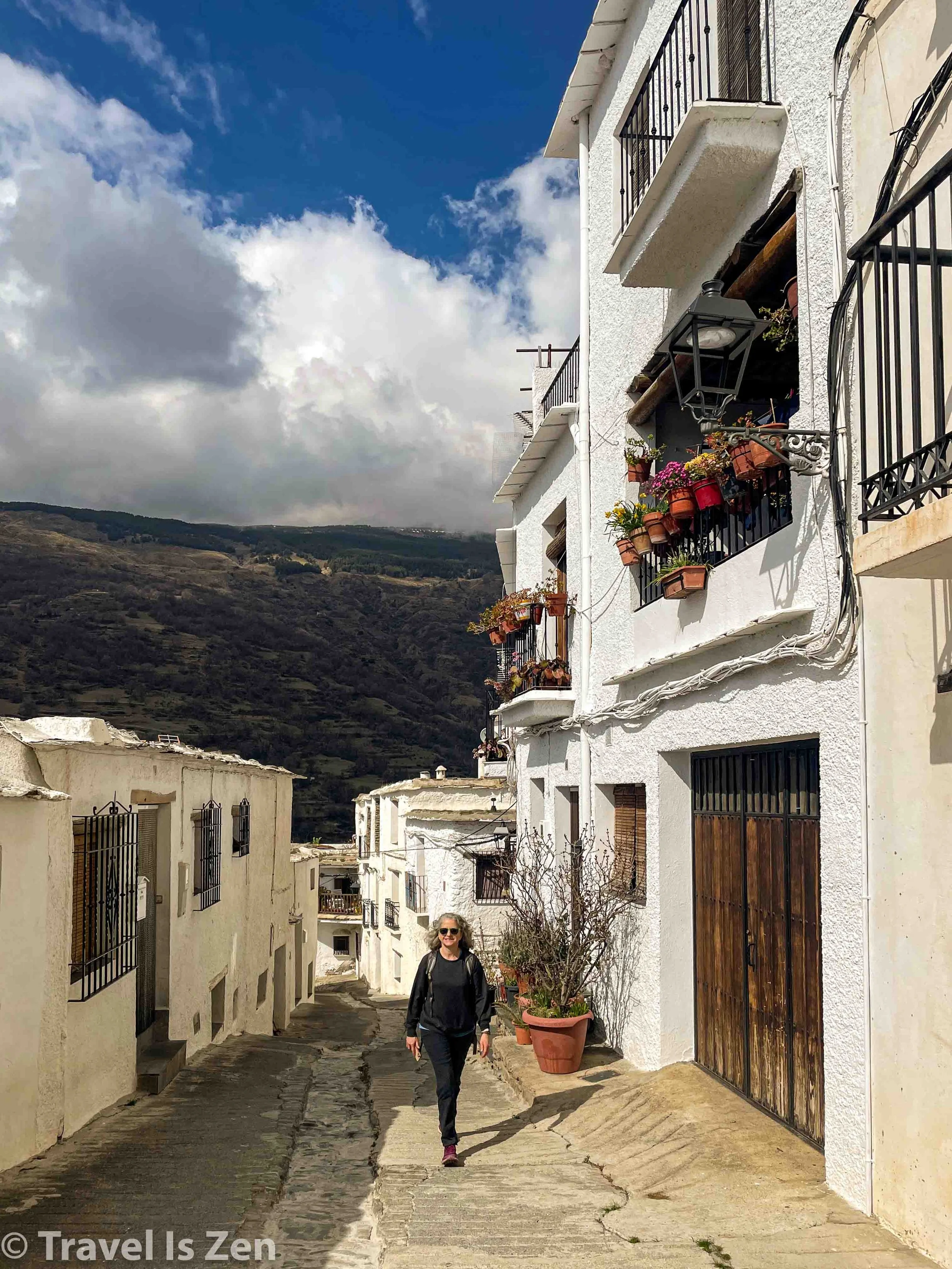
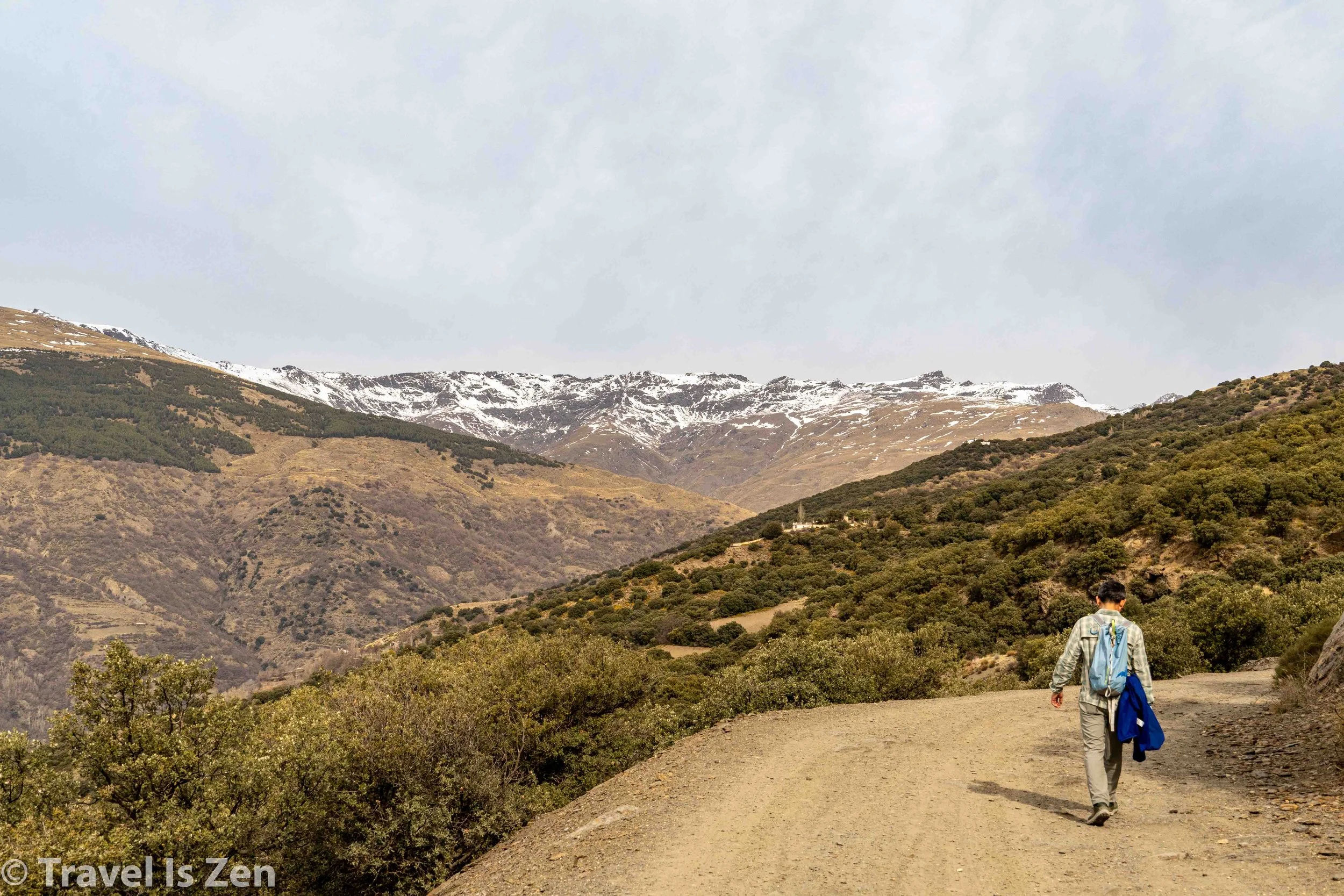
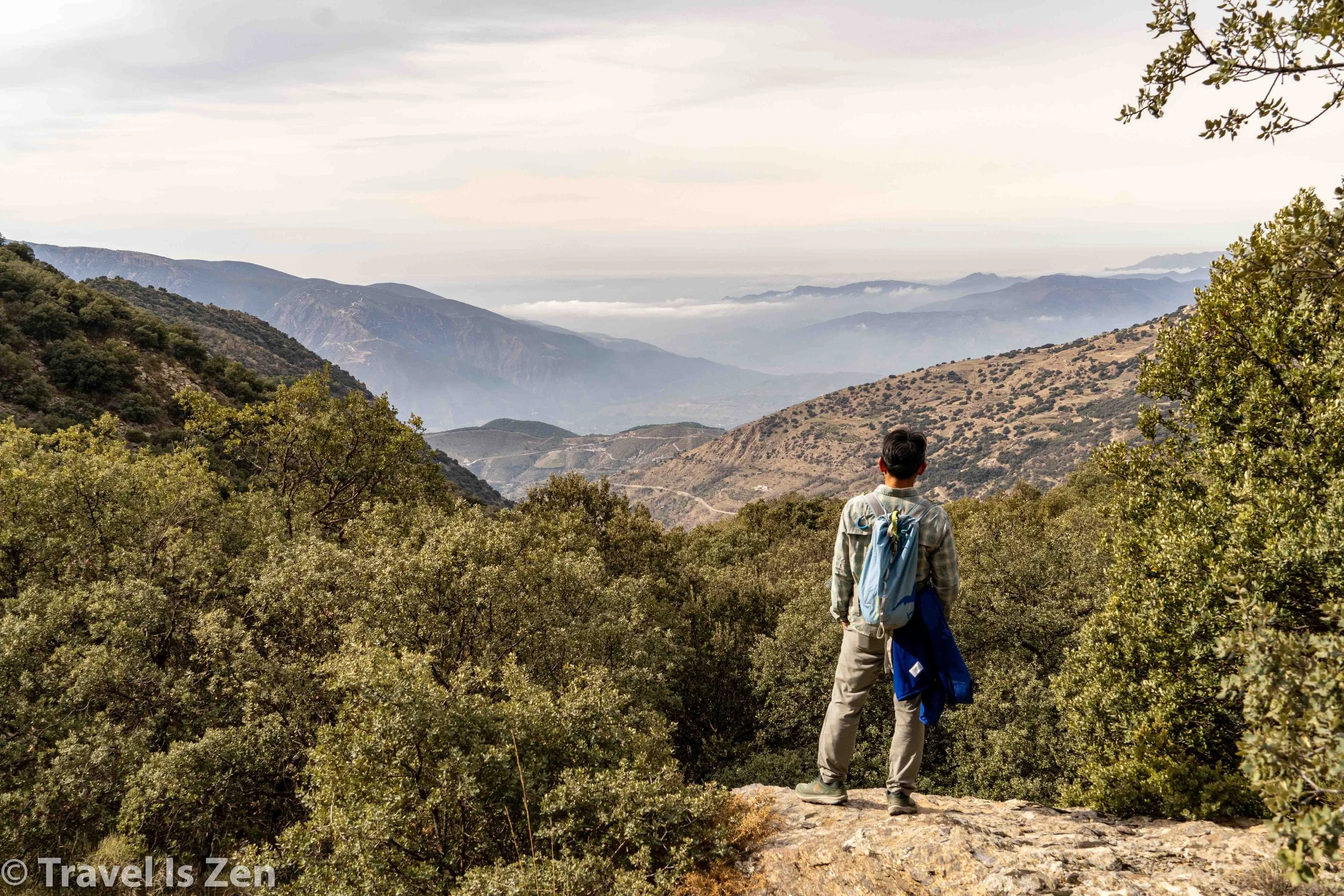
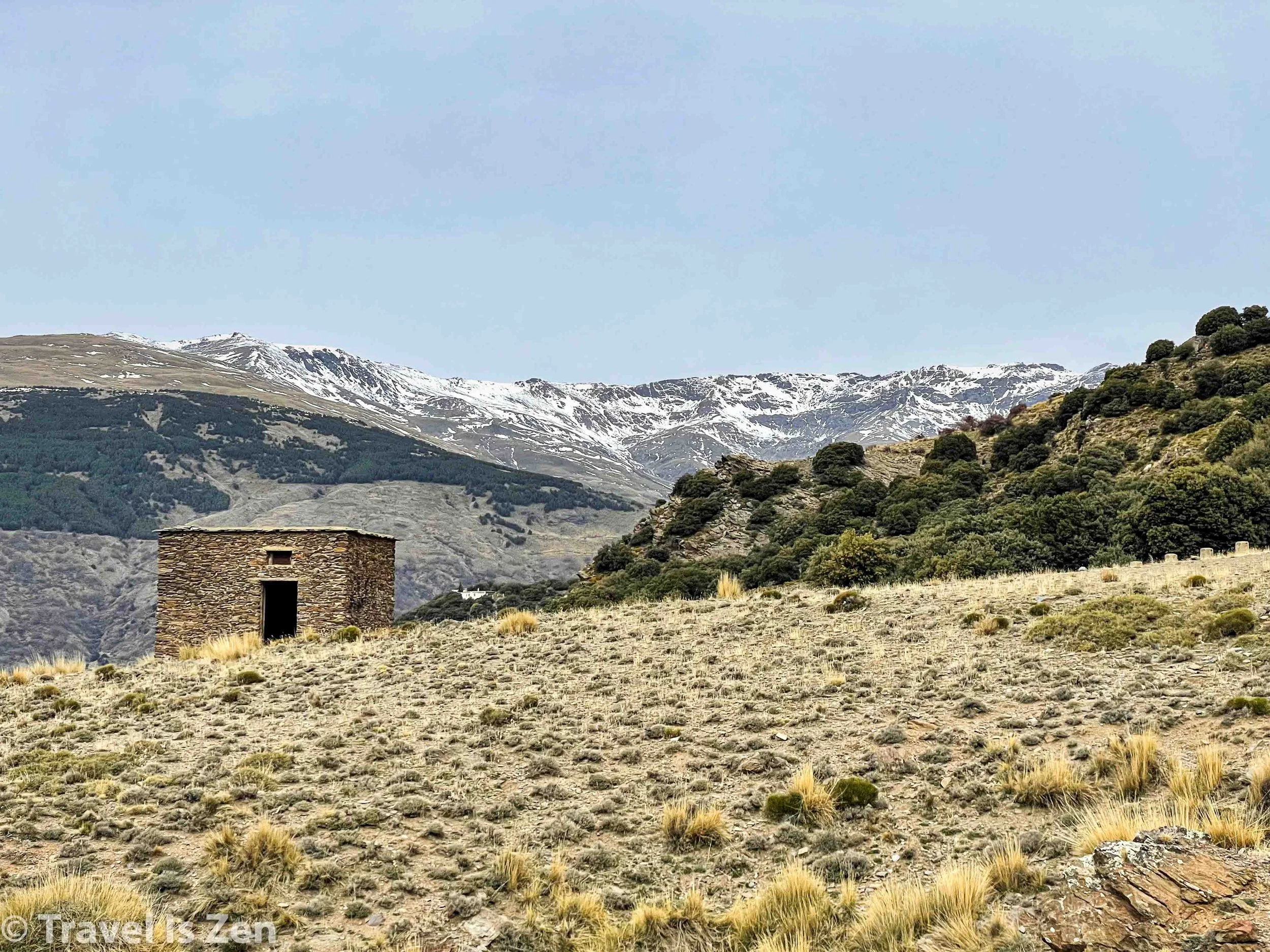
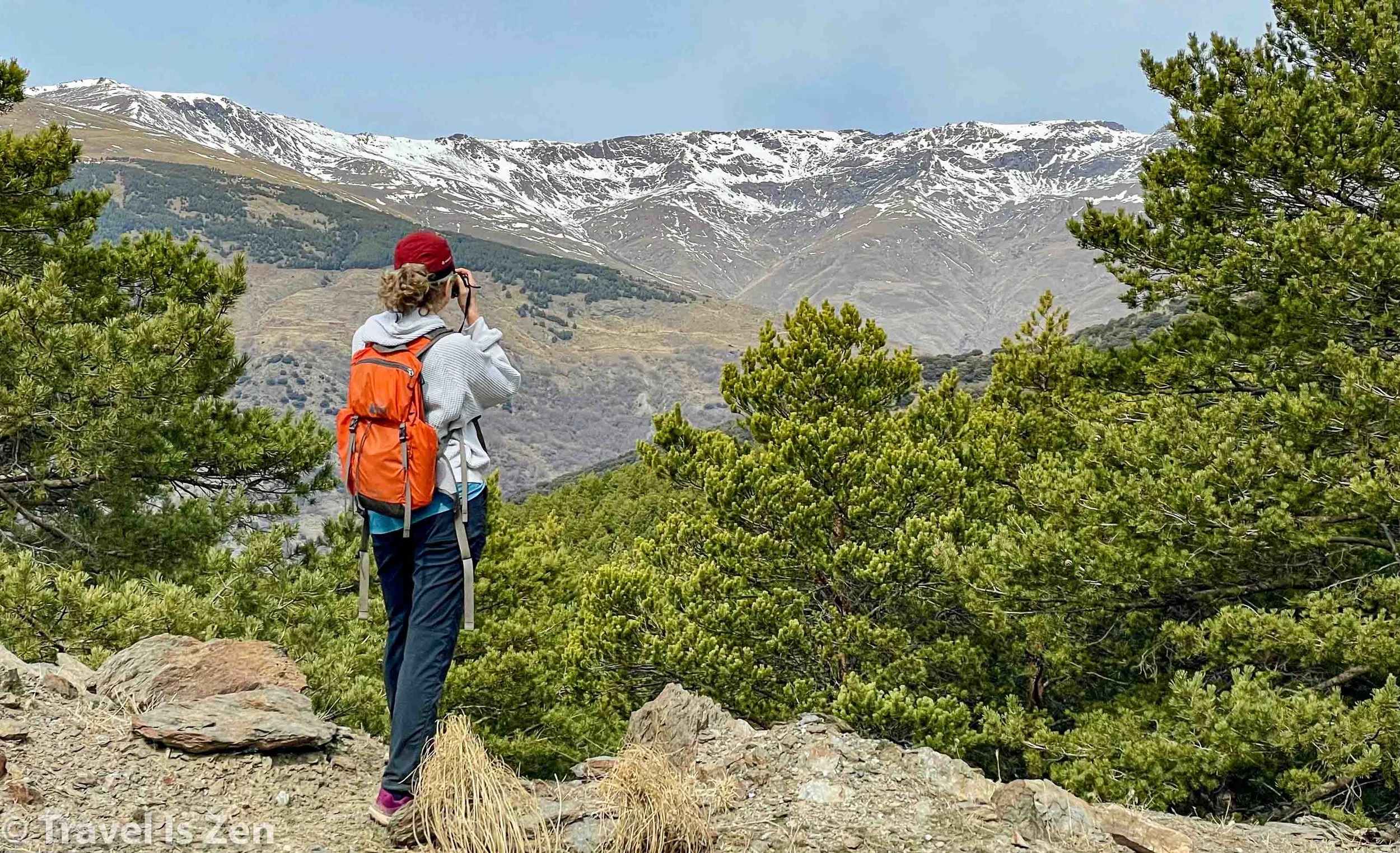
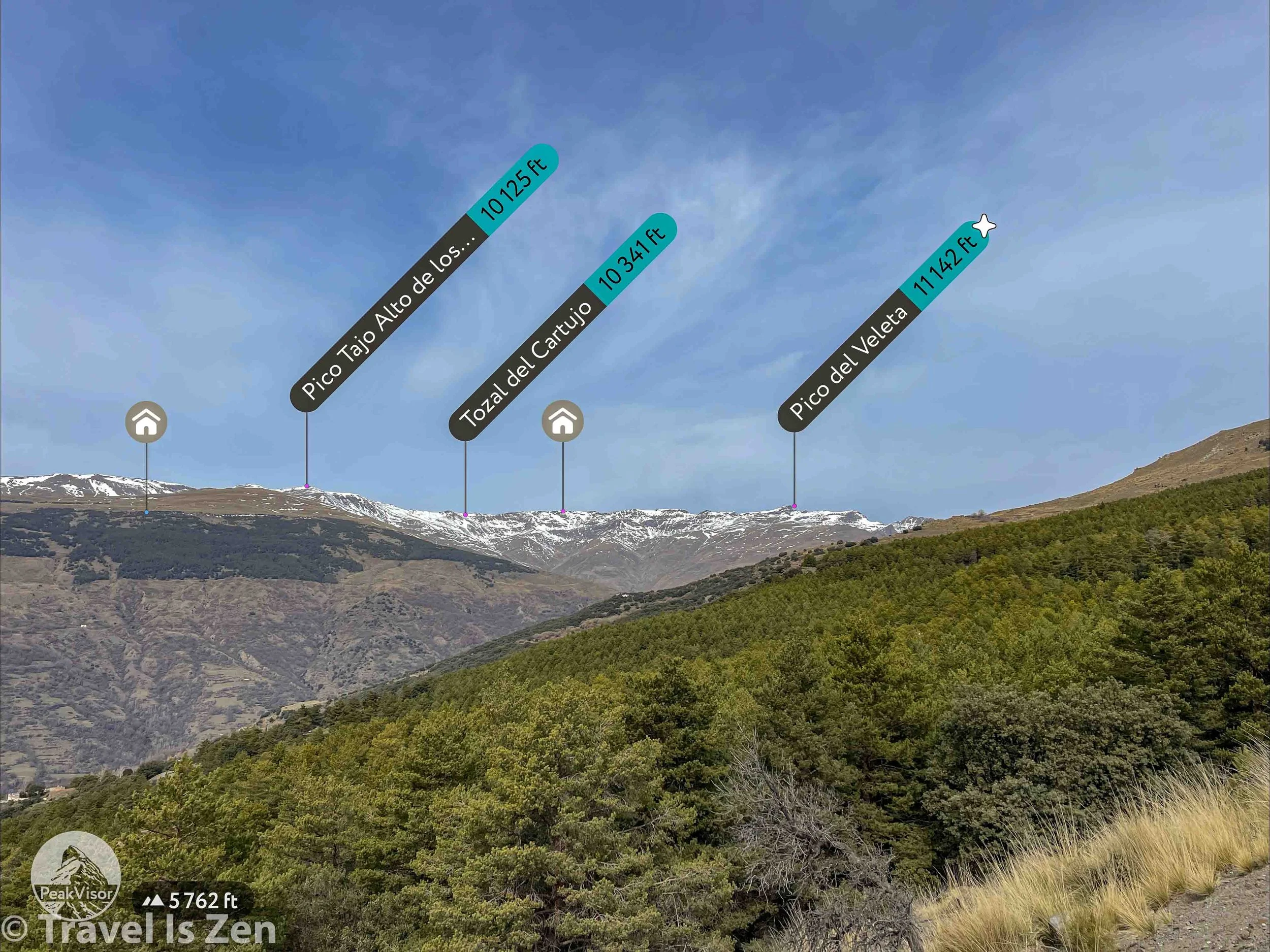
The next day, we did a more aggressive hike, again departing from Bubion but heading straight up into the high meadowlands. This loop was almost 6 miles and took us 3 hours as we ascended to nearly 6,000 feet, mostly along a dirt road. It was Friday and we began to see city folks arriving for the weekend - a couple of camping vans, some mountain bikers, and other hikers. By the time we arrived back in town, the place had transformed: weekenders from the city arriving by the car load, restaurant doors thrown open, and visitors milling about with cameras and hiking poles.
Trevélez
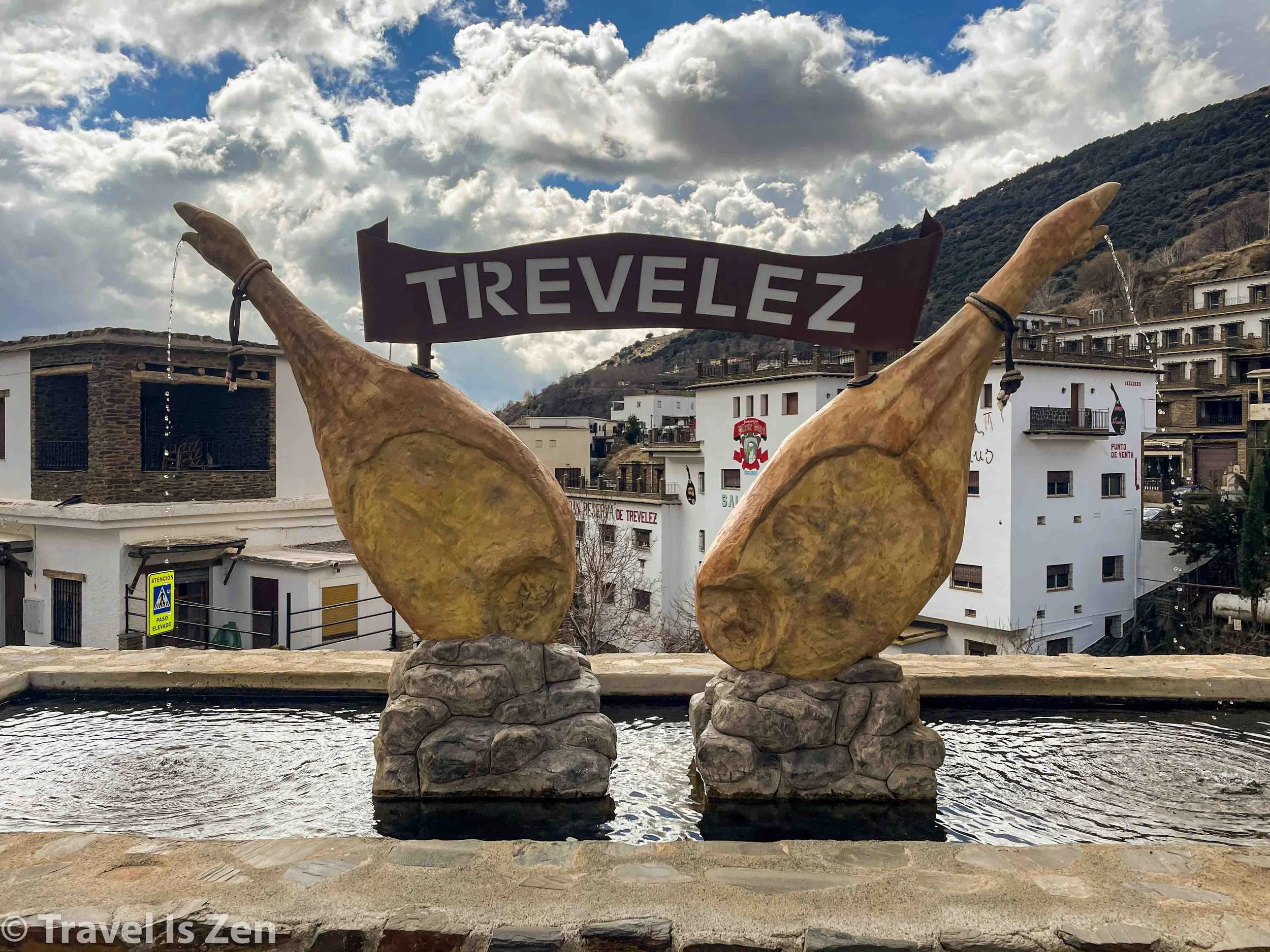
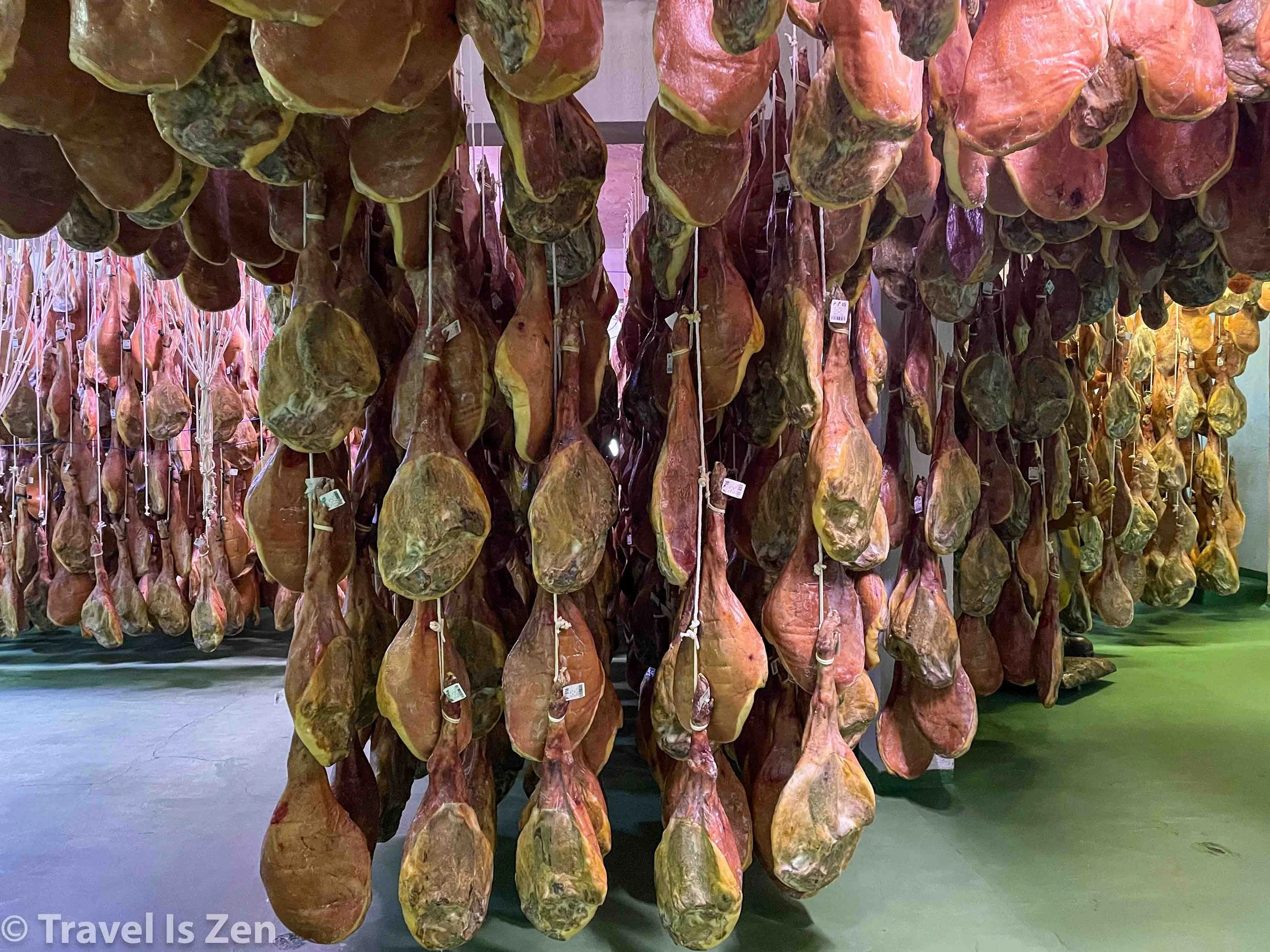
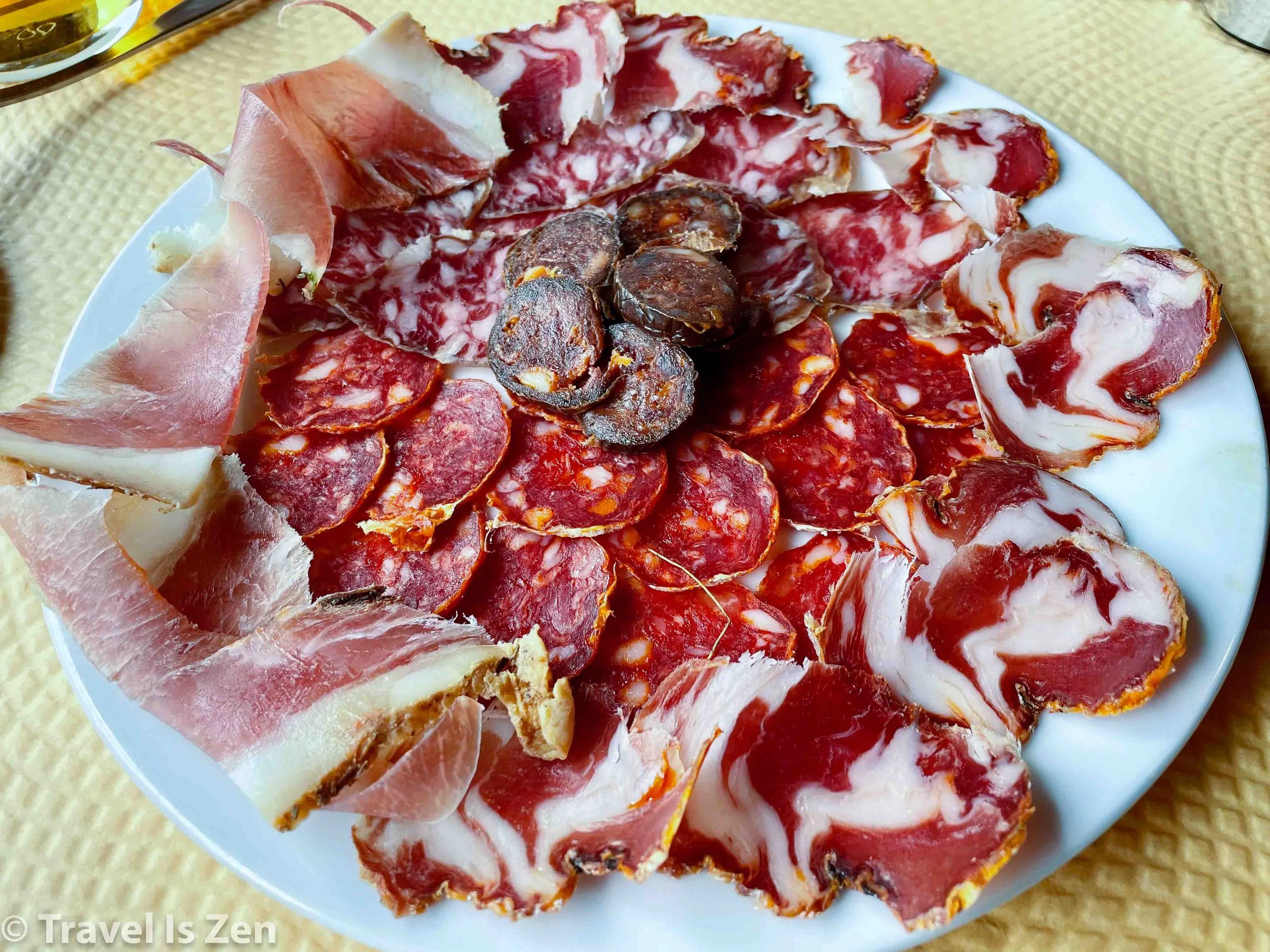
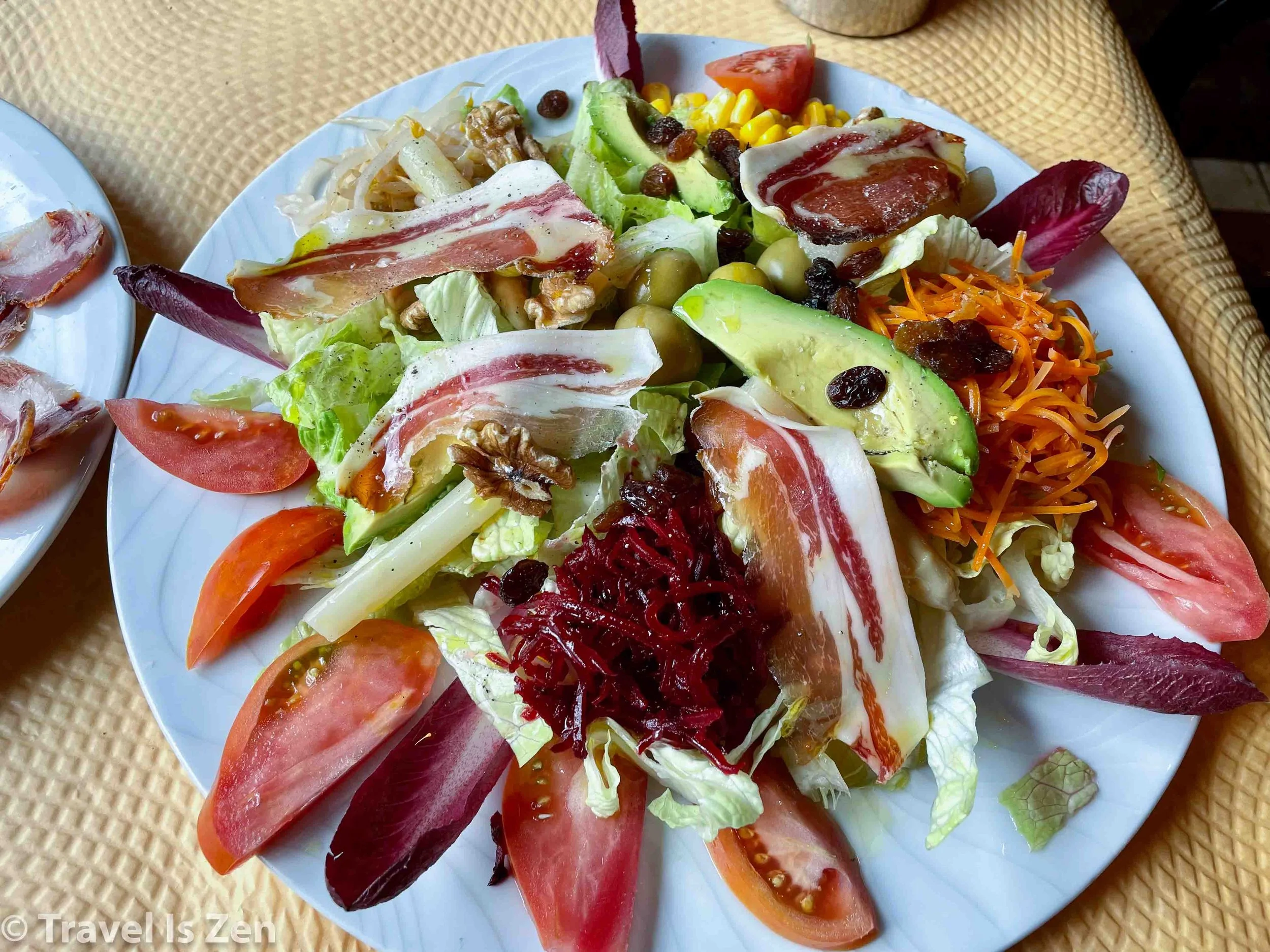
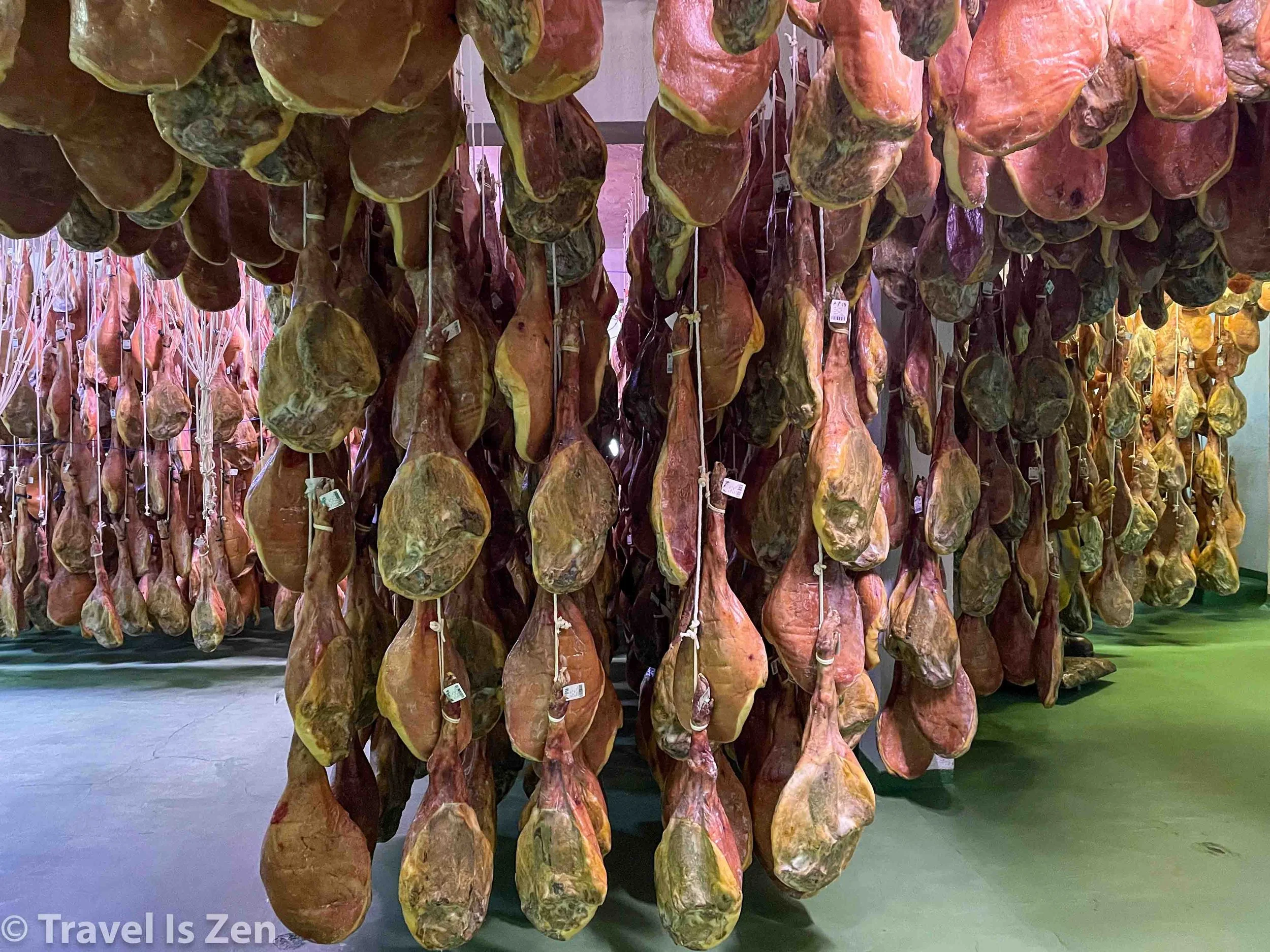
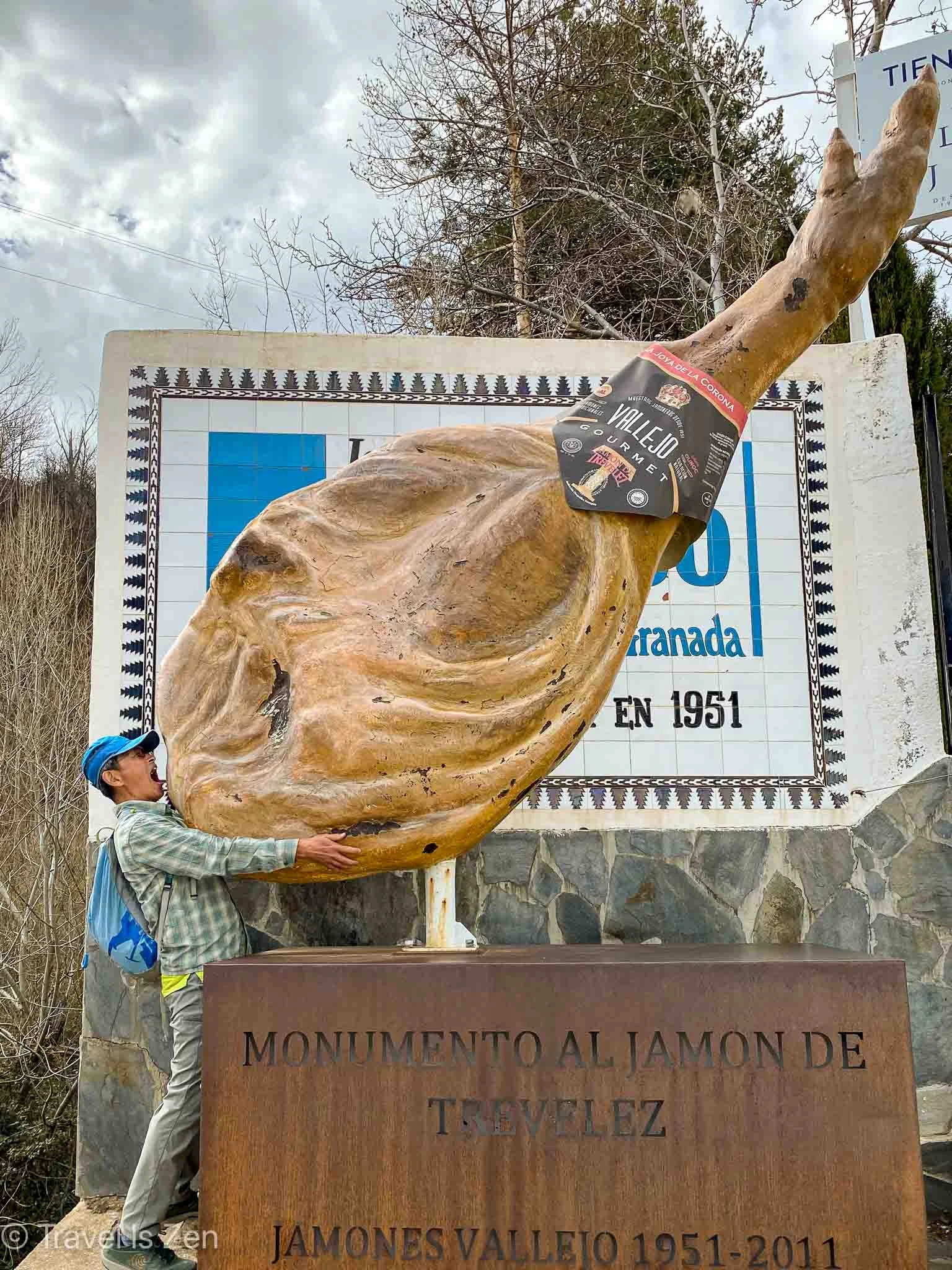
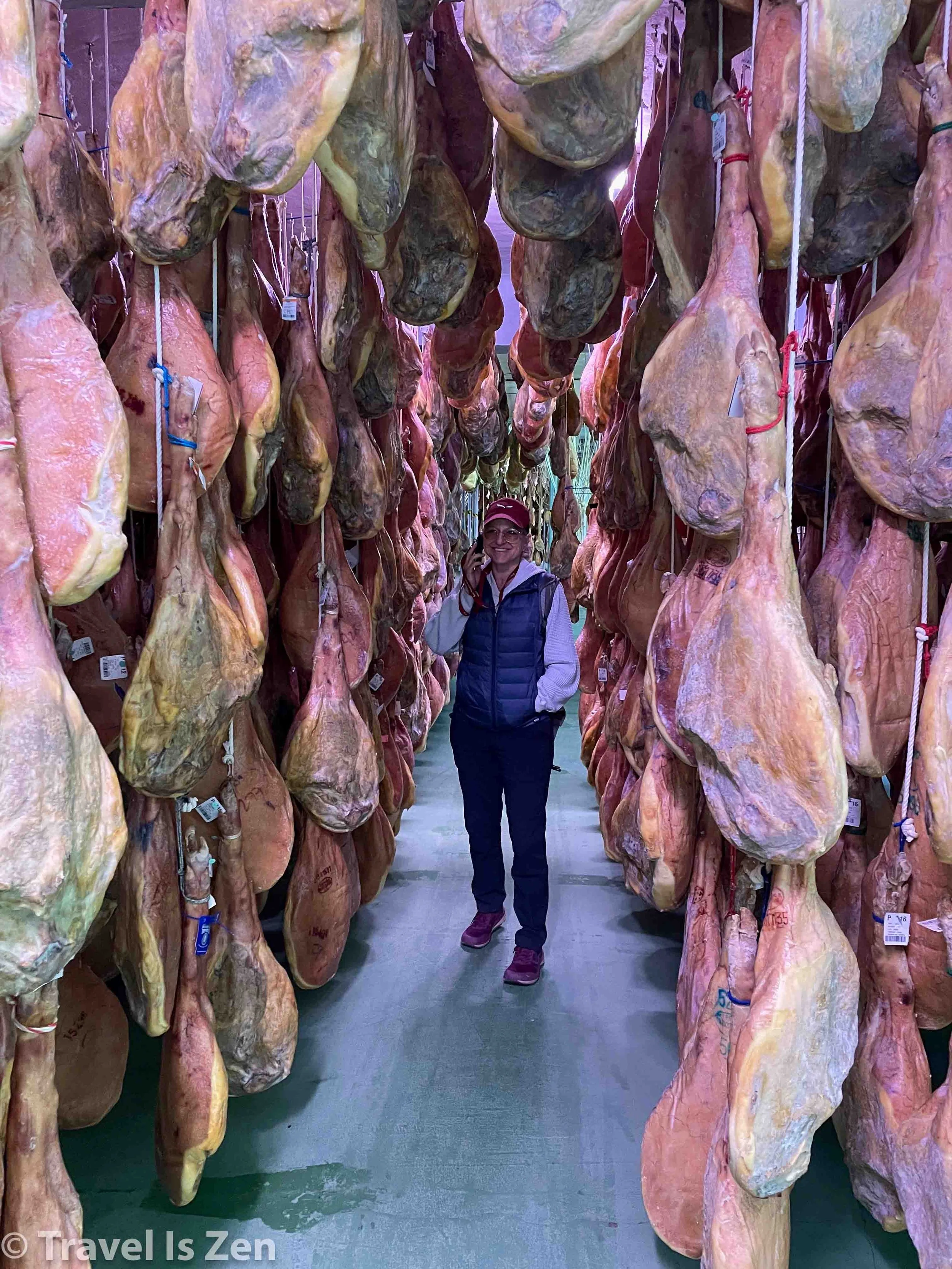
Our final destination in the Alpujarras was Trevélez, renowned for its sweet-tasting jamón serrano (cured ham). To say they take pride in their ham is an understatement one can only truly appreciate while eating beneath a ceiling of curing ham…
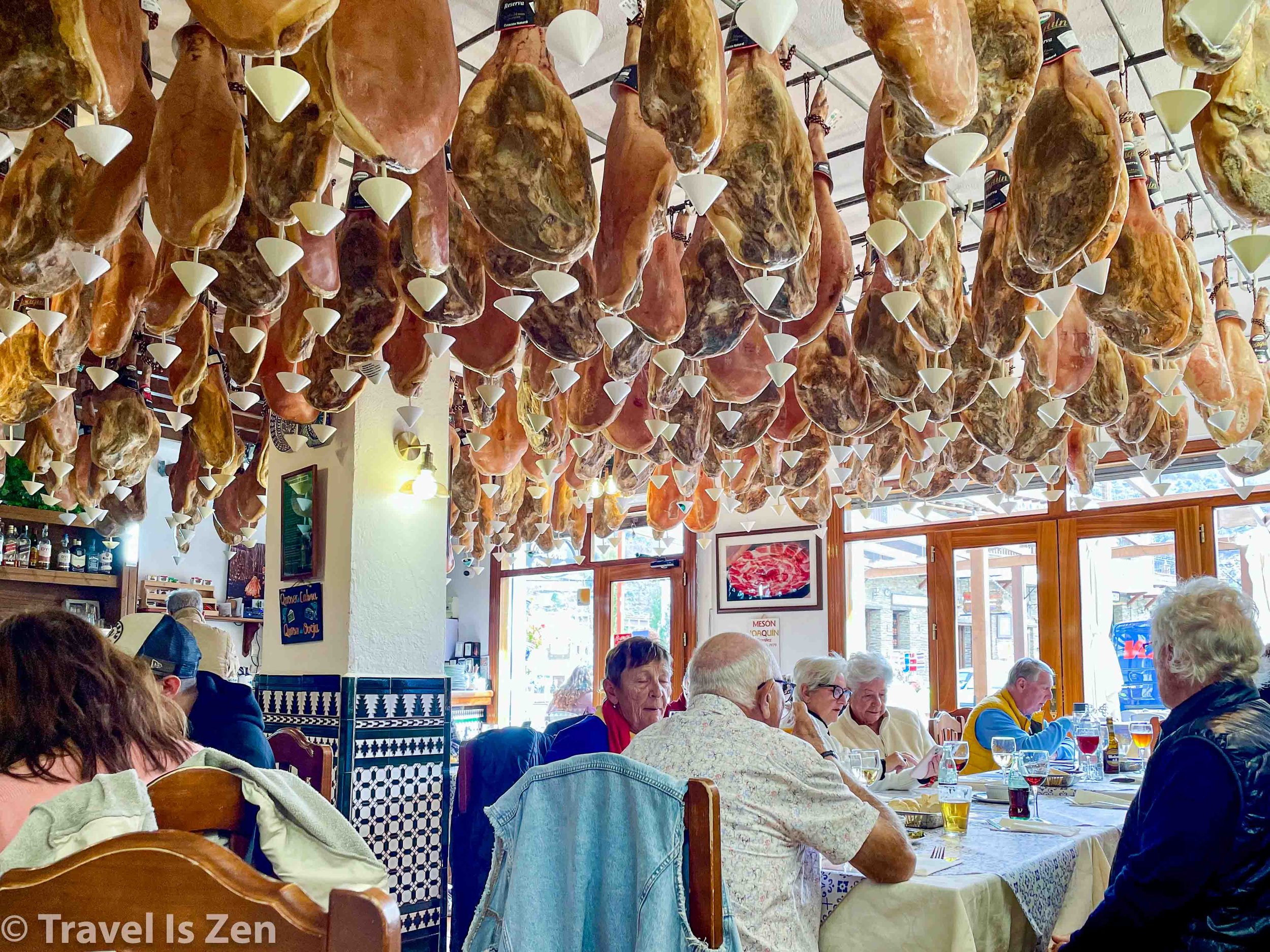
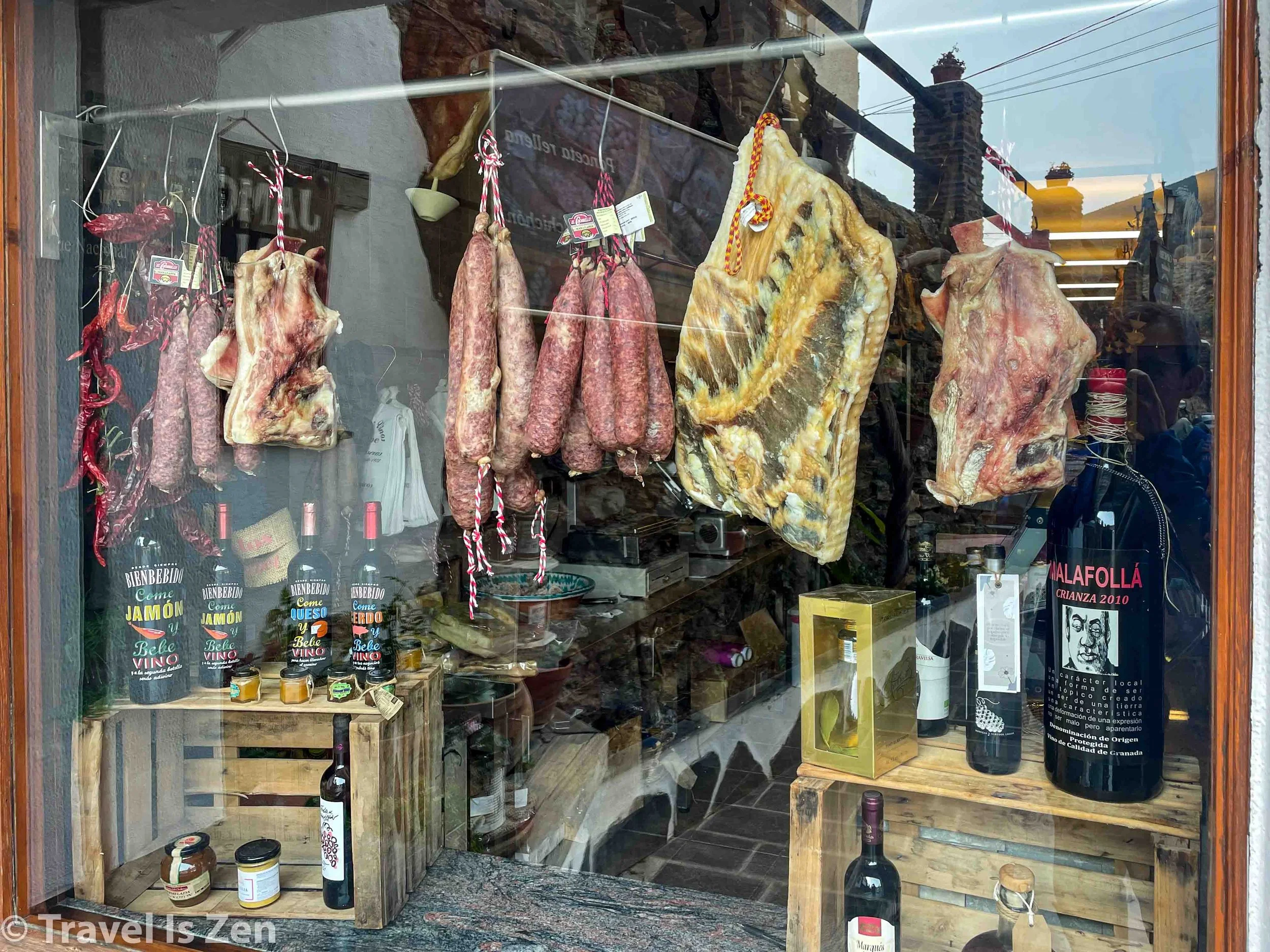
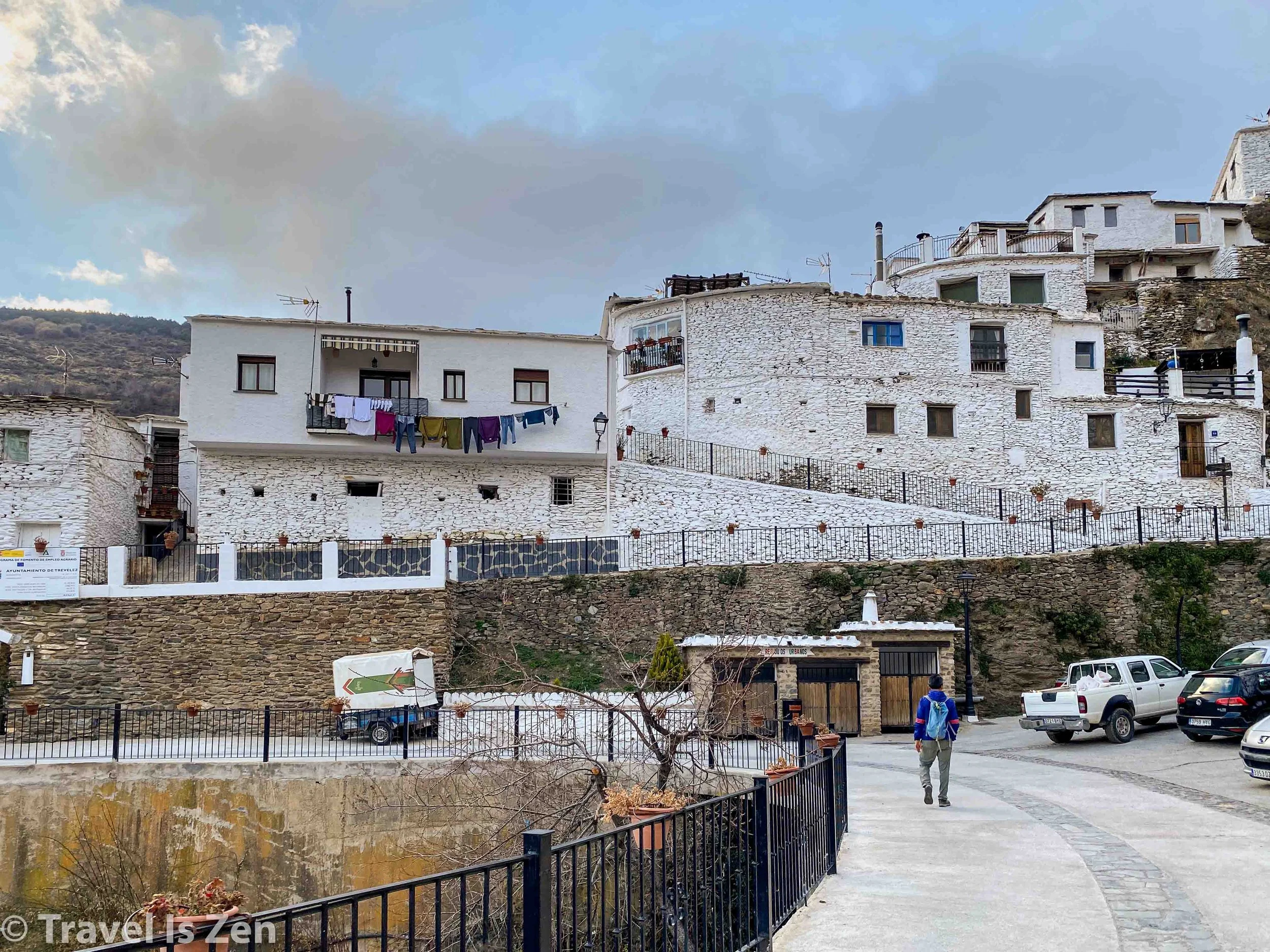
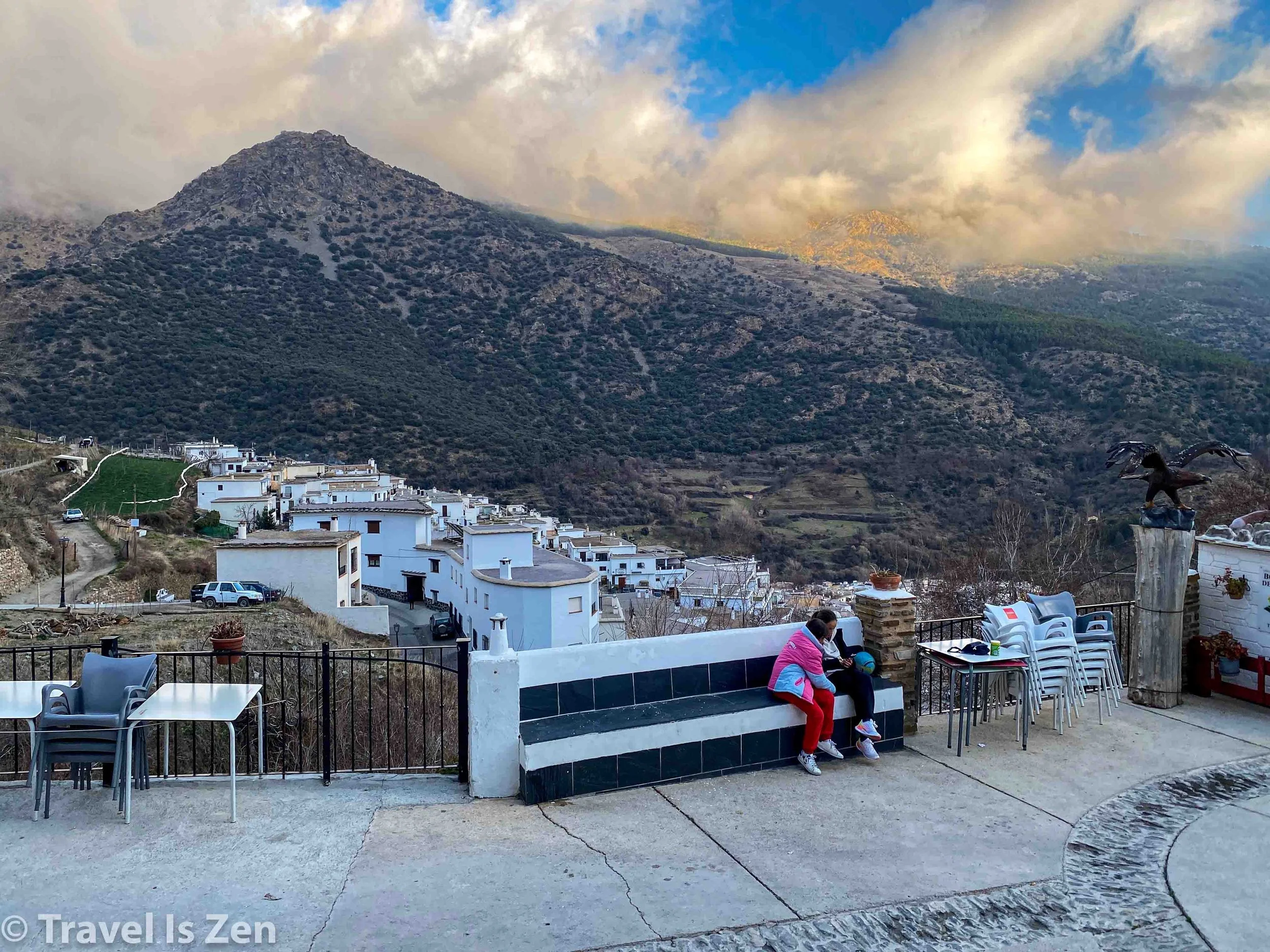
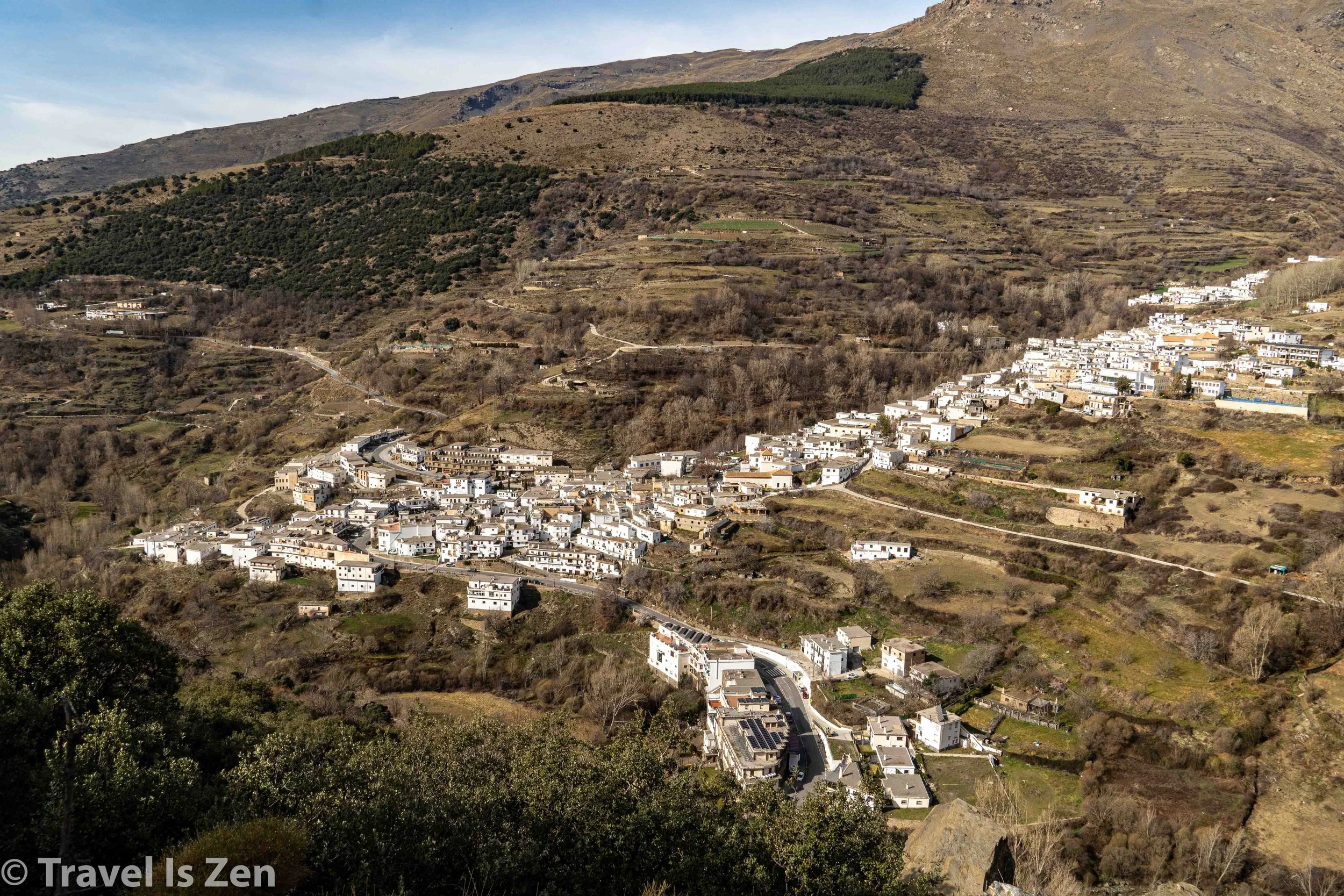
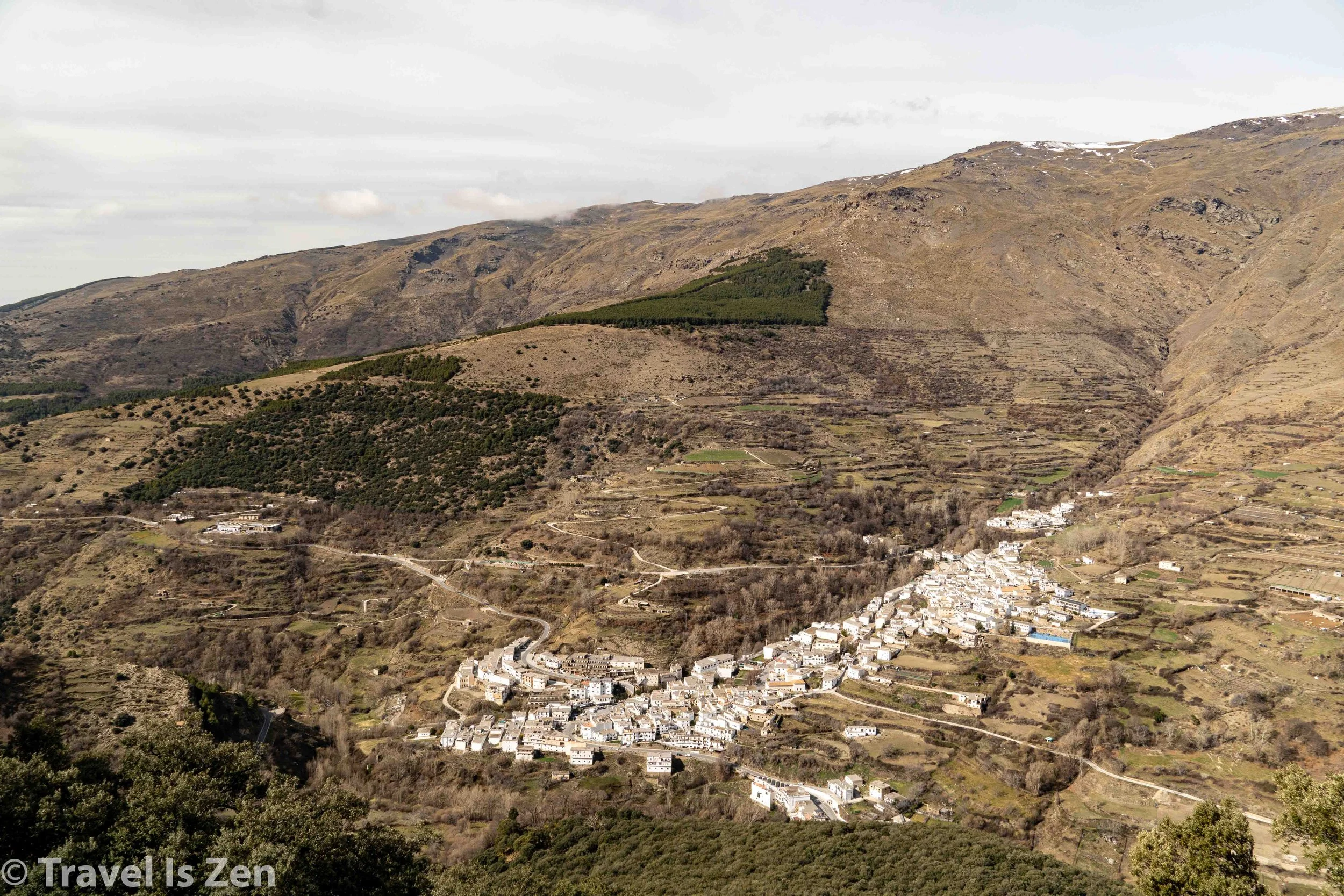
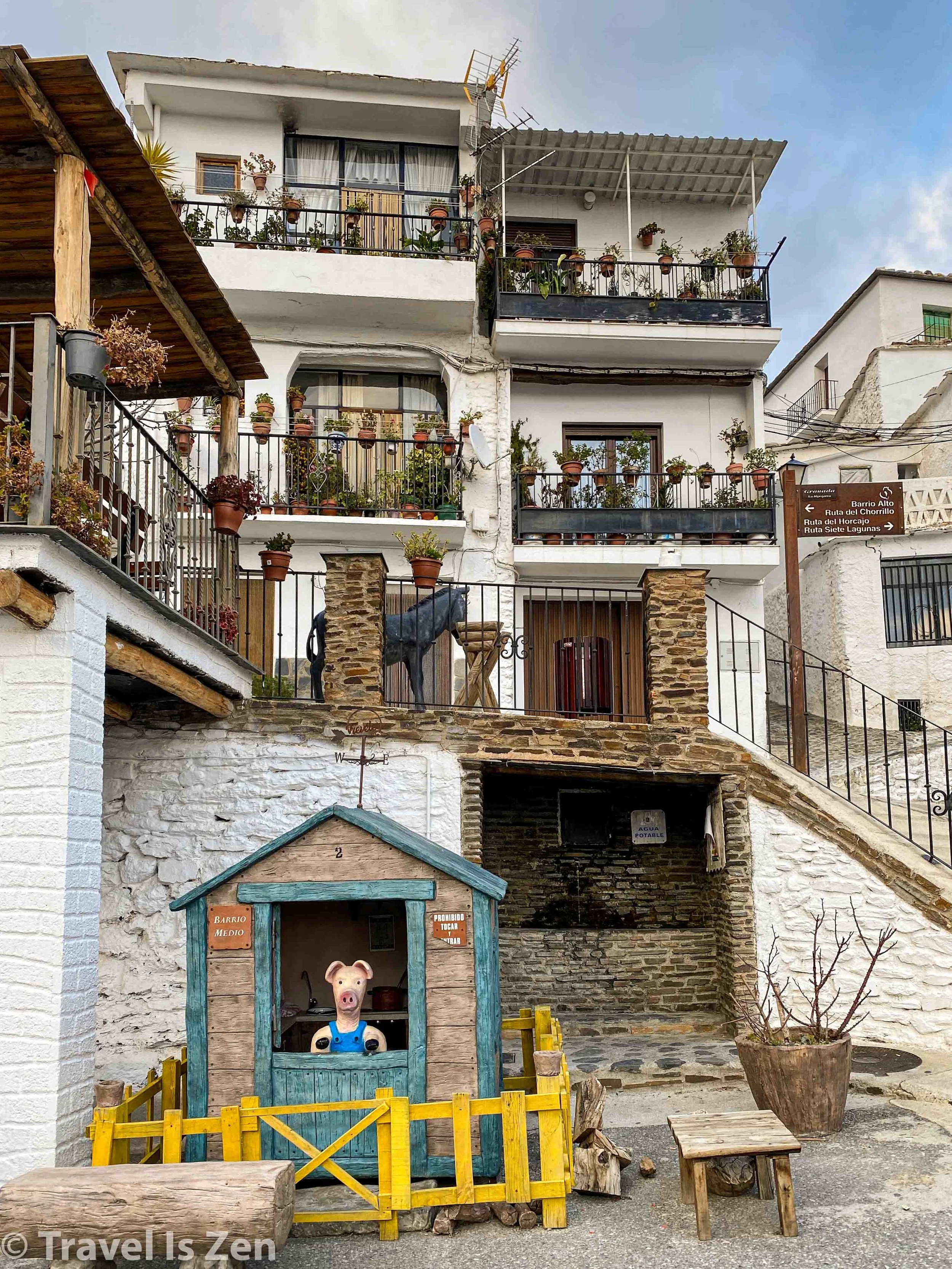
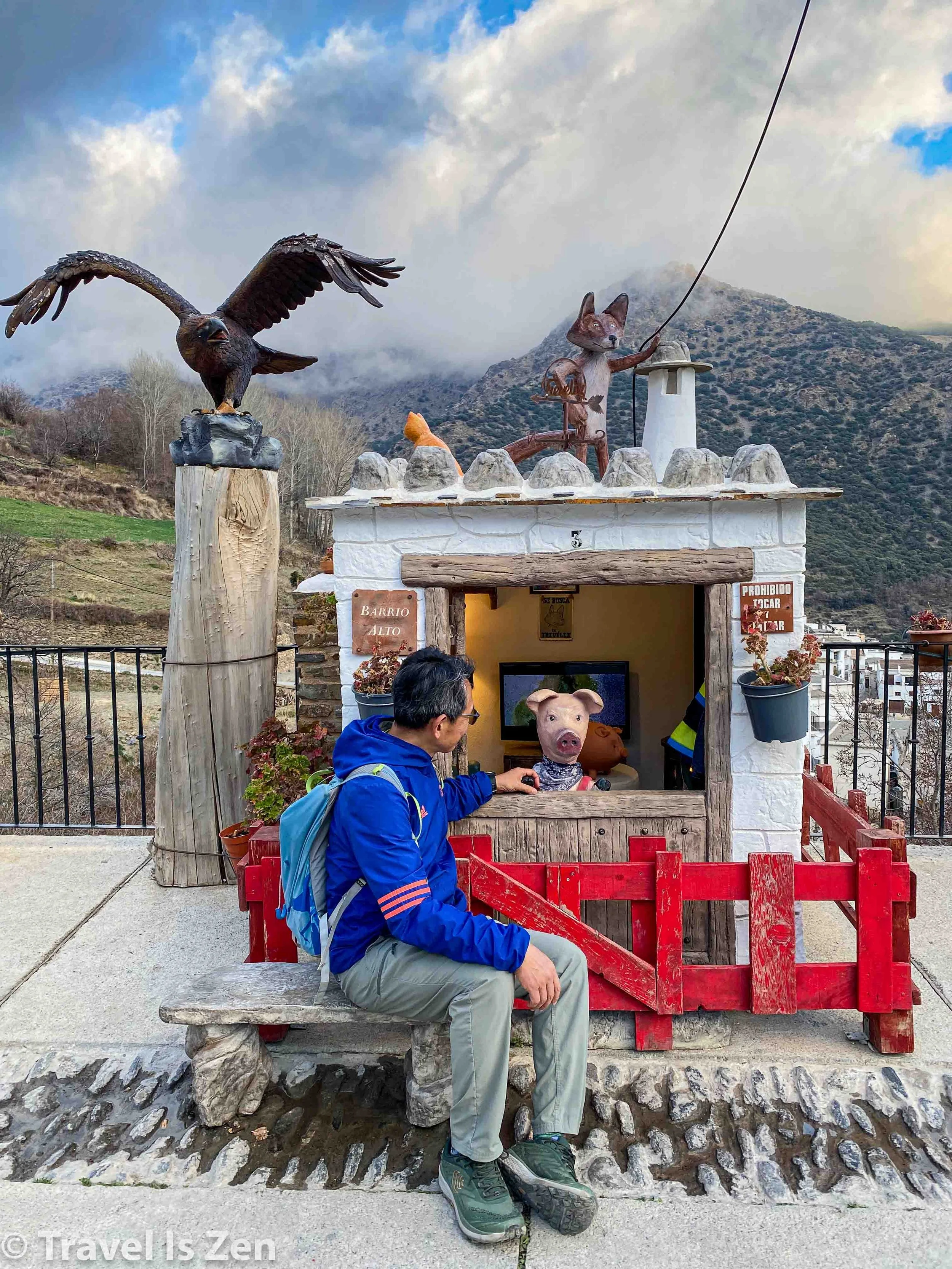
Trevélez is also the highest of the white mountain towns, with its Barrio Alto (upper neighborhood) positioned at 5,250 feet (almost 1,500 meters). The bus dropped us at mid-level in town, so we had to hoof it on foot up a truly-steep cobble stone path to our rented apartment in Barrio Alto. We were early for check-in, so we stowed our bags and kept on climbing up a set of stone stairs that eventually led to Mirador Era El Fuerte; “era” is a threshing floor, a community workspace for threshing grain. If you’re going to do some hard work, best to do it with a panoramic view!
Click any photo for a larger slideshow…
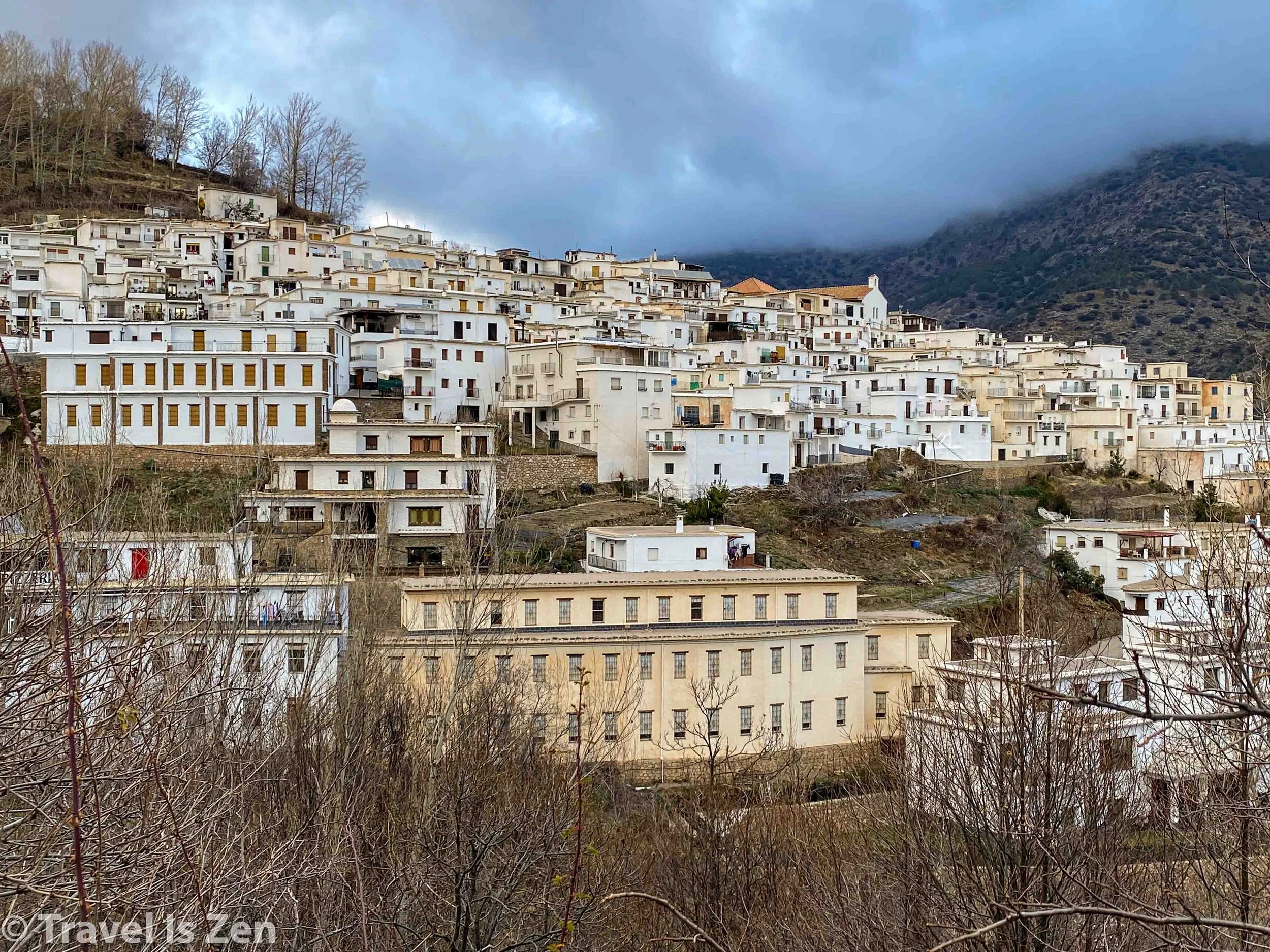
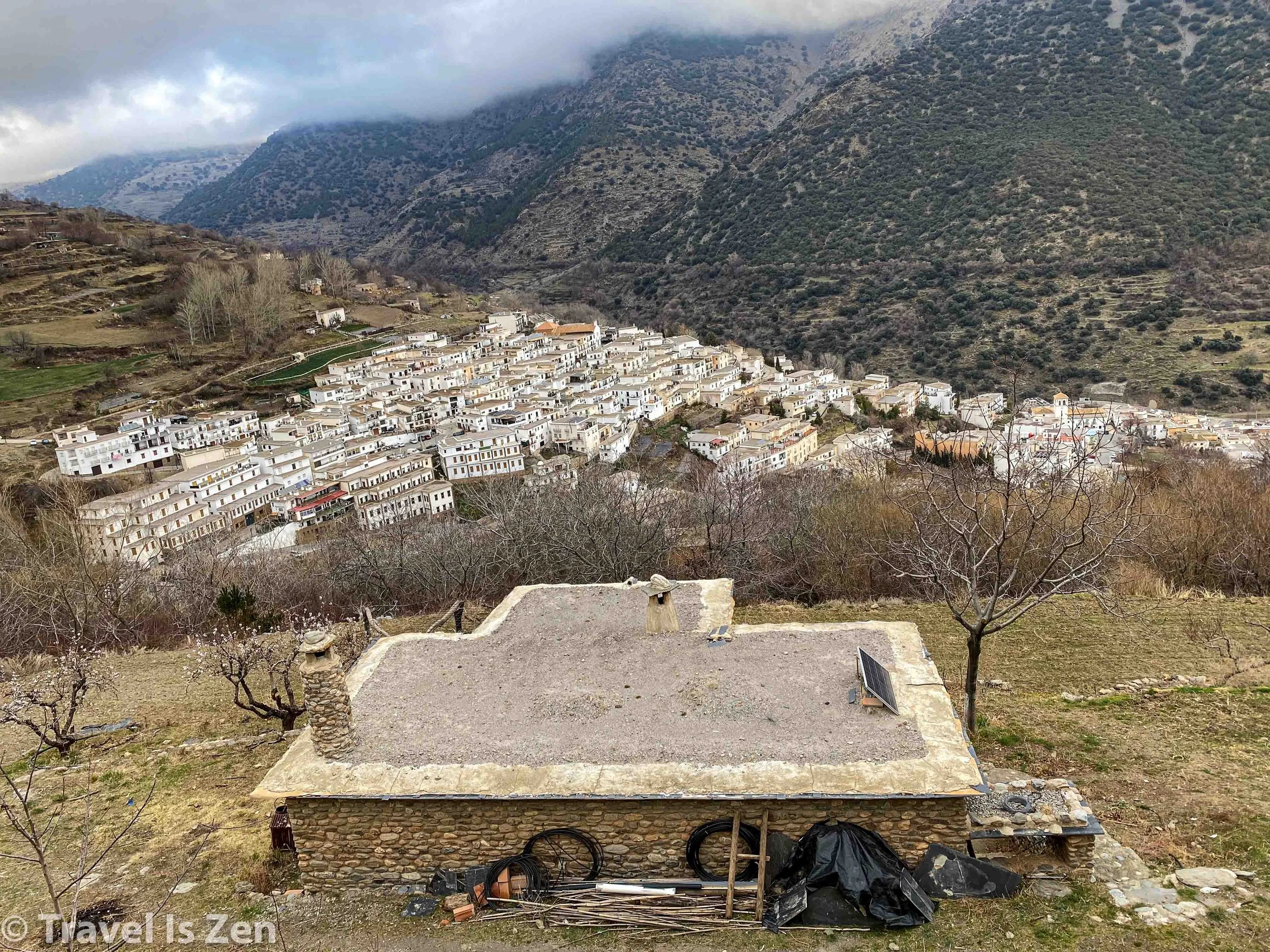
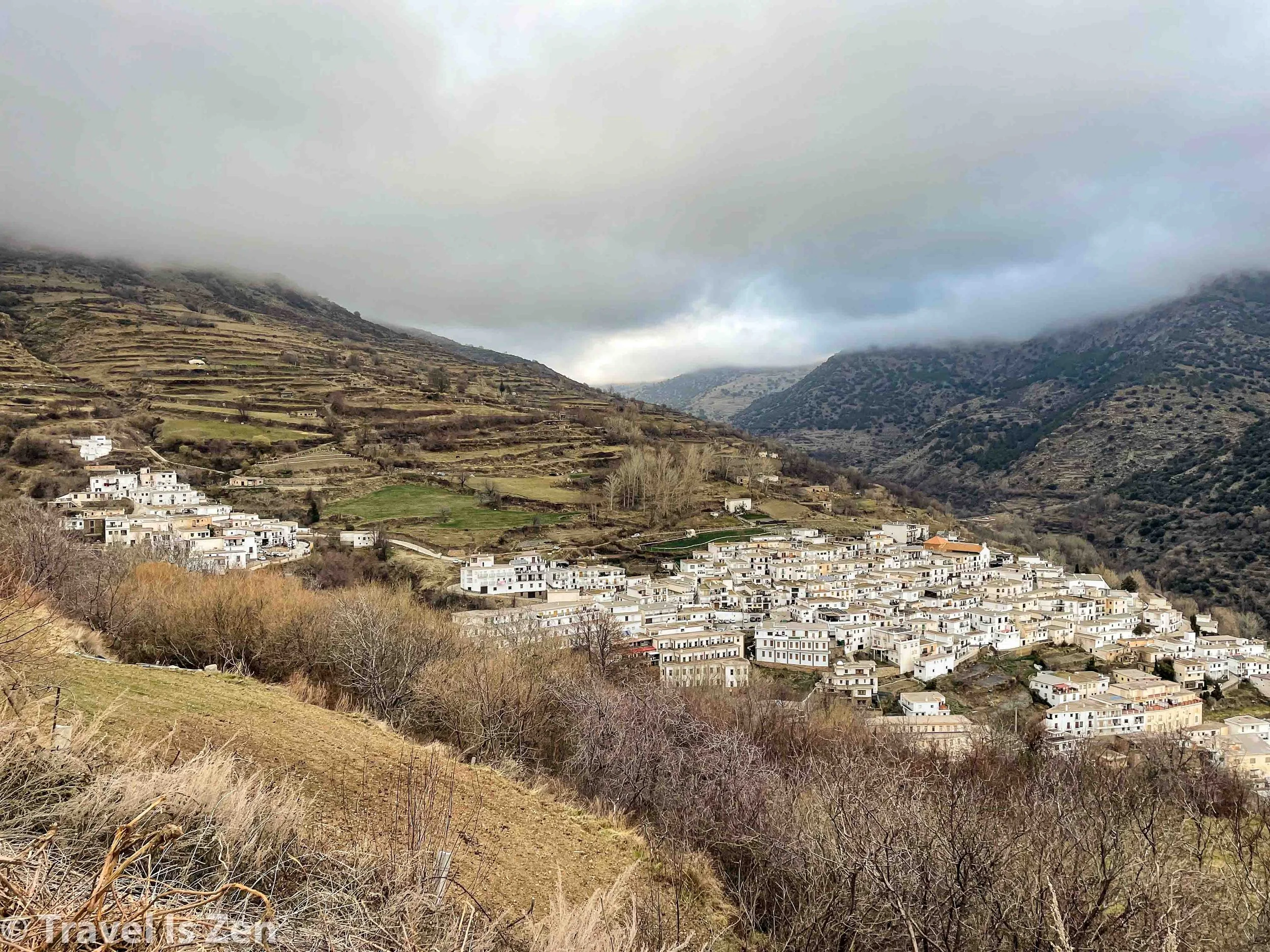
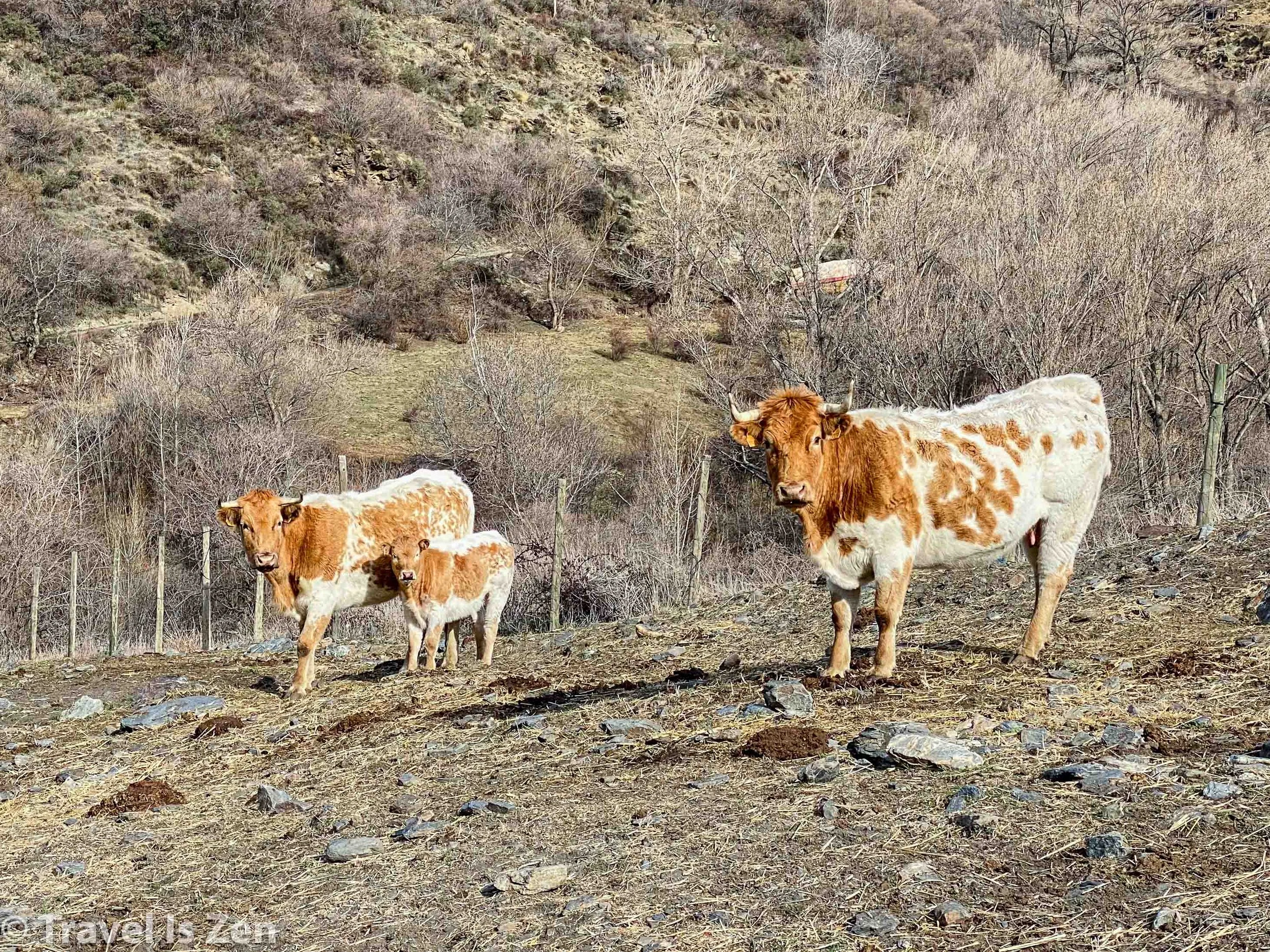
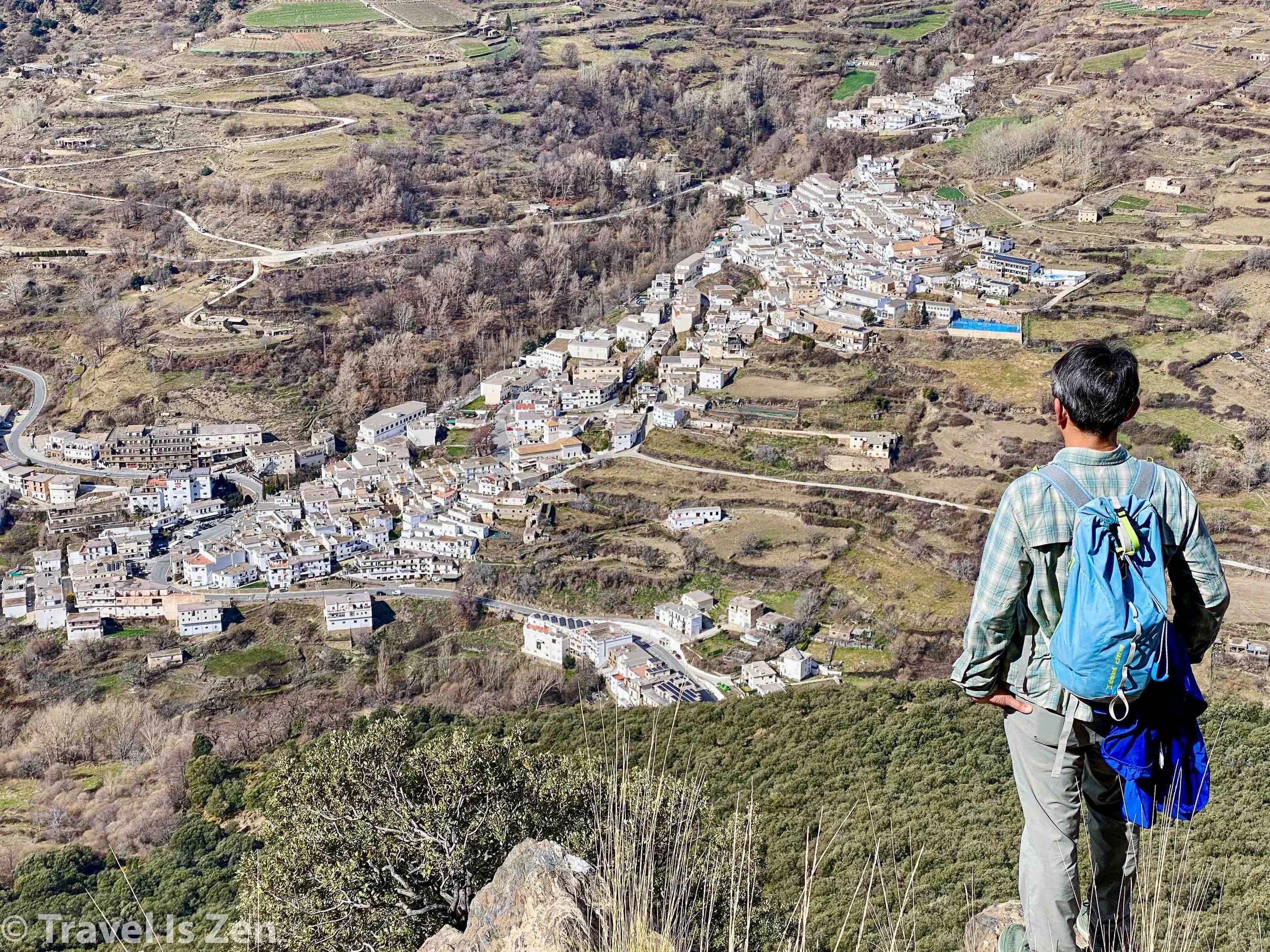
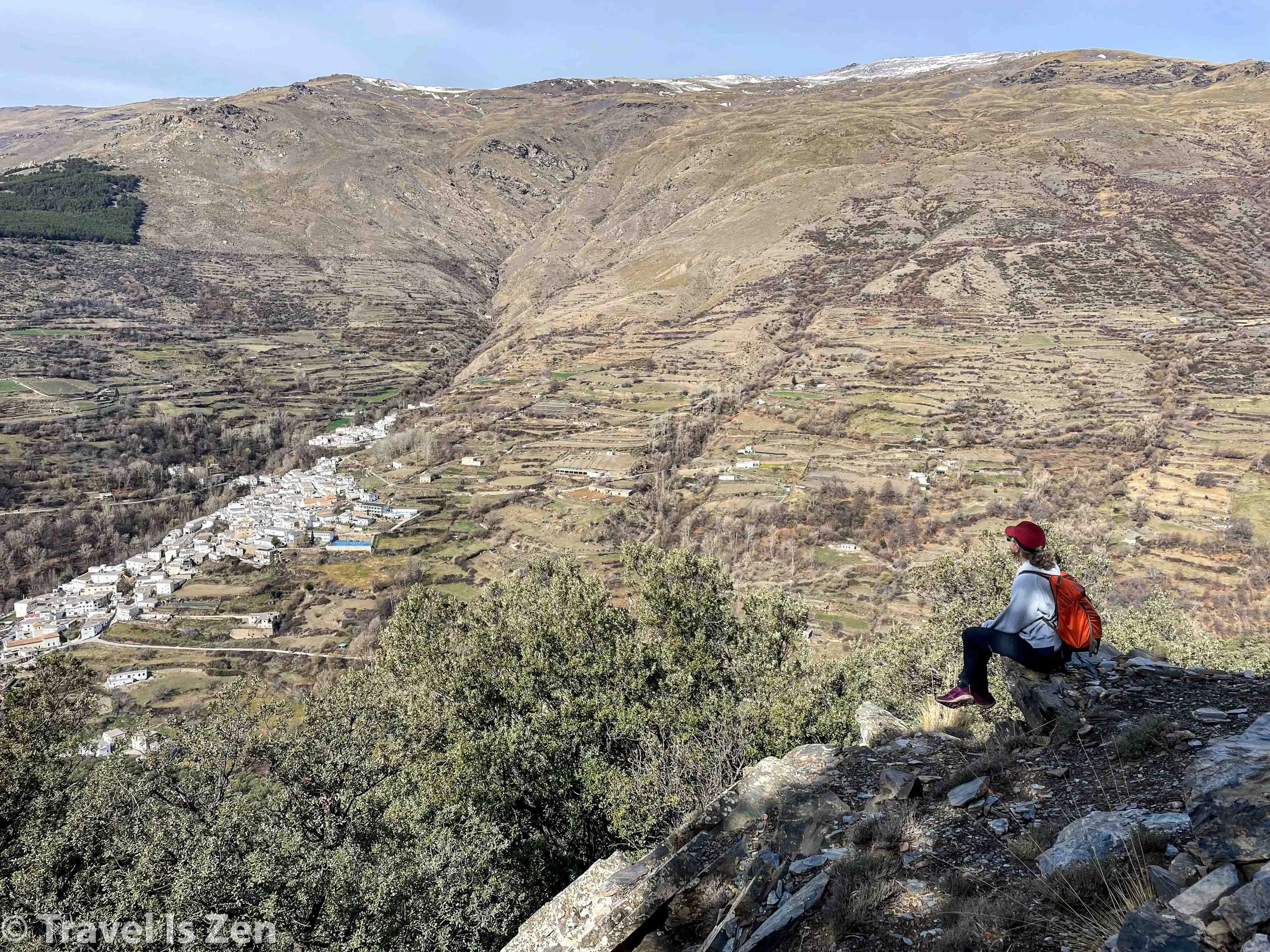
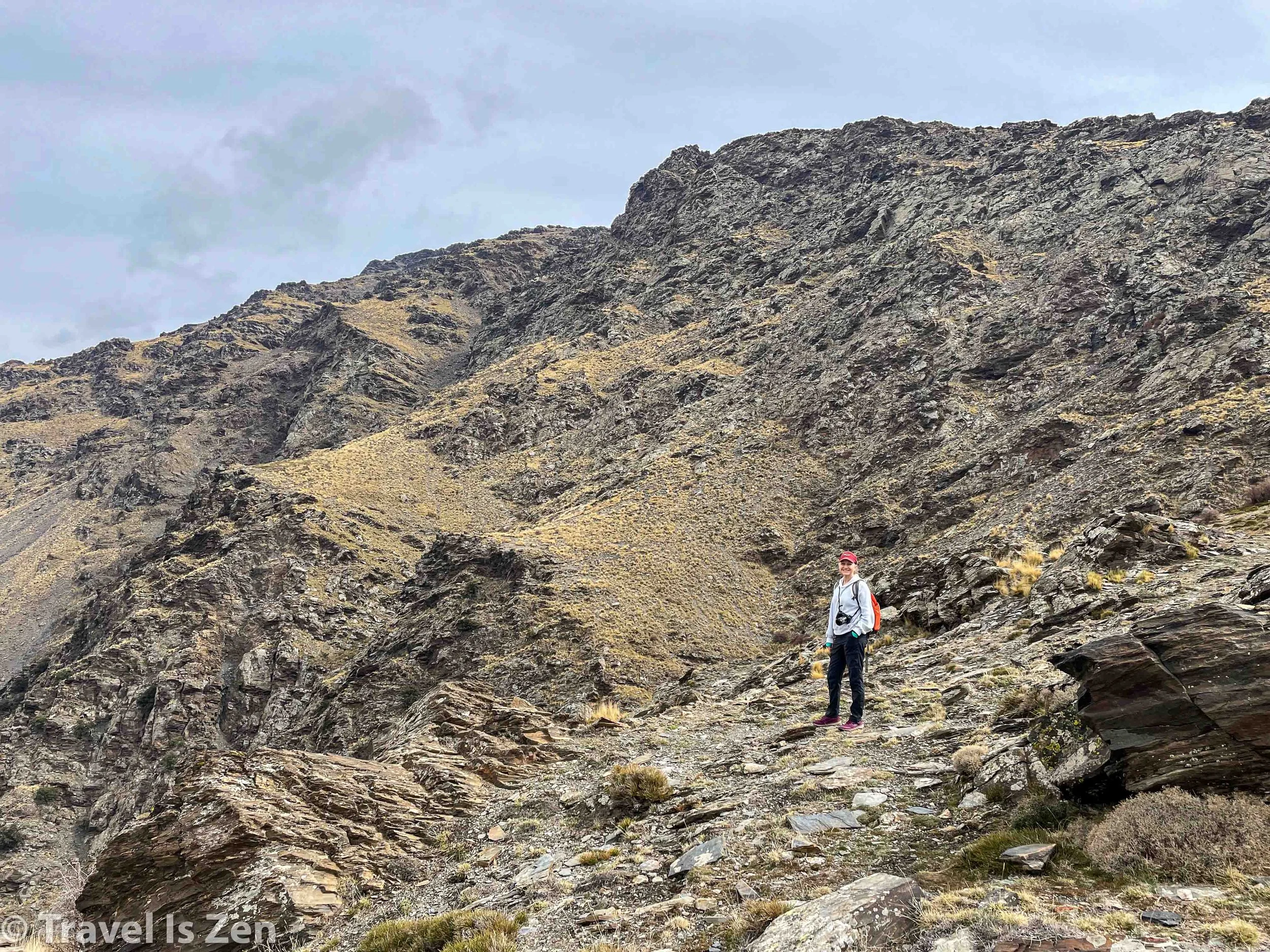
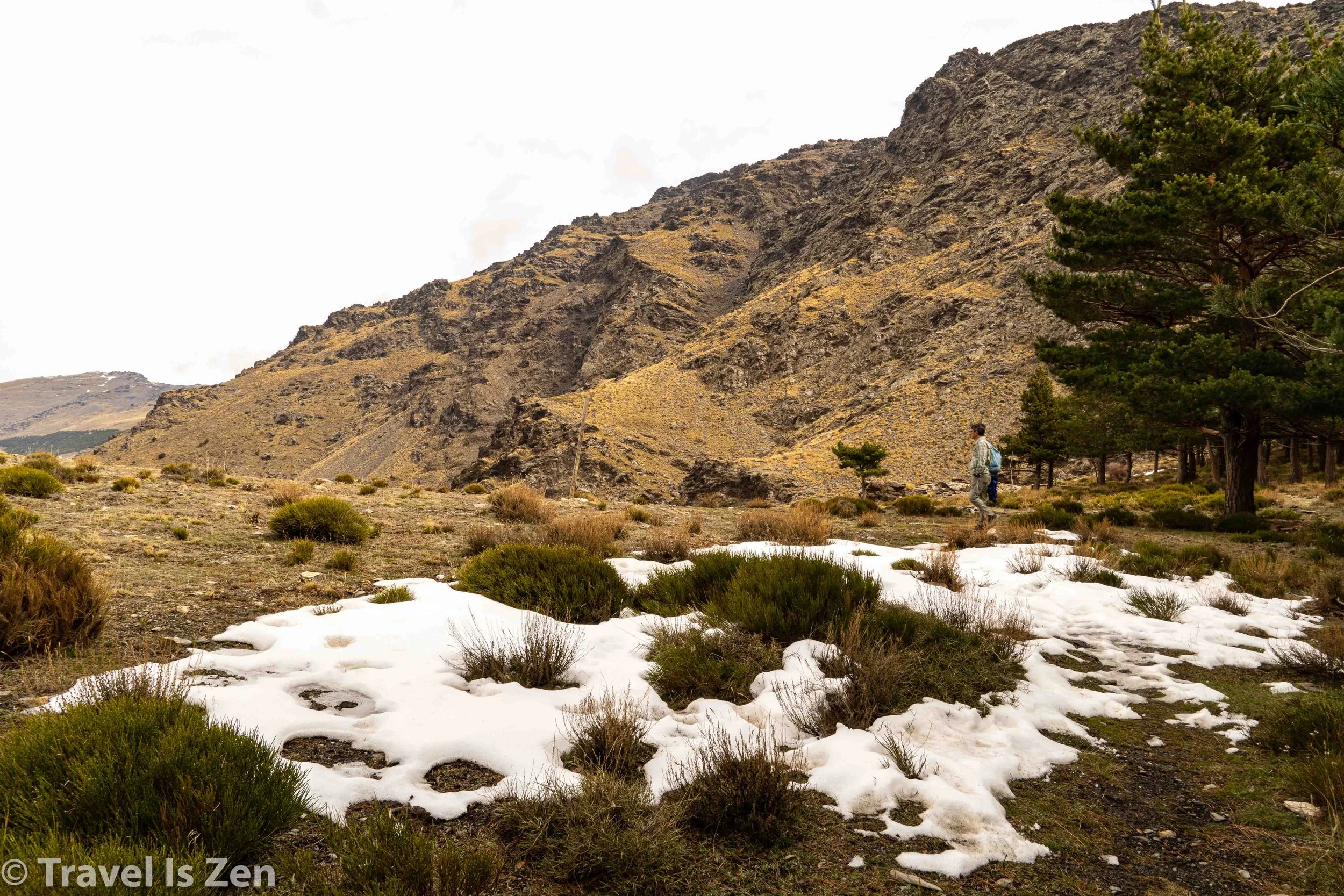
The following day, we were gung-ho to try the Siete Lagunas (Seven Lakes) trail. There was quite a bit of snow at the higher elevations and we heard it wasn’t possible to make it there this time of year, but we had to give it a go. The hike began along the Trevelez river, past a herd of cows, and then across a short bridge. From there, the going was steep and not always well marked, but with simply stunning views of Trevelez across the river valley.
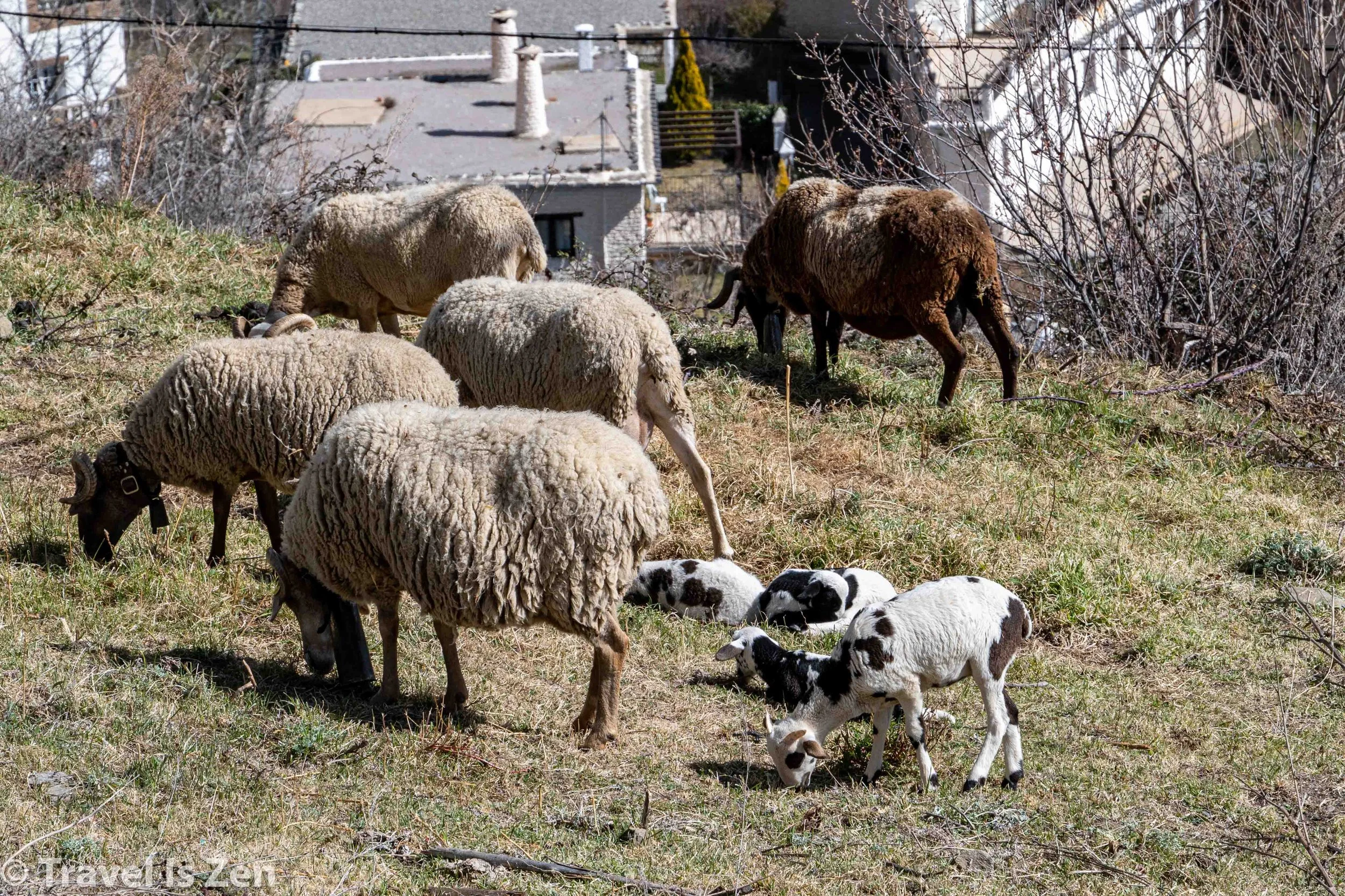
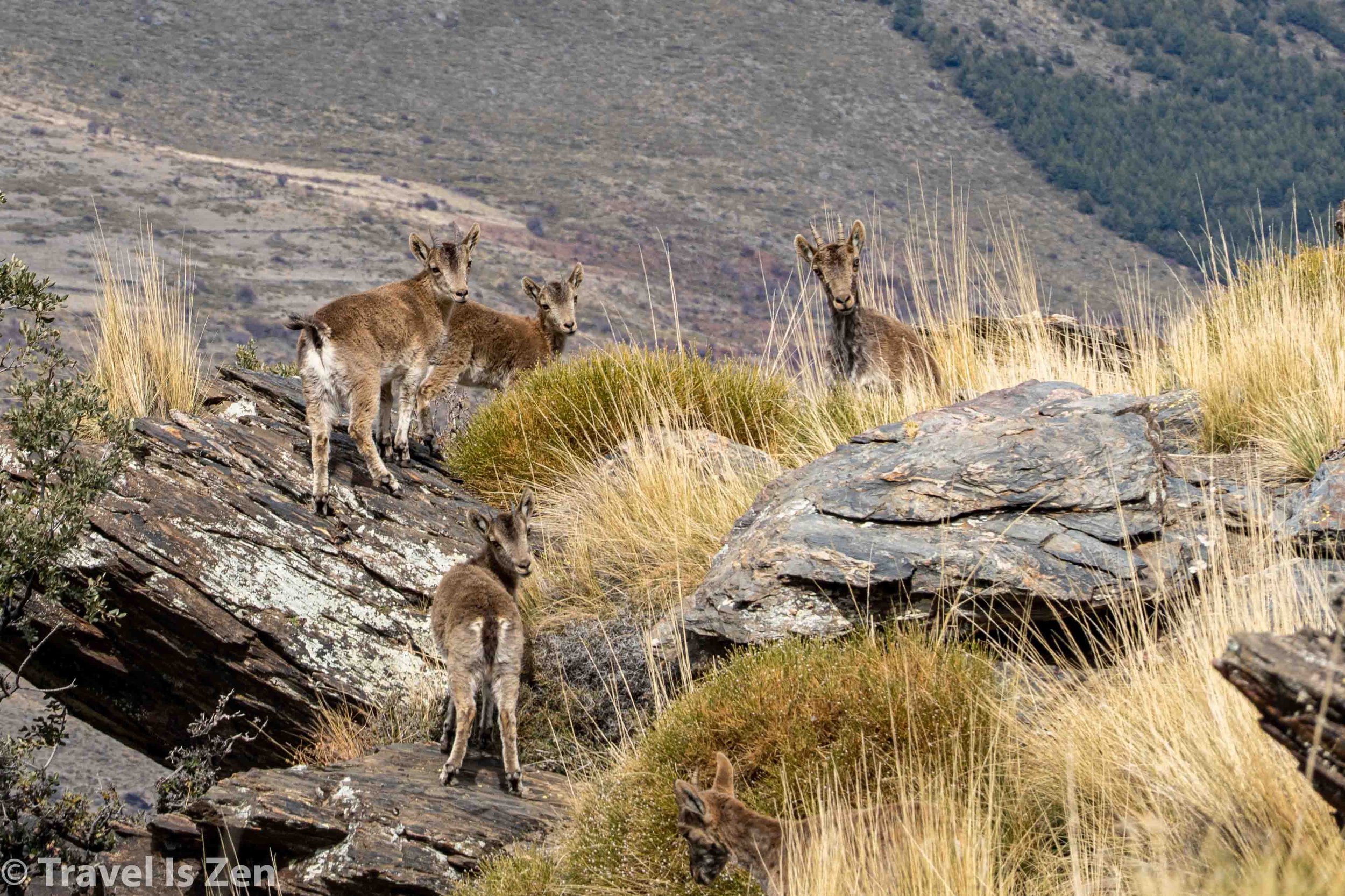
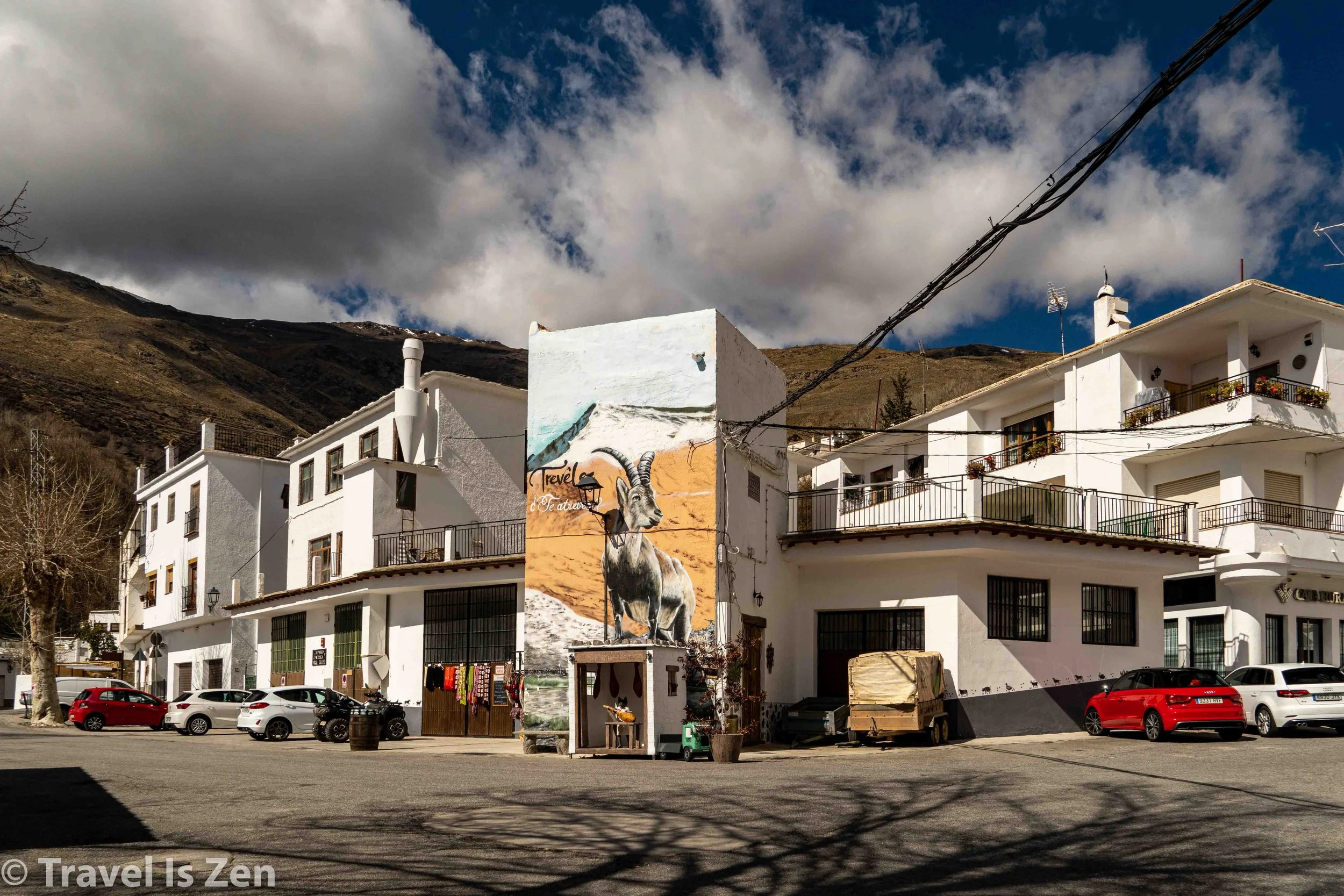
Climbing higher, our “win” for the day was encountering a family of mountain goats. They were so cute - and a little too ambivalent about our presence, considering they were on the menu in town…
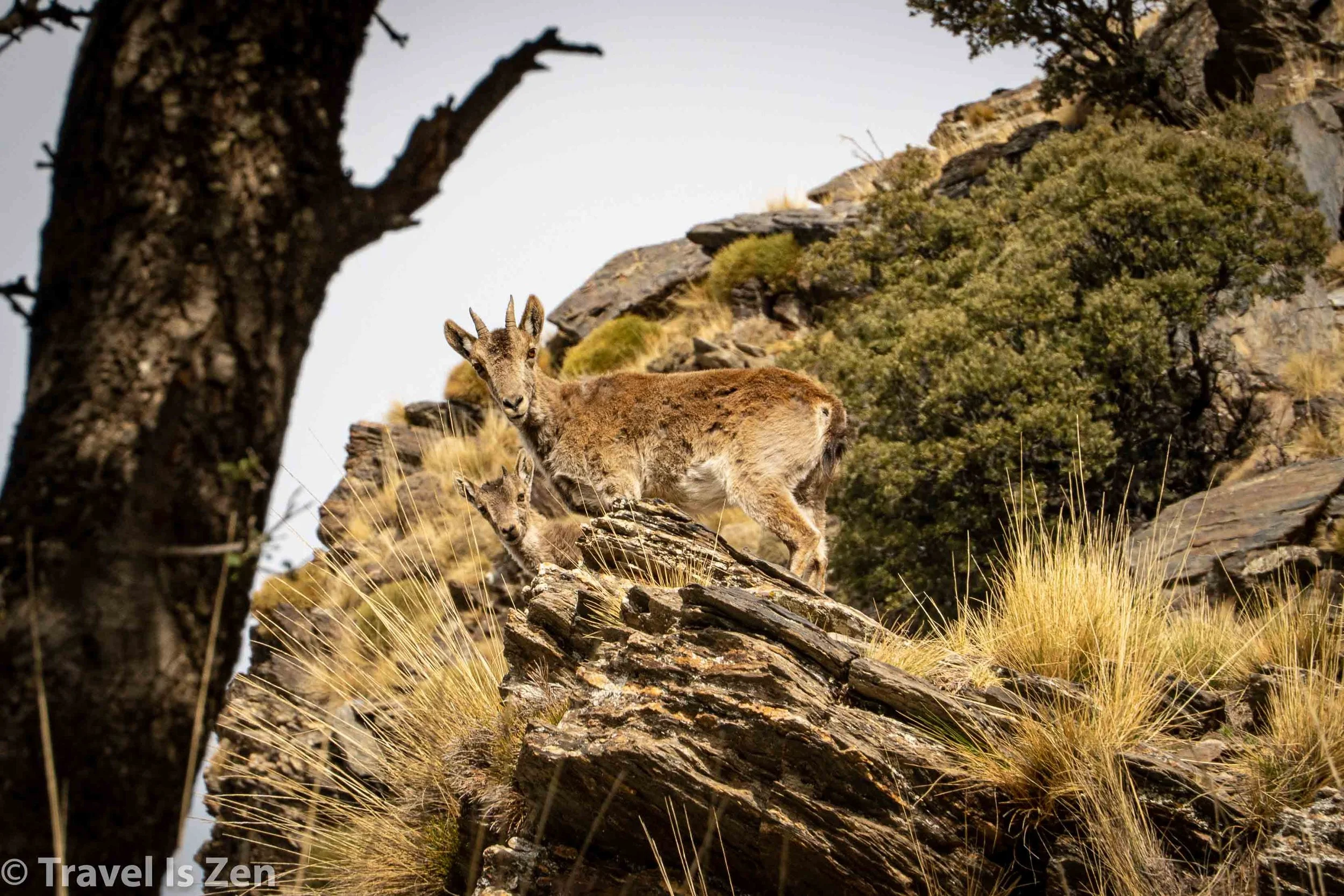
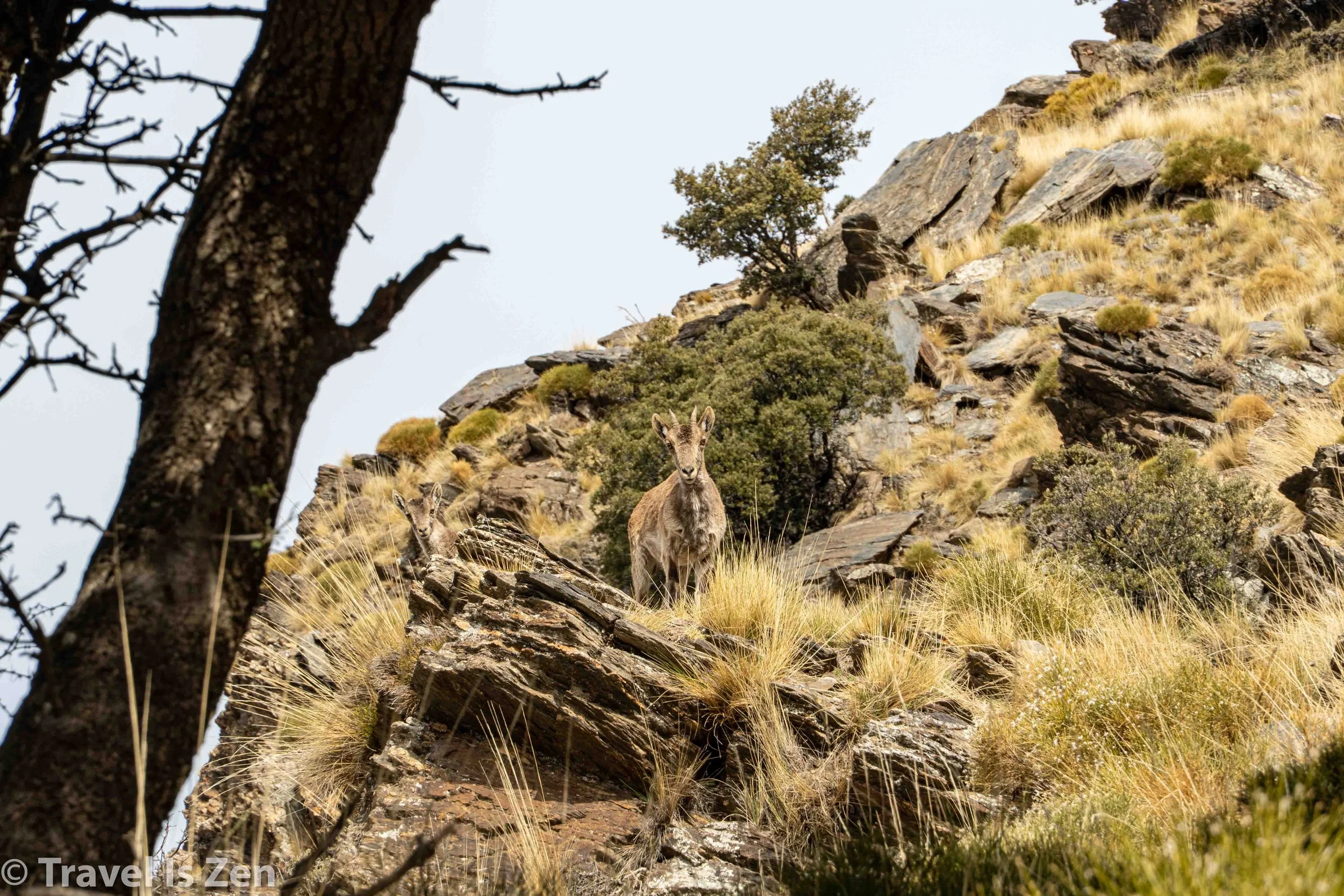
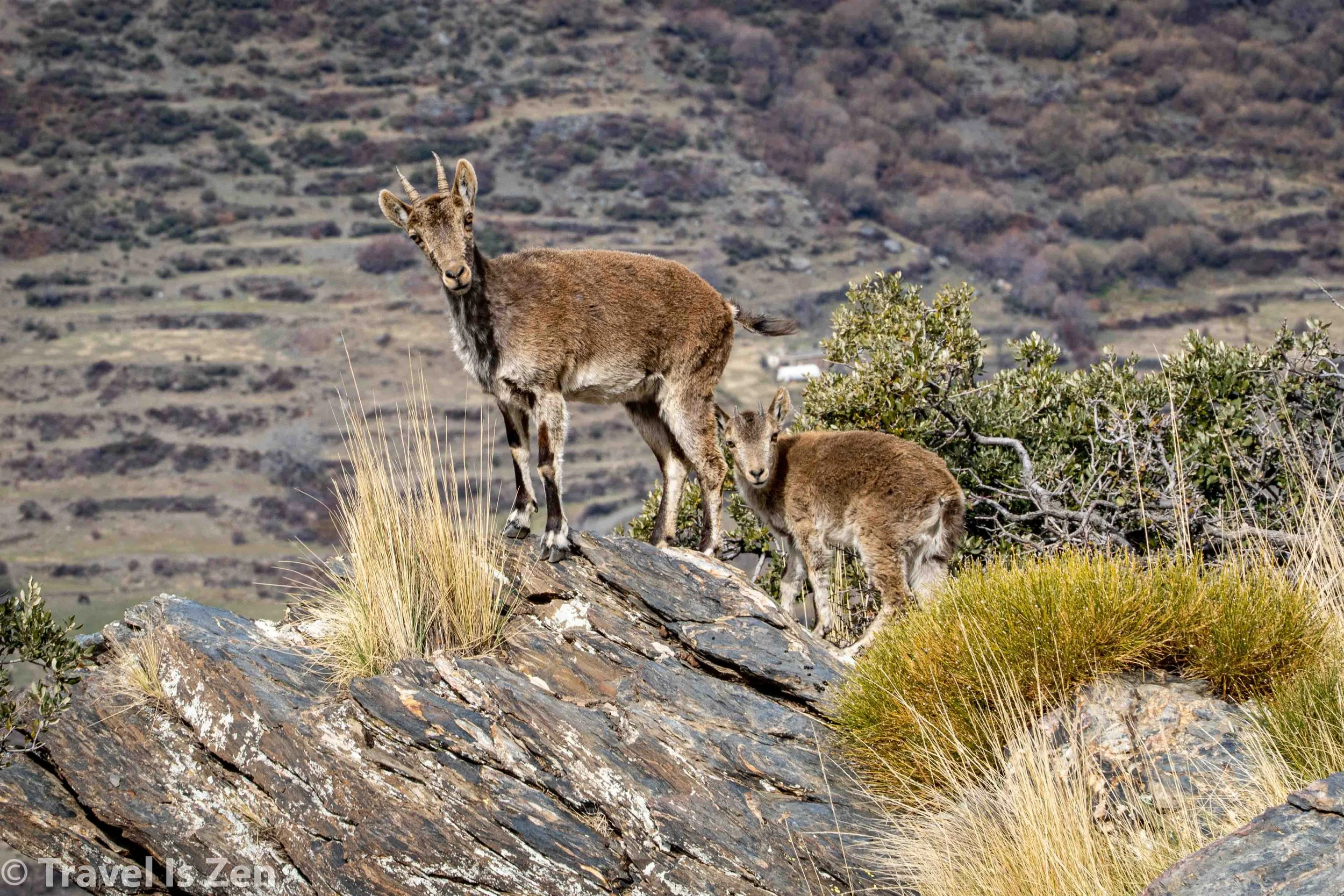
We climbed to 6,500 feet above sea level, passing through farmsteads and cow pastures, then into sparse forest and finally above the tree line. At the top of a high ridge, we realized we weren’t going to have enough daylight to reach the lakes and return to town before sunset. So, we chose a descent trail back down to the river valley, leaving the famed Seven Lakes for a future adventure.
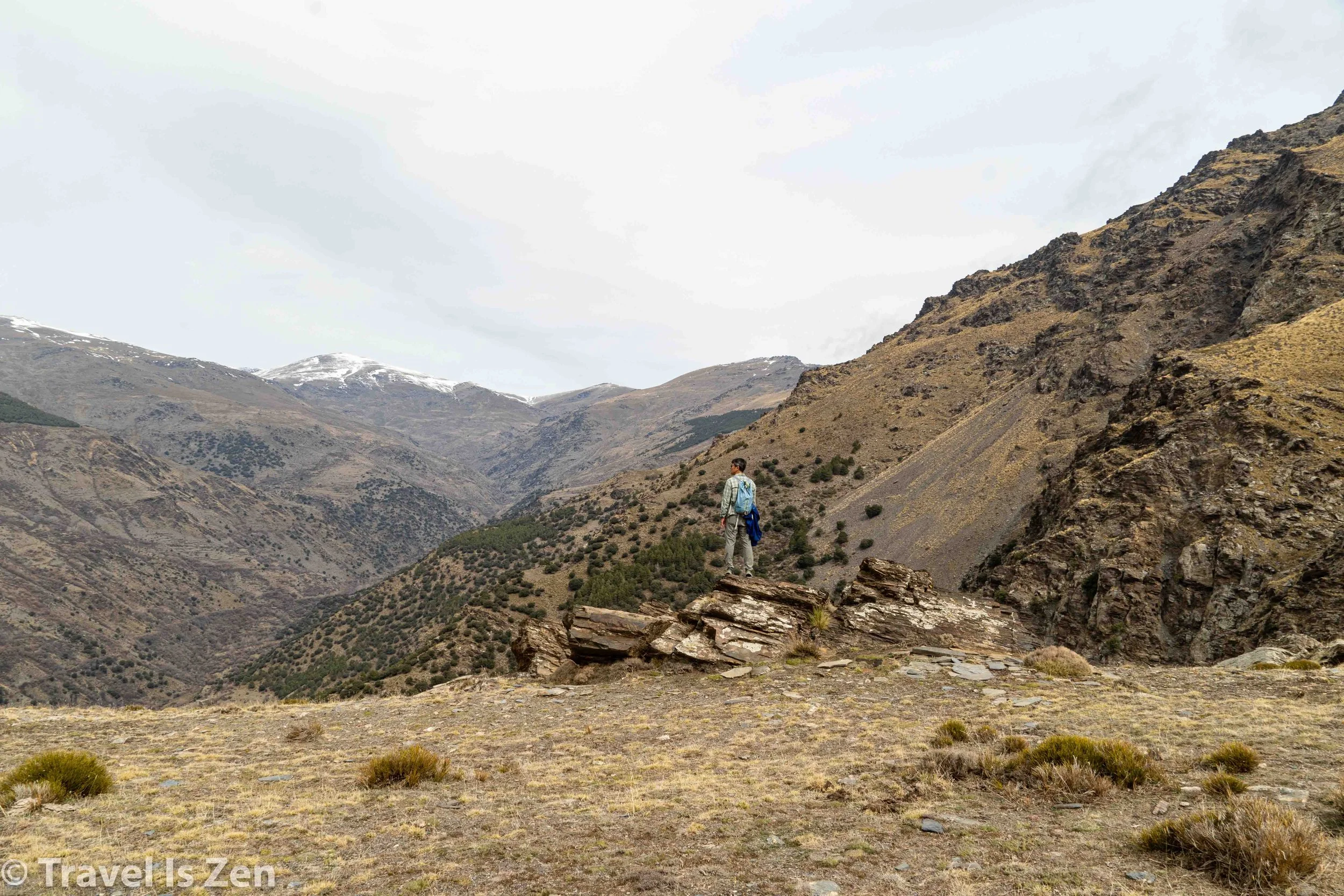
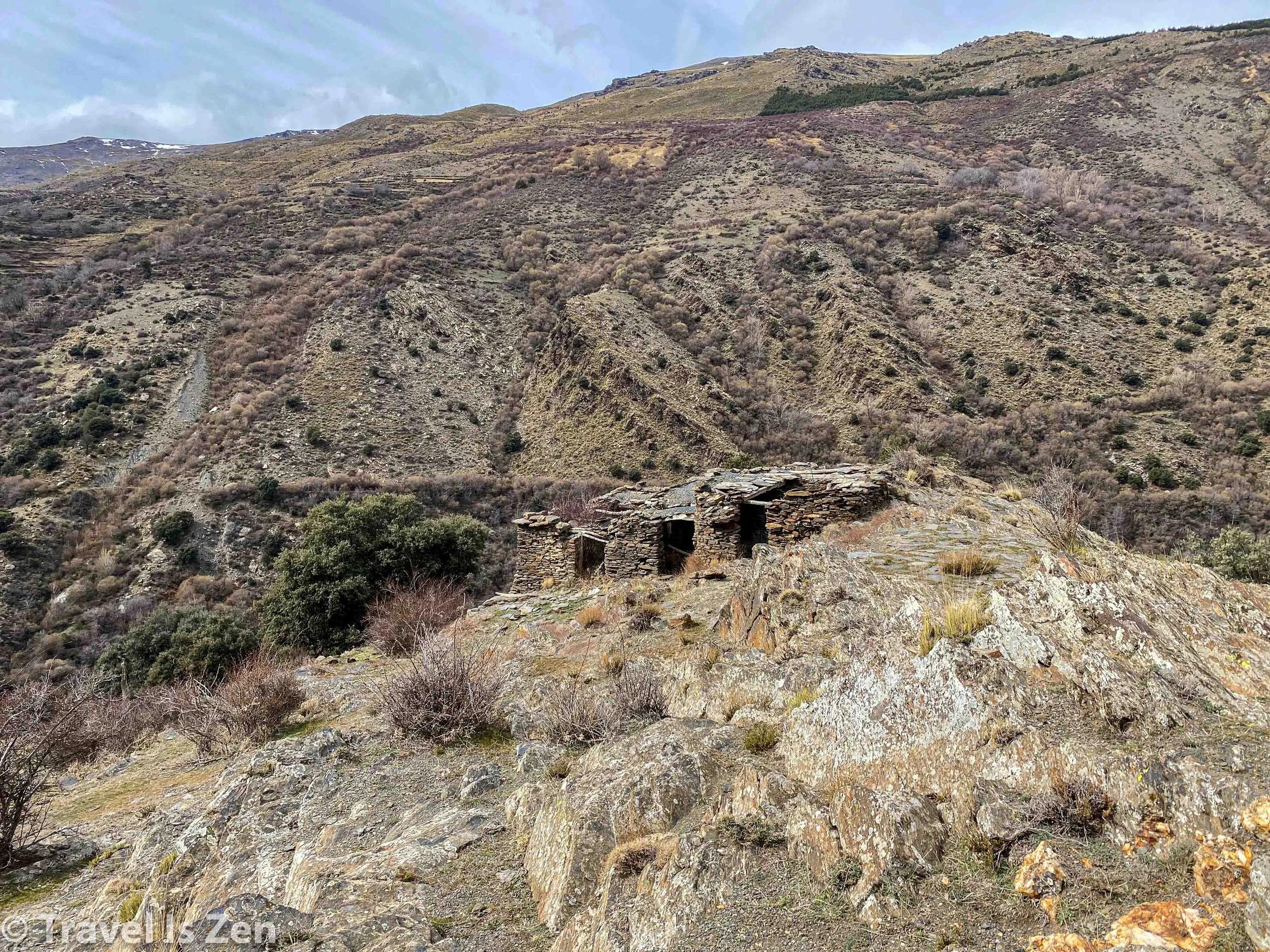
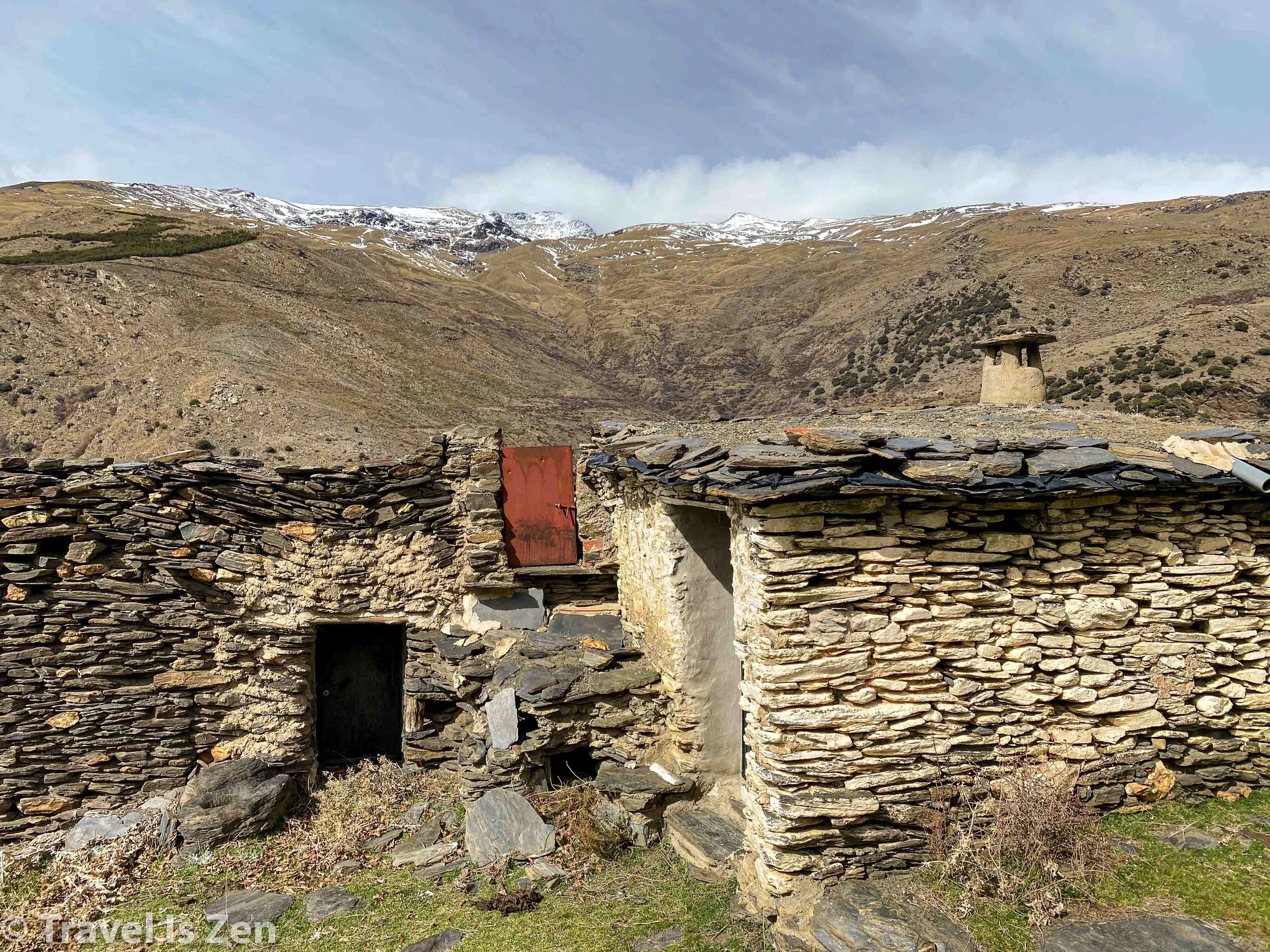
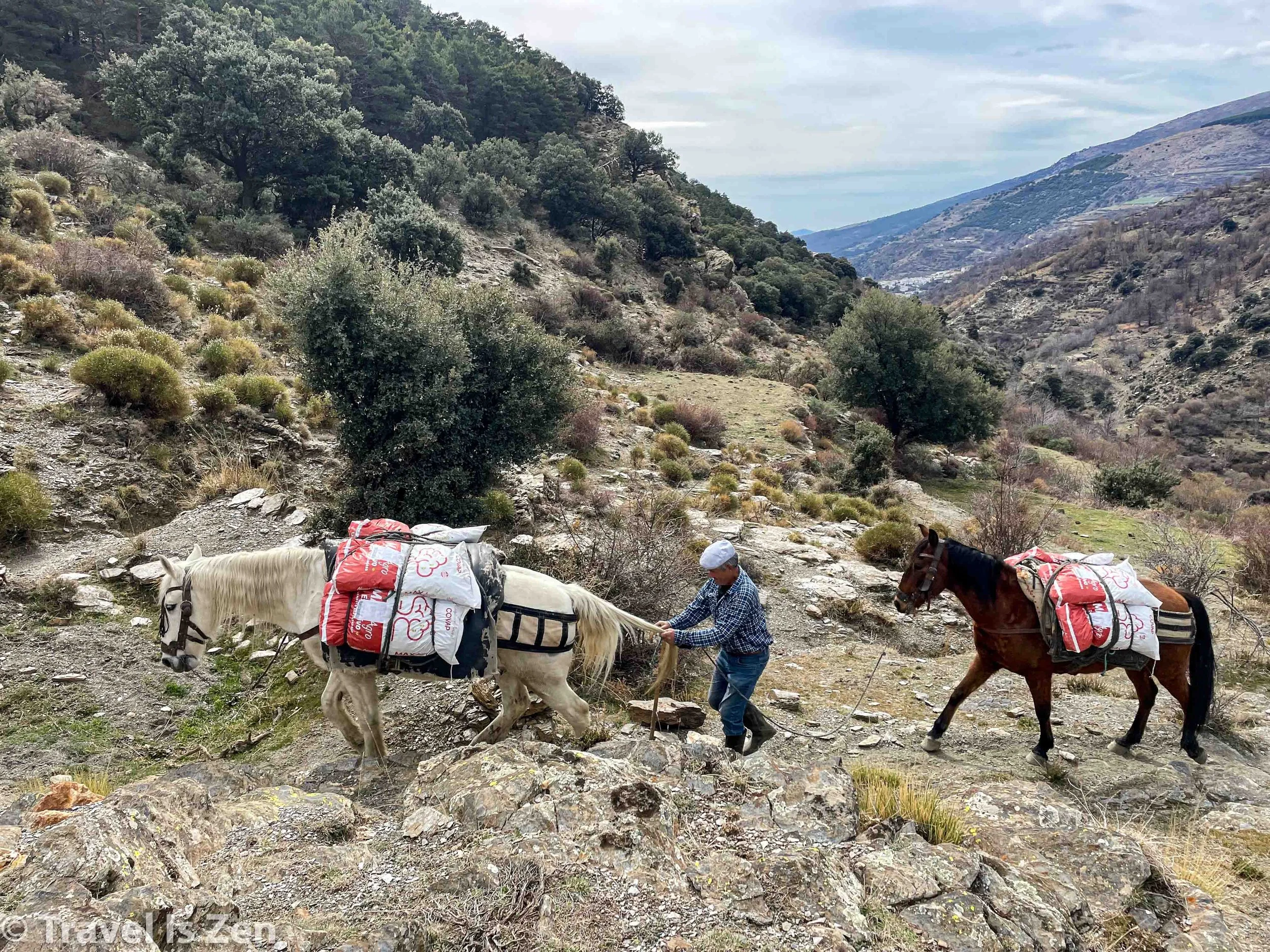
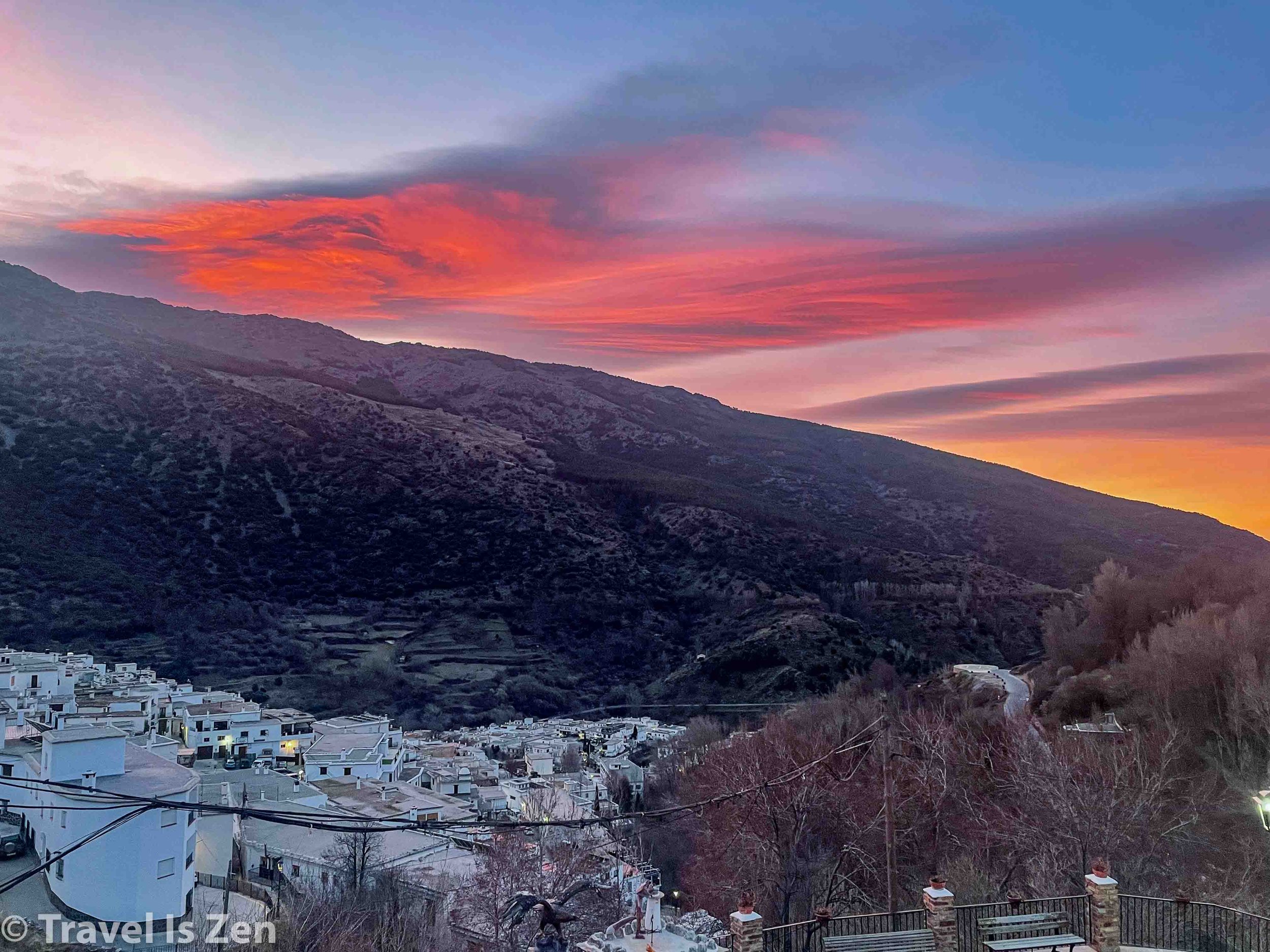
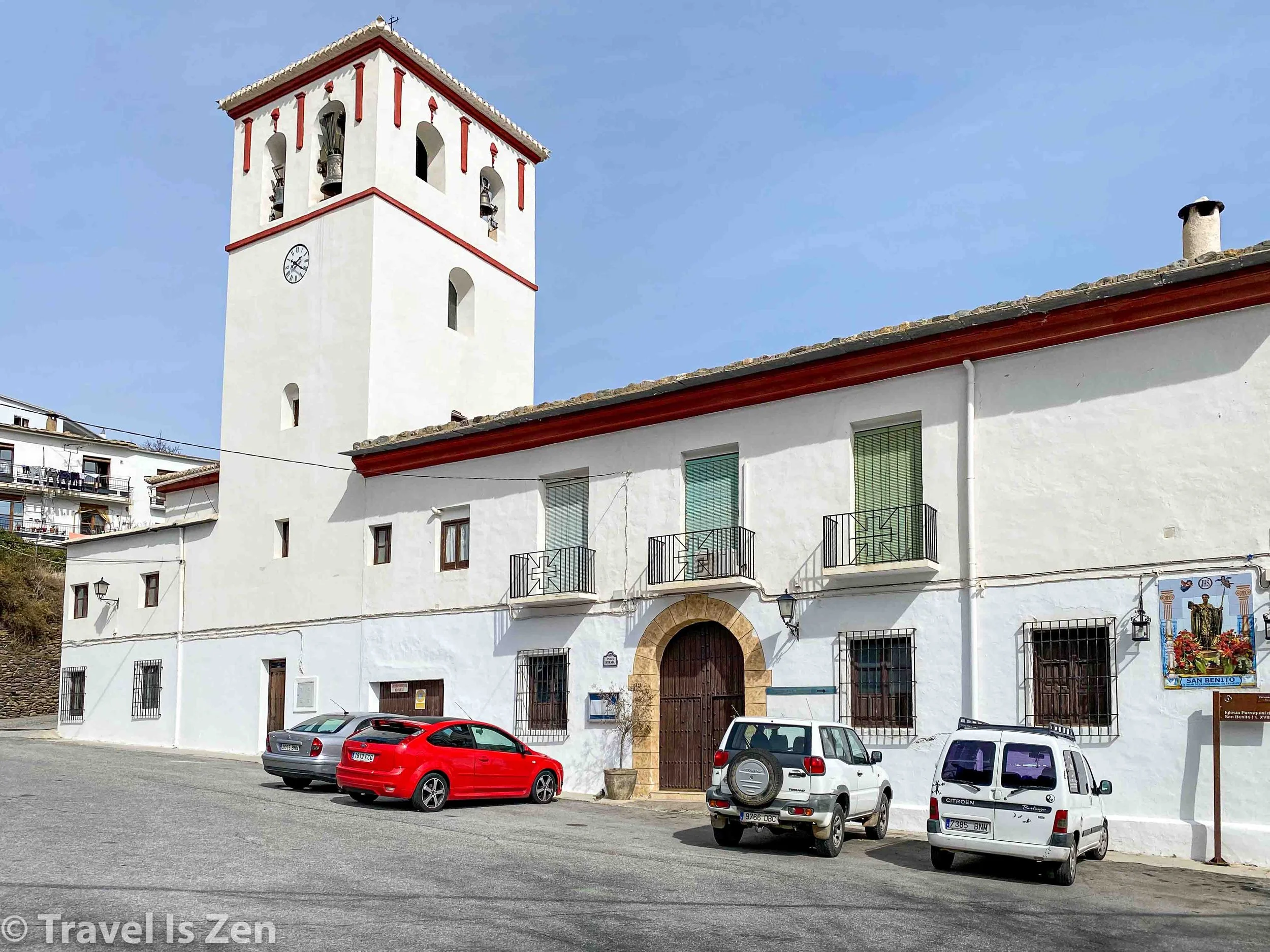
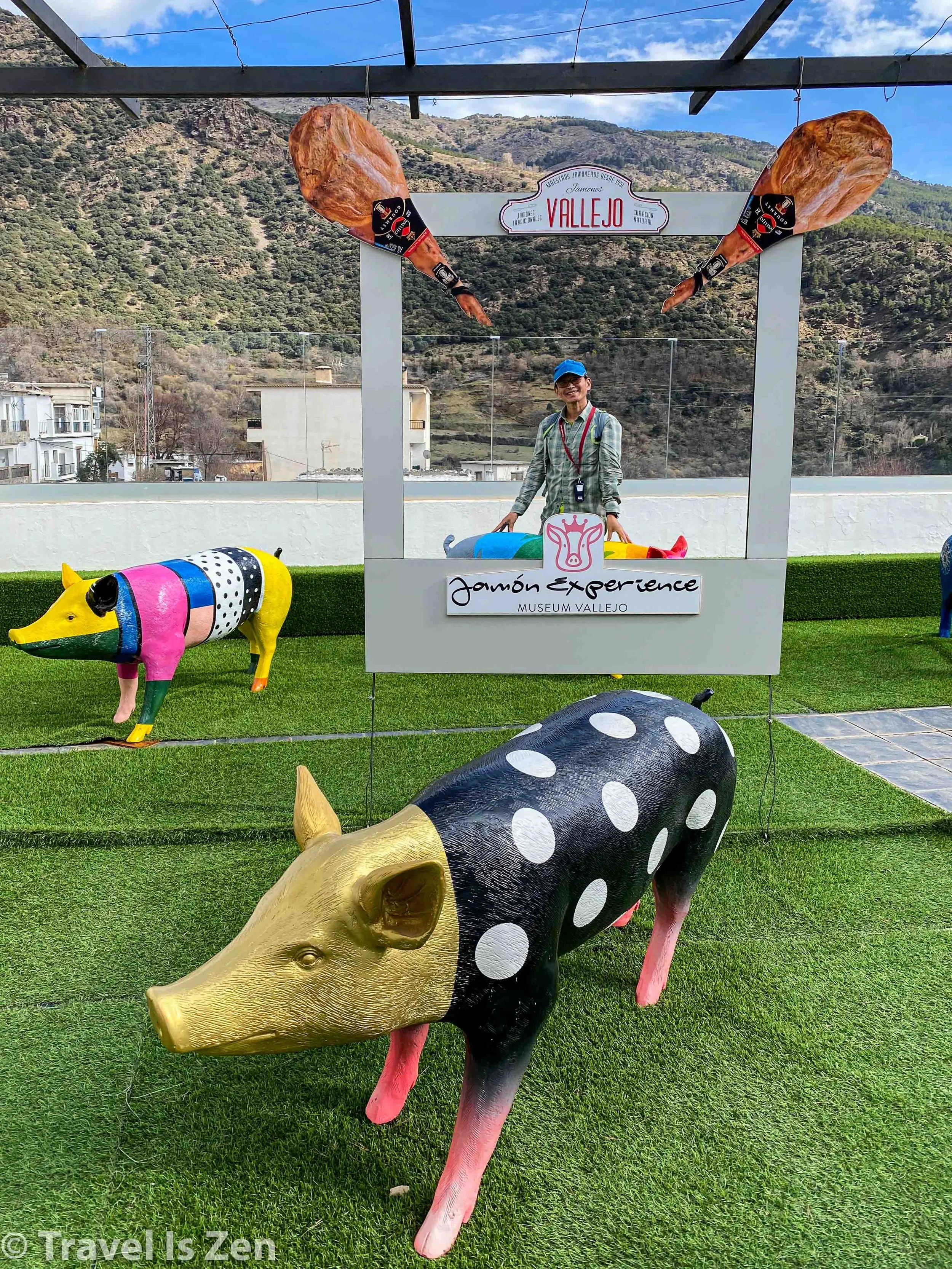
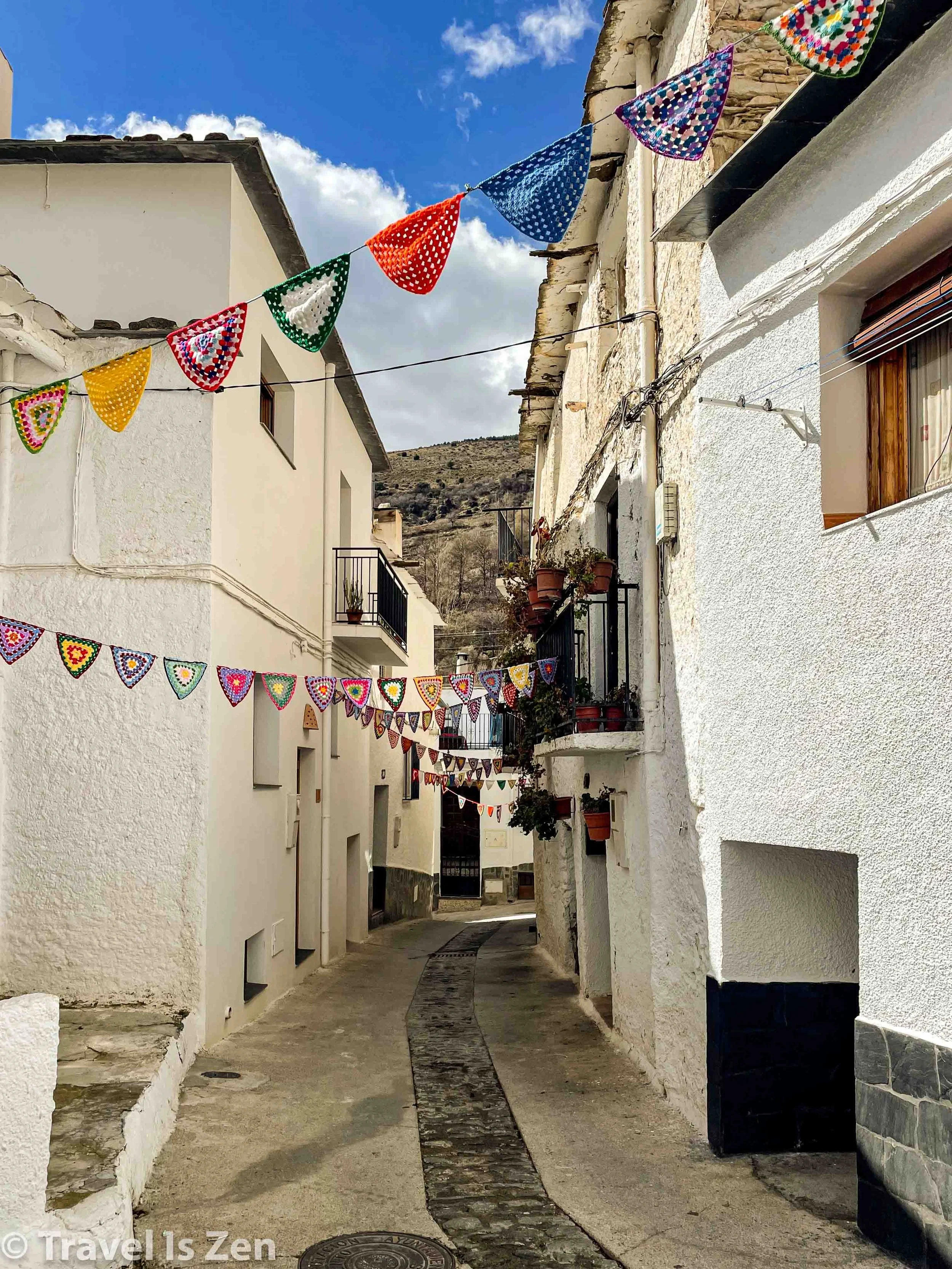
Other than hiking, a stroll through the main town square in Trevelez’s Barrio Bajo (lower town) reveals a ton of religious and cultural history, including churches, local artwork (like knitted blankets, socks, and decorative basket covers, wool, sheepskin and leather products), old lavaderos (communal laundries, drinking and washing stations). And, of course, HAM is the main event here. To fully appreciate what’s on the plate, the ham museum is a fun experience to learn what makes ham so special here.
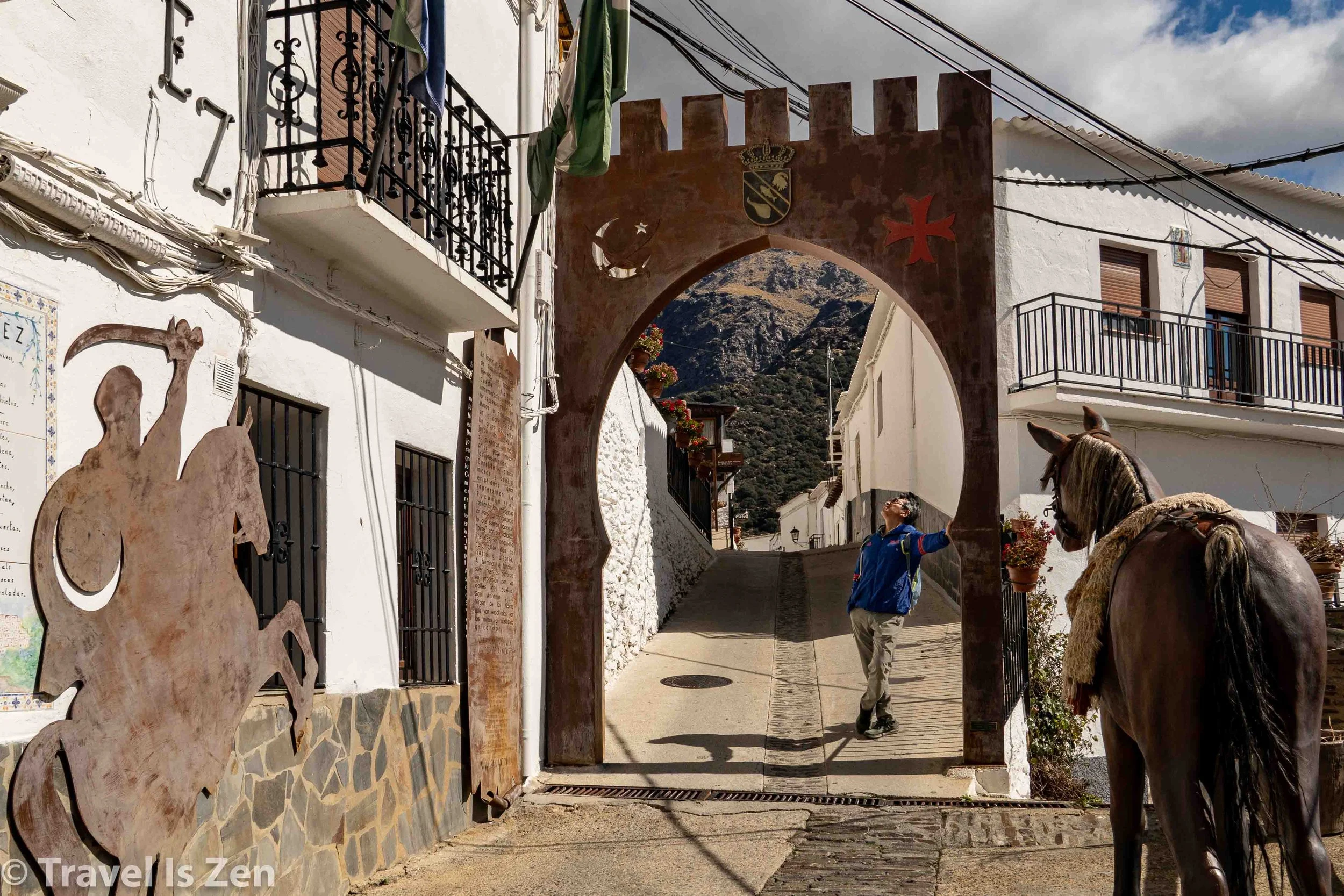
Exploring the White Towns - the Alpujarras — of Andalucia was the capstone of our five week winter trip in southern Spain: Madrid, Sevilla, Cordoba, Ronda, and Granada.