Antalya and the Turquoise Coast
Old Town - Kaleiçi
Antalya was our base city during a 30 day visit to Turkey in 2024, which encompassed a bus trip to Cappadocia and a trek along the Lycian Way. Initially, we stayed in the Old Town area (known locally as Kaleiçi) for two nights, giving us a chance to time travel through Roman, Seljuk, Ottoman, and modern Turkish history, all intermingled within Kaleiçi’s narrow, cobblestone streets. We began our tour at the triple-arched Hadrian’s Gate, built of marble in 130 CE to honor Emperor Hadrian.
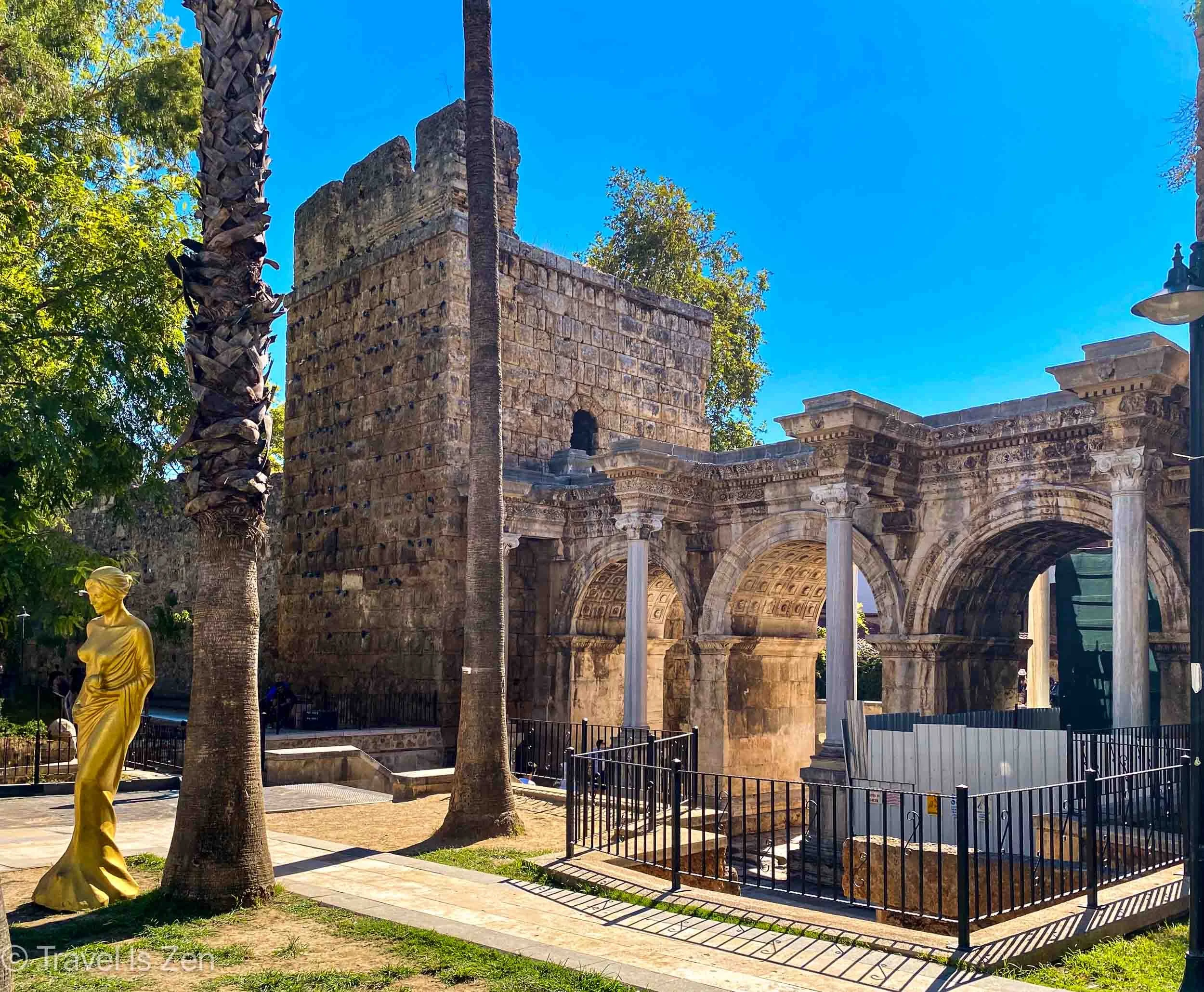
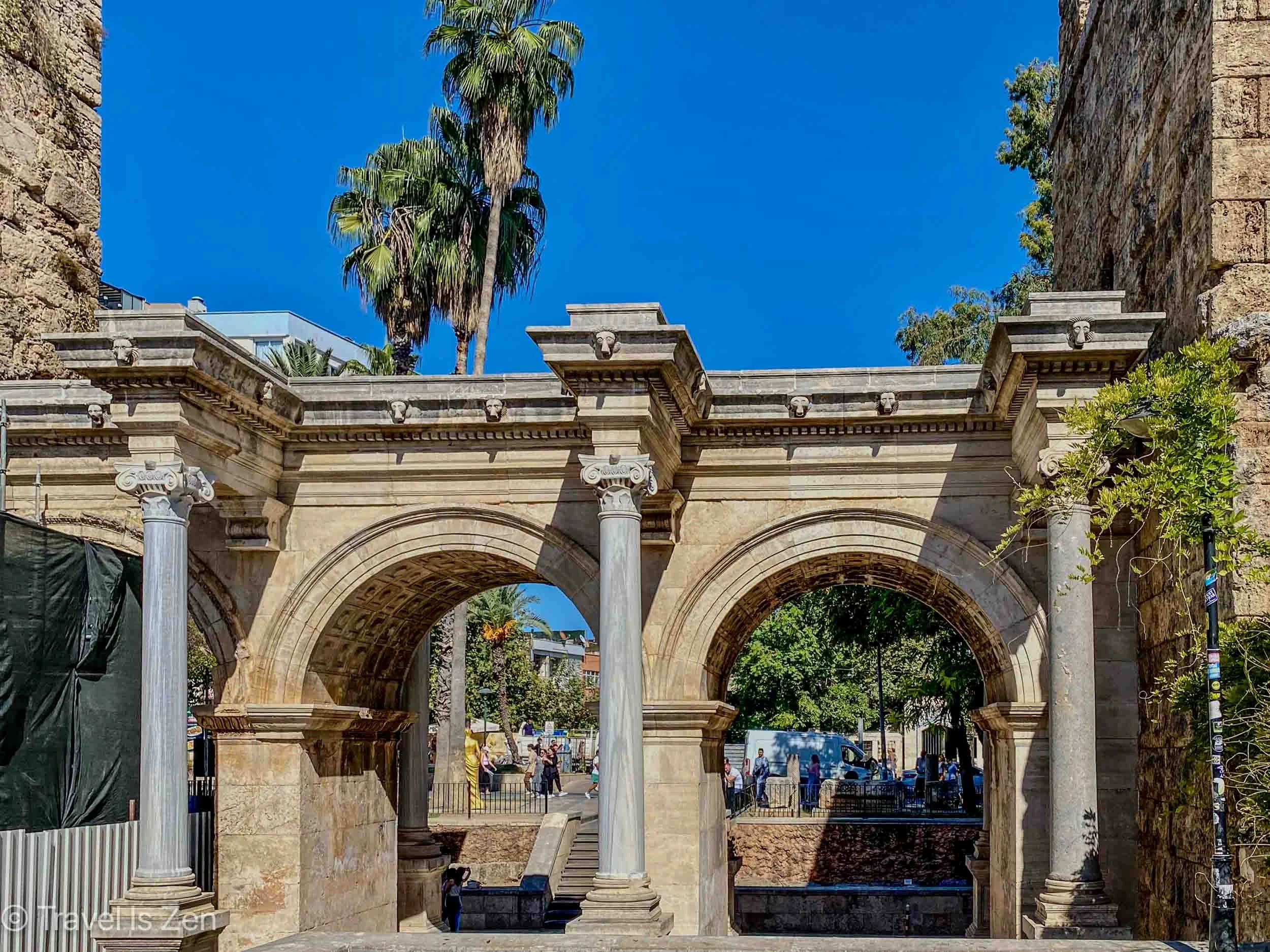
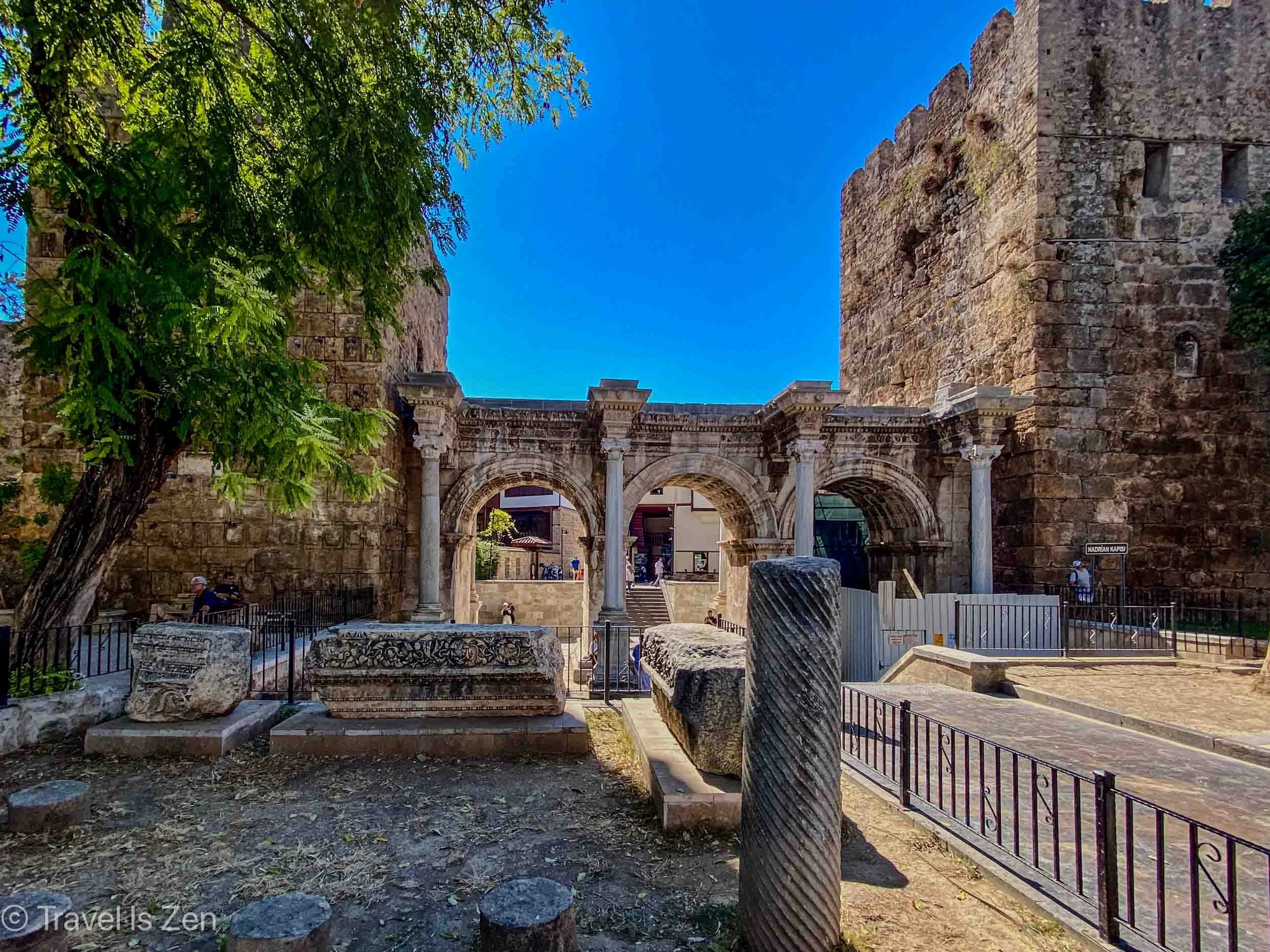
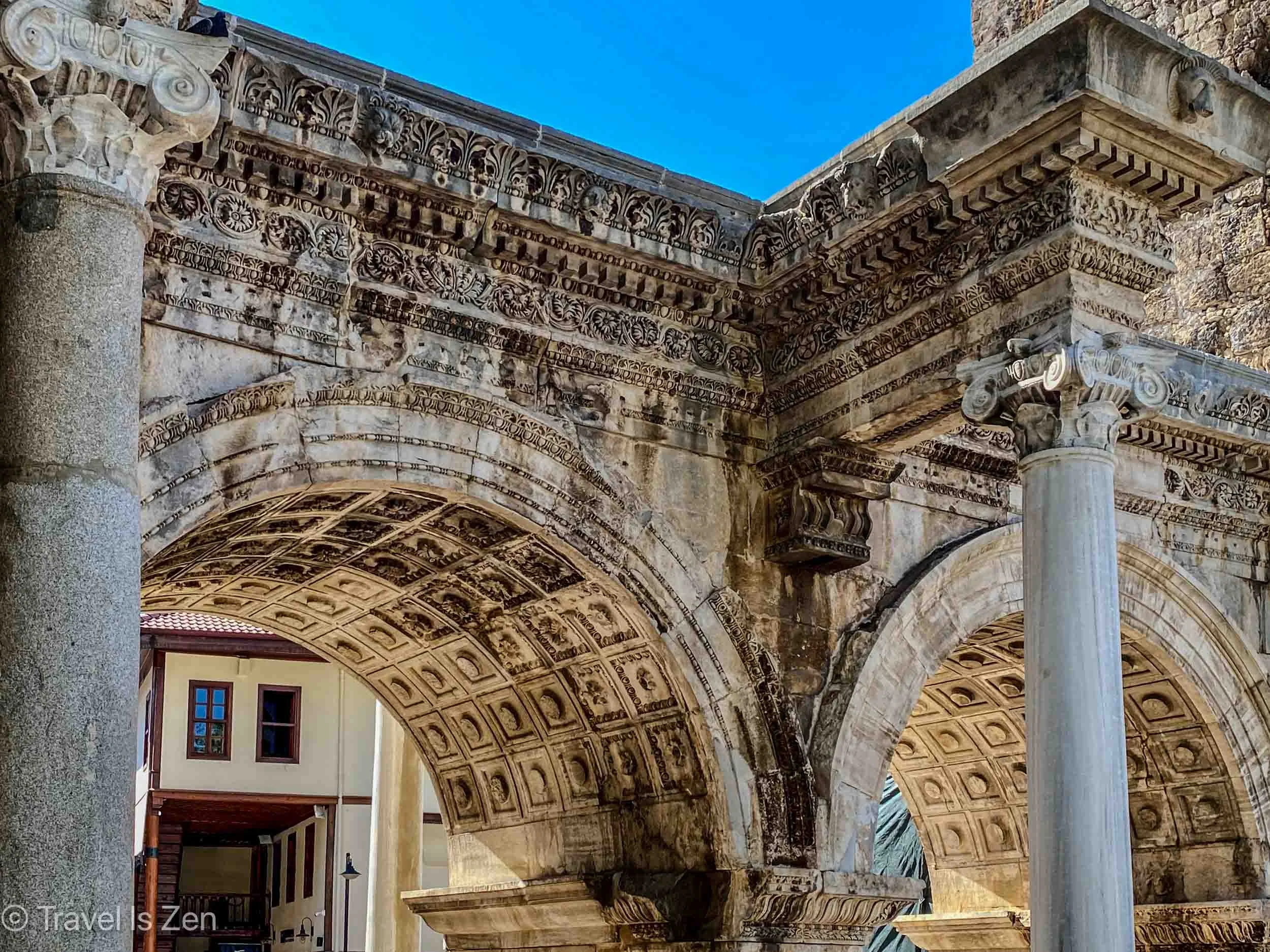
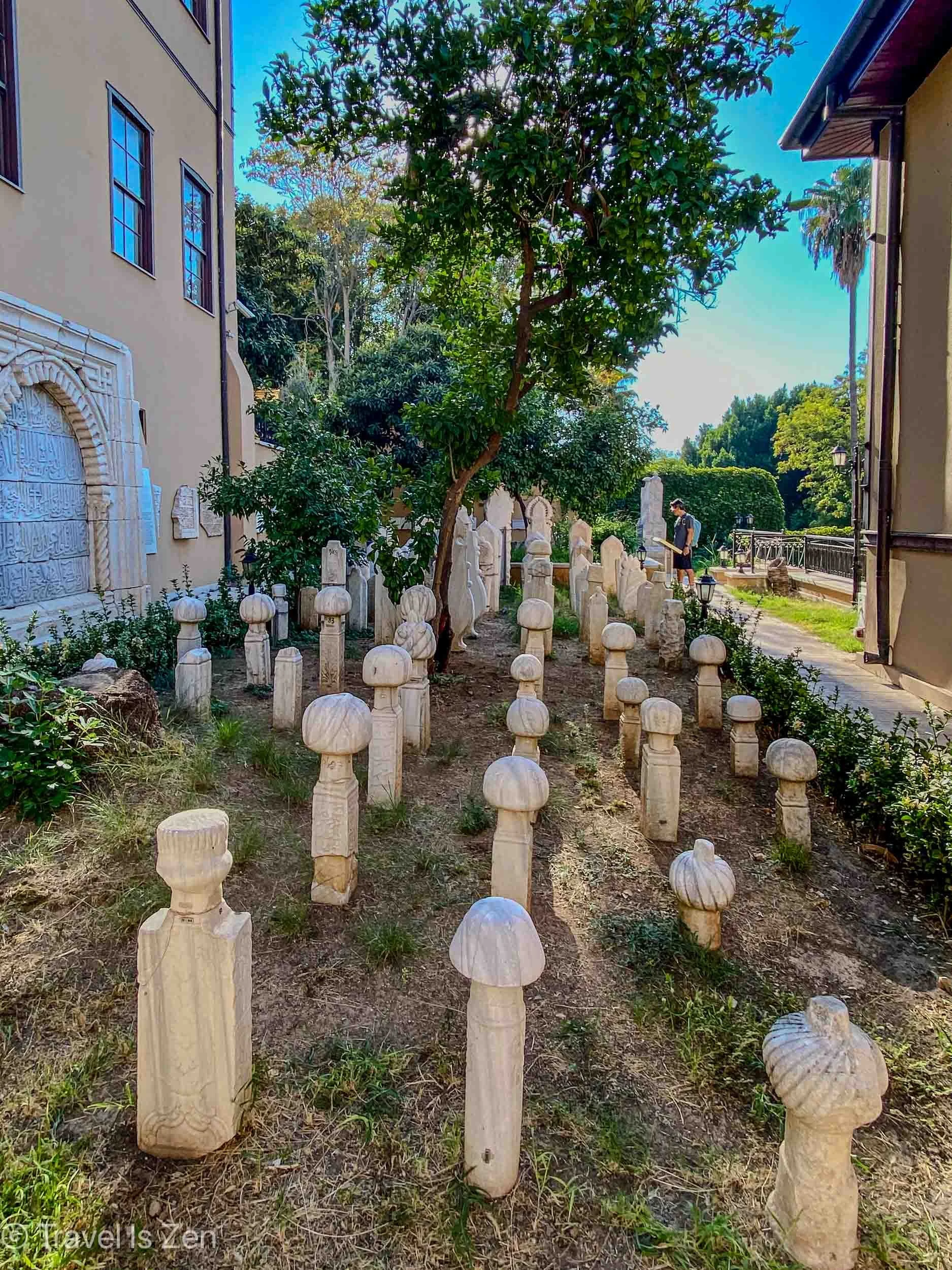
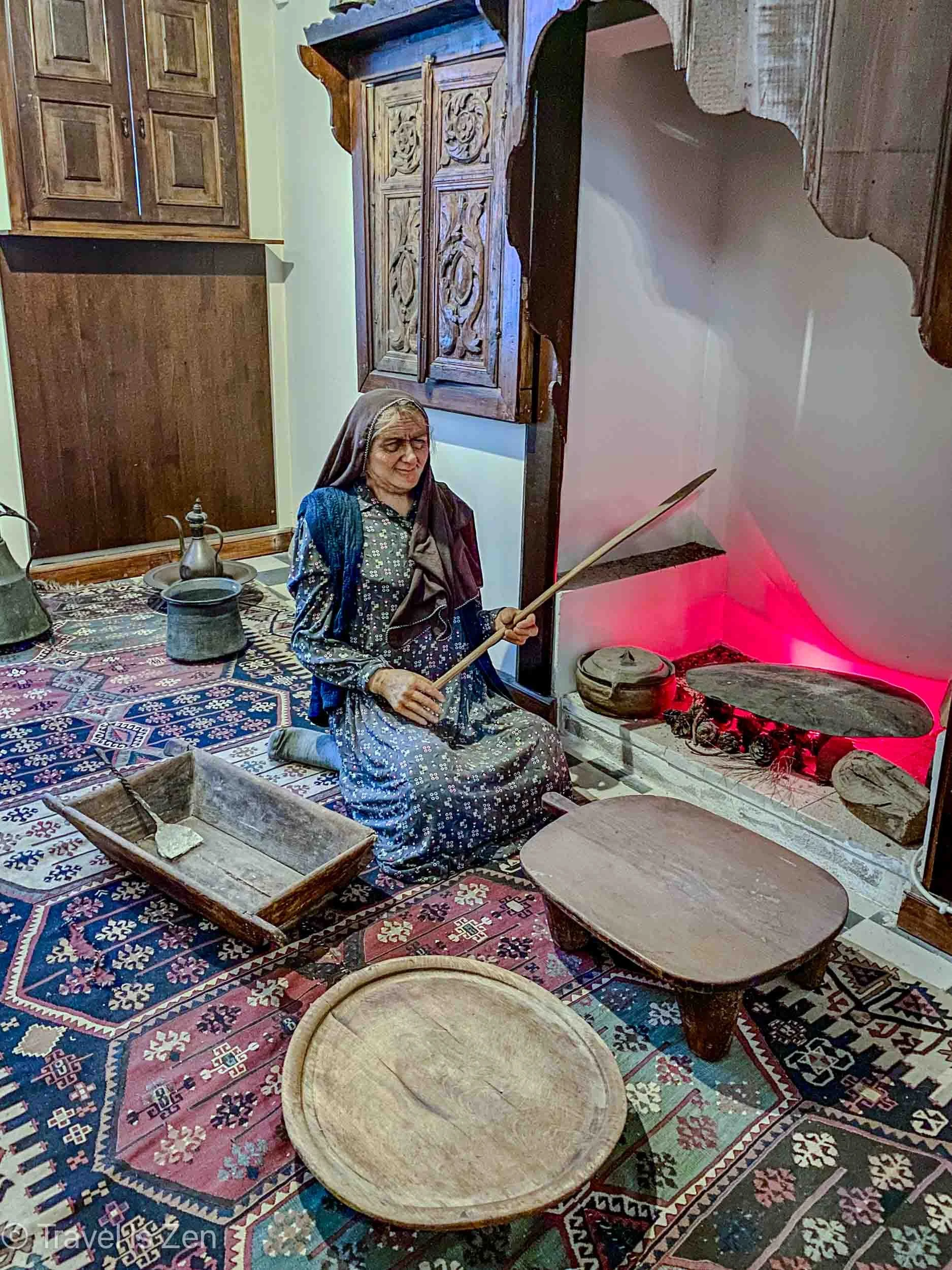
Following Roman roads preserved beneath the arches, we passed into Ottoman-era cobblestone streets lined with blooming bougainvillea, craft shops and coffee houses. Strolling along, we popped into the Antalya Ethnographic Museum, a wonderful (air conditioned and free!) museum showcasing traditional Turkish clothing, hats, home culture, cooking techniques, and carpet weaving.
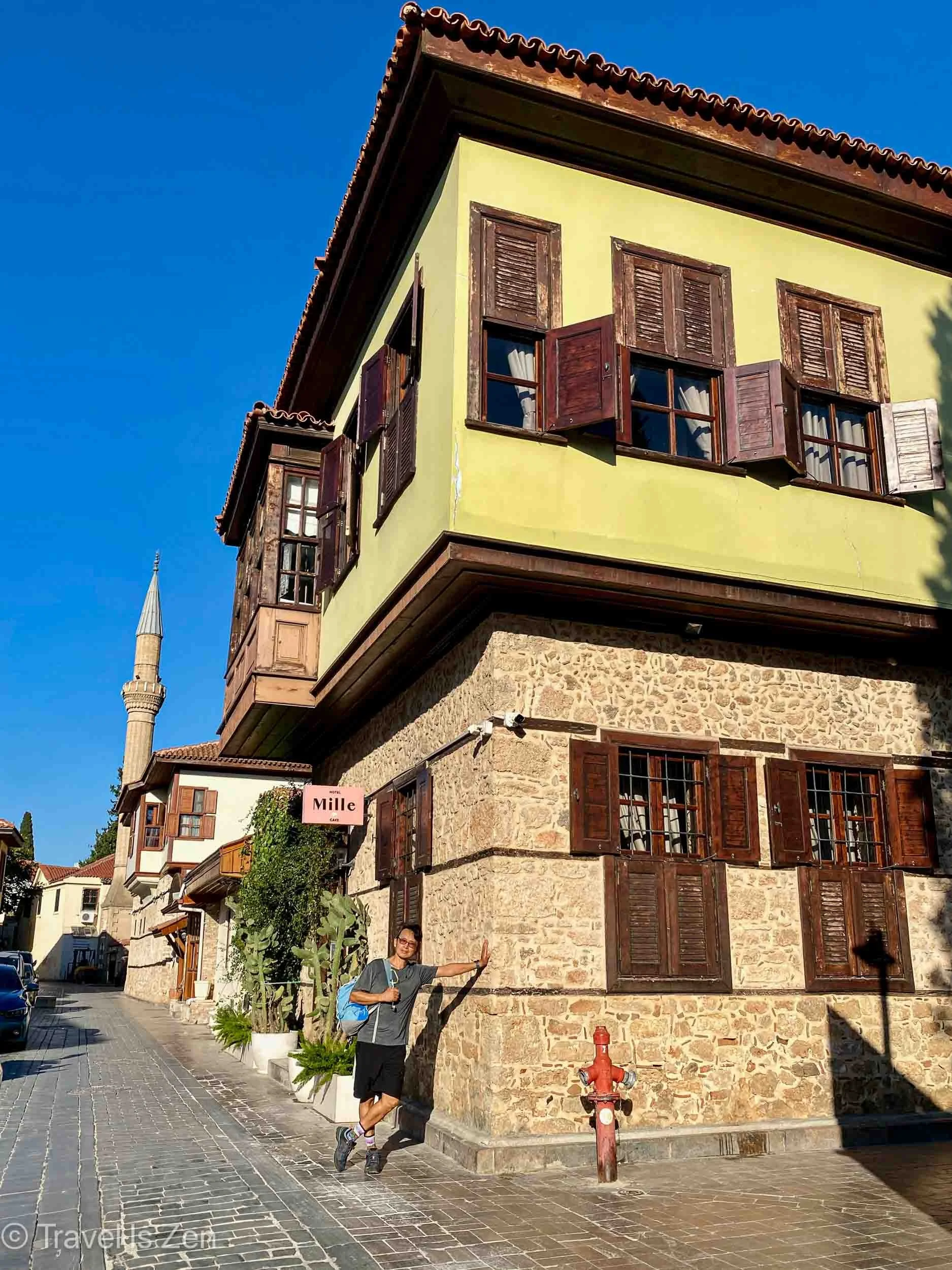
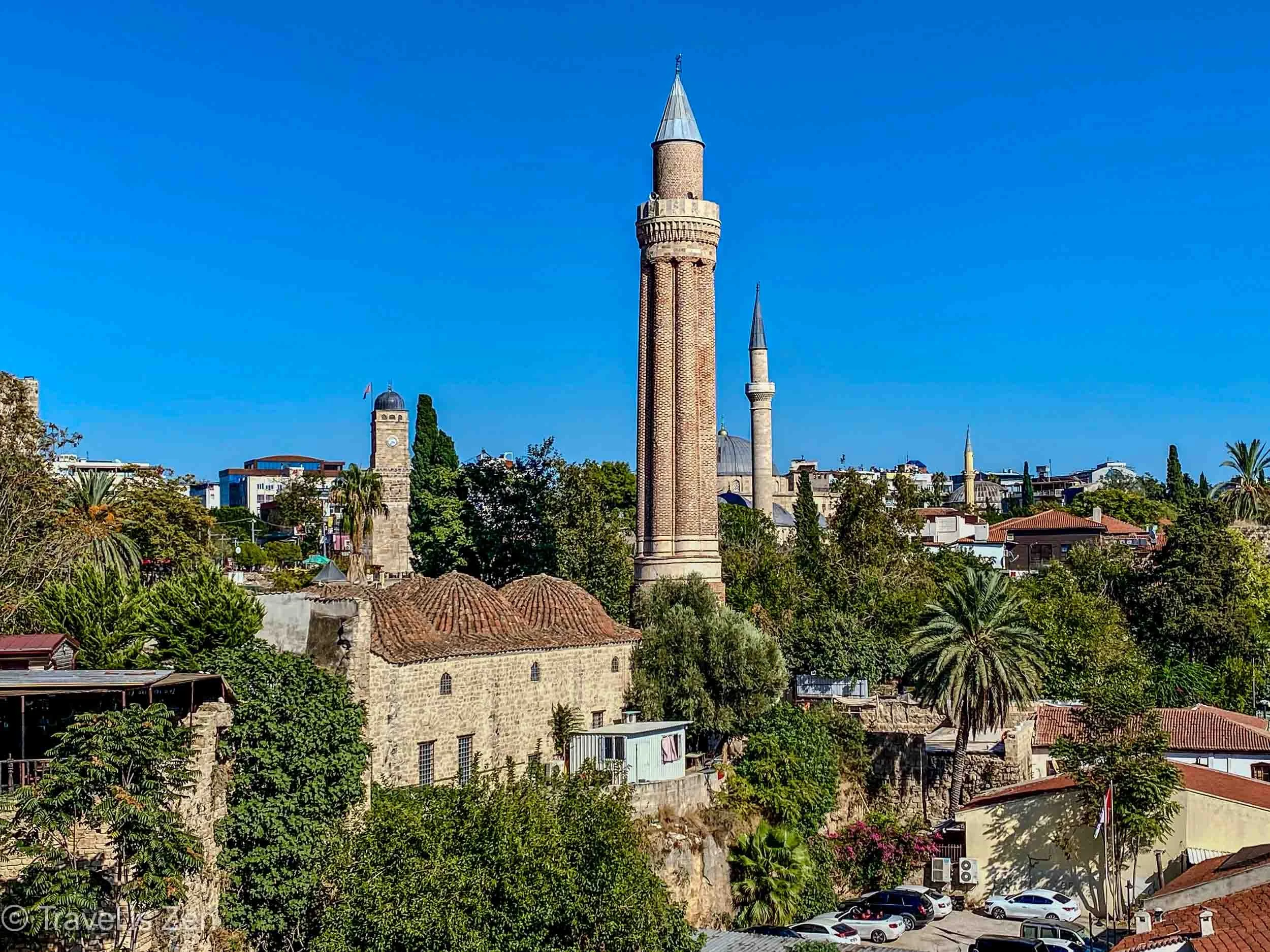
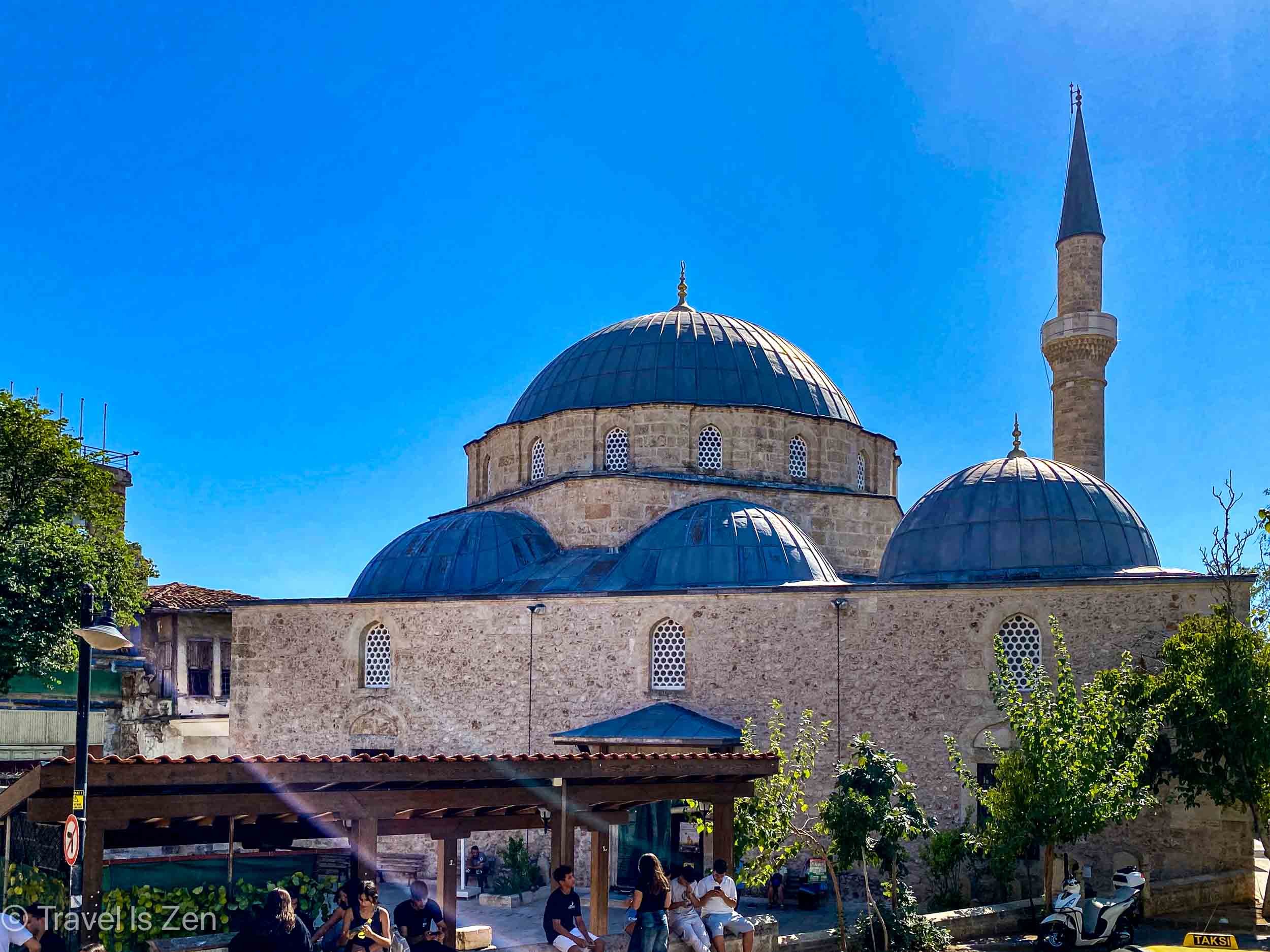
The Yivli Minaret Mosque, with its fluted walls, is an iconic city landmark; “Yivli” means “grooved”. It was originally a Byzantine Christian church, transformed into a mosque by the Seljuks between 1219–1236 CE. We could see its foundational Roman blocks, Christian crosses, and Islamic calligraphy - historical signatures spanning thousands of years, in a single architectural structure. Across the street from the fluted mosque, is Tekeli Mehmet Pasha Mosque with its magnificent domes built by the Ottomans in the 1500’s.
Also nearby the Yivli Minaret Mosque is Mevlevi Dervish Lodge, a welcoming education center to learn about Islam and the origins and practices of the Sufi “whirling Dervishes”, a mystical sect of the Muslim religion. The whirling dervish tradition was founded in the 13th century by the Persian poet and mystic Jalāl al-Dīn al-Rūmī. The dancers twirl to enter a meditative state, abolishing the ego to commune with God.
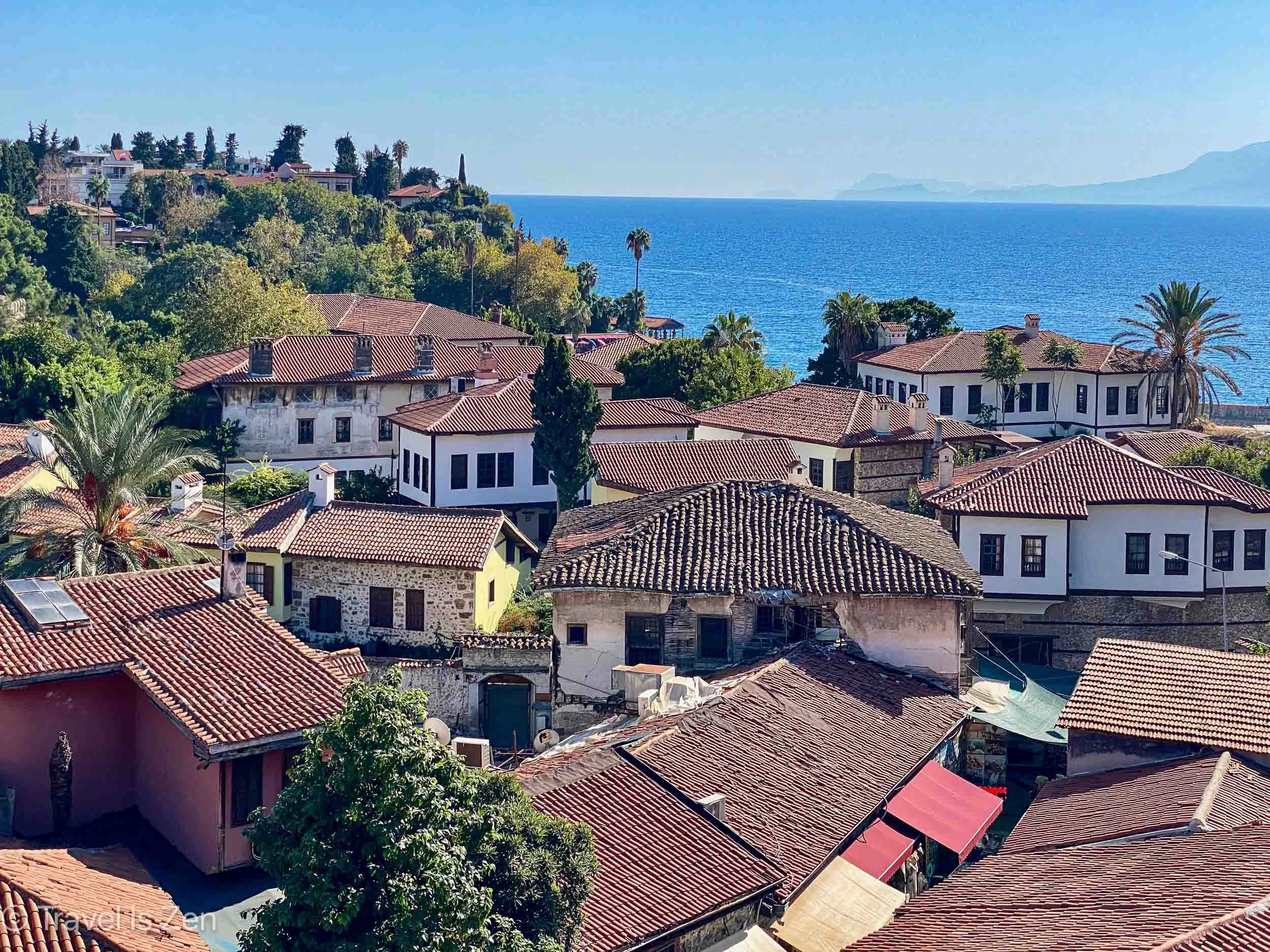
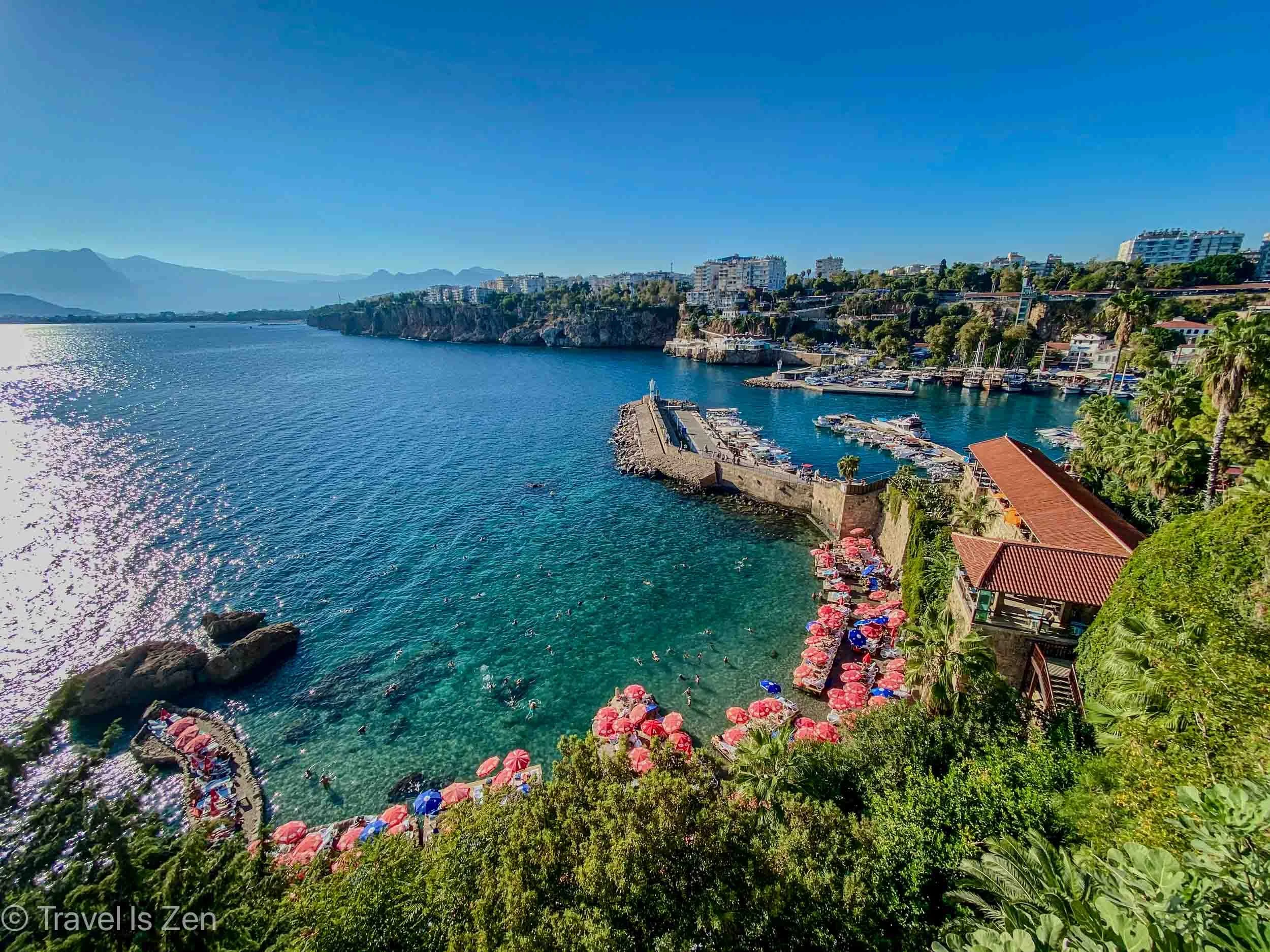
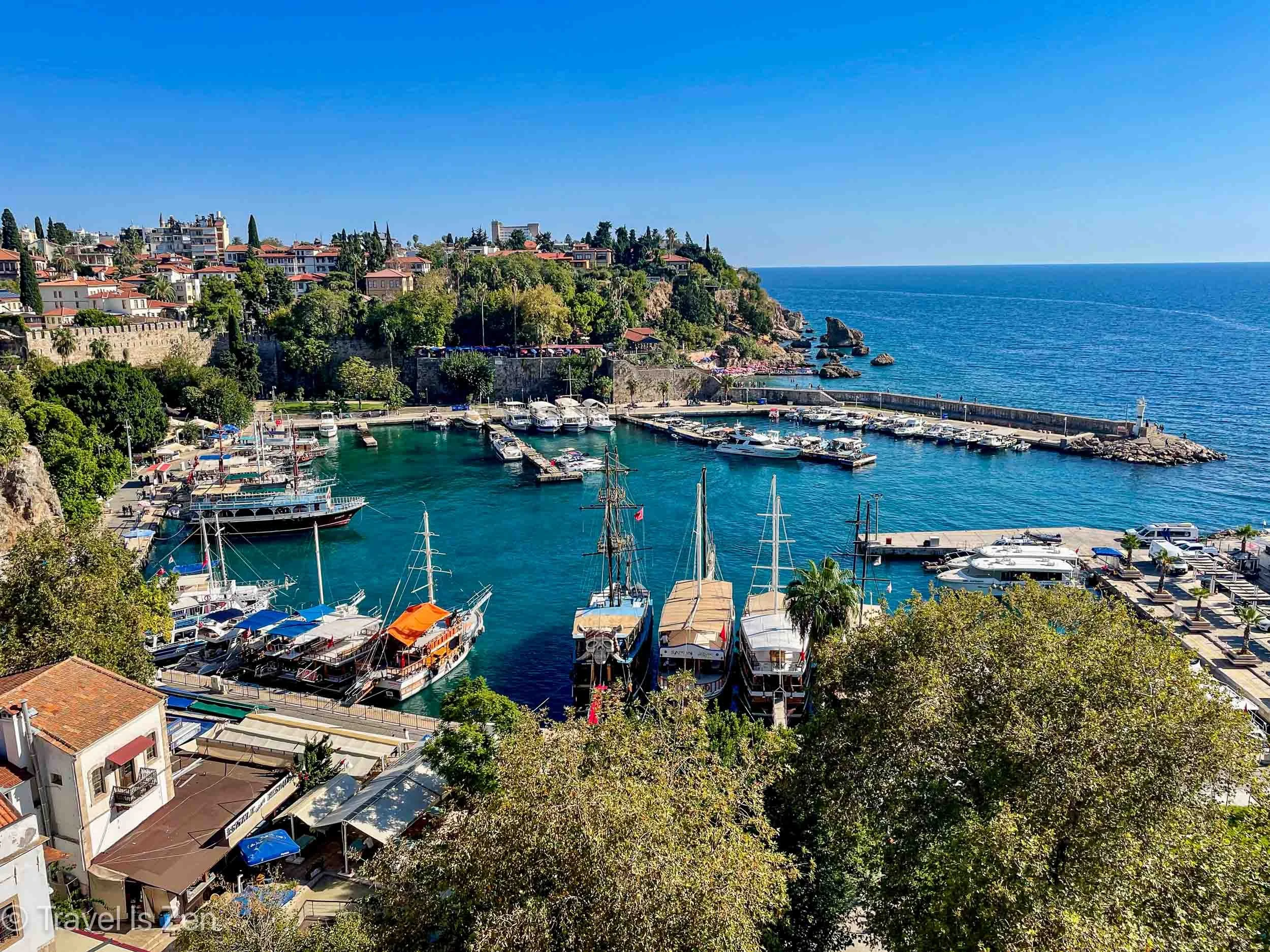
The final stop of our ad-hoc, self-guided walking tour was Kecili Park. From the glass platform deck, we had stunning views of the “Roman harbor”, the rooftops of Kaleiçi, and the swanky beach club at Mermerli Beach.
Konyaaltı Beach
After a couple of days in the Old Town area, we learned that Antalya wraps around the coastline; the Konyaalti neighborhood on the opposite side of the bay from Old Town is quieter and more residential. We found a spacious apartment just two blocks from Konyaalti Beach and stayed there several times throughout the month of October. In contrast to Old Town’s busy, narrow cobble stone streets, Konyaalti Beach felt wide open and modern, with a fresh sea breeze.
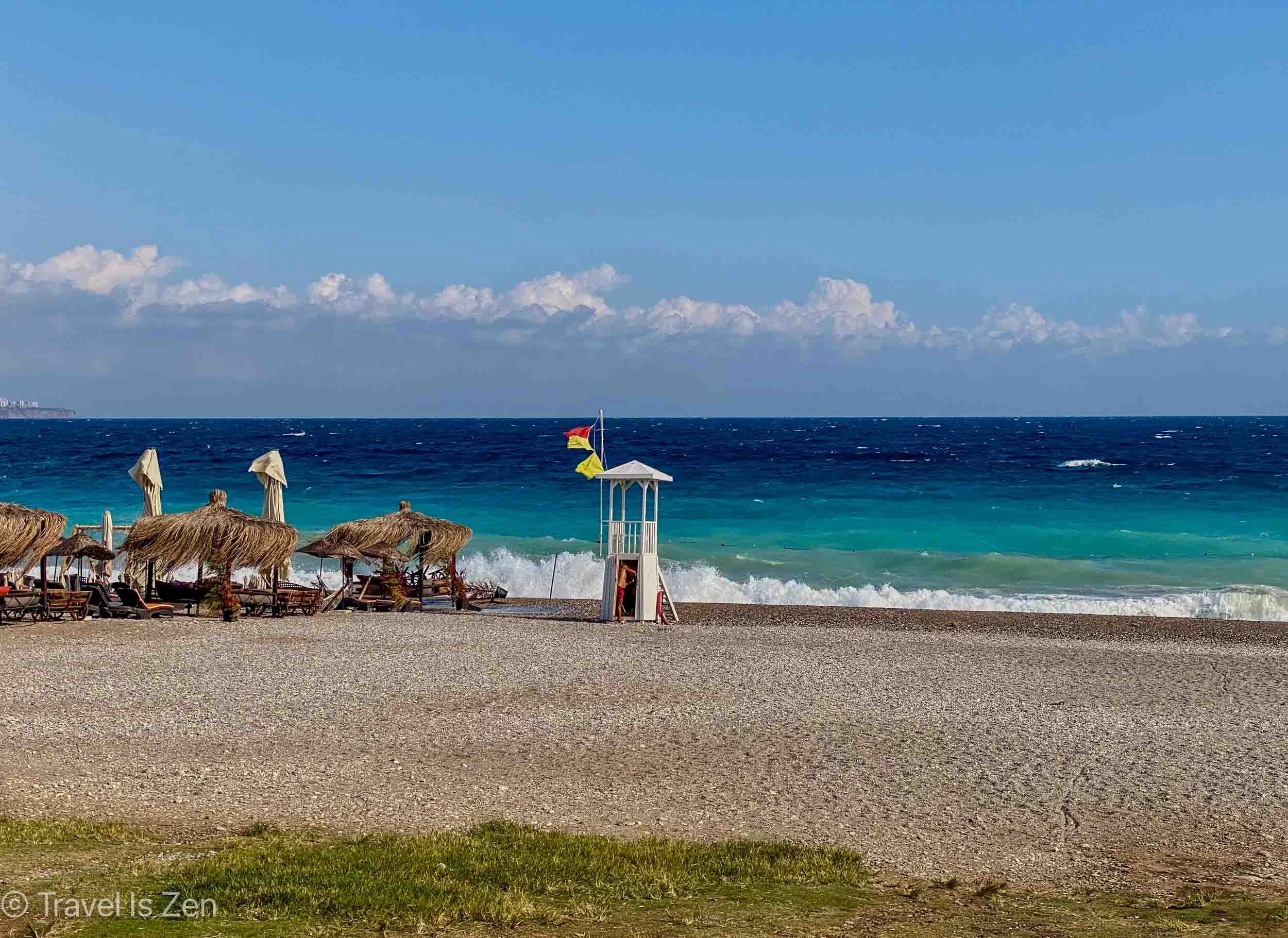
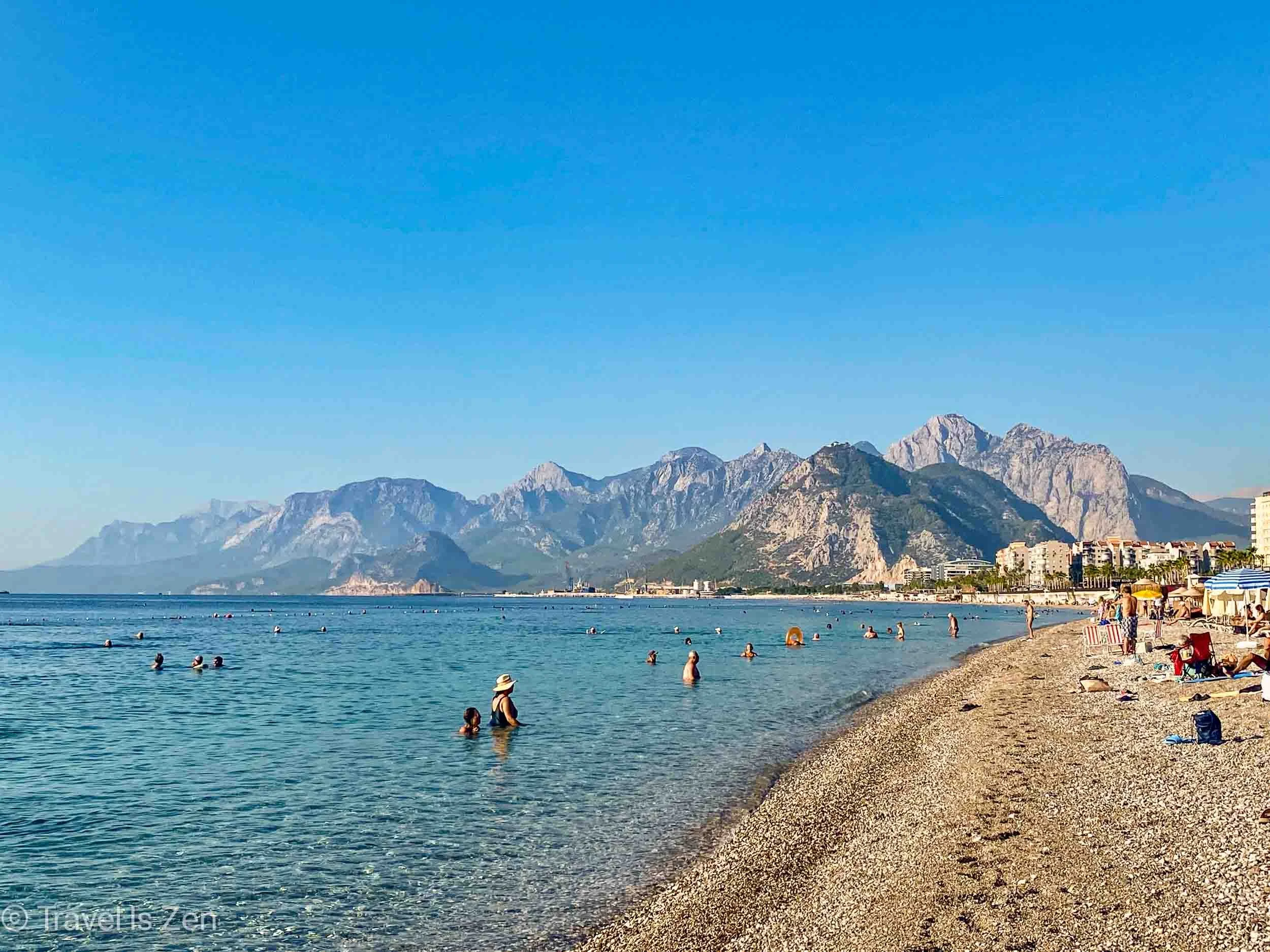
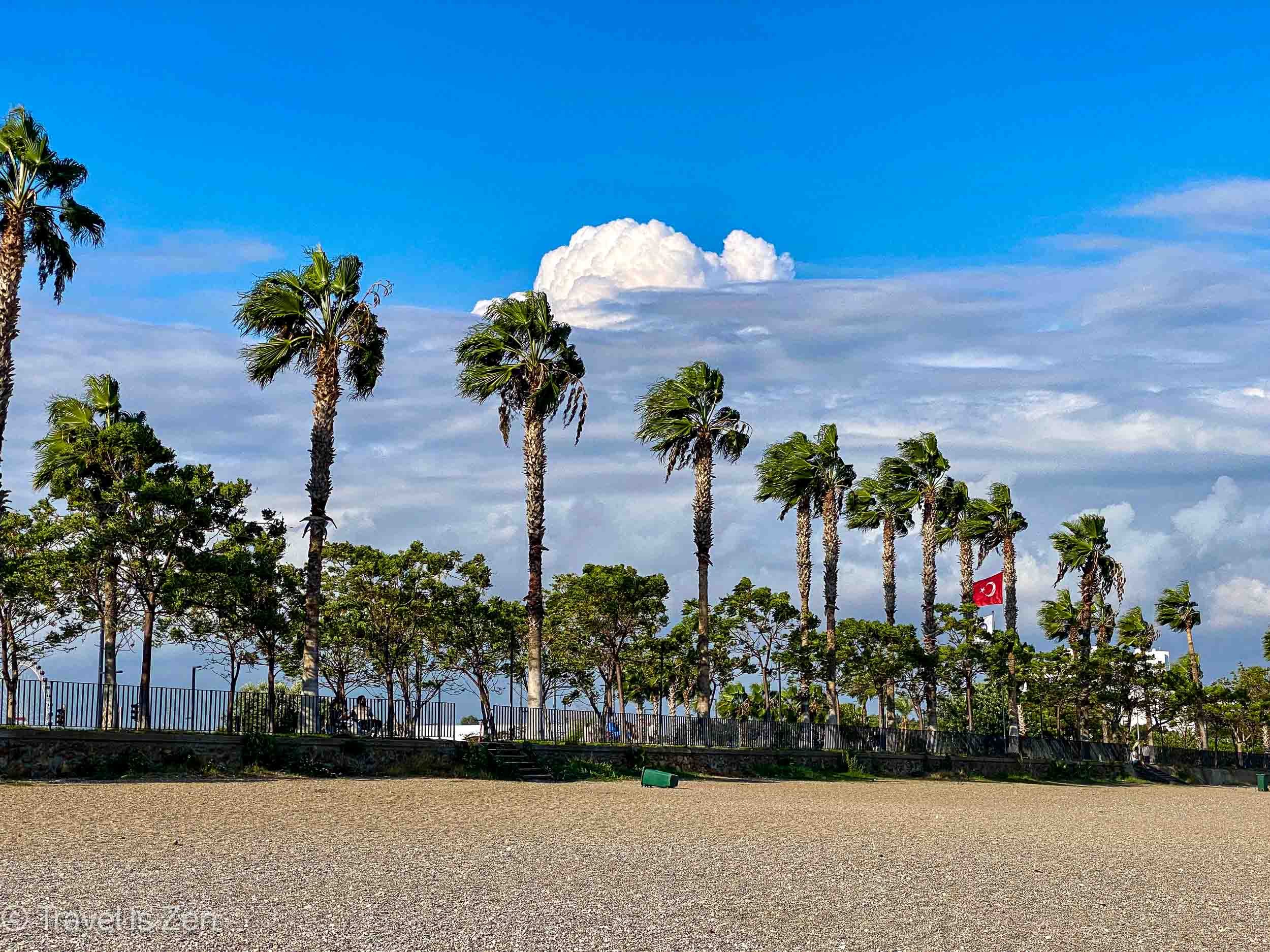

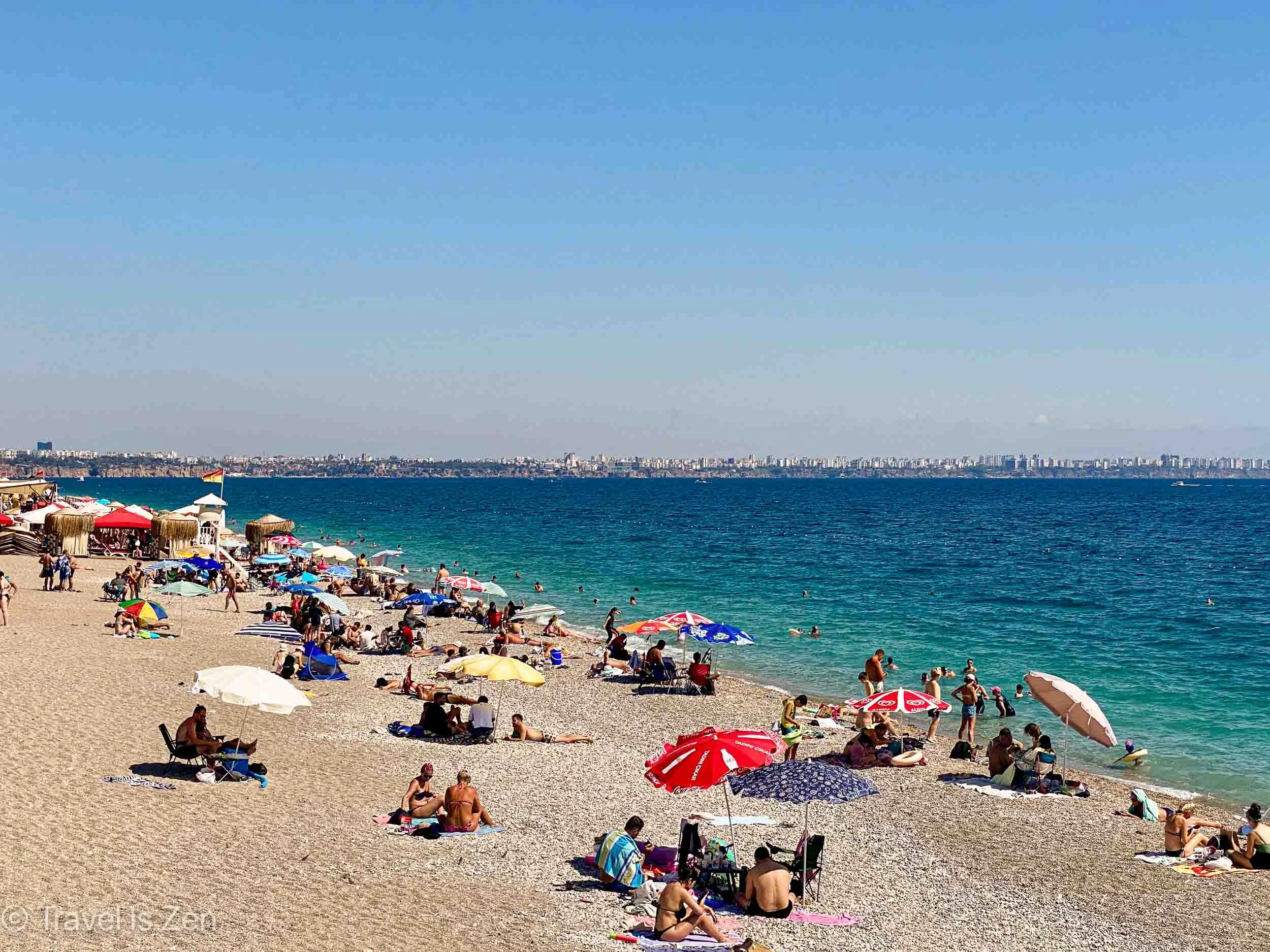
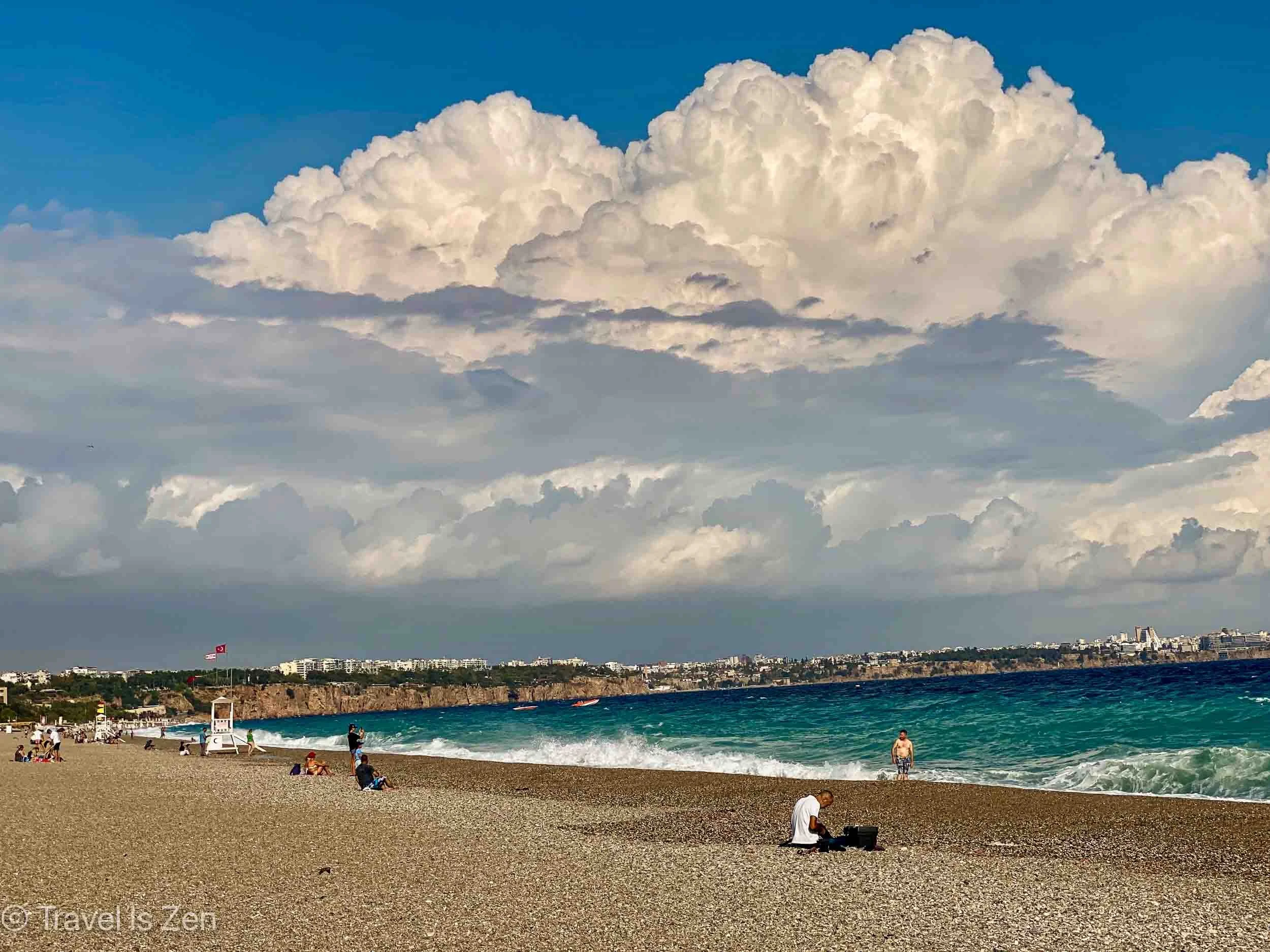
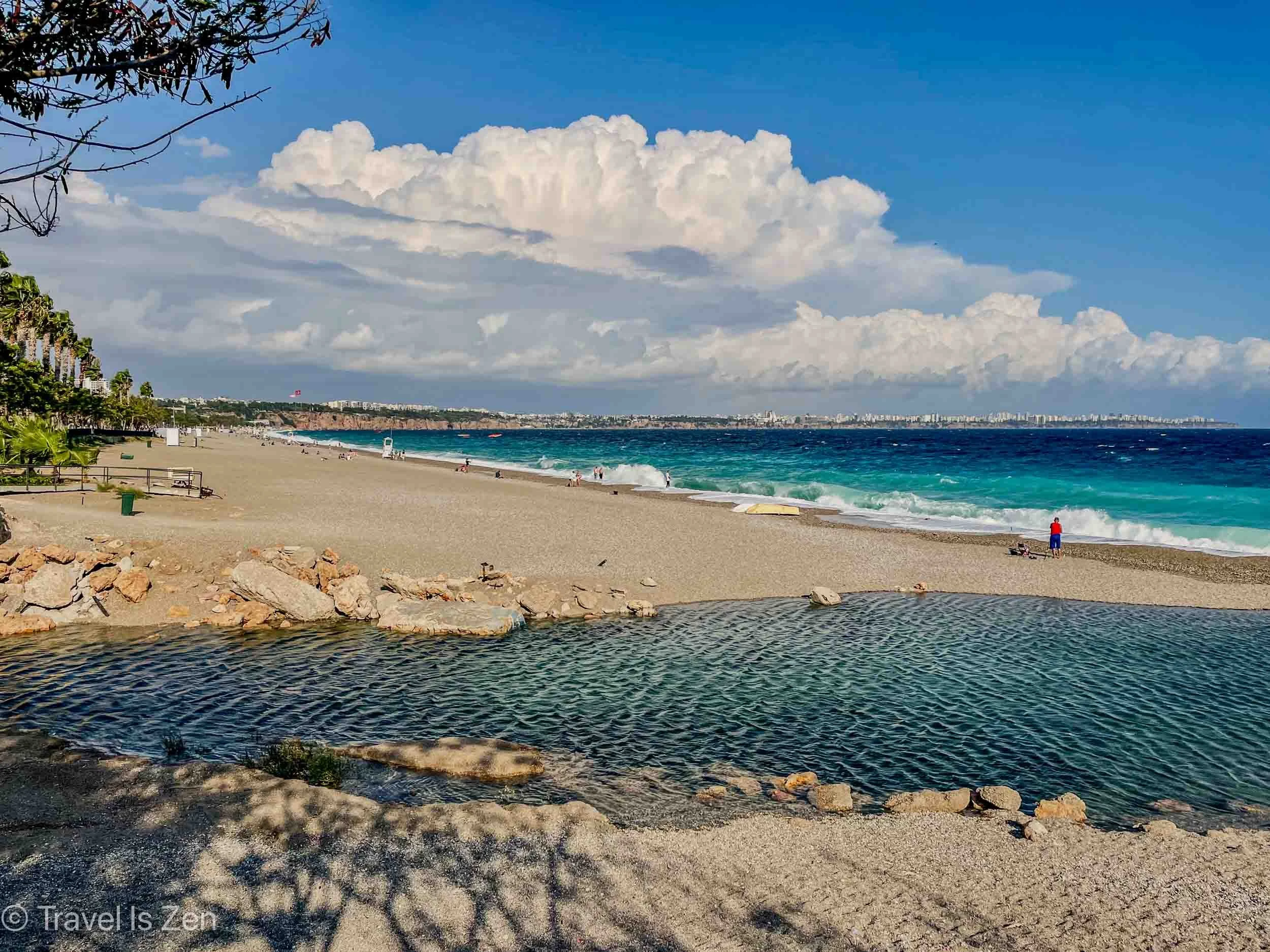
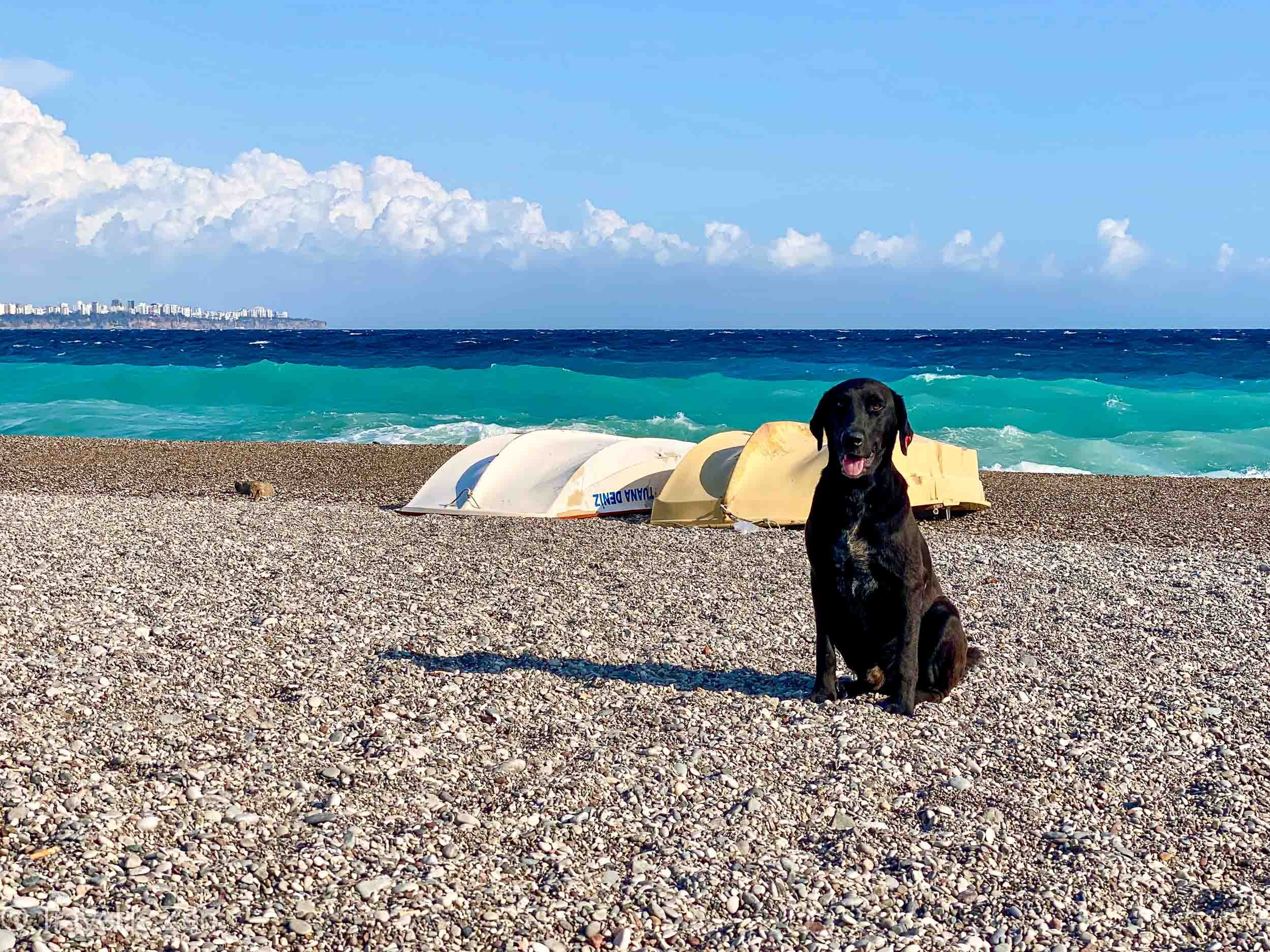
Each morning, a leisurely walk along the breezeway and a refreshing dip in the warm sea to start to day. After air-drying in the sunshine, we’d head for brunch, usually ordering a couple of simit (round sesame bagels) or a plate of gozleme (sweet or savory crepes), two ayran (a salty yogurt drink), and a dish of menemen (scrambled eggs in a tomato sauce) for dipping.
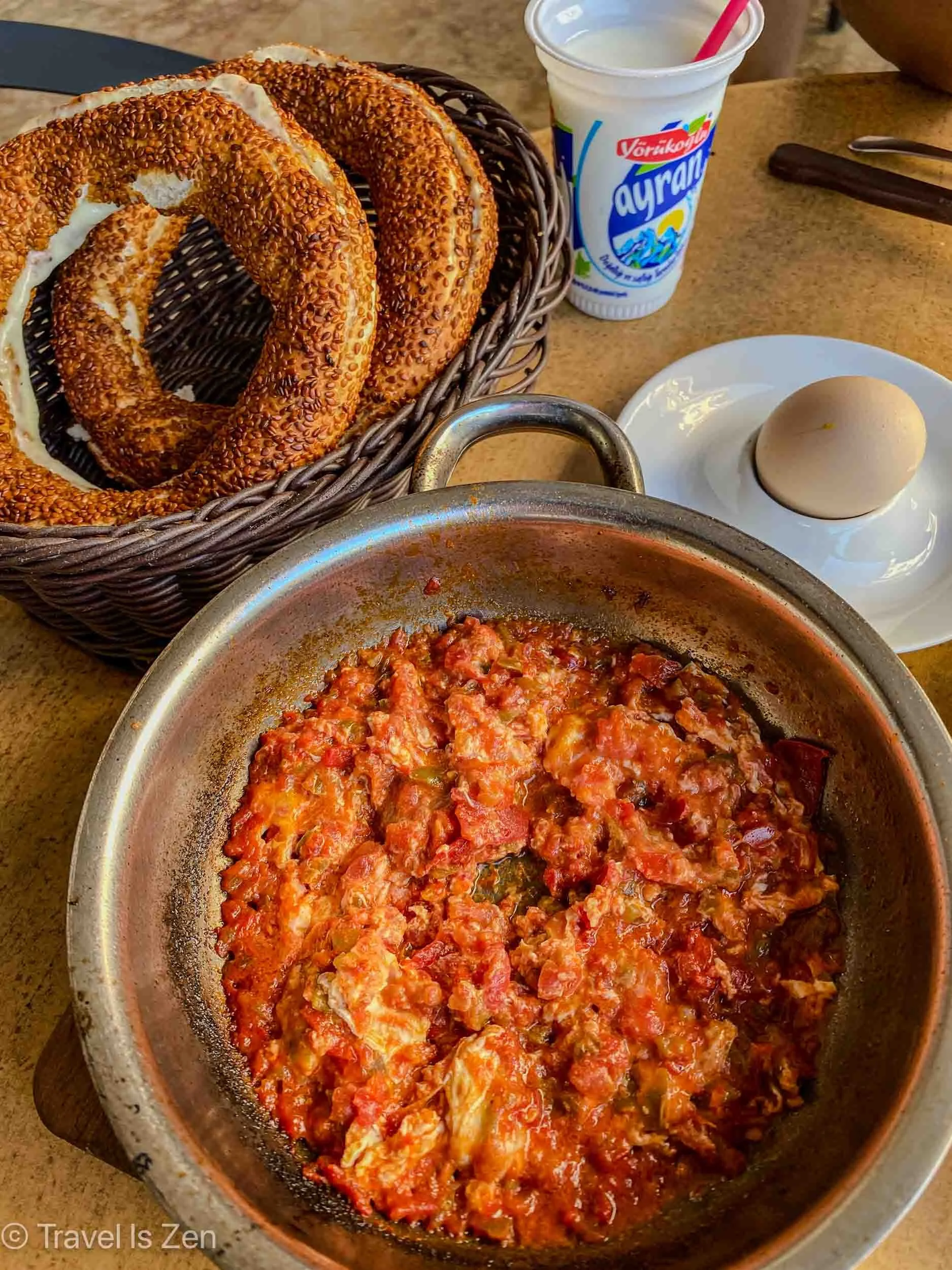
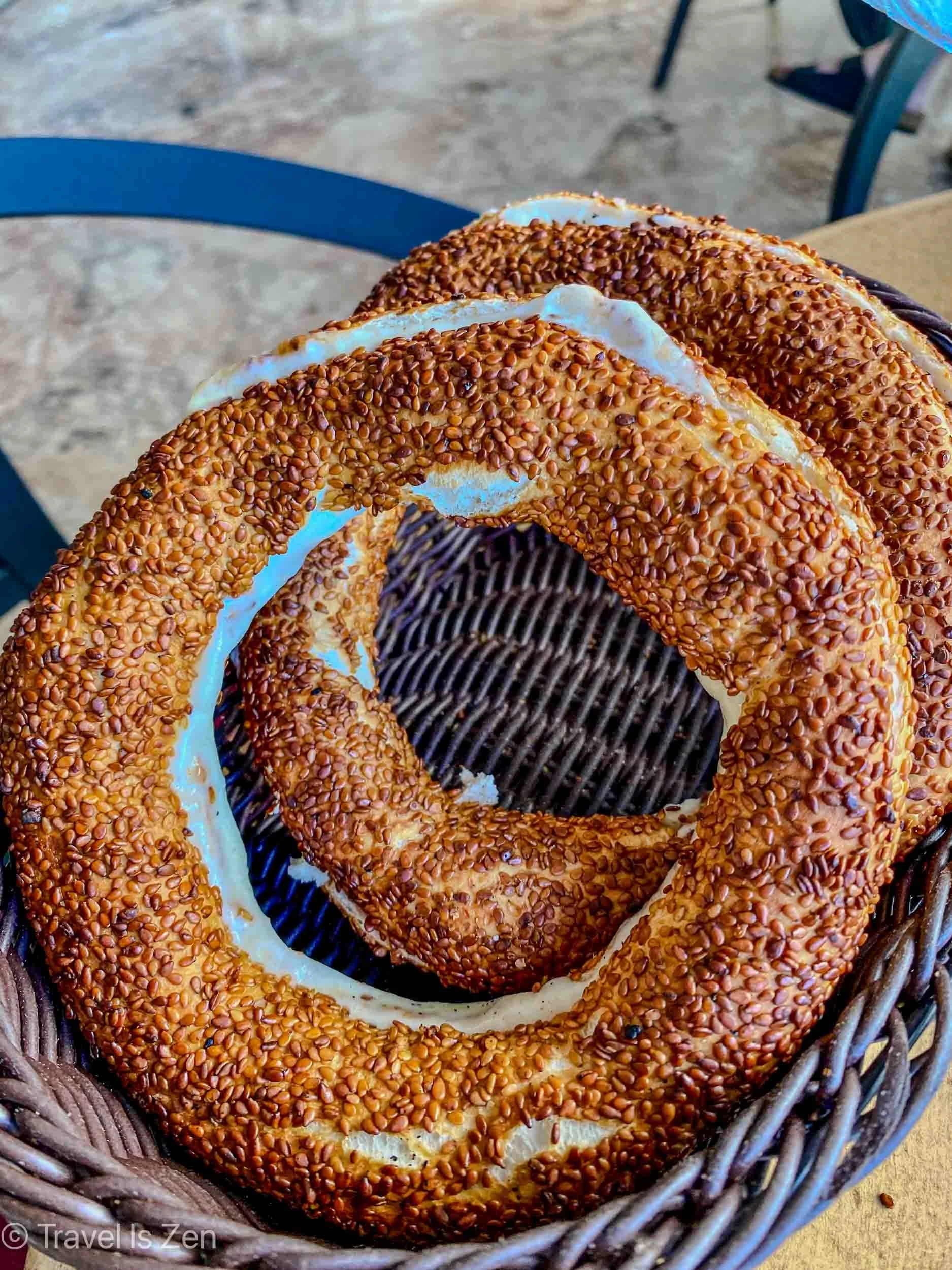
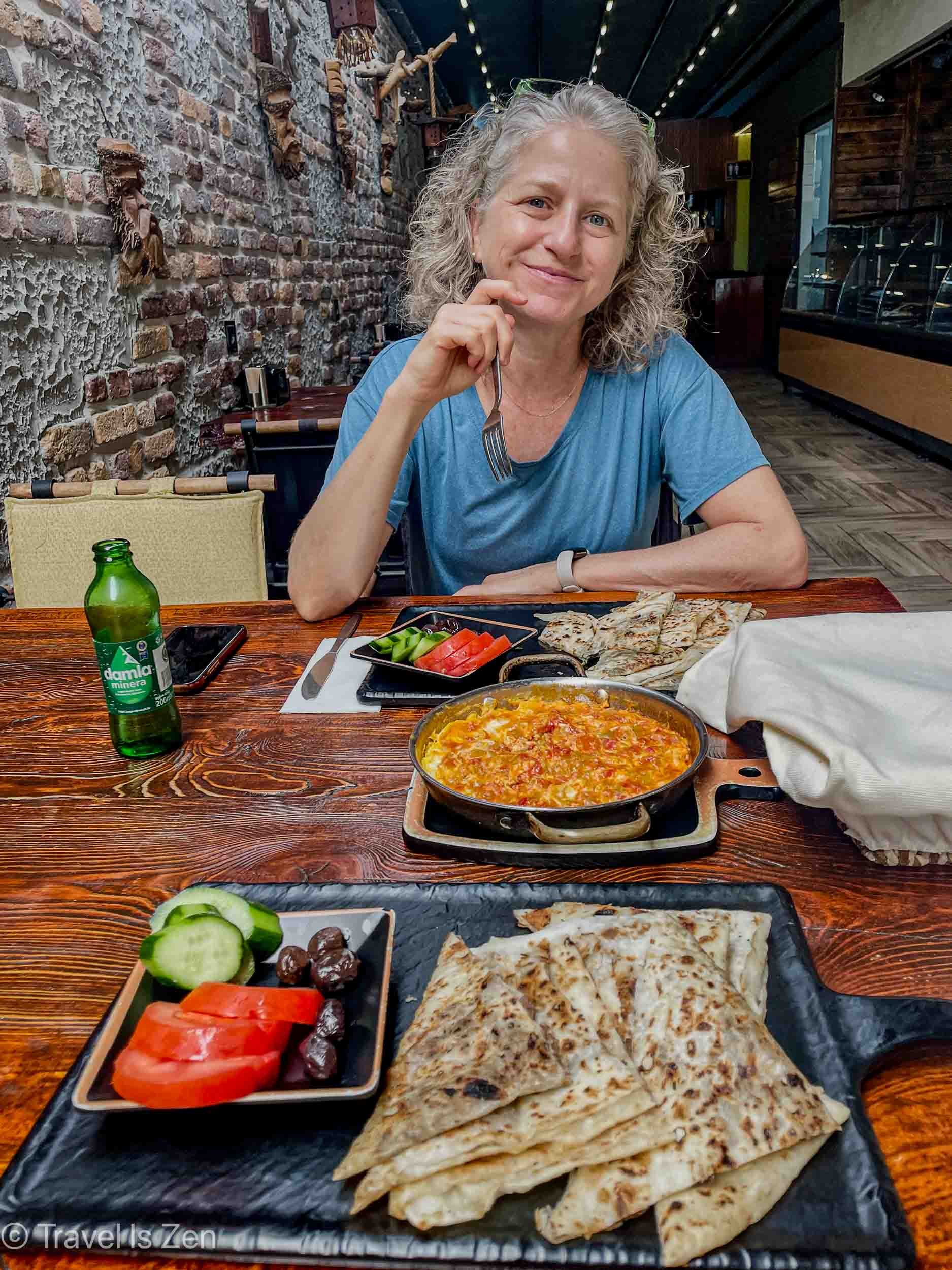
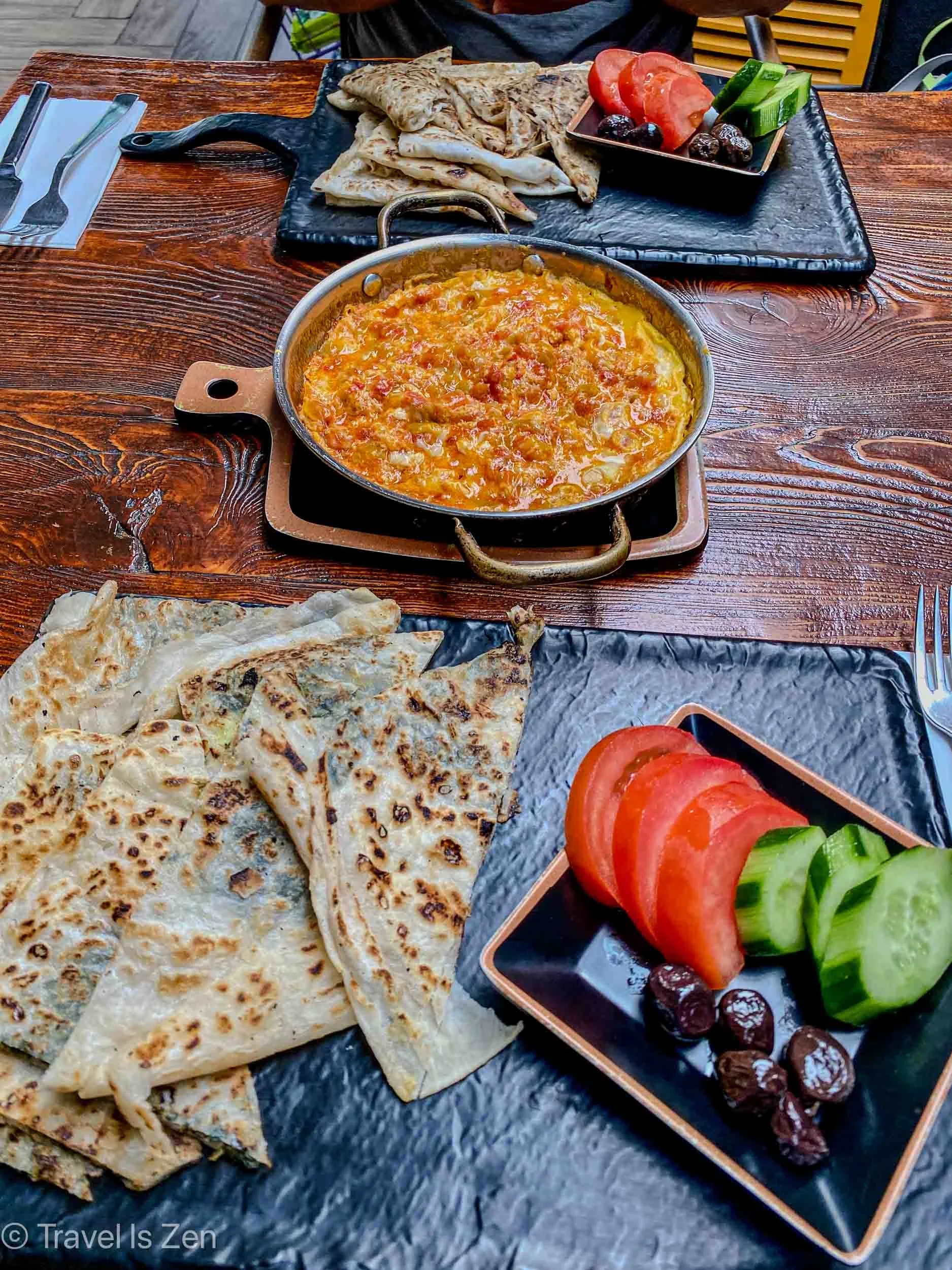
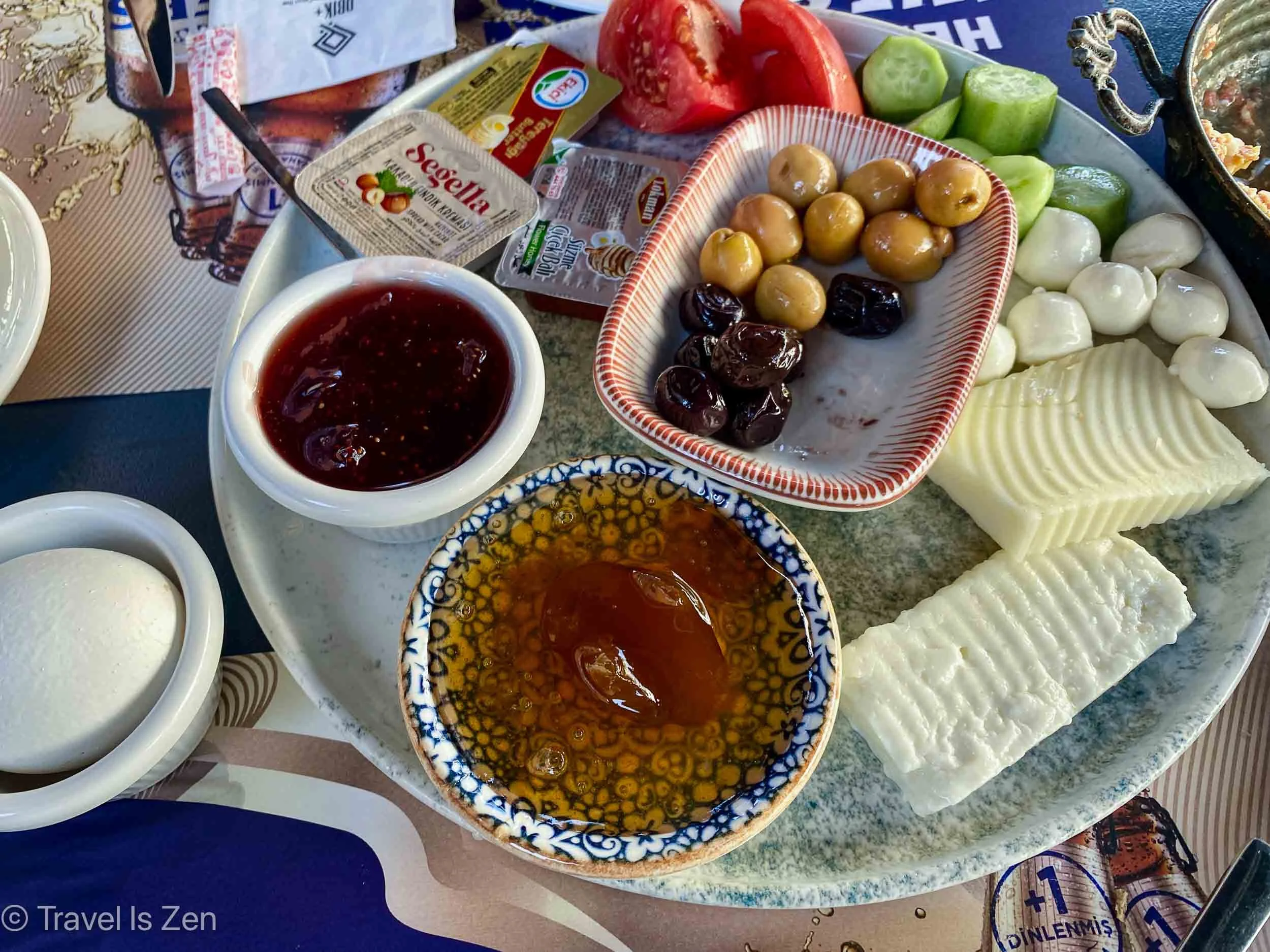
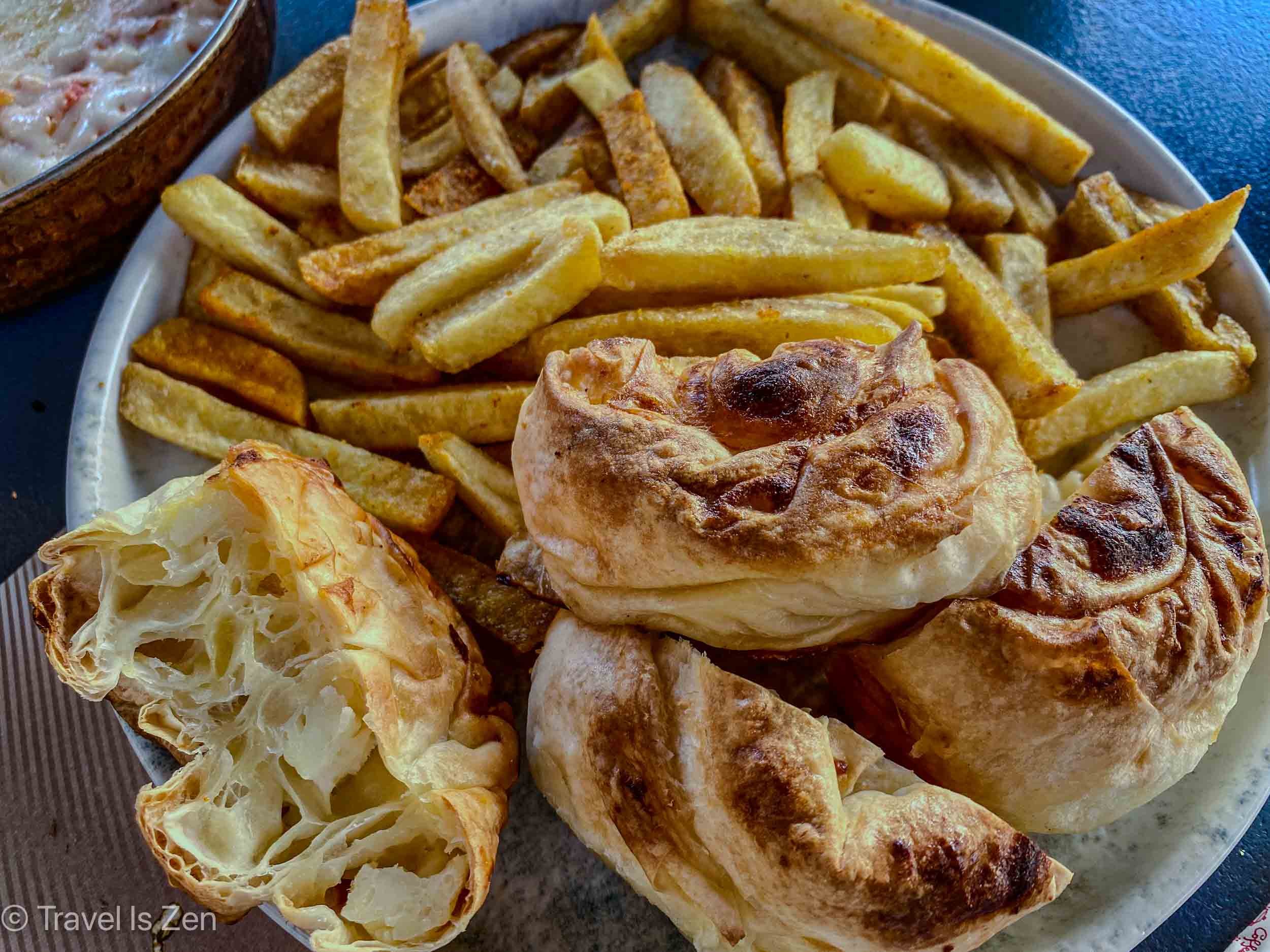
A typical Turkish breakfast consists of a variety of fresh, seasonal vegetables, olives, feta cheese, a hard boiled egg, and some honey or jam served with a basket of bread. This, accompanied by a selection of bakery pastries, was another favorite. For dinner, a variety of grilled seafood, fresh from the Mediterranean is always a treat!
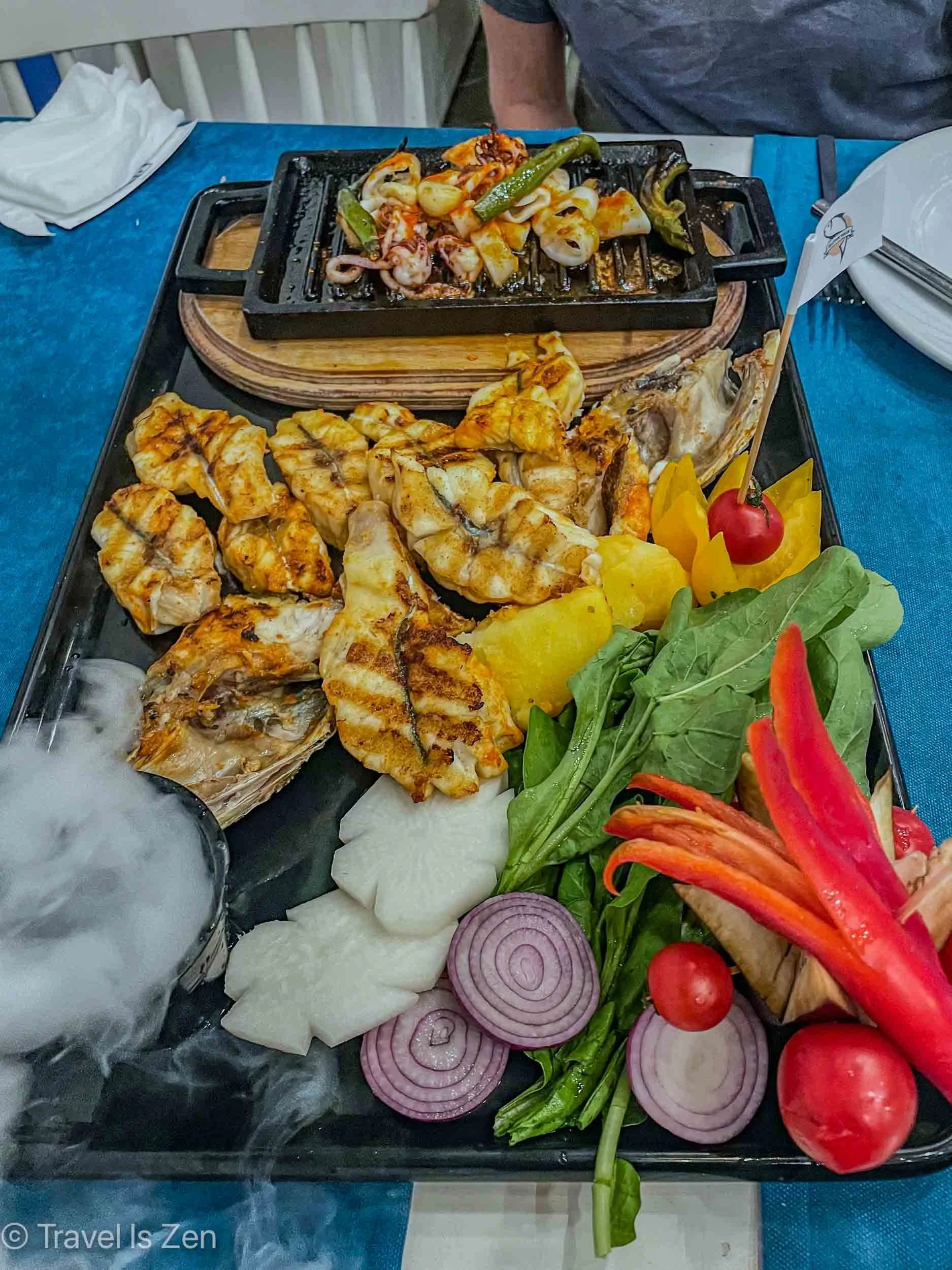
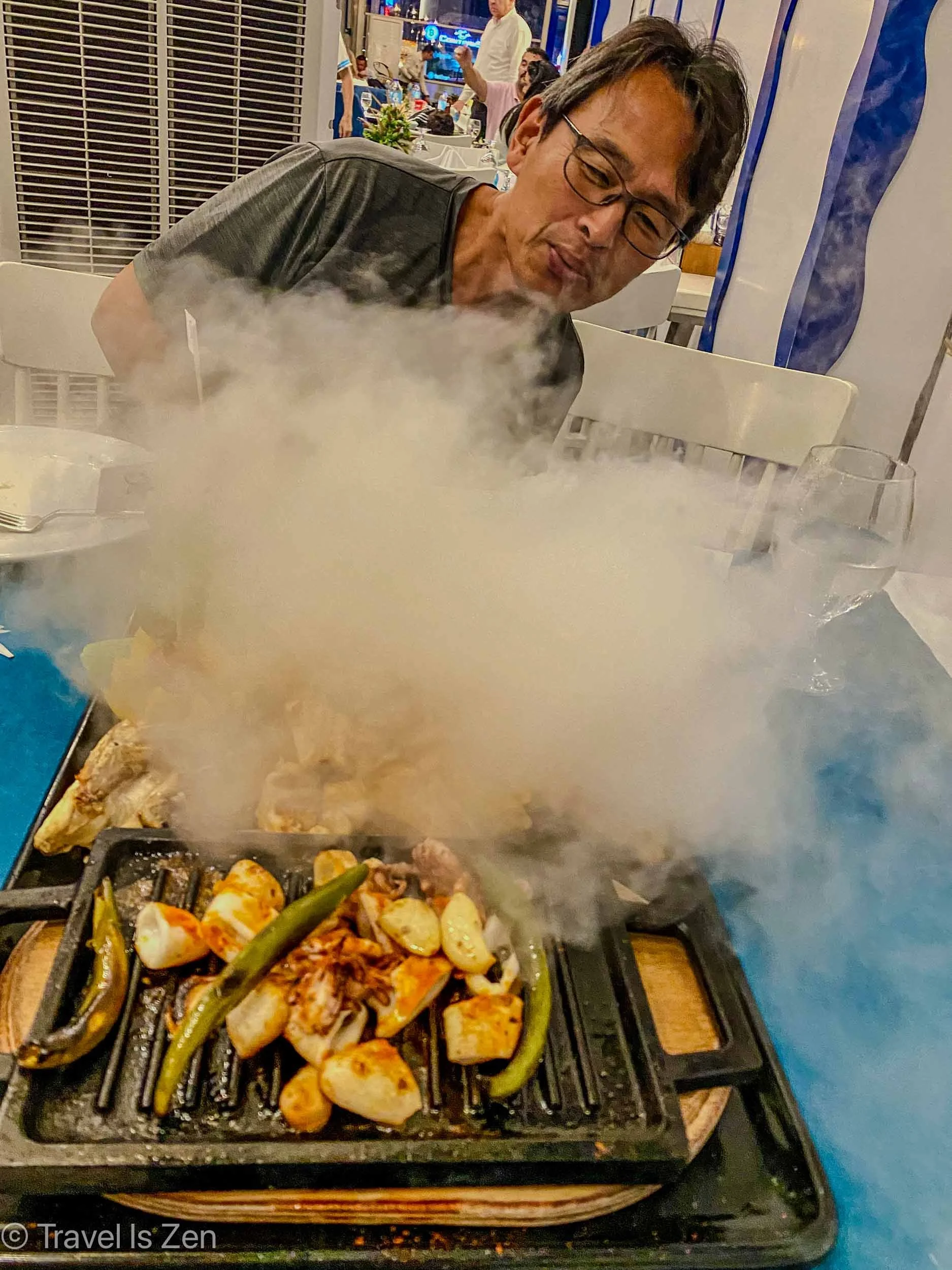
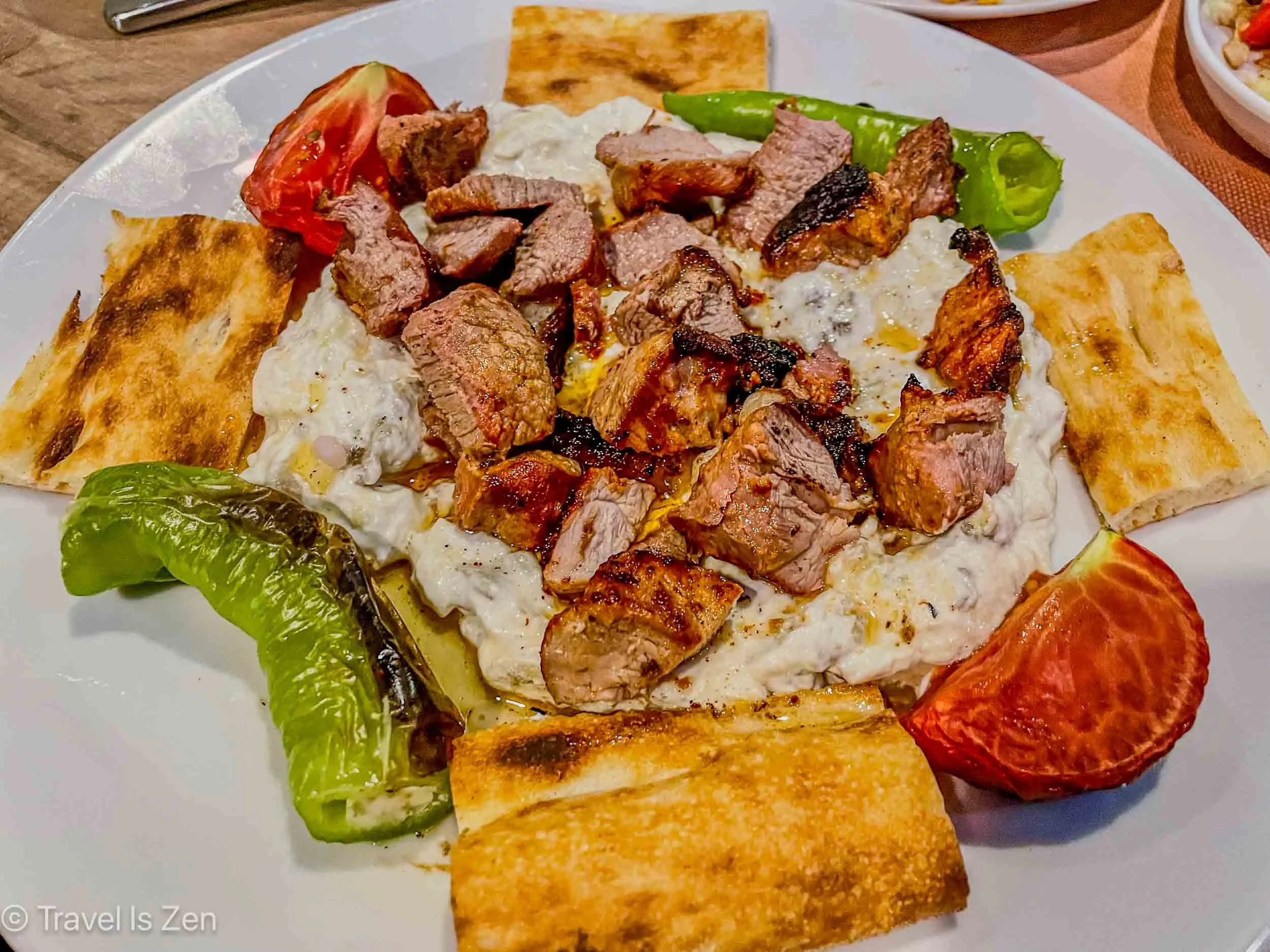
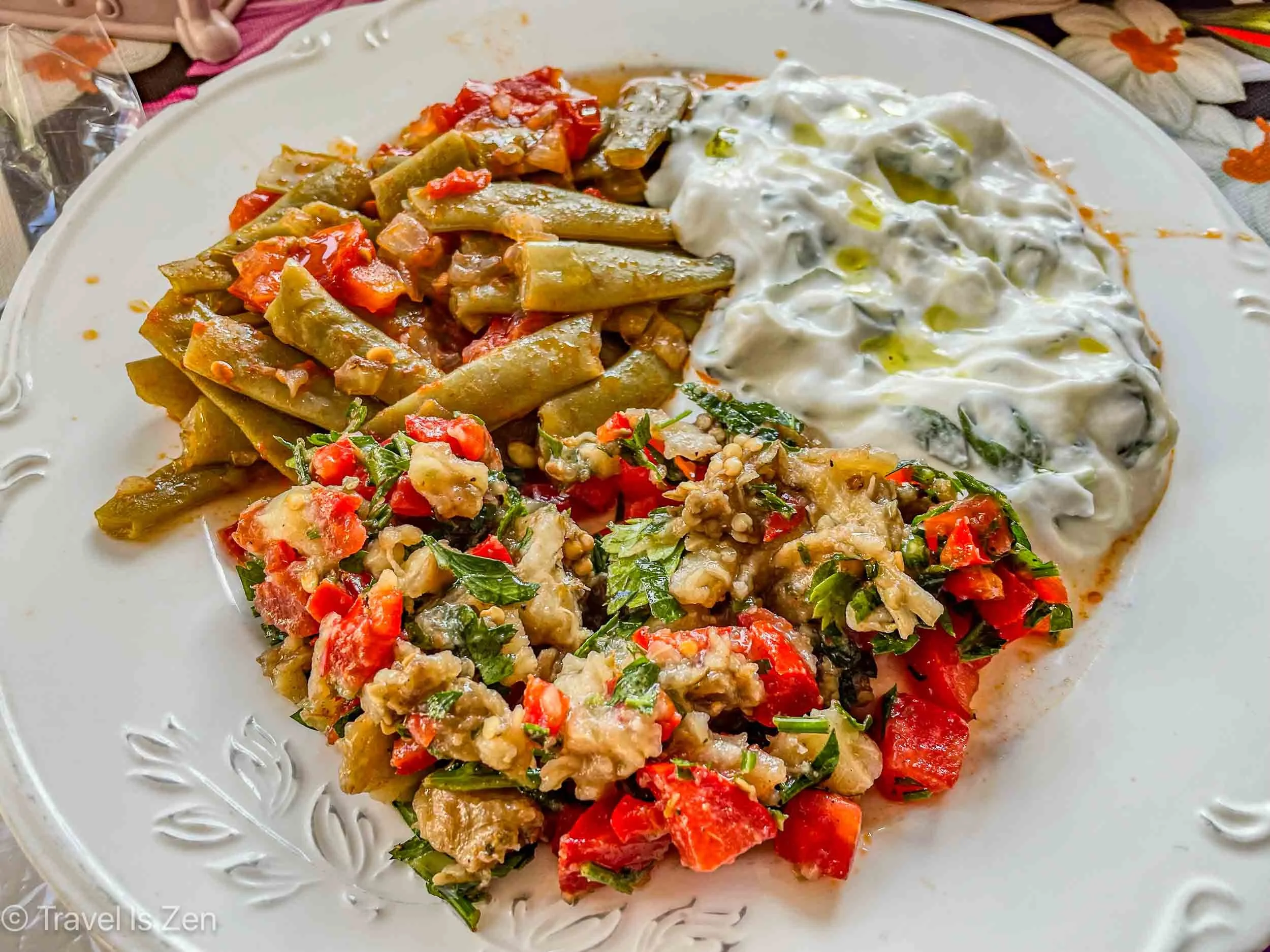
Typically, though, we opted for the small, home-style restaurants in residential areas that featured a mix of traditional soups, stews, and side-dishes for dine-in or carry away. These local places tended to be more interesting and less pricey than the seafood restaurants closer to the beach. Turkish food is not spicy and the flavors tend toward the “subdued”, in our opinion — but it’s hard to compete with the eye-popping flavors of Korea that we are used to, so maybe our need for more spice is a personal preference. ;-)
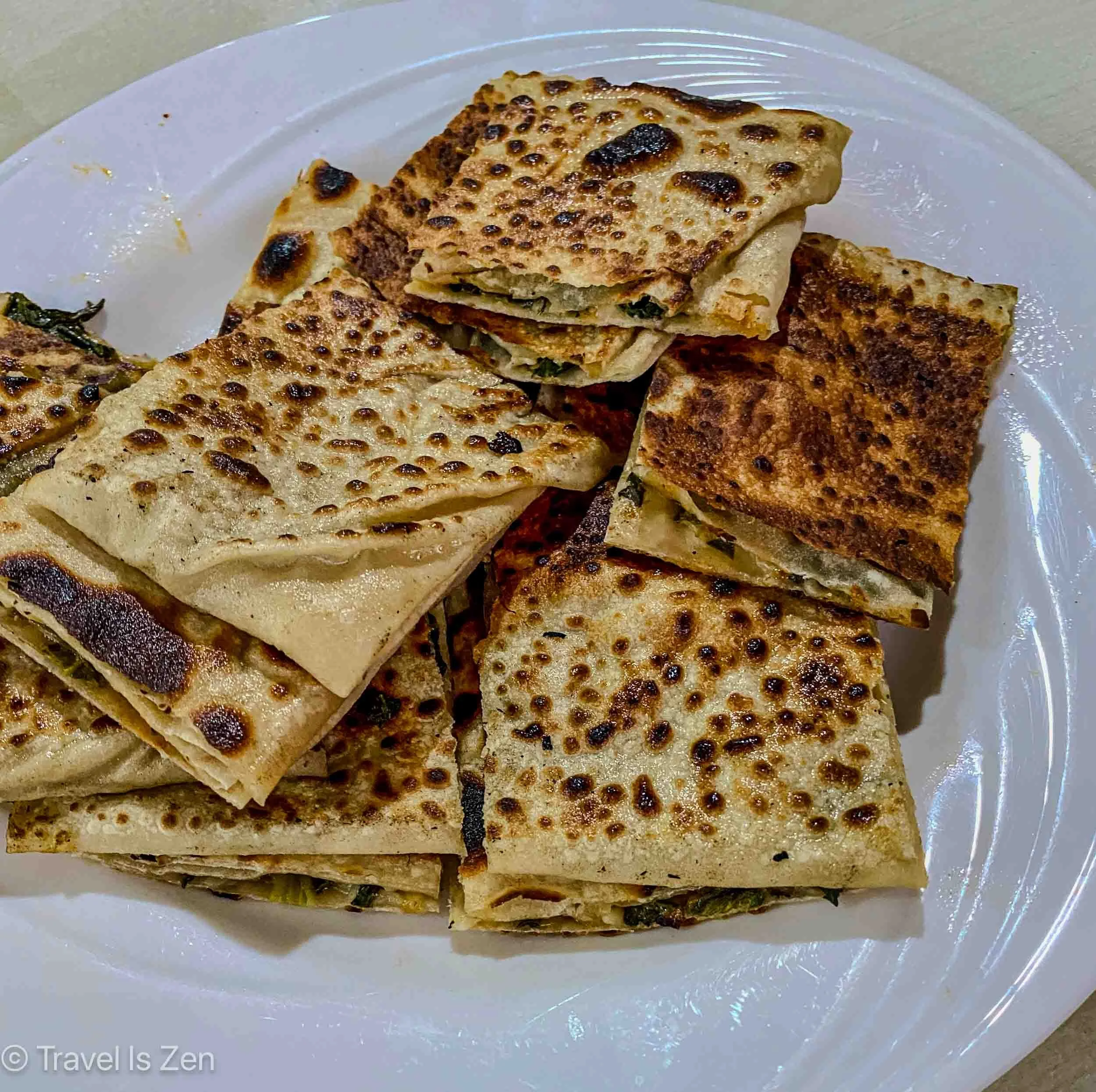
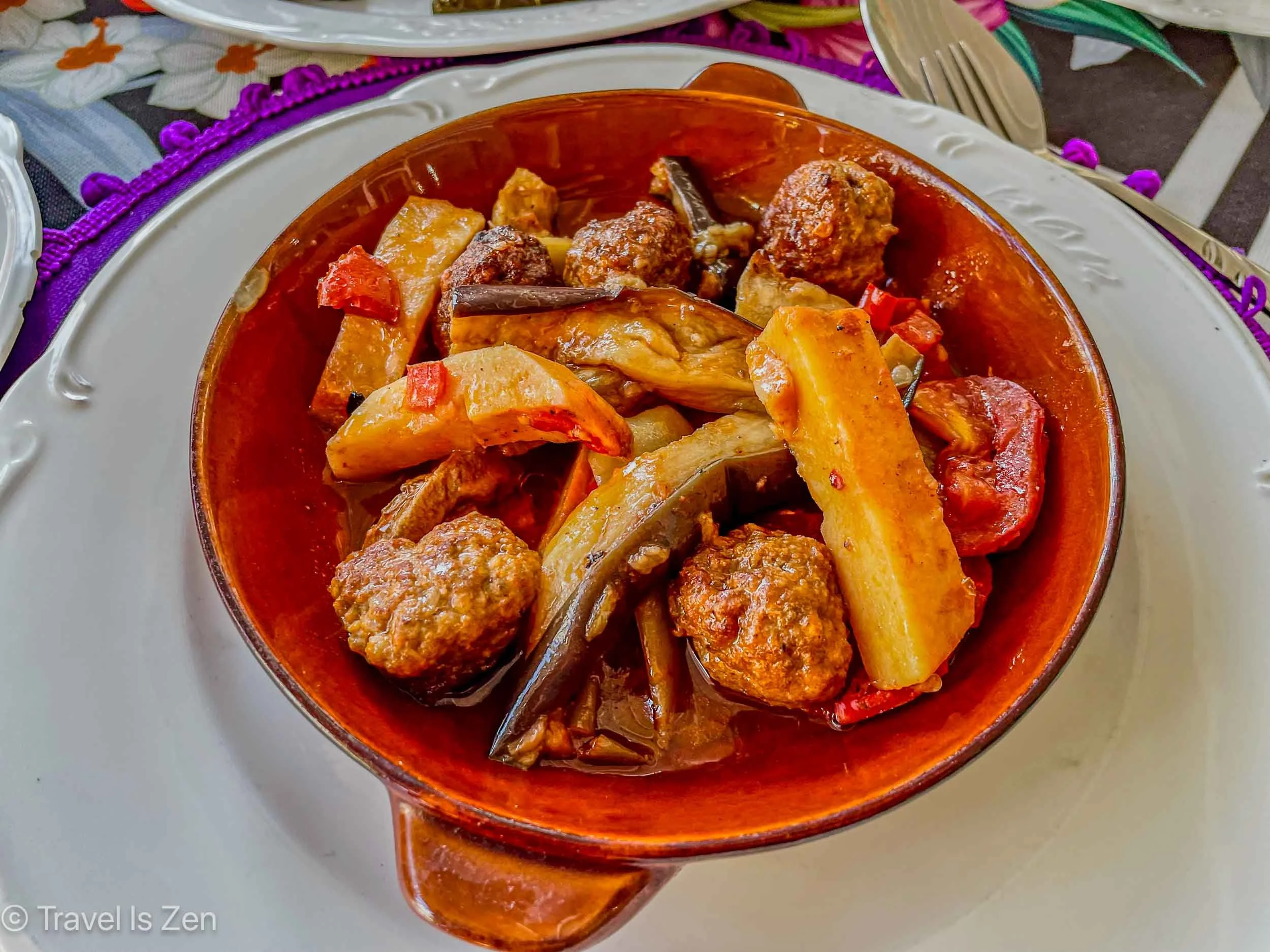

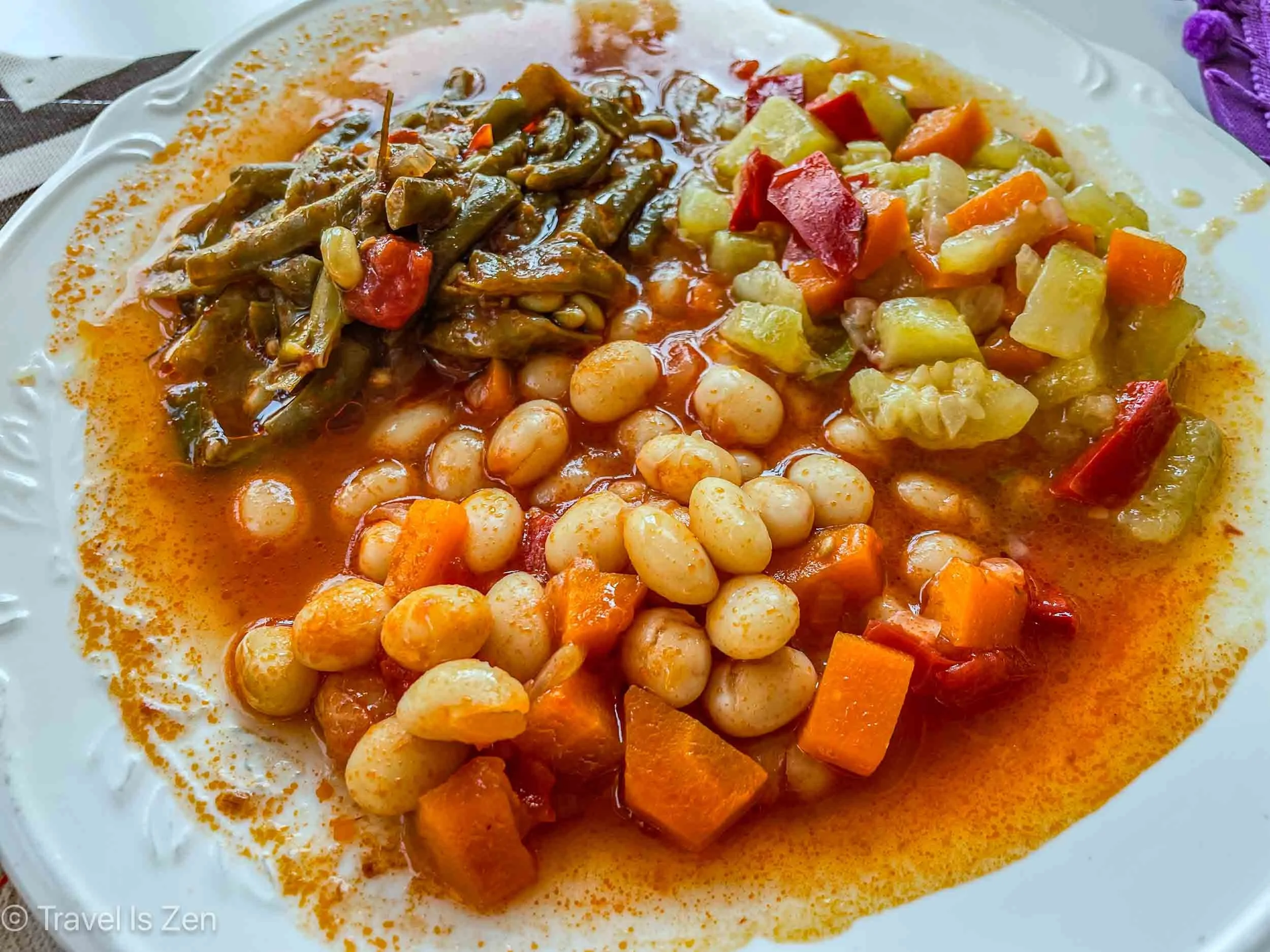
Antalya was the perfect base town for our bus trip to Cappadocia and then our trek along the Lycian Way. Antalya has a well-connected bus system throughout the region and beyond - we never needed to rent a vehicle while in Turkey for a month. There is also large shopping mall with Decathlon, a familiar sports store, for any last minute hiking supplies. The Culture Routes Society — “headquarters” of the Lycian Way — is located near Old Town, so we stopped by to ask for guidebooks and transportation information. Helpful folks!