Bilbao in Retrospect
Travel has a way of teaching in reverse.
As a now seasoned traveler, my itinerary these days is often an intentional list of researched sites or experiences. But there was a time in my life when travel was a bit more spontaneous and opportunistic… short bursts of exploration smashed onto the end of an overseas work trip, for example. Pressed for time, with no planned agenda, I’d saunter through a museum, a town, a landscape with no context, no expectations. I’d just follow my preferences and snap-judge something in the moment as “good”, “bad”, or “indifferent”. It’s only years later that I now begin to understand what I actually saw.
That’s how Bilbao lives in my memory.
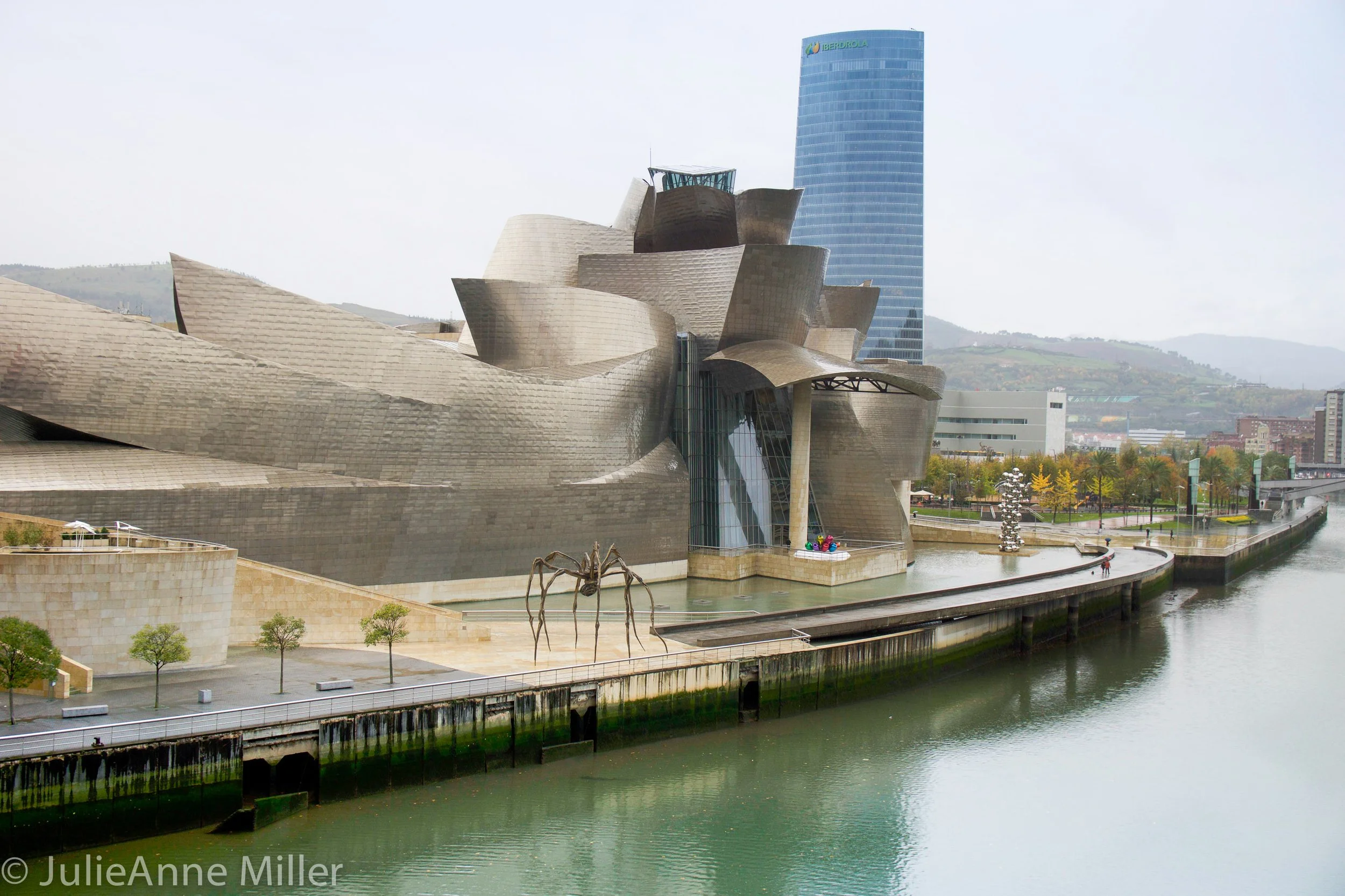
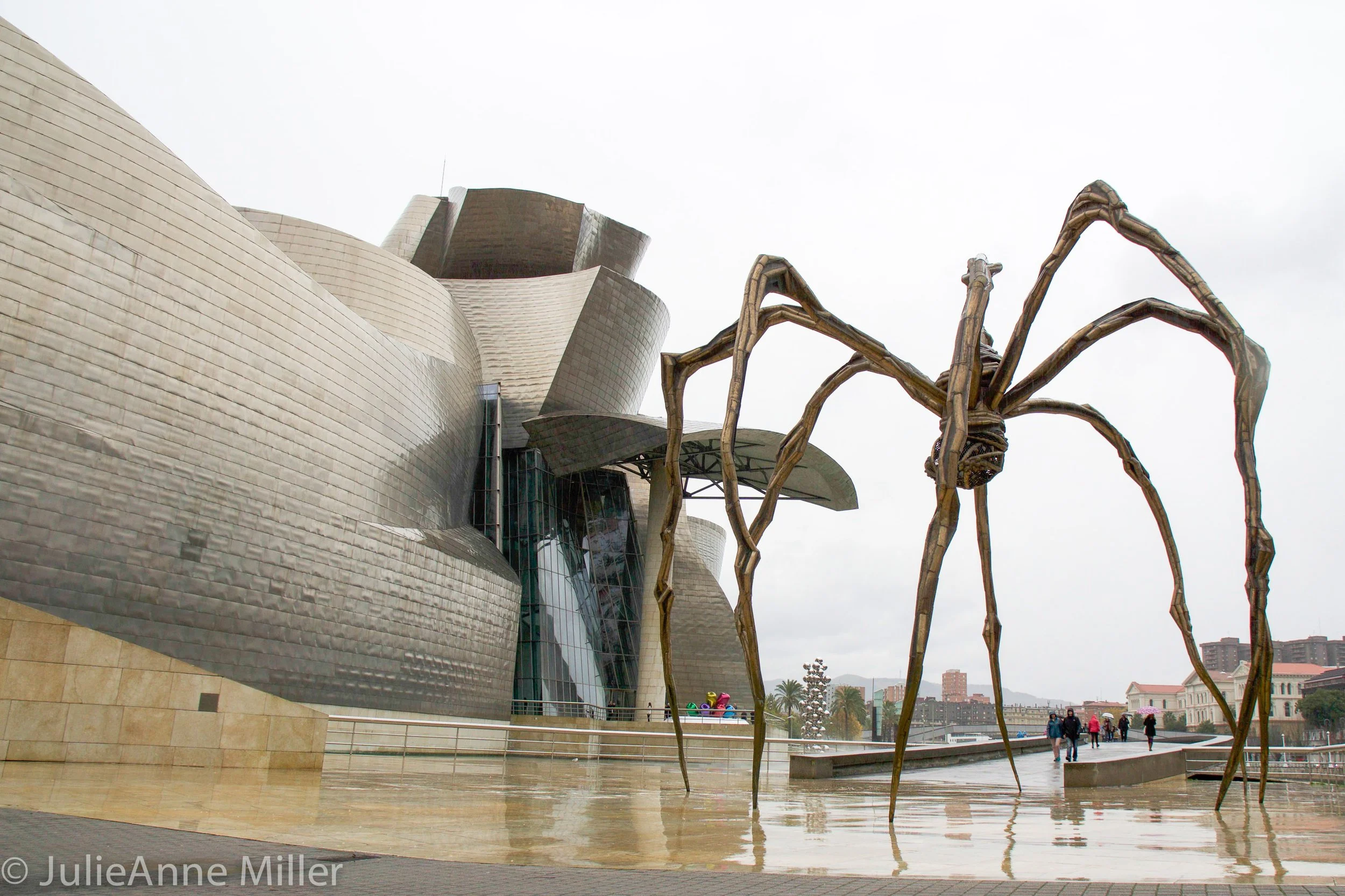
When I visited the Basque region in 2015, I didn’t know who Frank Gehry was or the significance of the Guggenheim Museum Bilbao. I simply stood before the awesome fluid form with fascination, clumsily attempting to photograph its sweeping titanium curves. It’s the main attraction in Bilbao, yet I failed to see that being the main attraction was the point of the Guggenheim — it was deliberately built to transform a gritty, industrial port town into an international tourist hub. Reimagining Bilbao as a cultural destination after the decline of its steel and ship industries was a stroke of revitalization brilliance on the part of Basque leaders.. and their choice of Gehry to make it a reality paid off. The museum opened in 1997 as a symbol of modernity and innovation, elevating Bilbao’s status on the global stage.
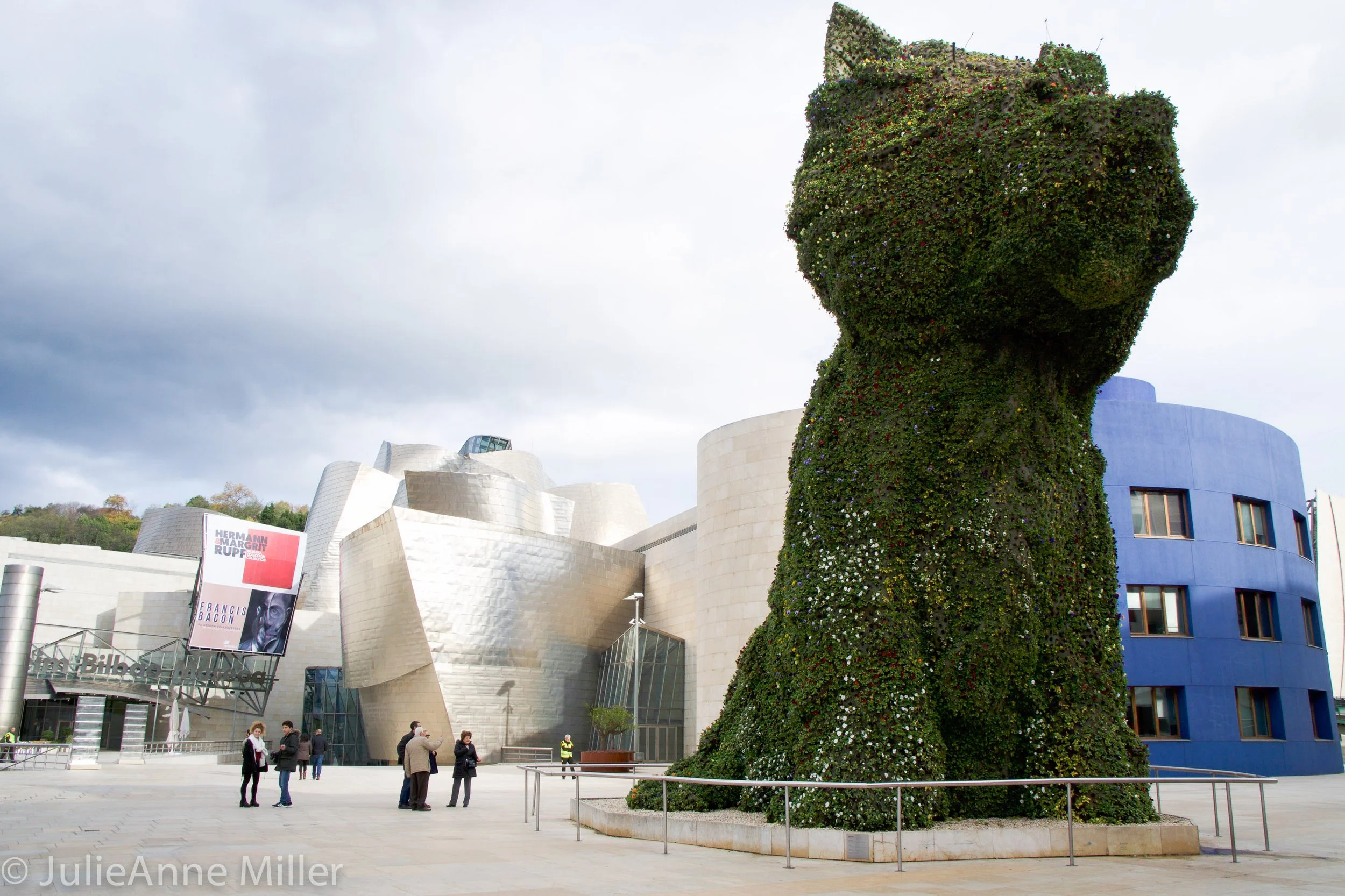
Inside the museum, we spent hours on a dreary rainy day staring at gloomy Francis Bacon paintings. I remember failing to make sense of his dark, distorted style. A decade later, with age, curiosity, and introspection, I understand that Bacon’s dark distortions explore what lurks underneath the human facade: our subconscious fears and desires; our suspicion that civilized life or the people who surround us may be more fragile than we admit. His works are intense. Sometimes uncomfortably so. And while I lean toward optimism, I’ve come to appreciate art that makes us “see” emotion in new ways.
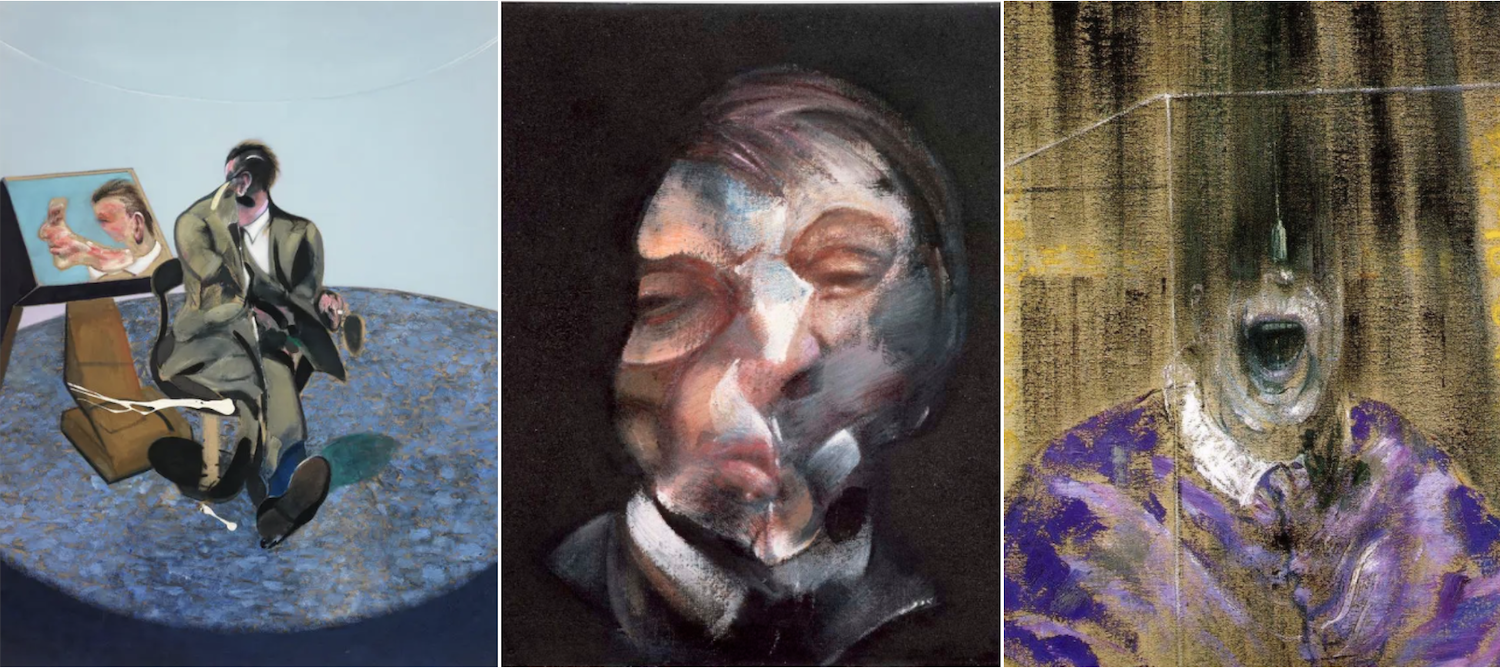
© The Estate of Francis Bacon
And that’s the thing about learning in reverse.
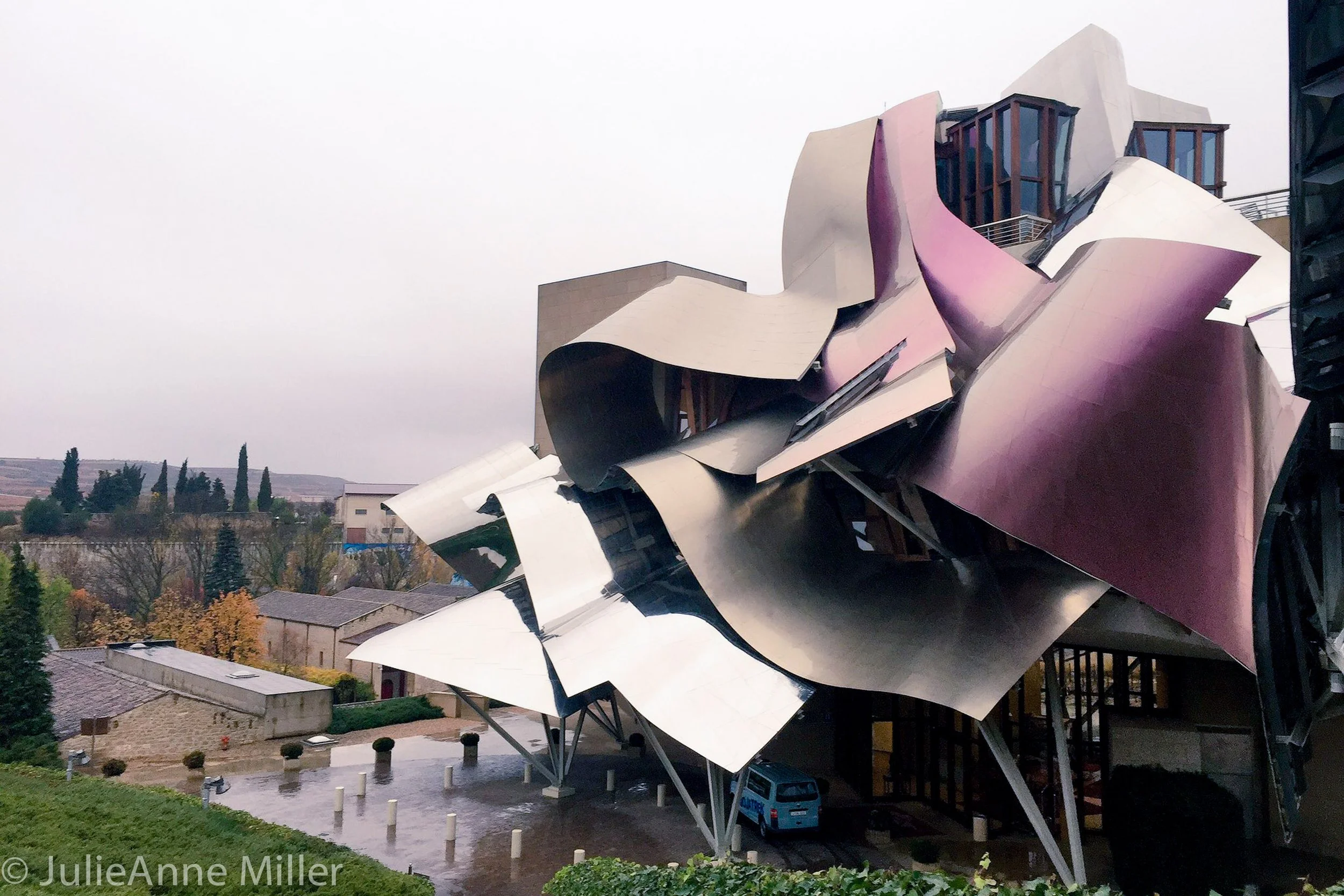
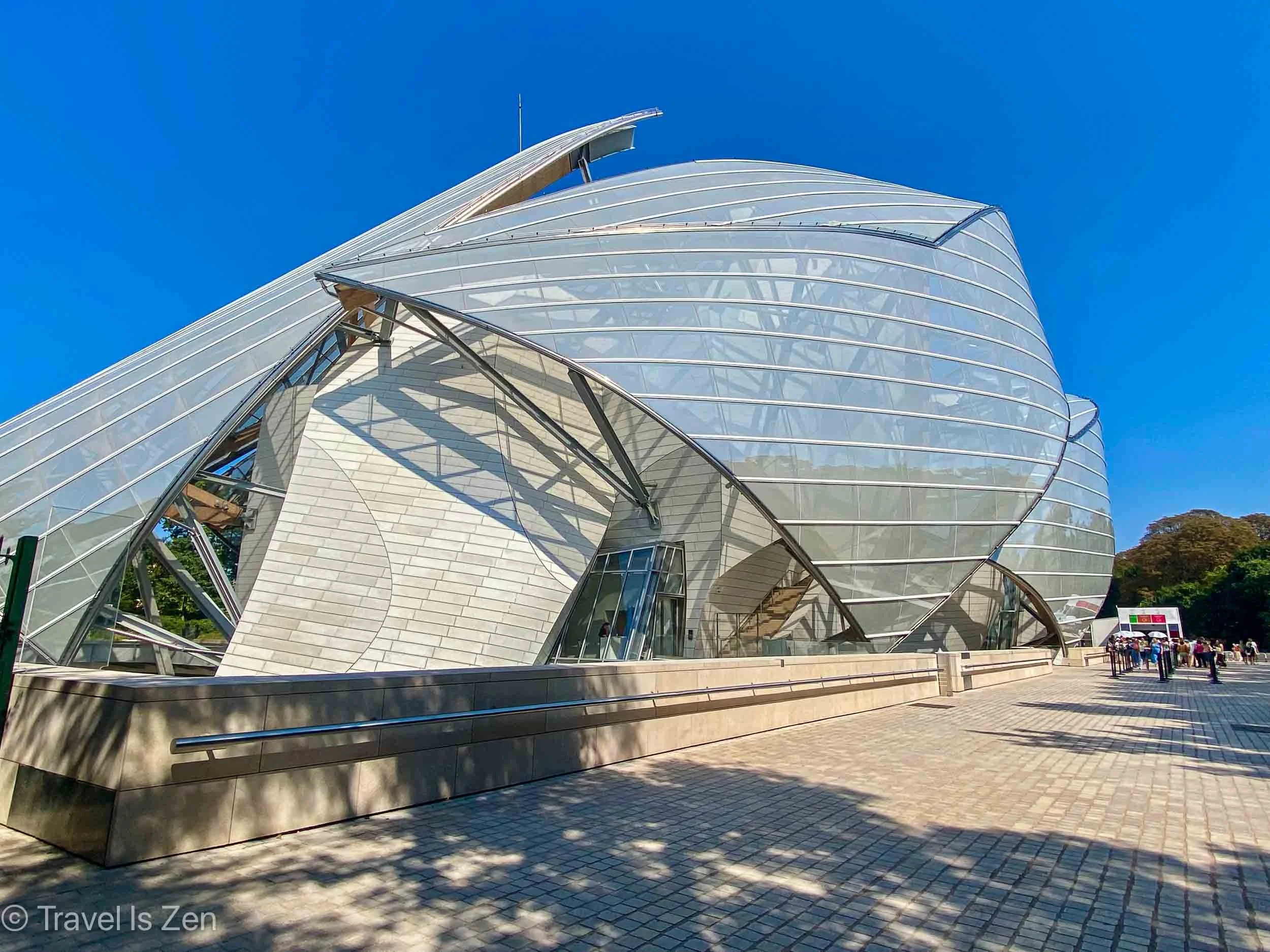
On that same trip, we stayed at the Marqués de Riscal Hotel—another Gehry building—and I didn’t connect the now-obvious style similarities to the same architect. My reaction at the time was that Spaniards sure have an eye for architectural design! I can be slightly forgiven for this blanket assessment because the entire Rioja Valley is a series of architectural wonders and I perhaps missed the forest through the trees. When I recently encountered Gehry’s Louis Vuitton building in Paris, however, I instantly recognized his iconic style: fluidity, movement, modernity, asymmetry. An “aha!” moment.
Refinement of one’s perception comes through experiences accumulated over time.
I was not a fan of the Basque regions’s pintxos a decade ago because my exposure to “new” foods was limited and, thus, frightening. If I were to relive the experience of approaching a bar filled with unique concoctions of not-quite-discernible tidbits today, I like to imagine that I might be more receptive.
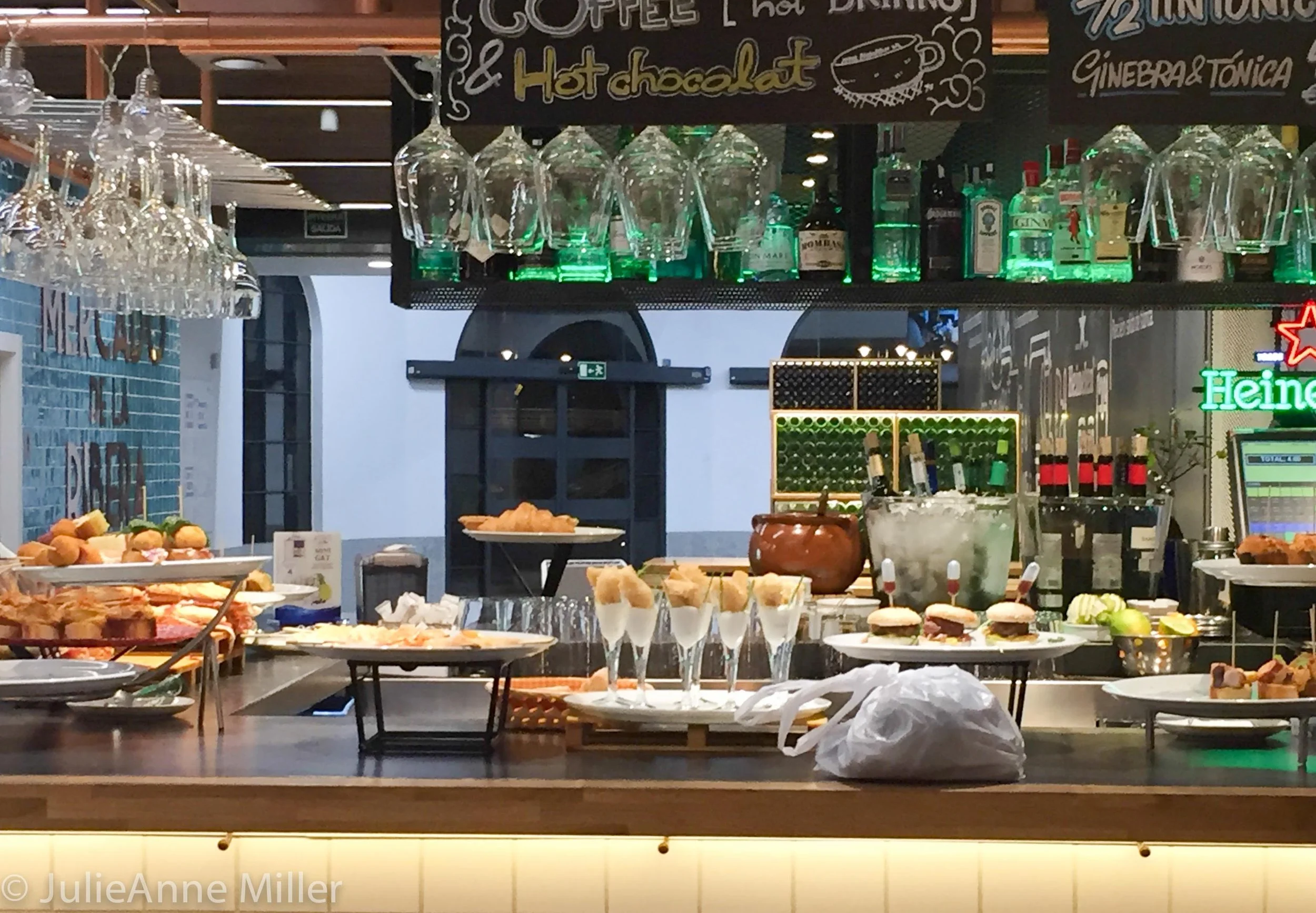
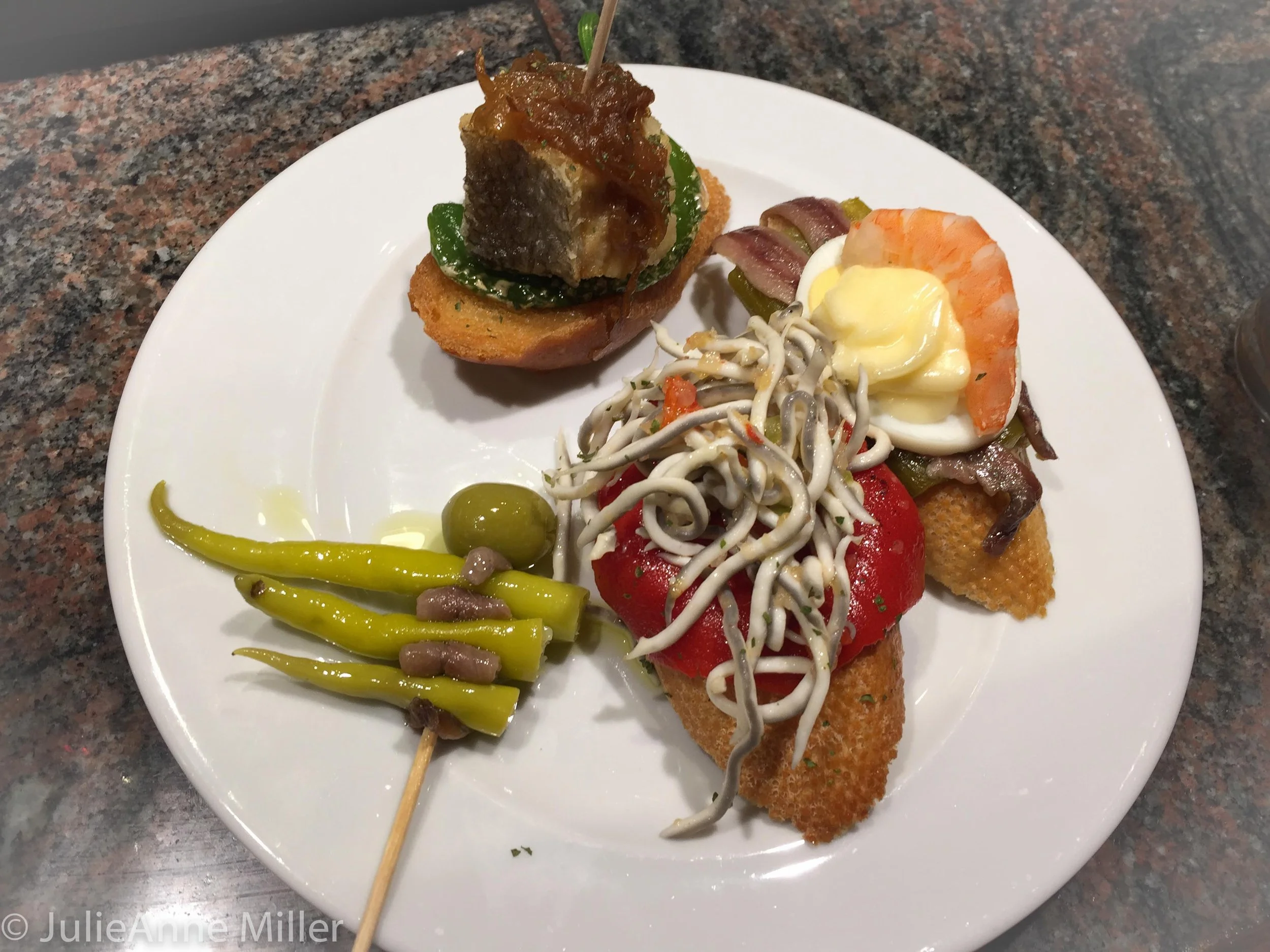
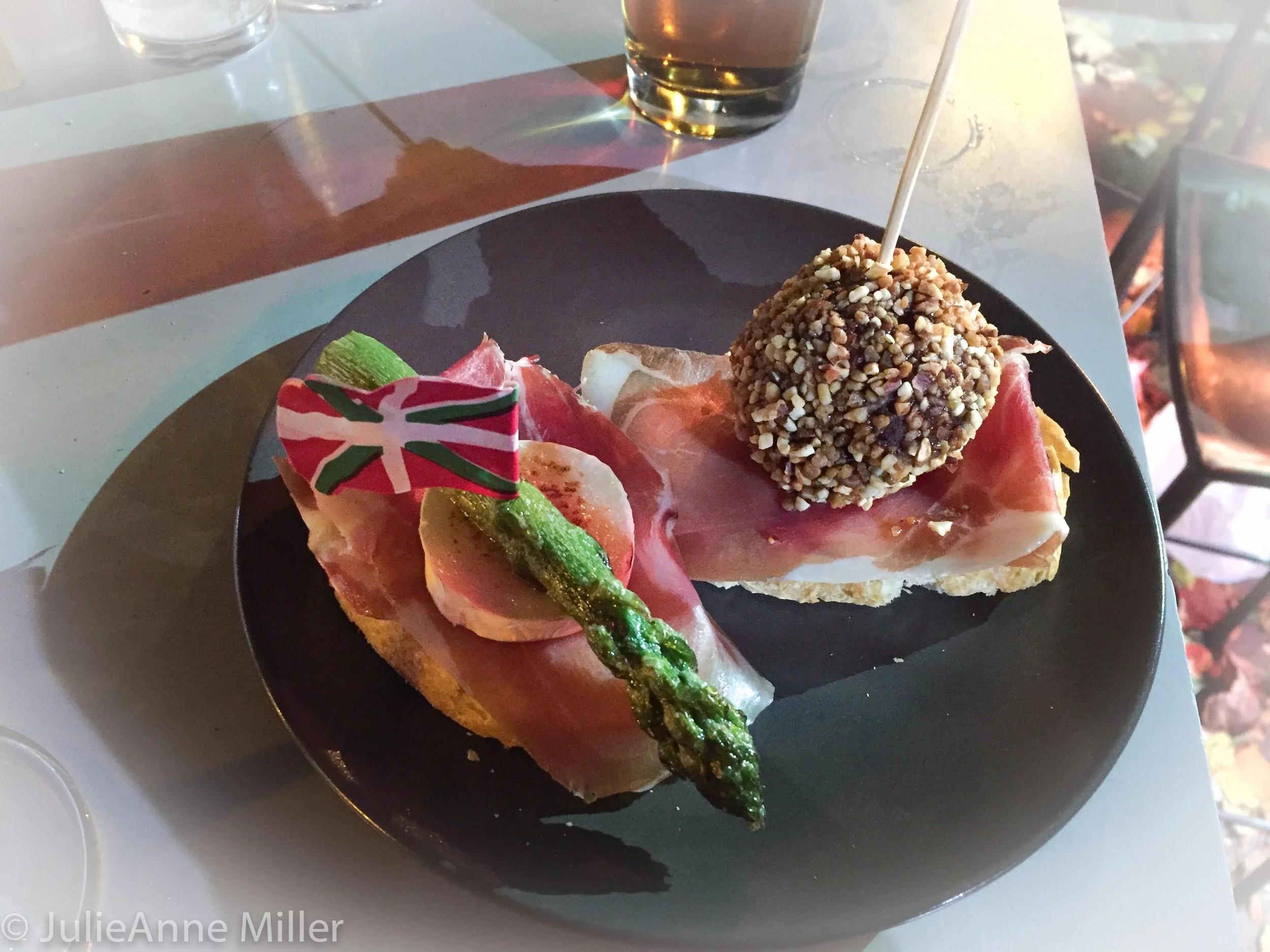
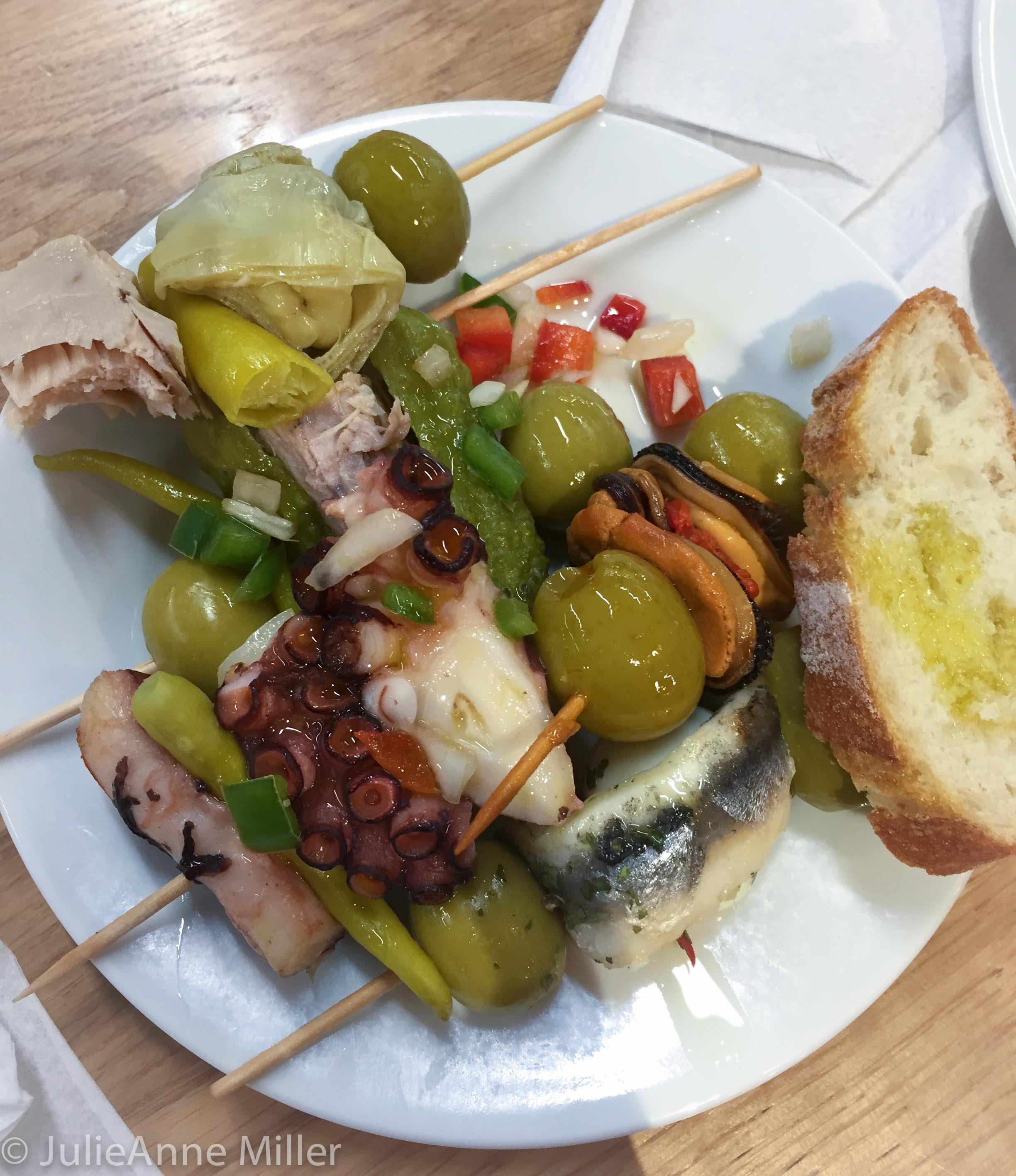
Sometimes I wish I could go back. To stand again in that museum, or walk those streets, or try that food; this time with context and understanding. But it truly wouldn’t be the same. Part of the intrigue of travel is that first, raw, unfiltered impression, when I don’t yet know what I’m looking at and nobody’s yet told me how to feel about it… where assessment comes from my own unbiased, unadulterated personal gut reaction.
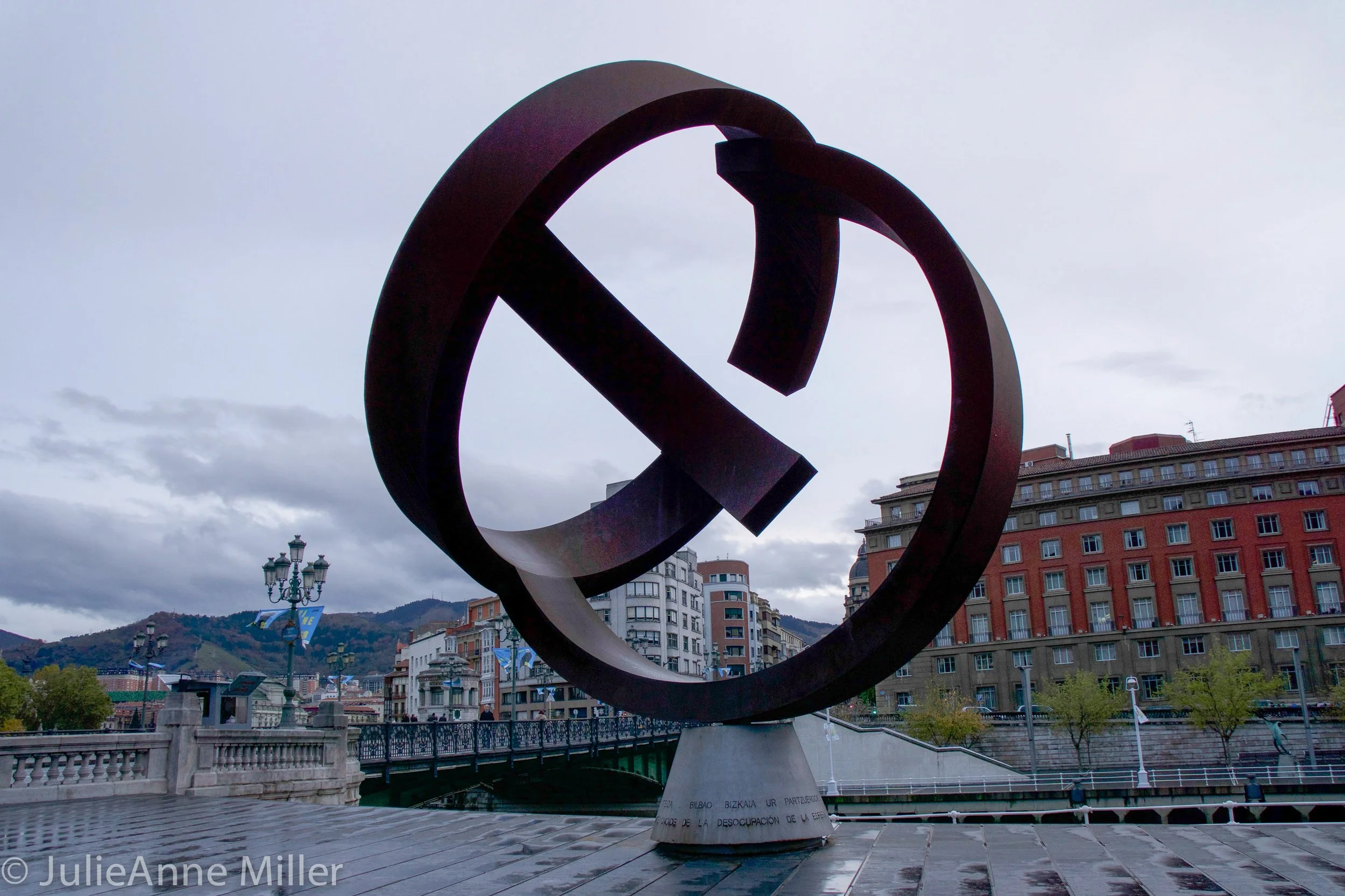
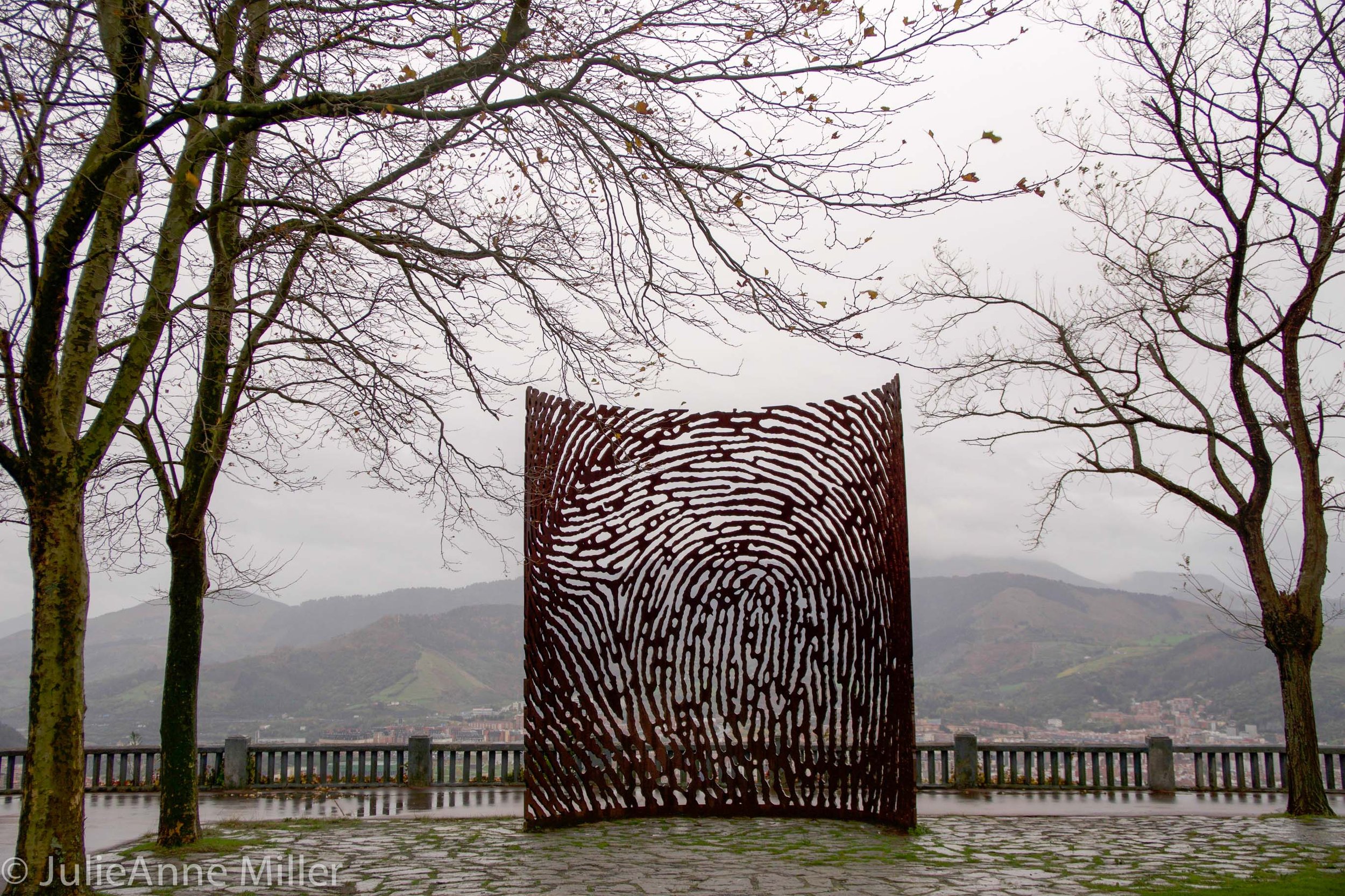
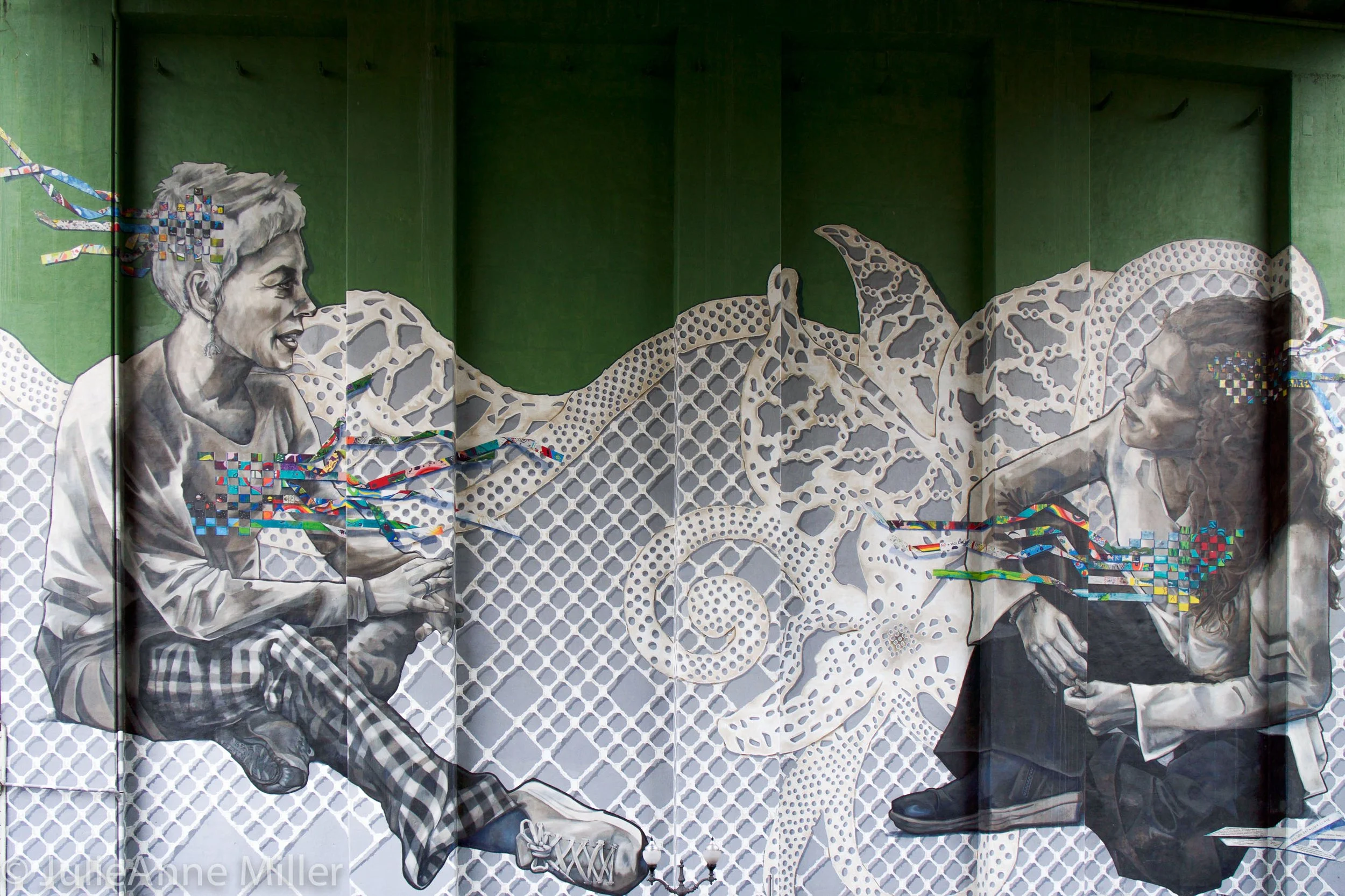
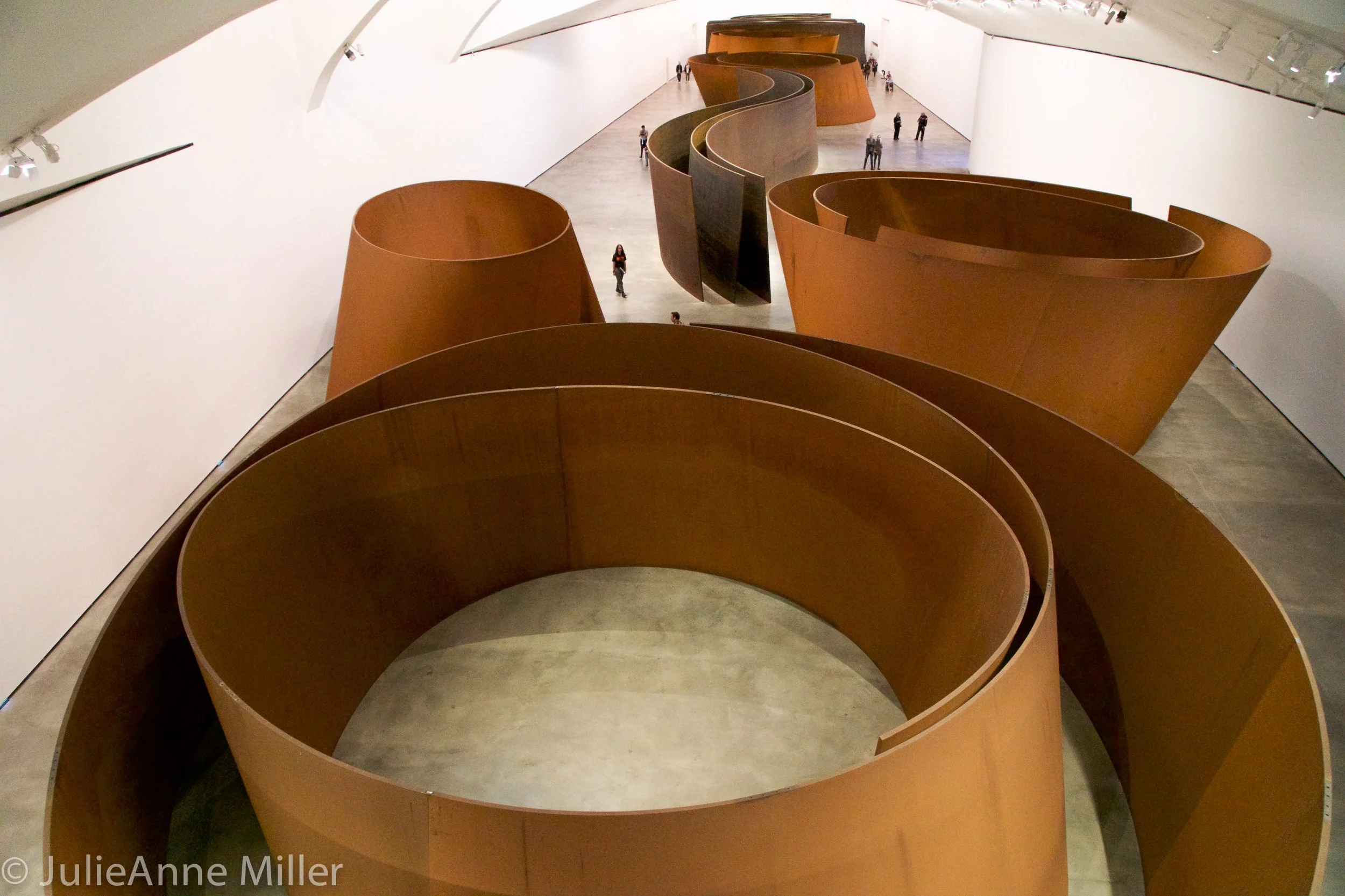
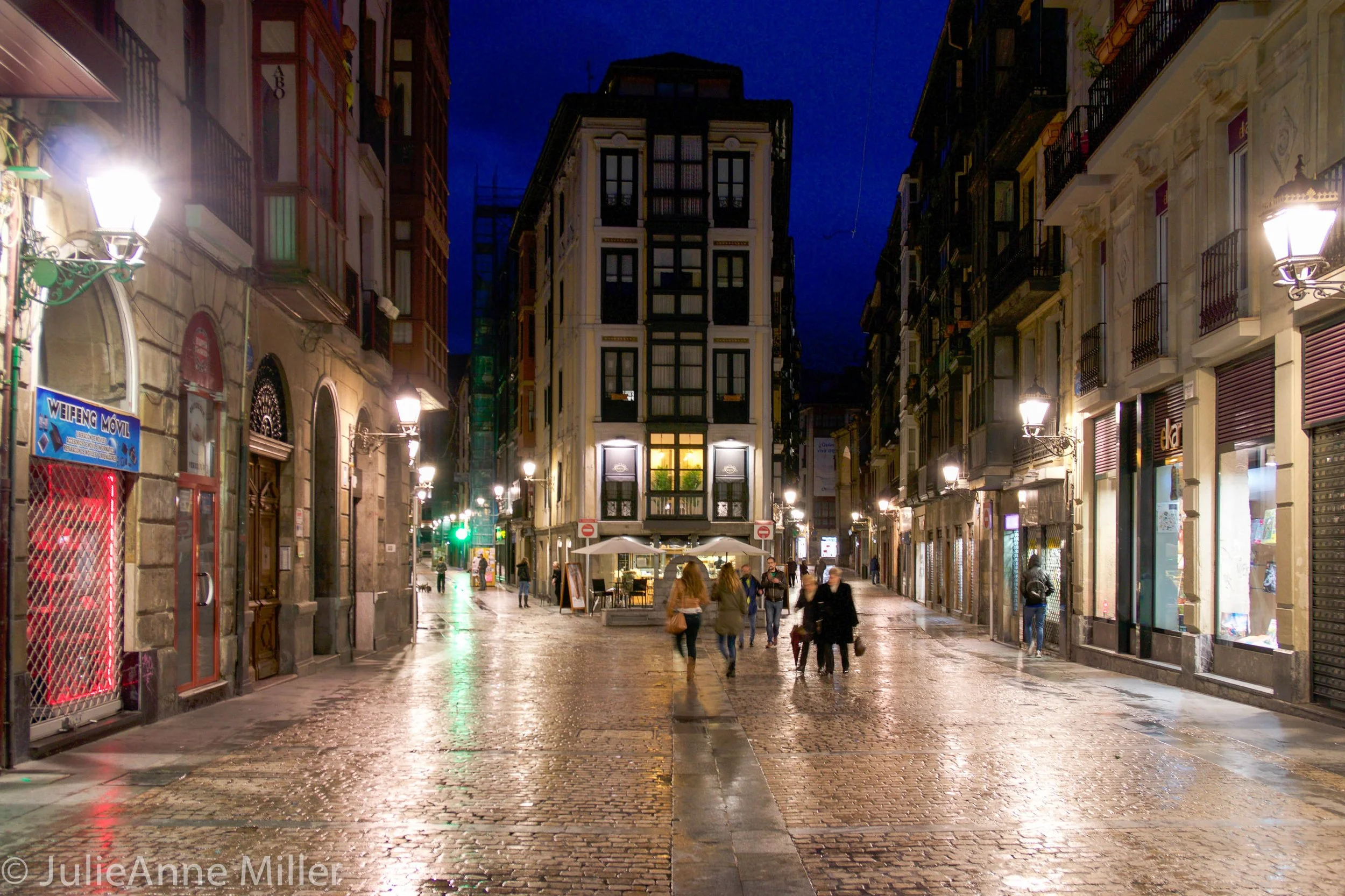
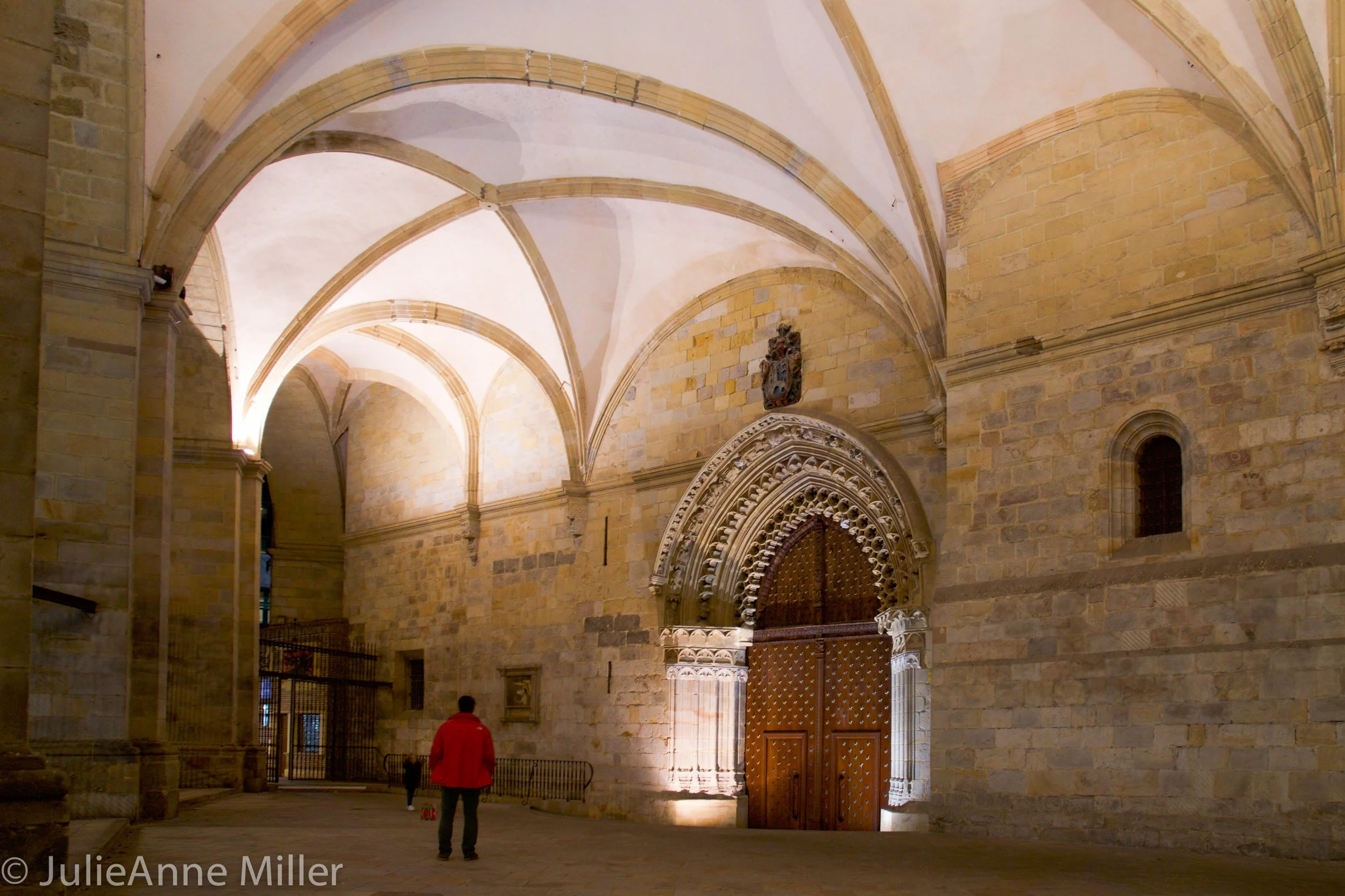
The ultimate travel reward for me, though, is the refinement of those initial perceptions — the teaching in reverse — which happens in hindsight over time after an accumulation of other experiences and by following curiosity’s urge for context and meaning. That refinement is a bit of proof that, through travel, I’m evolving, growing, and perhaps seeing a little more than before.